Recommended Reading
Mountain memoirs, national park design, neuroscience in nature, and a rollicking Himalayan adventure
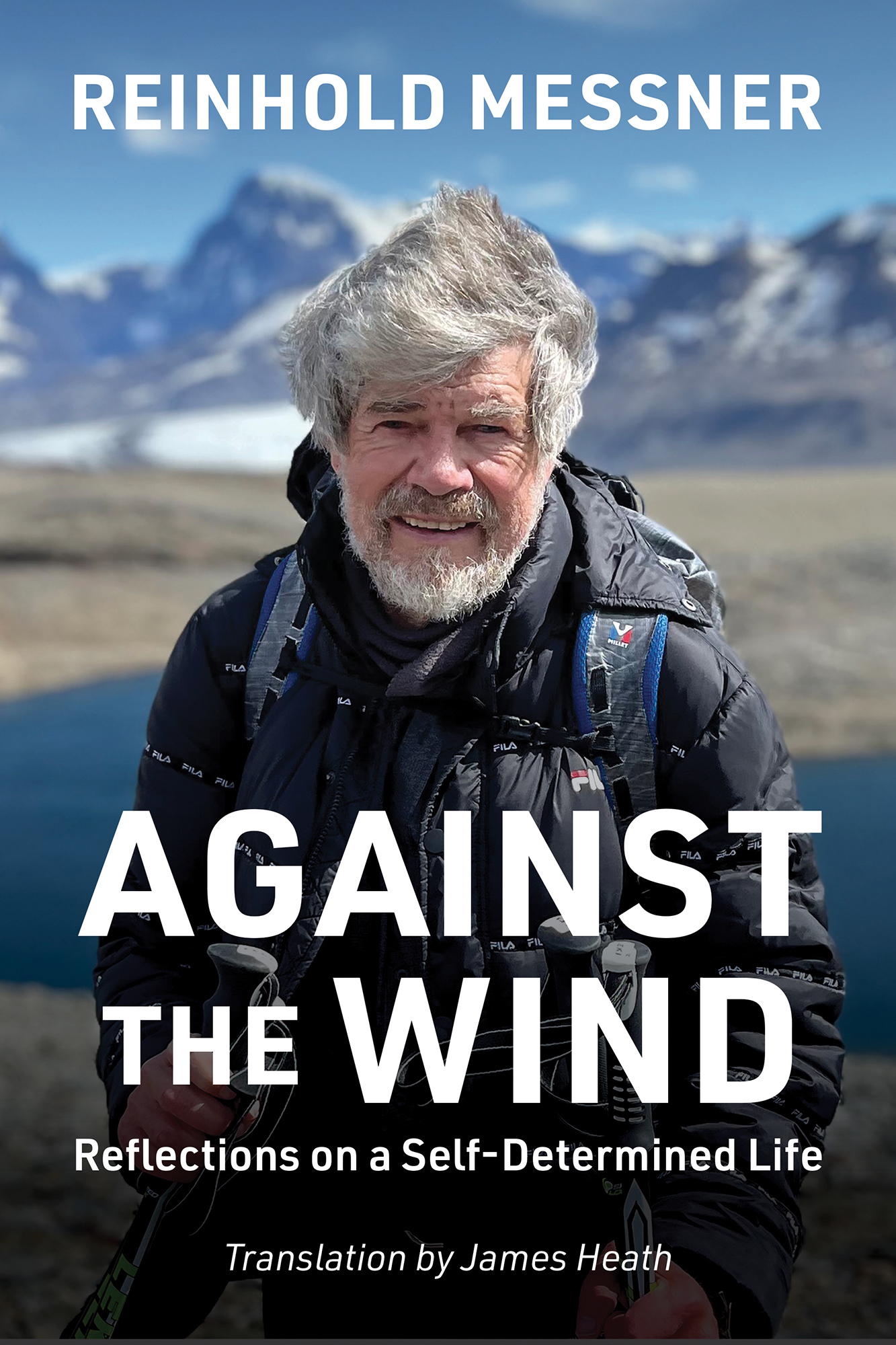
Reinhold Messner is eighty-one and settling scores. In Against the Wind, the man many consider the greatest climber ever chronicles a lifetime of head-butting, conflict, and commitment. His unsparing bluntness—about himself as well as others—is a welcome corrective to the safe and unthreatening accounts of most mountain heroes, and Against the Wind provides context for long-held, lightning-rod positions, like his opposition to bolting. It also tackles episodes that are painful, as when he was accused of complicity in his brother’s accidental death on Nanga Parbat, and silly, as when a historian argued he wasn’t the first person to climb all 8,000-meter peaks. Messner has the receipts, and here they are.
Author and photographer Brian Kelley has a huge collection of U.S. national park maps and ephemera—at least twelve hundred items. He notes, “If you just have one map, it doesn’t feel as significant. But then when you start getting this massive collection of them, it feels more like an archive.” Parks 2 is a glimpse into that archive and a celebration of more than a century of beautiful design and imagery, from the black and white days of Ansel Adams to the experimental 1960s. Over nearly four hundred pages, the book shares three hundred pieces from Kelley’s files, along with essays by Alex Honnold, Chris Burkard, and others. It’s a darn good way to launch your own archive.
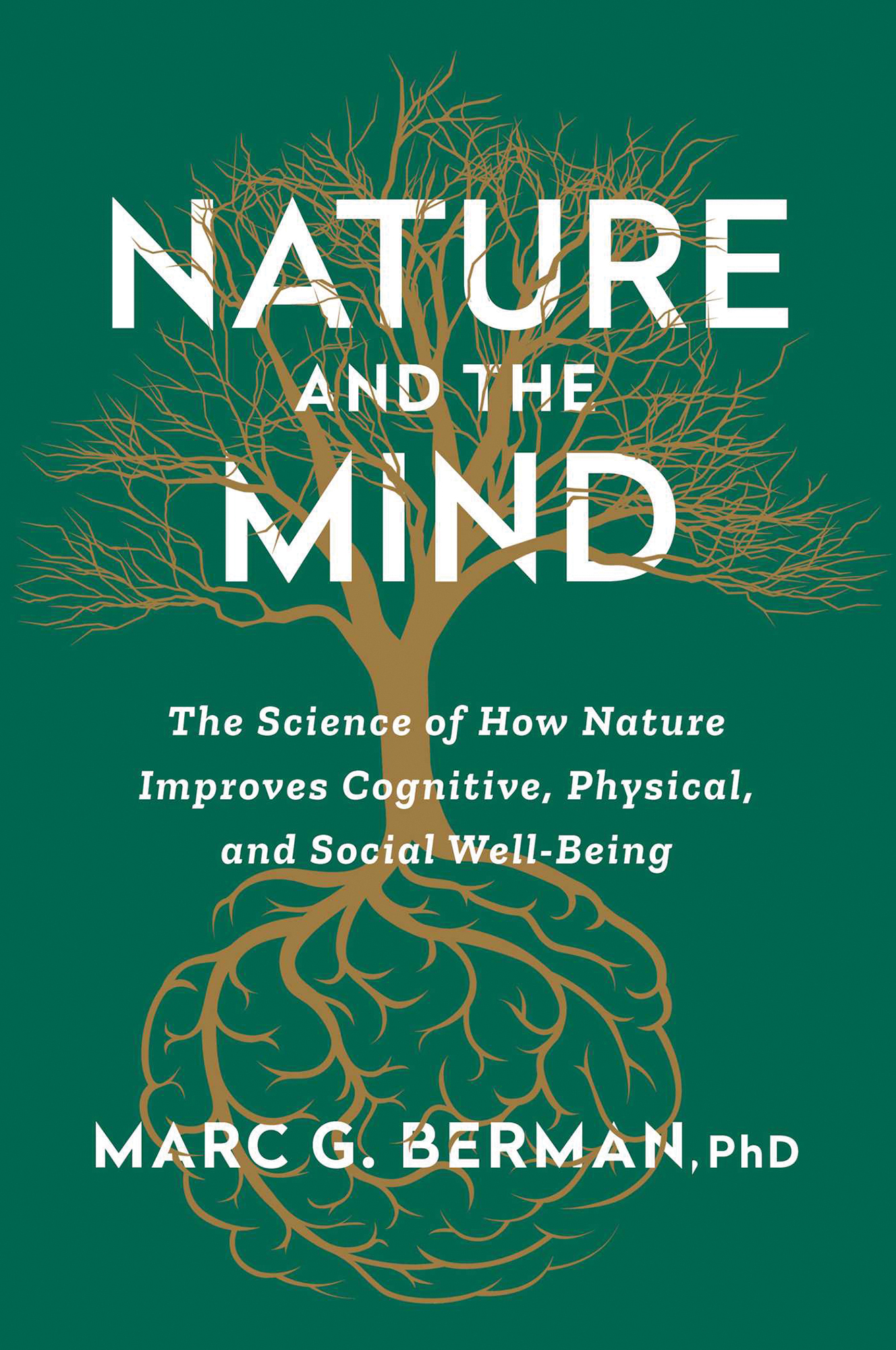
In 2018, Florence Williams’s The Nature Fix showed science behind some of the positive effects of the natural world on human health. Now, neuroscientist Marc Berman takes us deeper, much deeper, into the fundamental wiring proving us creatures of our environment. Berman founded the Environmental Neuroscience Laboratory at the University of Chicago, and Nature and the Mind is heavier on science than anecdote. That science is compelling. One example: his experiments show we are drawn to curved lines, differing colors, and fractals, all elements of nature. When we add those elements to our built environments—like hospital rooms with views of trees—the outcomes are overwhelmingly better for us.
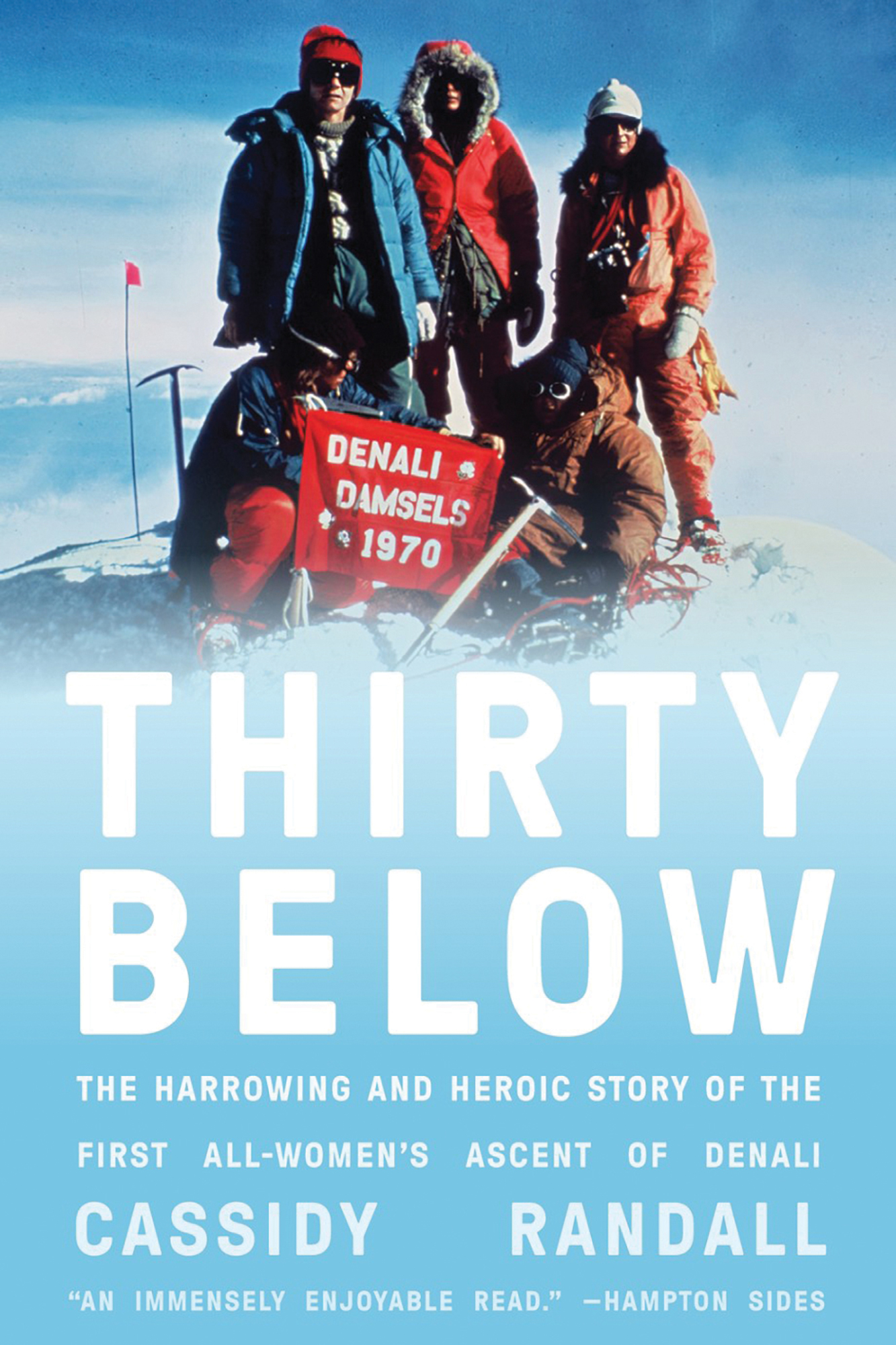
Yes, gender is critical to the story of the 1970 Denali Damsels expedition on North America’s tallest summit. The six women just wanted to climb mountains, and in the late 1960s they had to fight male misogyny and suspicion to do so. But Thirty Below is a gripping tale of human striving, where combustible personalities face off at high altitude, with life and death at stake. Author Cassidy Randall skillfully weaves the traditional elements of an alpine epic—the shredded tents, the frozen toes, the dank snow cave—with the more fascinating account of radically different people trying to form a team (maybe) to get what they want, in one of the world’s most inhospitable environments, where true selves are exposed in the wind.
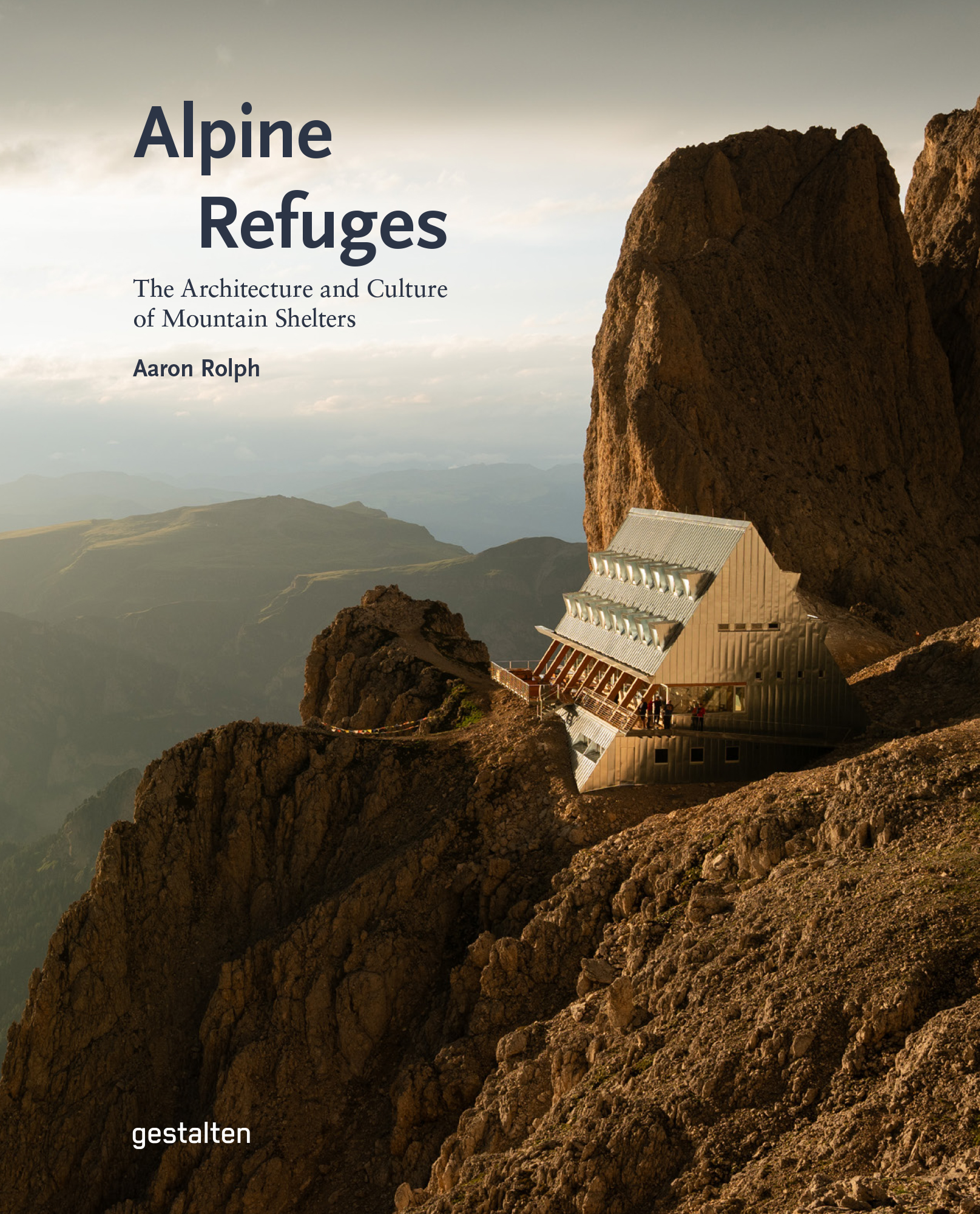
In the hands of Europeans, a mountain hut is more than shelter. It’s an expression of centuries of culture and intimate knowledge of life in the continent’s highest peaks. The photo-dense Alpine Refuges offers a tour of some of these site-specific architectural gems, thirty-four in all, from the tiny and modernist Bivacco Gervasutti in Val Ferret, Italy, to the stunningly situated Rifugio Passo Santner farther east in the Dolomites. “An effort was made to include a global selection of mountain huts,” author Aaron Rolph writes, but only two are outside Europe and just one is in North America, Canada’s Jim Haberl Hut. It’s a reminder of what higher ambitions and a head start can get you: a bucket list of radical roofs to place over your head.
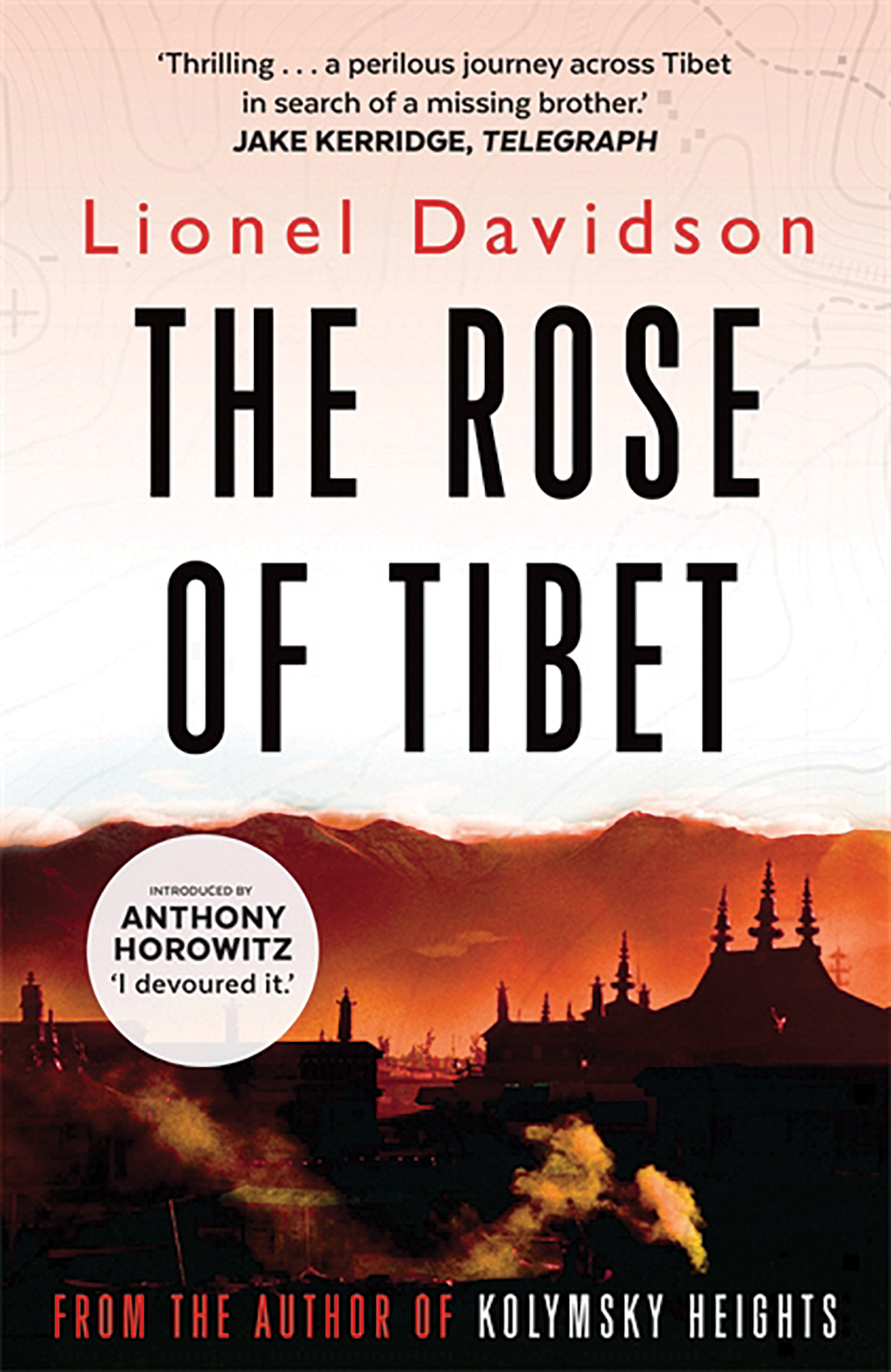
The time is the early 1950s. The place is Central Asia. The backdrop is geopolitics, with the great powers of Britain, China, and others wrestling in the shadows for influence over India, Tibet, and Nepal. Into this cauldron stumbles fictional London art teacher Charles Houston, who is searching for his brother, who disappeared on a film shoot in the Himalaya. Houston is a heavy drinker, enamored with women, unprepared for expedition or adventure, and yet he finds himself at the center of intrigue, lost treasure, and forbidden love. To locals, he is the embodiment of a prophecy and a bad omen; to officials, he is a nuisance and a threat. For readers, he’s the protagonist of a tale still rollicking sixty years after it was written.
41 issues. 10 years. Independently owned. Printed on 70lb uncoated paper with a soft-touch cover, solar-powered, and shipped in a brown paper envelope. Free domestic shipping.