Recommended Reading
Wilderness as commodity, homesteading in the Driftless, the worst birds alive, vanishing Indian landscapes, life at Denali Basecamp, and the ethics of conservation
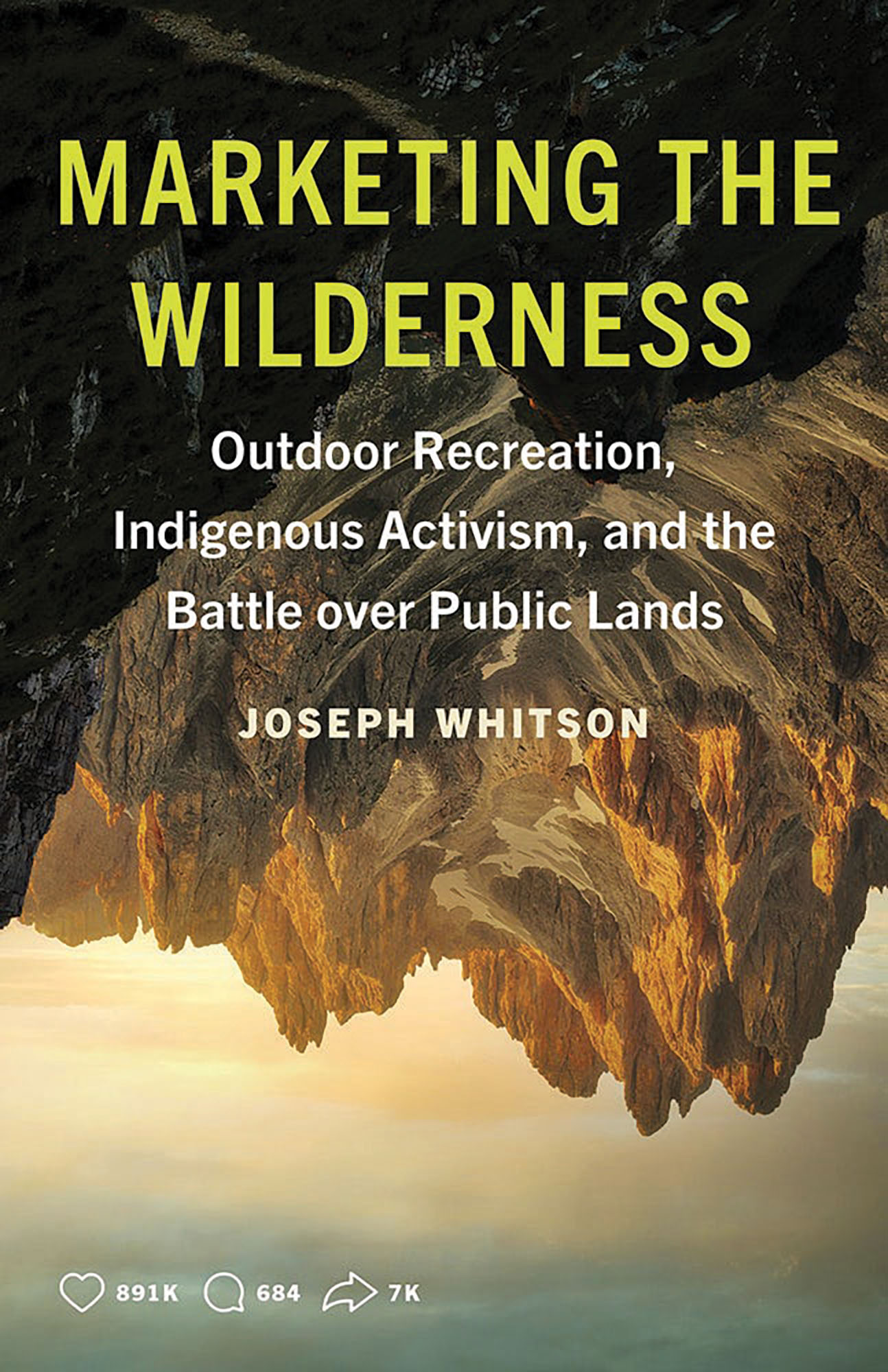
Marketing the Wilderness is a timely, far-sighted polemic that critiques the outdoor recreation industry’s myth of “untouched” wilderness and its erasure of Indigenous peoples and history from public lands. Author Joseph Whitson, a hiker and historian, explores the laws, policies, and storytelling that commodify land—from Patagonia’s advertising to social media hashtags—while highlighting Indigenous activism around efforts like the Land Back Movement and conservation of Bears Ears National Monument. Drawing from his experiences working in both state parks and outdoor marketing, and as a big believer in the transformative power of time spent outside, Whitson doesn’t pretend to know all the answers, but he does make an enthusiastically persuasive case for challenging outdoor lovers to break new trail.
Inspired by the idea of living lightly on the land, Tamara Dean and her partner left their office jobs to live on a farm among the limestone bluffs and spring-fed streams in the Driftless area of southwestern Wisconsin. Surrounded by industrial agriculture, they sought a self-sufficient life, growing pumpkins, garlic, and long rows of popcorn; experimented with pedal-powered and hand-cranked machines; and built a home from earth blocks made out of their own clay subsoil. They encountered blue-glowing fireflies, a community of hard-working neighbors, and brilliantly starry skies, but they also faced financial heartbreaks, record-setting floods, and unprecedented tornadoes. In the tradition of Wendell Berry, Dean’s essay collection reflects on human connections, history, and ecology, urging readers to pay attention to everyday wonders.
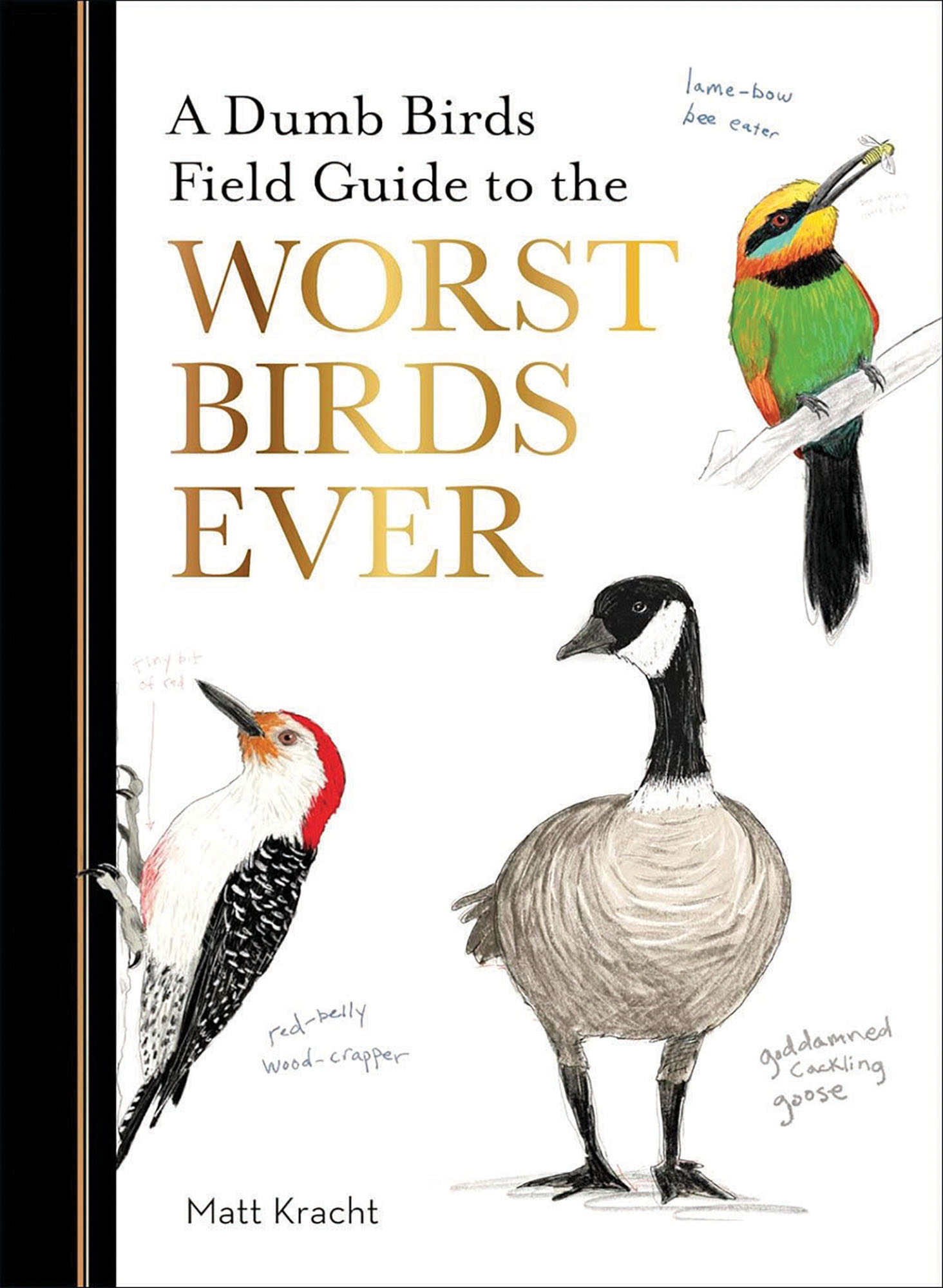
As the author and illustrator of The Field Guide to Dumb Birds of North America and The Field Guide to Dumb Birds of the Whole Stupid World, Matt Kracht is out to prove that birding can be funny. In case you’ve missed his nationally bestselling series, now you can join the laugh-out-loud snark with Worst Birds Ever, his newest ode to the natural world. With his trademark irreverence and hilarious illustrations, he describes fifty of the most terrible birds to grace the skies, highlighting each bird’s most obnoxious traits, complete with an original scientific scale proving just how awful these birds are. As he writes in the Introduction, “Birds are the worst…and THESE birds take the fucking SHIT-CAKE!” Kracht, a self-proclaimed “professional birding amateur,” offers a delightful break from traditional, all-too-serious field guides.
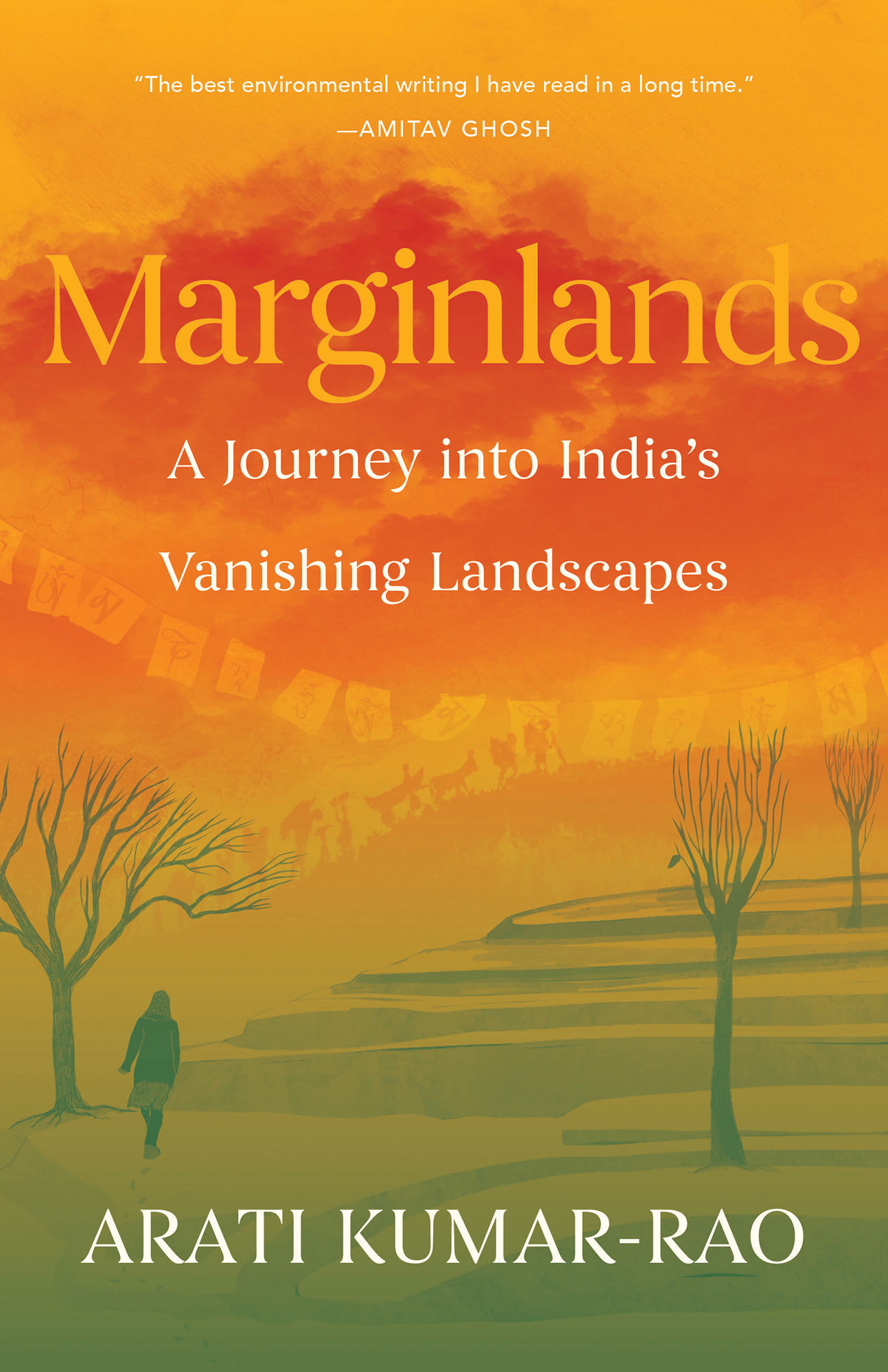
In Marginlands, National Geographic Explorer Arati Kumar-Rao chronicles India’s imperiled natural environments and the disappearing traditions of their human and more-than-human inhabitants. Raised in Mumbai with a love for nature, public transit, and literature, as an adult Kumar-Rao felt unmoored at her corporate job, disconnected from the mountains, coastlines, and wildlife of her own country, so she quit her job and set off to explore India’s changing landscapes. From the Himalaya—terrain that many climbers and trekkers will recognize—to the Bay of Bengal’s mangrove forests, her chronicle intertwines awe for nature’s resilience with urgent commentary on climate change and unchecked development. Praised for its empathy and poetic prose, Marginlands offers a vivid, inspiring call to protect India’s ecological riches, highlighting both the challenges and hope that lie ahead.
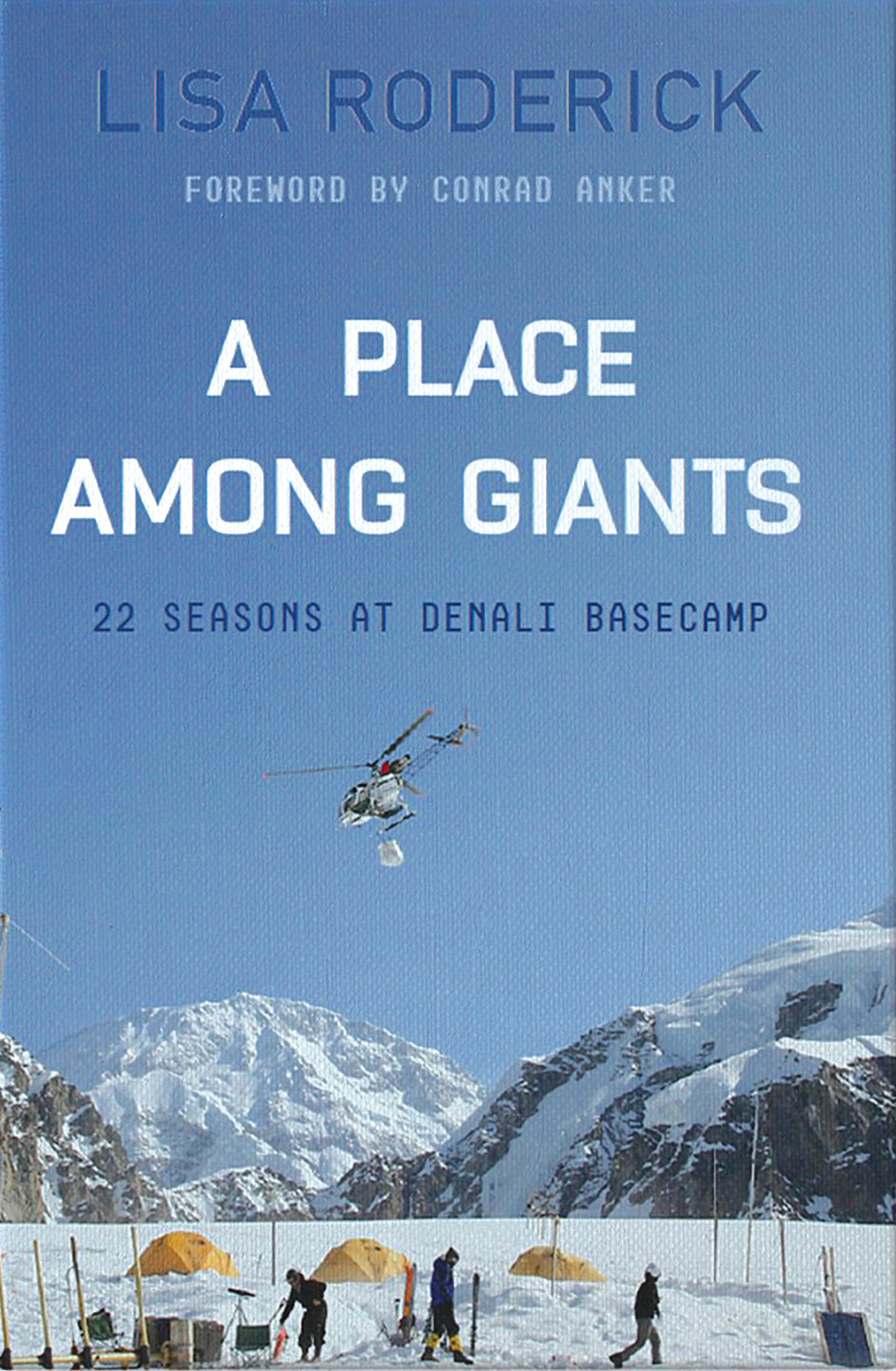
Denali Basecamp, located at 7,200 feet on the Kahiltna Glacier in the Alaska Range, serves as the starting point for climbers attempting to summit Denali, North America’s tallest peak. Surrounded by the jagged towers of Mount Hunter and Mount Foraker, it’s a remote outpost accessed by small aircraft that land on a snow-covered runway. Each year, about twelve hundred climbers and thousands of flightseeing tourists pass through, and they all rely on the wisdom and skills of one woman. Lisa Roderick, who has worked at the basecamp for over two decades, oversees the daily operations—coordinating emergency responses, maintaining the runway in harsh conditions, and monitoring the weather, which can change from blue skies to a life-threatening squall in minutes. In this memoir, Roderick reflects on her journey from rural Connecticut to the Alaskan wilds, taking you along on her day-to-day at one of the most rugged places on earth.
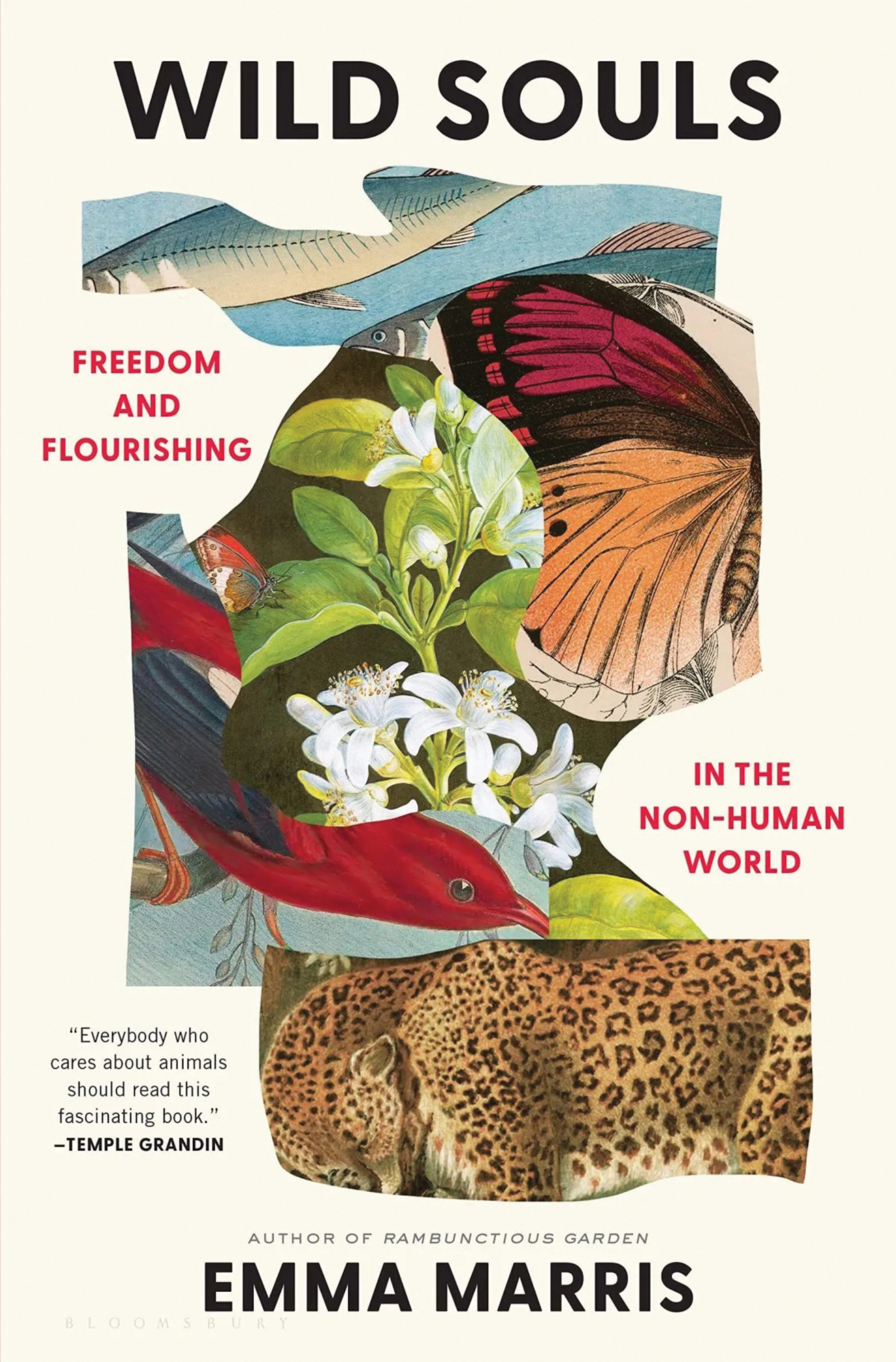
Winner of the 2022 Rachel Carson Environment Book Award and the Science in Society Journalism Award, Wild Souls carefully traces the blurry lines between extinction, biodiversity, and conservation. It explores how we view animals differently based on whether they are rare or common, wild or domesticated, native or “invasive.” Combining science, philosophy, and animal behavior, Emma Marris draws upon folklore, cutting-edge genetics research, and her own adventurous travels to remote corners of New Zealand, the Amazon rainforest, Hawaii, and beyond. In our efforts to reintroduce species or protect one animal over another, who do we take care of, and whom do we kill? Wild Souls is a difficult, thought-provoking, and necessary read.
42 issues. 11 years. Independently owned. Printed on 70lb uncoated paper with a soft-touch cover, solar-powered, and shipped in a brown paper envelope. Free domestic shipping.