Recommended Reading
Road ecology, the neuroscience of navigation, a sailor’s sea memoir, and California’s painted deserts
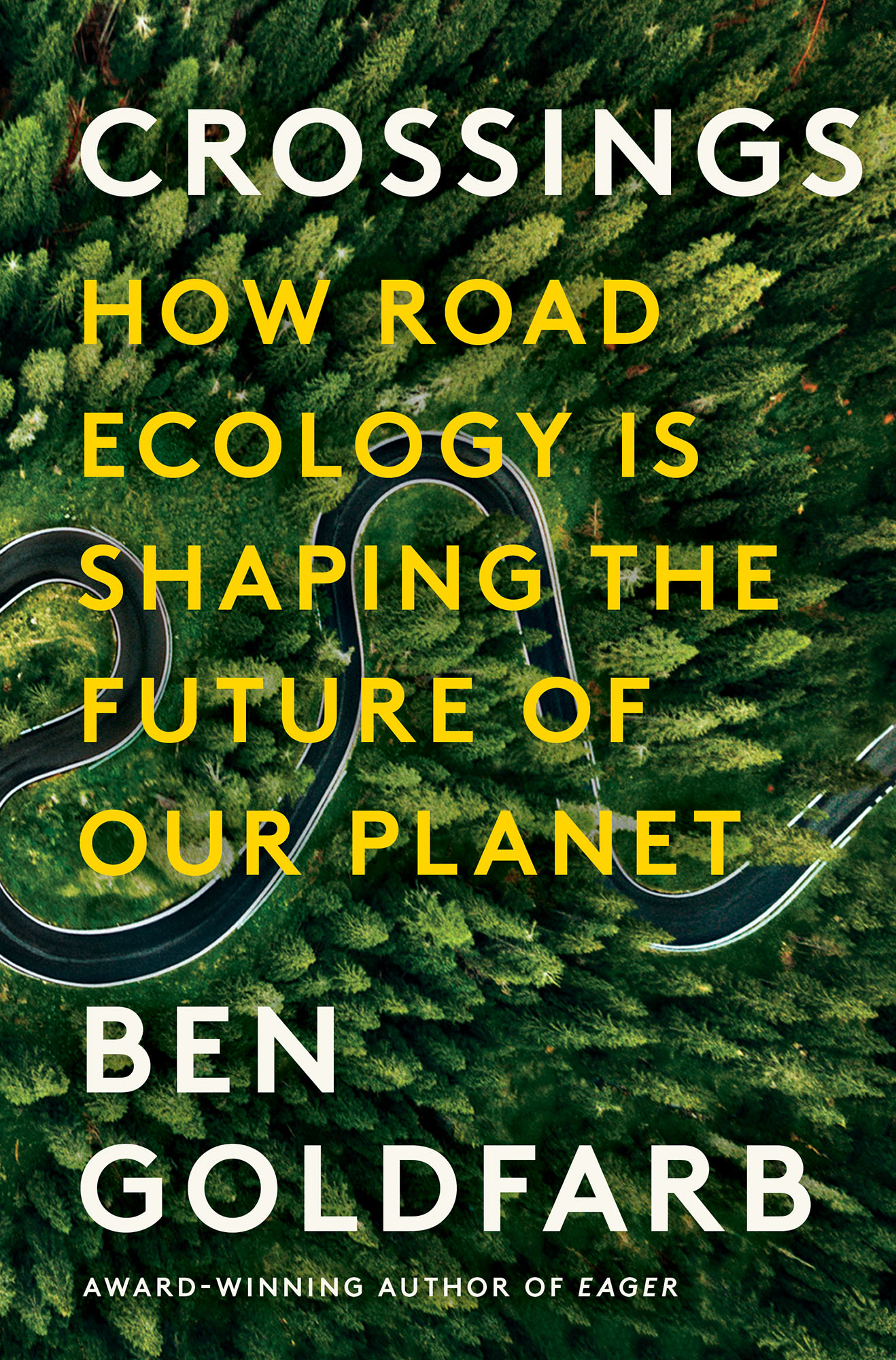
In Crossings, prize-winning journalist Ben Goldfarb explores how the earth’s forty-some million miles of roads have changed our world. In the U.S., an estimated one million animals a day are killed by traffic, more than the effects of poaching, dams, or oil spills. And that doesn’t include less-obvious harms, like the impact on grizzly bear migration or the spread of road salt into waterways. Yet, despite bleak news, there is light at the end of the tunnel, and it’s not a train. Goldfarb profiles ecologists, urban planners, and tribal members who are pioneering solutions, like dismantling old logging roads and creating animal-friendly infrastructure, such as the wildlife bridge in Washington where elk were recently spotted playing in the snow. A combination of meticulous research and witty, enthusiastic writing, Crossings is the best kind of environmental storytelling: You’ll learn something new on every page, meet fascinating characters both human and animal, and come away inspired.
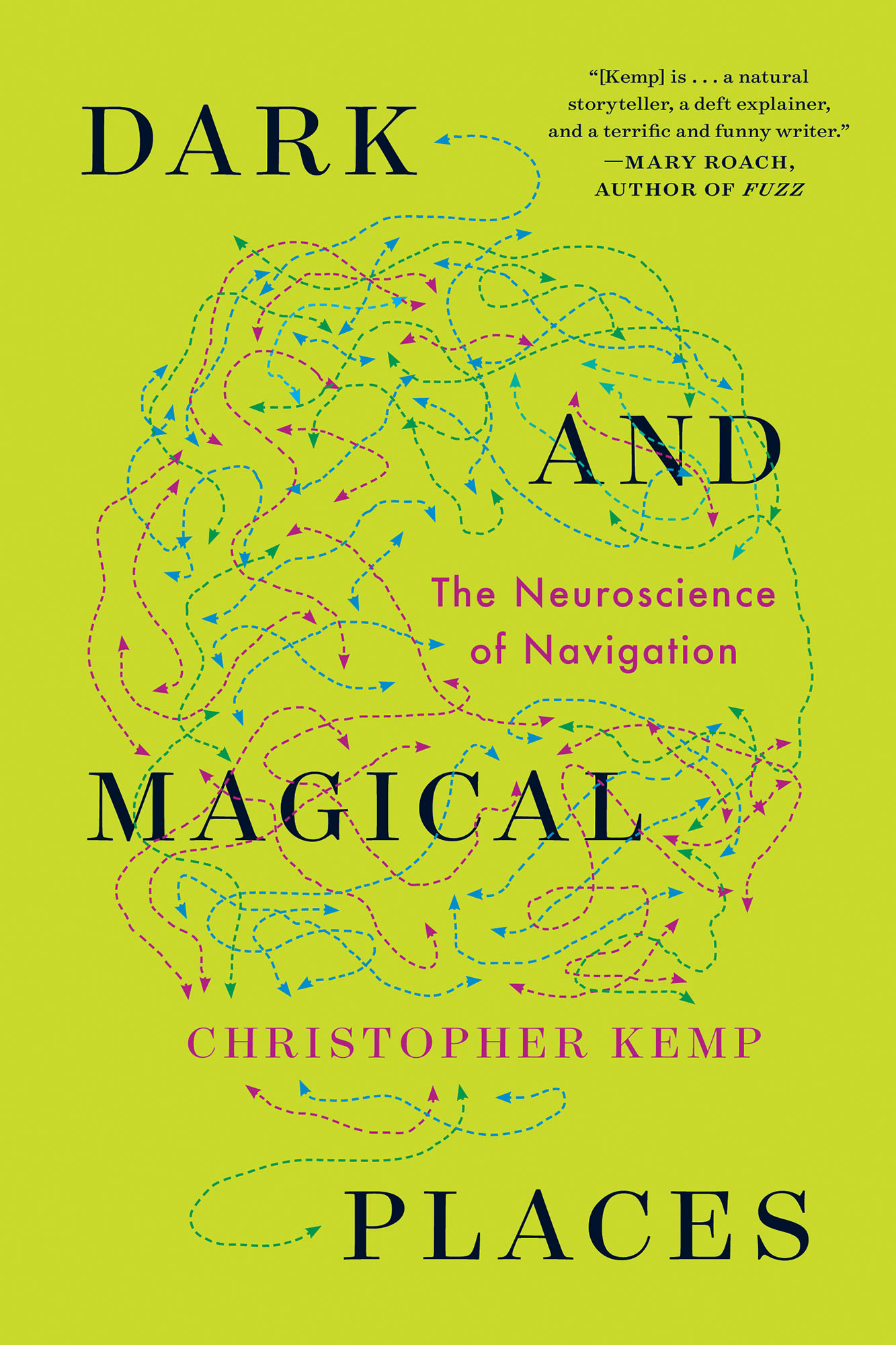
“Mama, we’re lost,” whispers my three-year-old daughter, looking equal parts scared and delighted. Lately, she seems captivated by the idea. As author Christopher Kemp, a molecular biologist specializing in neurodegenerative diseases, explains in Dark and Magical Places, there is good reason to marvel at the concept of losing your way. Kemp explores the science and wonder of human navigation, from the remarkable wayfinding skills of Indigenous hunters to the spatial challenges faced by people with brain injuries. He reveals we all carry a mental map of the world, regardless of our sense of direction, and shows our ability to navigate is a brain development predating the use of language. Indeed, perhaps surprising for those who can’t remember to go left or right, navigational skills are an integral part of being human. Challenging the modern reliance on GPS and turn-by-turn directions from our phones, Dark and Magical Places makes a compelling case that getting lost can be profound and enriching, and it encourages readers to rediscover the joy of embracing the unexpected—like a three-year-old, perhaps, for whom almost everything is new.
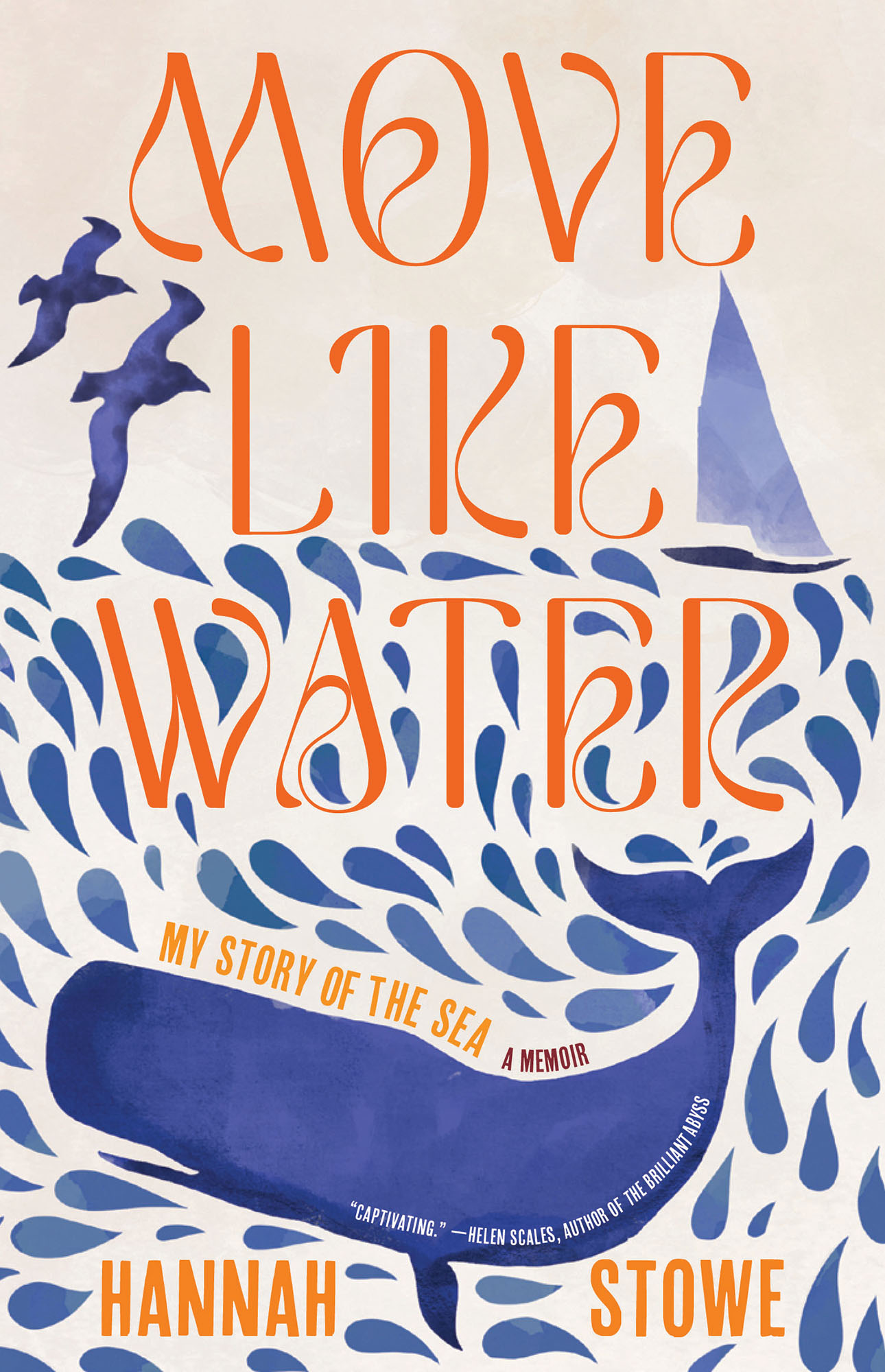
Hannah Stowe grew up surrounded by salt spray on the coast of Wales, her childhood spent in close rhythm with the tides. Later, stuck inside school and pondering a career, she wondered how to keep raw nature in her daily life. In her memoir Move Like Water, Stowe, now in her twenties, reflects on her journey to becoming a marine biologist and open ocean sailor, intertwining her personal narrative with vivid natural histories of sperm whales, albatrosses, barnacles, and more. Star-studded, sunlit, smelling of the sea, this is a love story about the pursuit of dreams, a book for all who wonder what’s beyond the horizon.
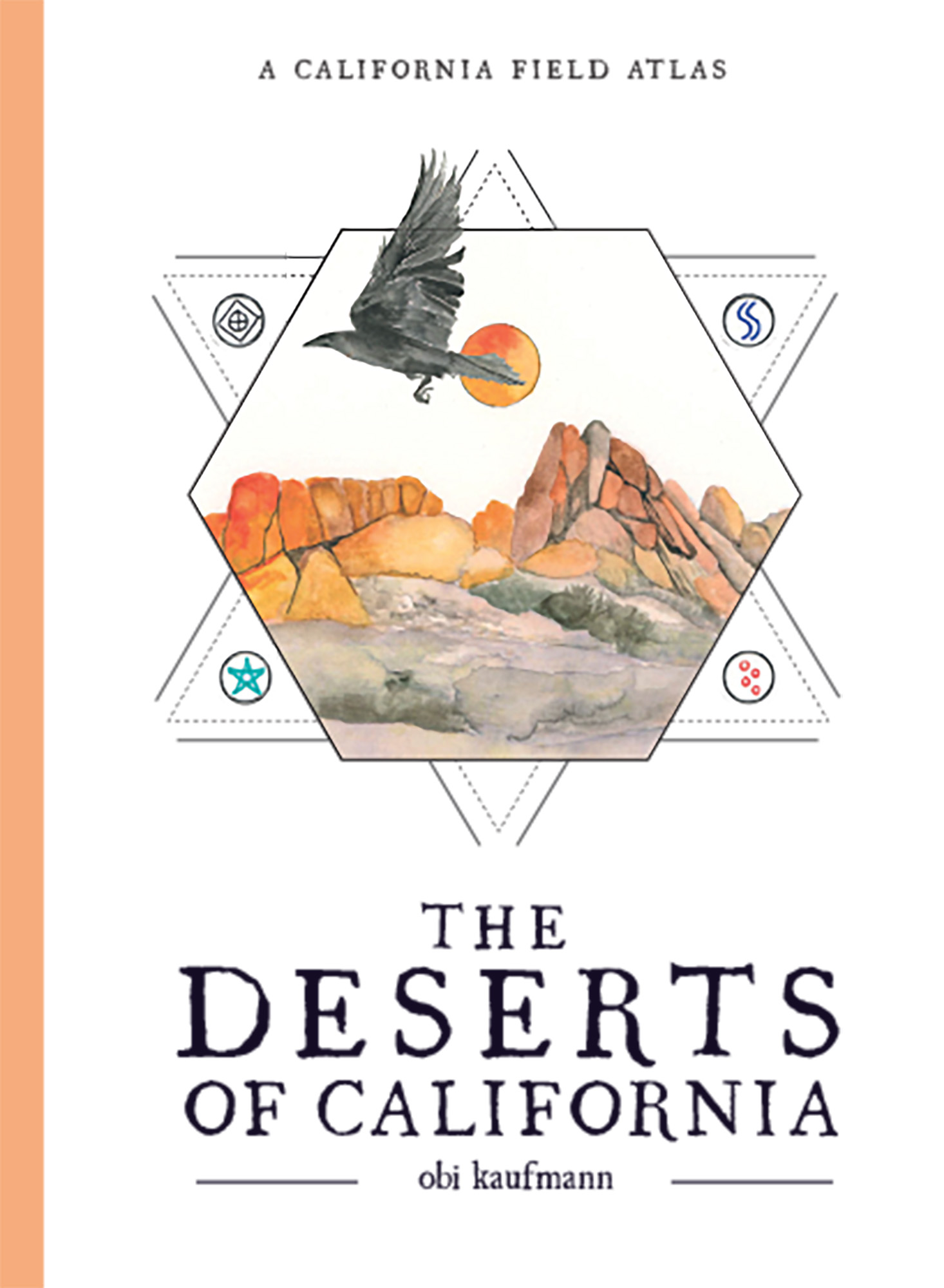
The Deserts of California is the final volume of painter-poet Obi Kaufmann’s California Lands Trilogy, which includes The Forests of California and The Coasts of California. Together, these books offer a comprehensive and captivating journey through the diverse ecosystems that make up the Golden State. More than just field guides, to open these pages is to step into the world of Kaufmann’s radically imaginative vision of nature and our place within it. Filled with four hundred watercolor illustrations of birds, trees, maps, and more, The Deserts of California blends art and science to delve into the deep ecology, culture, and natural history of California’s desert landscapes, including the Sonora, Mojave, Colorado, and Great Basin deserts, as well as the delicate arid micro-ecosystems that thrive in between. The book immerses readers in some of the West’s most resilient yet fragile ecosystems, and Kaufmann’s deep connection to these landscapes roots his work in blood, sweat, and hope.
42 issues. 11 years. Independently owned. Printed on 70lb uncoated paper with a soft-touch cover, solar-powered, and shipped in a brown paper envelope. Free domestic shipping.