Nomadic wandering, guerrilla gardening gone wrong, walking across Arizona, and Africa’s thousand-year surf culture
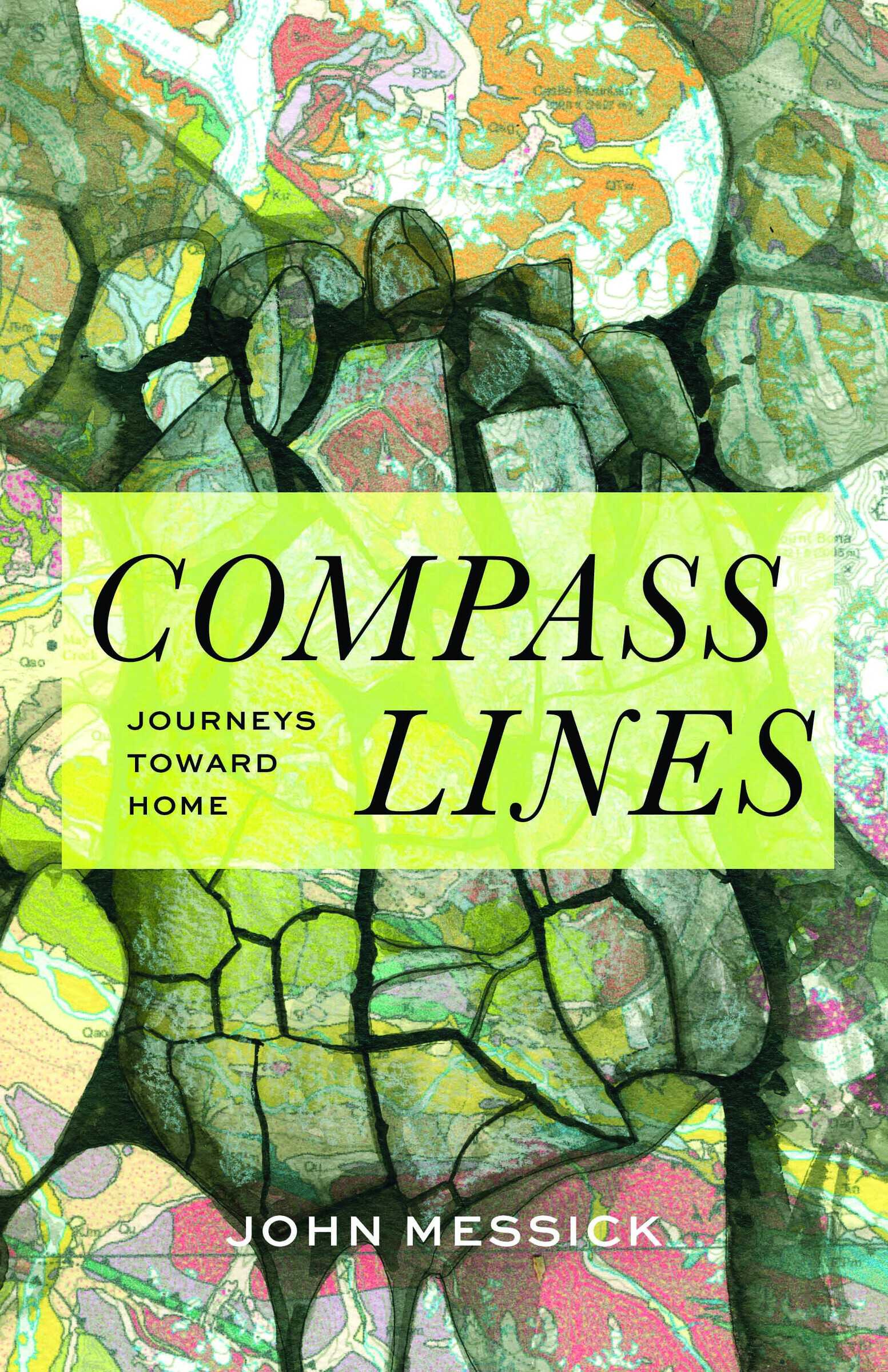
In between seasonal work (trail building, conservation, a stint in Antarctica), John Messick spent a great deal of time roaming about the world by canoe, bike, and foot. Originally from the Midwest, for him the pursuit of an “ordered lifestyle,” including a steady career or a house, felt not just unappealing, but impossible. Instead, Messick heeded the call of “nomadic living as a moral imperative,” often with little more than an old backpack, a book of poetry, and a journal, ranging from Florida’s mangrove swamps to the Mongolian steppe to Alaska’s sublime, ragged wild spaces, where he eventually put down roots and became a father. In this essay collection of memoir-soaked travel writing, he explores the tenuous boundaries between stillness and movement, home and away, belonging and being an outsider. Published by North America’s most remote publishing house, Compass Lines spins an authentic, hard-earned meditation on the art of wandering and a well-examined life.
From the Booker Prize-winning author of The Luminaries comes the provocative, everybody’s-talking-about-it Birnam Wood. Set on New Zealand’s South Island, the novel revolves around a utopian collective founded by Mira Bunting, a charismatic young activist. Mira and her cohorts practiced guerrilla gardening on unplanted land, both public and private, scraping by for years, when an unoccupied farm catches their attention. It turns out the property is owned by Richard, an American billionaire building a doomsday bunker, who makes a surprising offer to sponsor Mira and her community financially. Can the anarchists and a capitalist work together? Desires flare and ideologies clash—at some point, people start dying. Part eco-thriller and part socio-economic study, Birnam Wood is at turns philosophical, funny, and horrifying. At four hundred-plus pages, it develops slowly, but as with any long approach, just pace yourself—the views at the summit are oh-so worth it and will stay with you long after you’re done.
Despite being a fifth-generation Arizonan and a longtime Arizona Republic newspaper reporter, Tom Zoellner had a nagging feeling he didn’t truly understand his home state. He yearned for a closer look, to peer beneath the superficial surfaces of highways, sprawling suburbs, and frantic headlines about border walls and extreme politics. And so, he set off on foot at the Utah border, walking over the Kaibab Plateau, into the Grand Canyon, around the Superstition Mountains, up and over a series of ranges, on and on across the state through juniper shadows, redrock country, and searing desert to Mexico. Zoellner, who won a National Book Critics Circle Award for his last book, brings together new tales of this oft-misrepresented region, weaving stories from immigrant history to today’s Navajo Nation, and from boom-and-bust mining to thriving foodways. Rim to River sings of ghosts, dreams, and survival, reimagining what the far corner of the American West once was, and what it is yet to become.
For all who believe surfing was introduced to Africa in the 1960s, when The Endless Summer’s crew visited Ghana’s Labadi Beach, or who think a rich surf culture is unique to places like Southern California and Australia’s southern coast, this book proves otherwise. Through photographs, history, profiles of today’s most influential surfers and skaters, recipes, even a mini-comic, the groundbreaking Afrosurf reveals the hyper-colorful surf scene from Cape Verde to Somalia to South Africa and well beyond. The first-known written account of African surfing comes from 1640, and the book shares how today’s surf culture stems from oceangoing traditions stretching back a thousand years, to generations of strong swimmers and fishermen who understood sea patterns and crewed surf-canoes for economic necessity as well as a way of life. Created by Mami Wata, a Cape Town surf company, Afrosurf is a stunning object of art and a love letter to surfing as a force for good. By Emily White
41 issues. 10 years. Independently owned. Printed on 70lb uncoated paper with a soft-touch cover, solar-powered, and shipped in a brown paper envelope. Free domestic shipping.