Recommended Reading
Micro-expeditions, reality survival, Cormac McCarthy’s return, and the ocean as muse
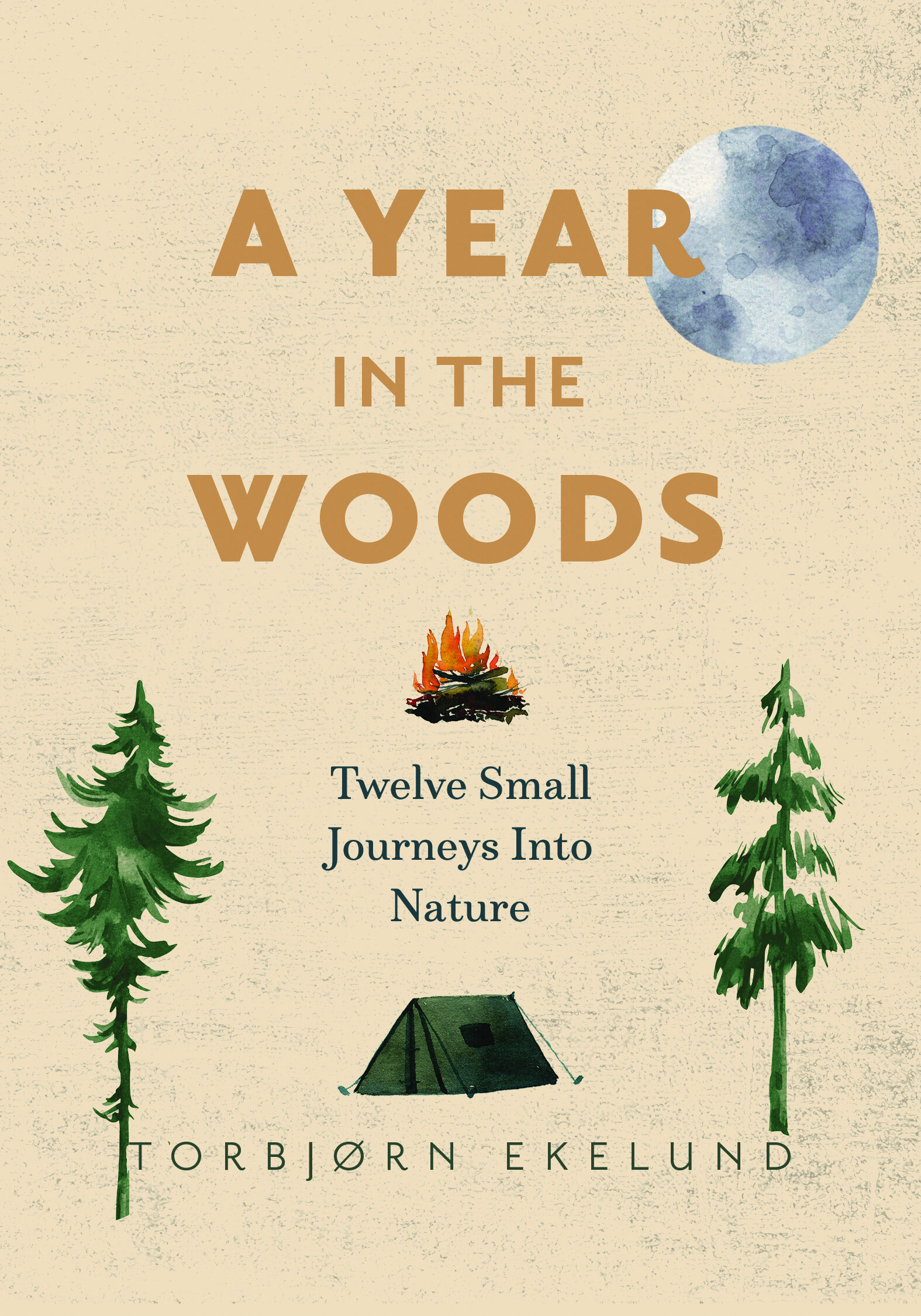
Norwegian writer Torbjørn Ekelund yearned for the nature-filled days of his youth, when he read and dreamed about the world’s great explorers. But with a family, job, and full urban life, his outdoor time was limited. So he set upon a “micro-expedition,” committing to solo camp one night a month for an entire year. The trip routine was to work until lunchtime, grab his backpack and drive to the closest forest, and return home by morning—a modified twist on Thoreau’s cabin retreat. As with his first eloquent book, In Praise of Paths, Ekelund’s playful sense of philosophical wonder makes A Year in the Woods a contemplative delight, inviting us to slow down and consider our own close-to-home adventures. Threaded with humor and practical inspiration, this book is as cozy and warming as your favorite wool sweater, a perfect match for long winter nights.
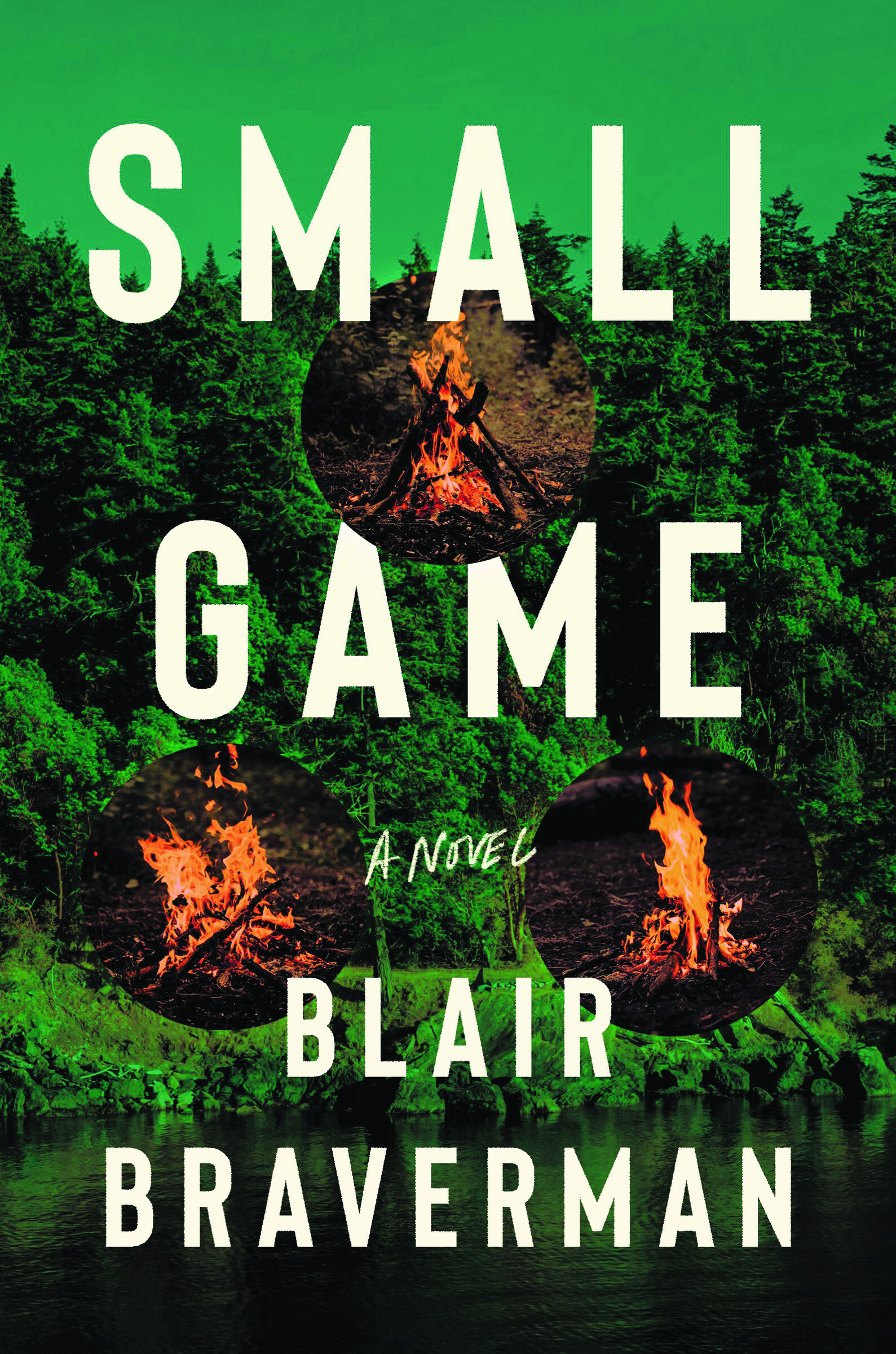
Adventurer Blair Braverman’s memoir, Welcome to the Goddamned Ice Cube, earned praise from the New Yorker to O magazine. Now, she’s drawn upon her wilderness experiences to write a novel about a reality survival show gone violently wrong. Mara, who grew up off-grid with survivalist parents, Kyle, an earnest Eagle Scout, Ashley, a beautiful woman hungry for fame, and two other contestants are given brown tunics, blindfolded, and helicoptered deep into the boreal Northwoods. There’s a hundred thousand dollar prize for anyone who lasts six weeks, though it’s all just a game, right? Until it becomes life or death. More than mere thriller, Small Game is topical and unnerving, a keen reflection of modern society and timeless wild desires.

After a fifteen-year absence, a giant of American literature is back. Cormac McCarthy, the famously private author of acclaimed novels Blood Meridian and All the Pretty Horses, has two new intertwined novels. The Passenger, set in 1980s New Orleans, shares the story of Bobby Western, an eccentric Gulf Coast salvage diver. The follow-up, Stella Maris, takes readers into the genius yet struggling mind of Bobby’s sister, Alicia, as she undergoes psychiatric treatment. For any other writer, these premises might be far-fetched. But McCarthy is known for wringing truths from enigmas, and his comma-averse, energetic descriptions have a way of burrowing into your consciousness. I think of a sleepless night in Pinnacles National Park, wide awake in my tent, after my friend remarked the surrounding fog reminded him of The Road, McCarthy’s last novel-turned-Hollywood film. To read him is to embark on a journey of no return—settle in and bring your headlamp.
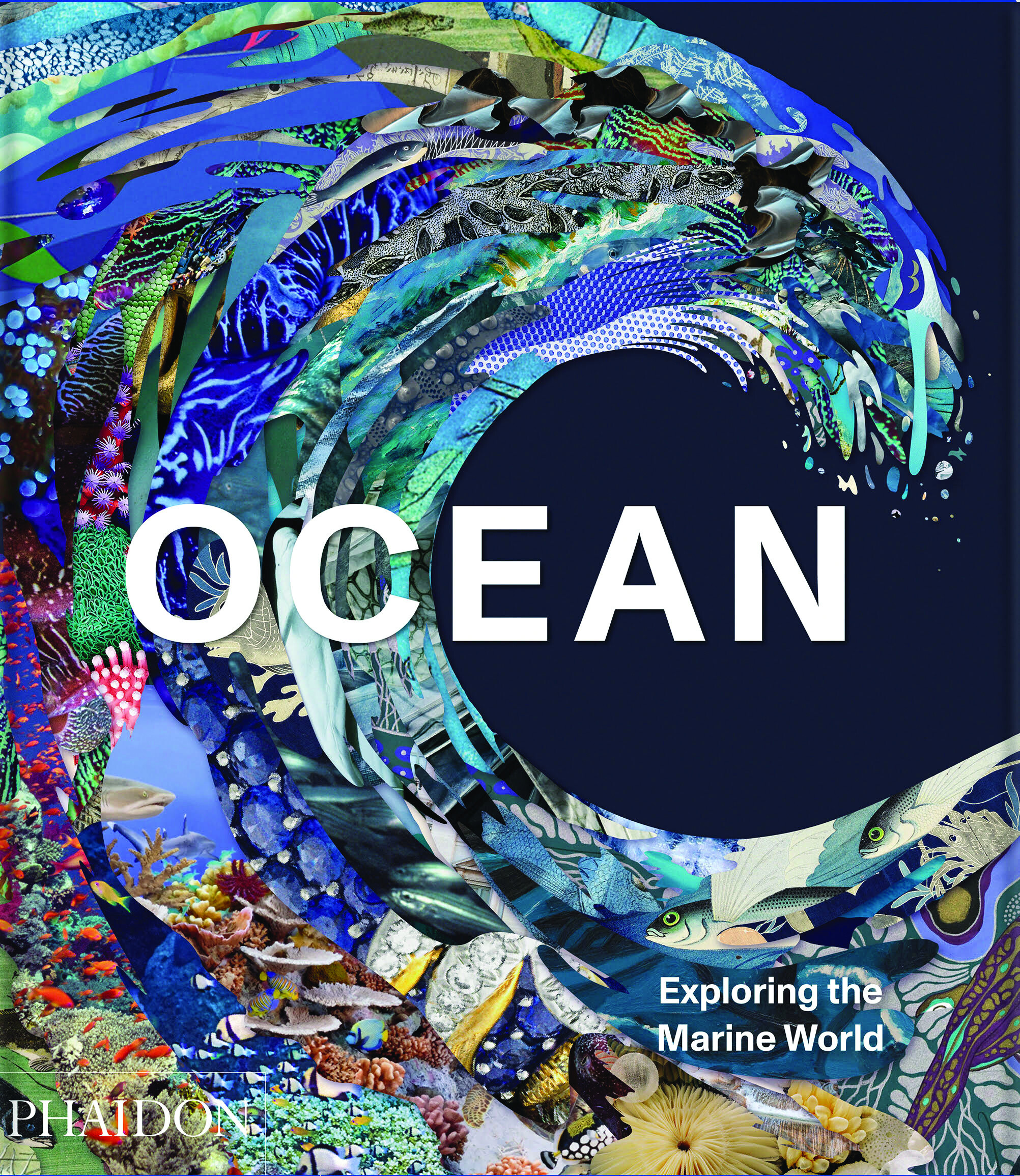
Combining art, history, and science, this massive coffee-table book evokes the ocean’s universal pull on the human spirit. It’s easy to submerge yourself in these pages, whether you pause at an Aboriginal rock painting of a seabass, an eighteenth-century map of the Indian Ocean, a 1954 film poster for 20,000 Leagues Under the Sea, or a photo of a JIM-suit-clad Sylvia Earle on the seafloor, ethereal in the inky blue. Spanning millennia, lesser-known contributors are mixed with cultural icons, including Persian cosmographer Zakariya al-Qazwini, Polynesian navigator Tupaia, woodcut artist Katsushika Hokusai, underwater explorer Jacques Cousteau, and painter Georgia O’Keeffe. In the back, a fascinating timeline appendix starts 4.6 billion years ago, covering expeditions to biological discoveries to surfing. With more than three hundred images in this expert-curated volume, Ocean is a phenomenal tribute to the marine world as muse.
42 issues. 11 years. Independently owned. Printed on 70lb uncoated paper with a soft-touch cover, solar-powered, and shipped in a brown paper envelope. Free domestic shipping.