Yosemite women, an American riverman, red clay identity, and alien intelligence beneath the waves
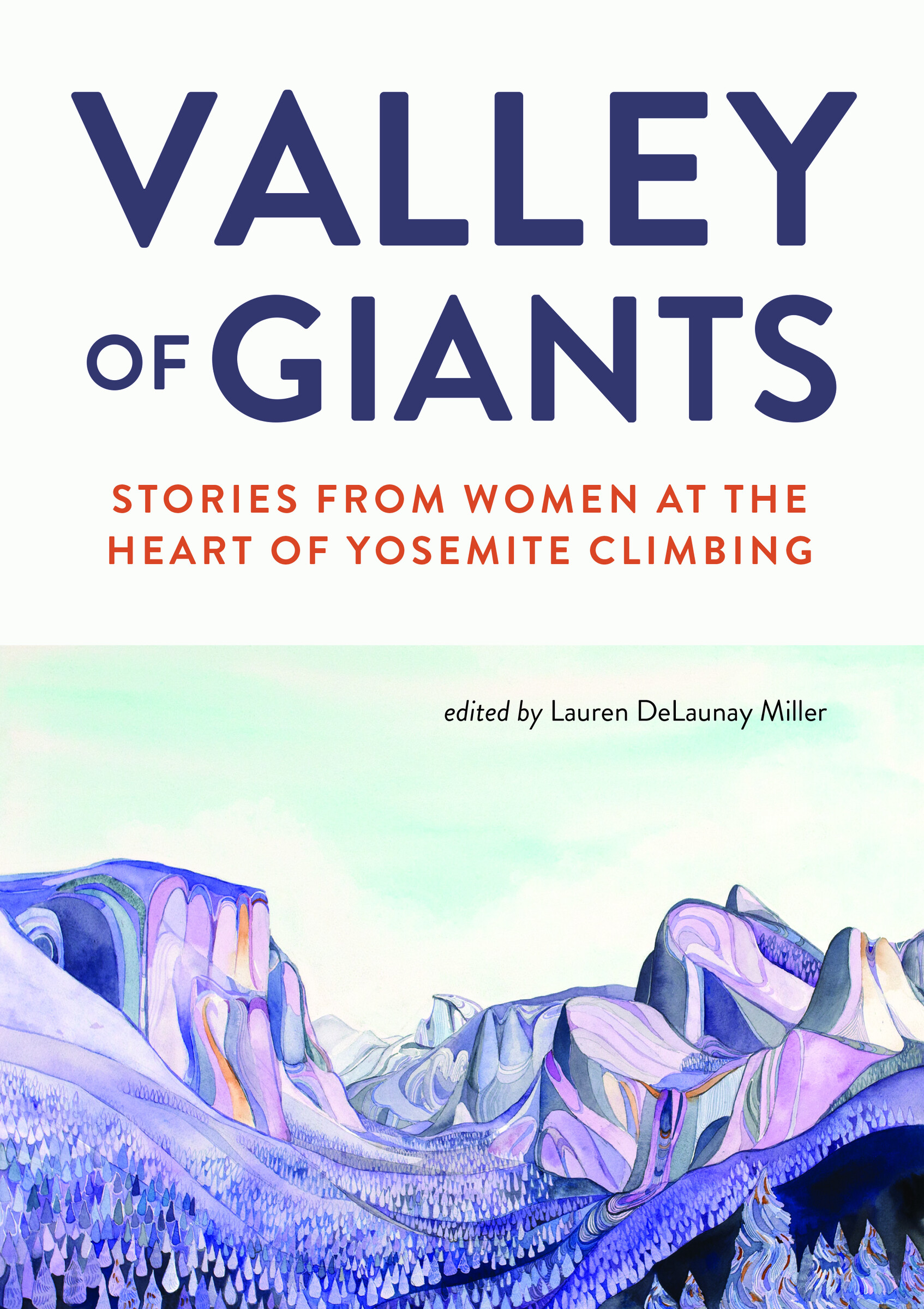
Early in the pages of this overdue oral history and personal testimony by pioneering female climbers in Yosemite Valley, there’s a 1950s photo of Bea Vogel in full ironworker kit before a door labeled “Forge & Foundry.” It’s a reminder that Yvon Chouinard wasn’t the only climber who pounded their own pitons, and that the development of rockwork in this hallowed valley wasn’t created just by men, as lore often suggests. Editor Lauren DeLaunay Miller worked hard to earn the trust of legends, and the payoff is a delightful mix of personal anecdotes, introspection, and new context for past climbs. (Vogel says Warren Harding, pouting about being left off a Half Dome climb, only considered tackling El Cap when she said, “Oh, hell, there are lots of other walls.”) Climbers will reap the most enjoyment from the book, but adventure is woven through every page, as is the genderless aspect of hard work: “The history of Yosemite climbing,” writes Libby Sauter, “is one of submission more than of harmony.”
In 2014, a confluence of chance brought New Yorker magazine writer Ben McGrath into contact with itinerant long-distance canoeist Dick Conant, whom he described as “an unheralded bard of American rivers” with the “build of a manatee” and an endless appetite for telling stories. After a random meeting aside the Hudson River, McGrath wrote a short profile on Conant, who emailed back his pleasure, and then he heard nothing until a few months later, when North Carolina law enforcement rang. Someone had discovered McGrath’s number in Conant’s upside-down, abandoned canoe. Was Conant dead? On foot? McGrath set out on his trail and found, through those who met him and Conant’s own writing, a complex bear of a man, at once intelligent, gregarious, resourceful, warm, and funny, but also a traumatized homeless Navy vet with health issues. His story is compelling from the first meeting to his mysterious disappearance, and it reminds us that while a river makes for a great metaphor, it’s even better as a place to live your truest life.
South-Central Utah is justly praised for its Martian beauty, but tucked out of sight behind the junipers and red rocks is a conservative, Mormon, rural community that too typically shuns what it fears. For Jonathan Bailey, growing up gay and Mormon in Emery County was a source of endless brutality: beatings at school, a church that demonized nonbinary people, parents who couldn’t or wouldn’t understand, and a court system that threatened to lock him up for his differences. Contemplating suicide—”running my fingers down the cold steel of a blade”—Bailey instead walked into the desert, where he found solitude, acceptance, and hope. Red Clay is as proof that nature can provide. “I didn’t need to define what parts of me were female and which parts were male, fractionalizing my identity until it shattered,” he writes. “I could simply be.”
My Octopus Teacher might have alerted us to the idea of a novel alien intelligence beneath the waves, but nothing can prepare you for the profound diversity and unconventional beauty of octopuses, seahorses, and jellyfish seen through the lens of National Geographic photographer David Liittschwager. On facts alone, the animals astound. Sixty-five percent of an octopus’s neurons are outside their brain, in their arms. Female seahorses impregnate males. One species of jellyfish can reverse aging and start its life cycle anew. And yet, Liittschwager’s photos are even more mesmerizing than the facts. Created with a pair of condenser lenses against mostly white backgrounds, they reveal these critters in granular detail, showing an infinitude of texture and pattern, and you can’t help but ponder the consciousnesses staring back. (Except for the jellies, which have no eyes. Or brain. Or blood.) It is a marvel of a book.
42 issues. 11 years. Independently owned. Printed on 70lb uncoated paper with a soft-touch cover, solar-powered, and shipped in a brown paper envelope. Free domestic shipping.