Recommended Reading
A running memoir across stolen land, a Florida panther comeback, a global search for wild foods, and a fish whose fate is ours
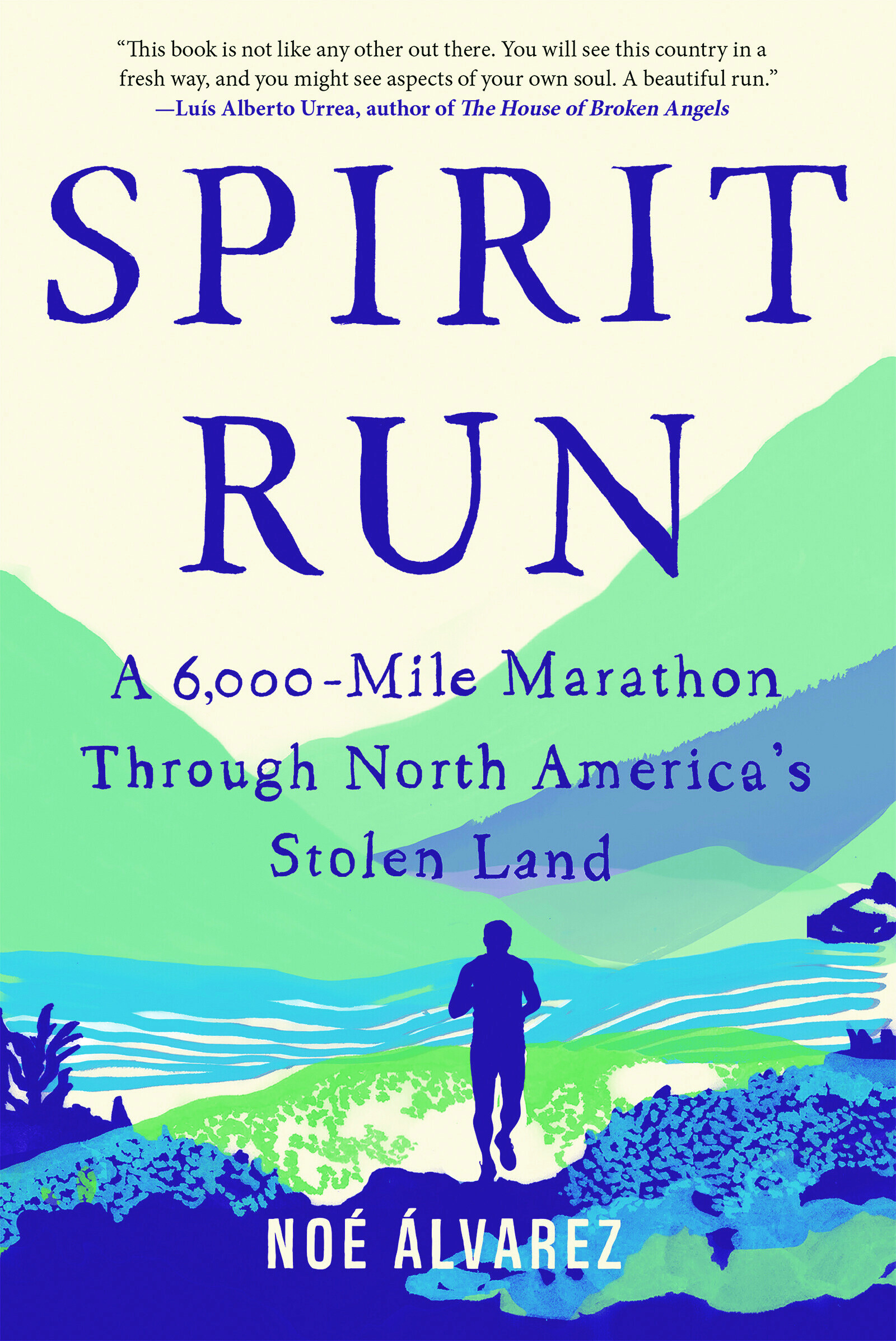
Working beside his mother at an apple plant in Yakima, Washington, teenage Noé Álvarez dreamed of a life different from that of his Mexican immigrant parents. He became a first-generation college student, but struggled until he discovered Peace and Dignity Journeys, a grassroots, months-long marathon that takes Indigenous participants from Canada to Guatemala. Scraped together by volunteers and little funding, PDJ connects runners to the land and Native communities along the way. Sporting neon yellow shoes, one change of clothes, a journal, and a sixteen-hundred-page dictionary—“that, I argued to myself when I packed, contained all the books in the world”—Álvarez struck south from British Columbia with an eclectic band of Dené, Gitxsan, Tohono O’odham, Purépecha, Maya, and Apache runners. Read this soul-searching memoir for a deeper look at the capacity to suffer and transcend through movement, and for a range of real-life characters whose stories will stay with you long after the running ends.
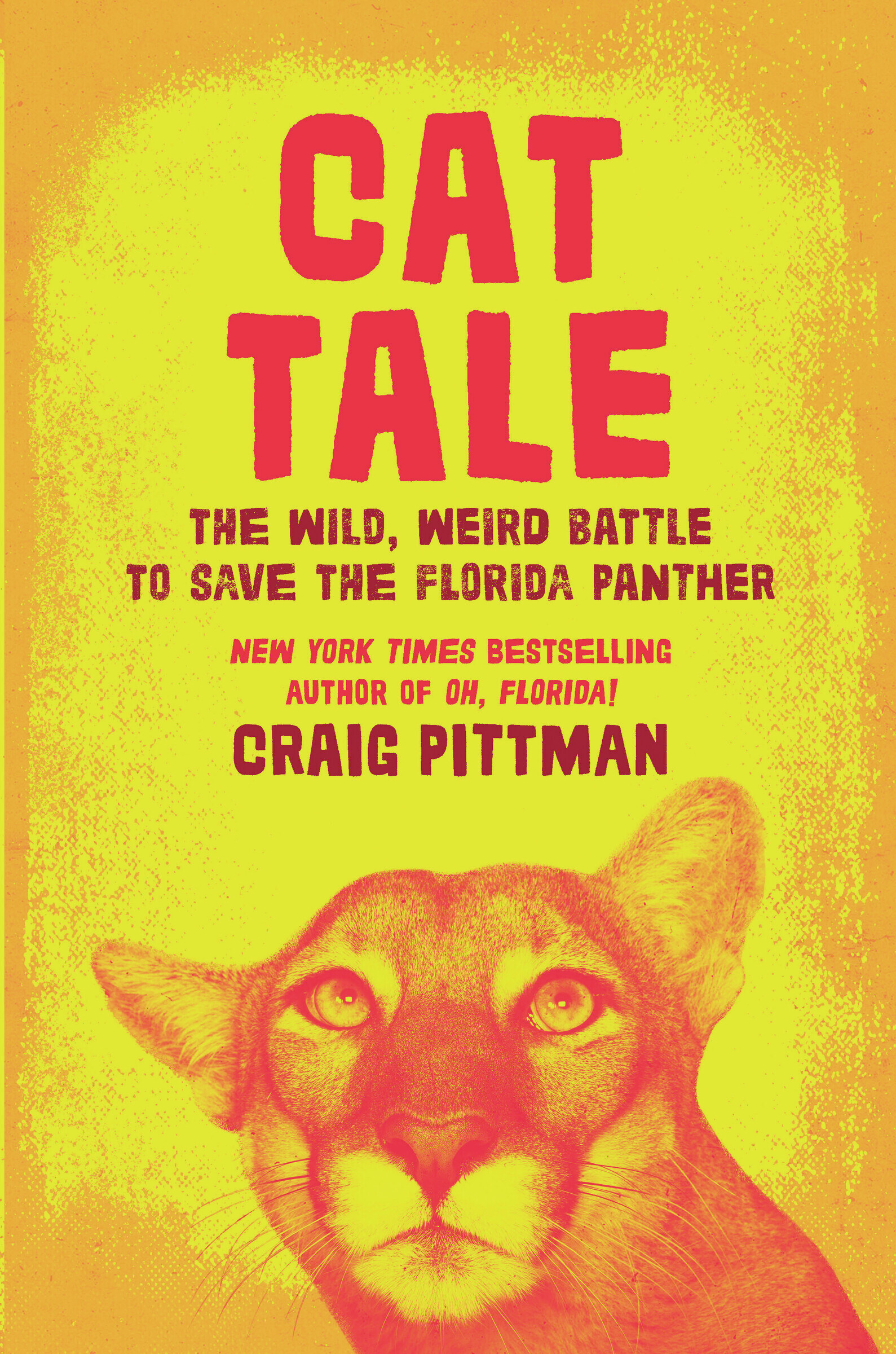
East of the Mississippi, the big cats of North America have been driven to extinction in every state except Florida, where a small population of panthers not only hangs on, but has made an improbable revival. Longtime Tampa Bay Times journalist Craig Pittman spent decades tracking the panther’s story into muggy palmetto thickets and air-conditioned boardrooms to pen Cat Tale, an environmental exposé that reads like a hard-boiled detective novel. We’re talking about the Sunshine State, so there are alligator wrestlers, a bow hunter nicknamed Scuttlebutt, and many murky undrained swamps, but Pittman reports the only-in-Florida fixings with sharp wit and clear affection for his home. If you thought the reintroduction of wolves in Yellowstone was the only major wildlife recovery of late, Cat Tale will inspire you with its cast of heroes, from whistleblowers to biologists to the panthers themselves. Who doesn’t love a good comeback story?
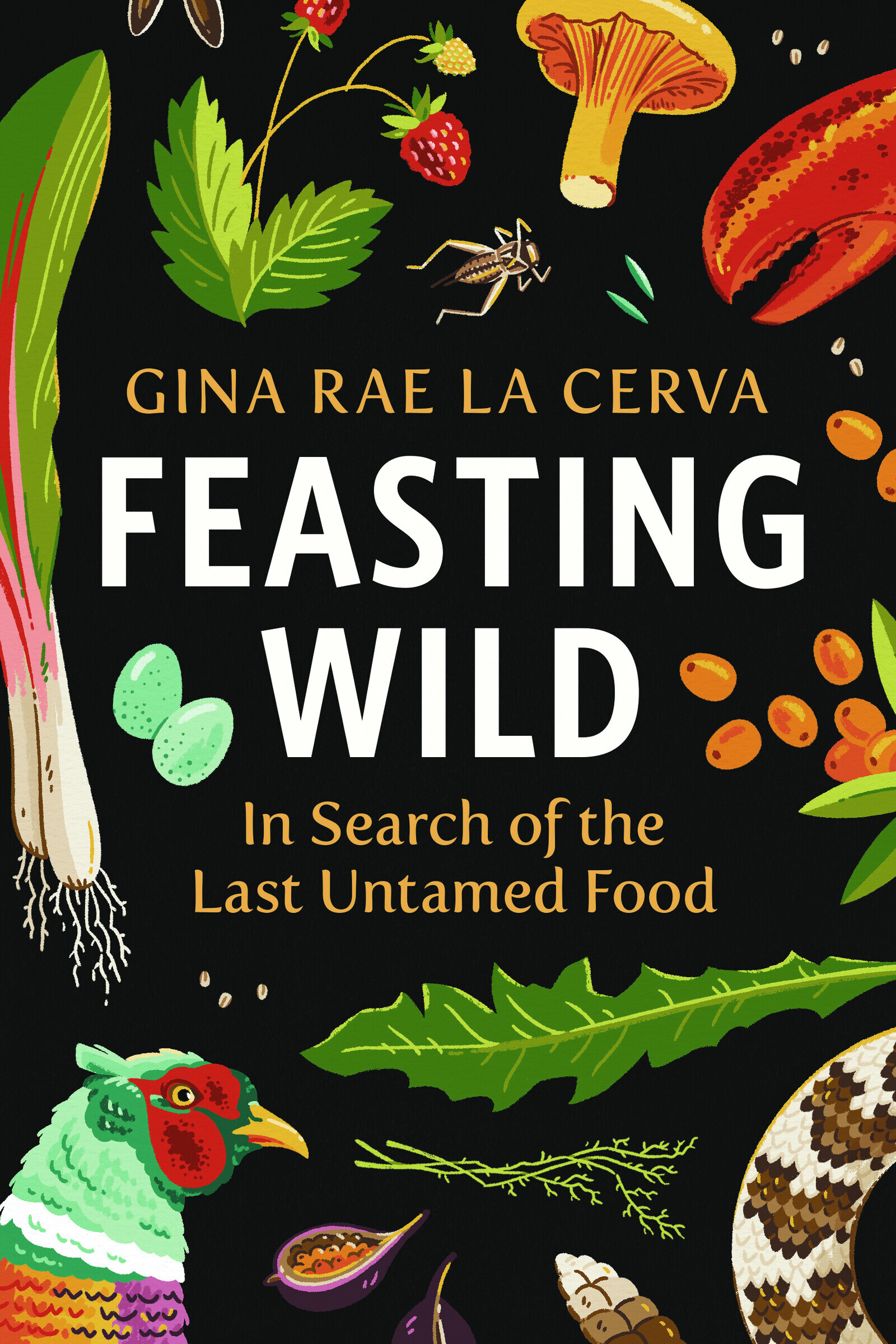
Wild foods such as venison, foraged berries and greens, and gathered seafood made up nearly half of the American diet just two hundred years ago—to eat was to be wholly connected with seasons and place. Since then, they’ve become a luxury or even black market item, and today most of the developed world will never have the opportunity to eat anything truly uncultivated. Geographer and environmental anthropologist Gina Rae La Cerva asks, “So many edible species and varietals have disappeared to standardization, uniformity, and predictable tastes. What pleasures are we missing?” In her global search for answers, she tries flash-frozen wood ants in Copenhagen (tastes like sour sprinkles), examines the relationship between hunting and conservation in the Congo, and ponders the future of lobsters on the Maine coast. Sensuous and ceaselessly curious, Feasting Wild is the next best thing to breaking bread around a campfire with John Muir and M.F.K. Fisher.
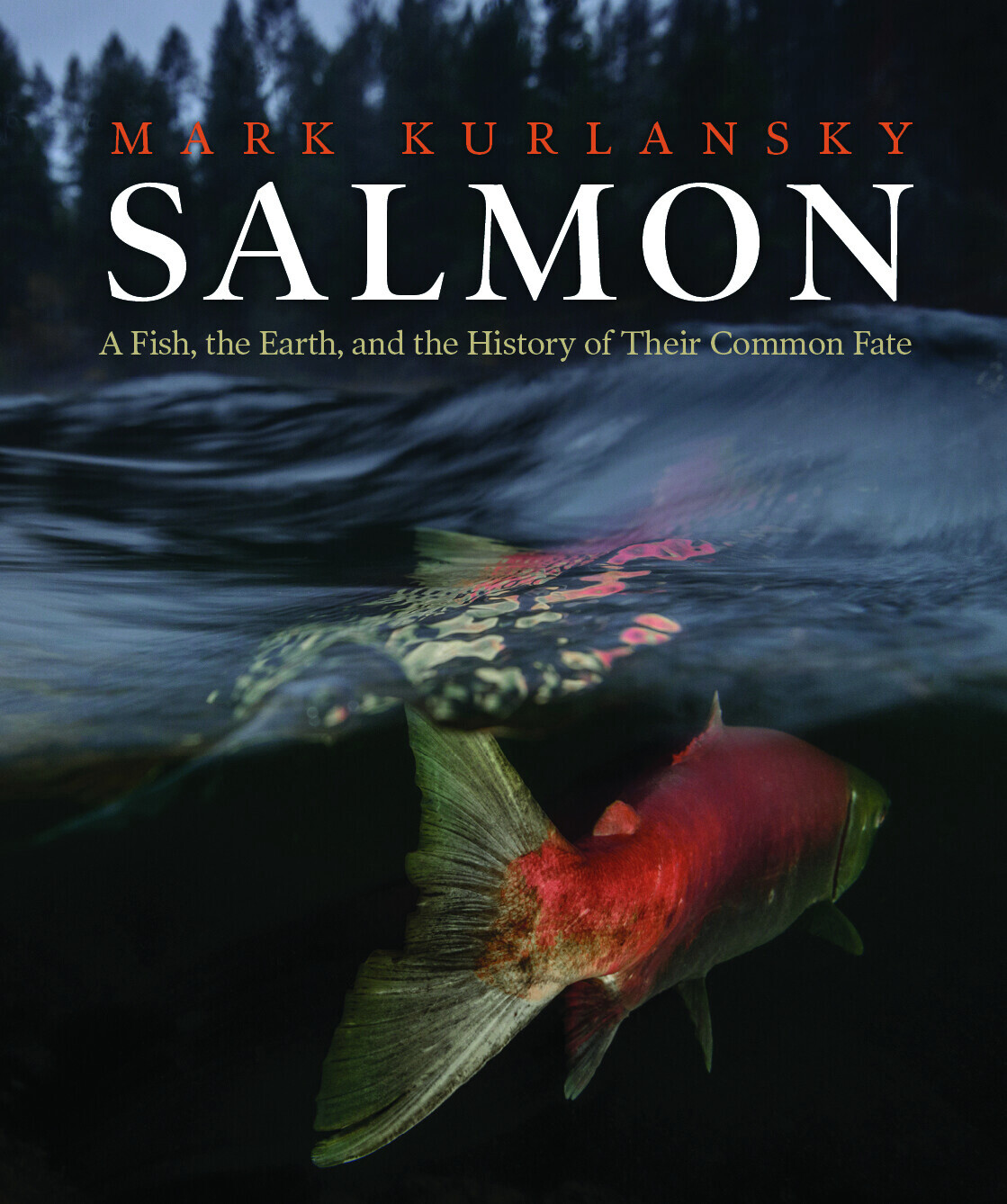
Cultural historian Mark Kurlansky, author of the bestselling books Cod, Salt, and Milk, turns his signature deep-dive lens to another focus, that of salmon, which until quite recently roamed abundantly wild throughout the Atlantic and Pacific oceans. Textbook in size yet lyrically reverent, Salmon is a four-hundred-page ode to a fish “beautiful in its many phases; thrilling in its athleticism; poetic in its heroic and tragic life story.” With stunning images both modern and historical—such as a massive, sixty-four pound Atlantic salmon caught on a rod in the British Isles or a Tlakuit fisherman using a dip net on the Columbia in 1910—and even a few recipes for beer bread and chowder, Kurlansky covers seemingly every angle of river dams, fisheries, aquaculture, and piscine ecology. From Japan’s markets to Alaska’s Bristol Bay, Salmon reveals the long, fabled journey of a fish whose survival is intertwined with our own.
42 issues. 11 years. Independently owned. Printed on 70lb uncoated paper with a soft-touch cover, solar-powered, and shipped in a brown paper envelope. Free domestic shipping.