Recommended Reading
Desert essays from Ellen Meloy, a wilderness thriller on the water, and the science of finding your way
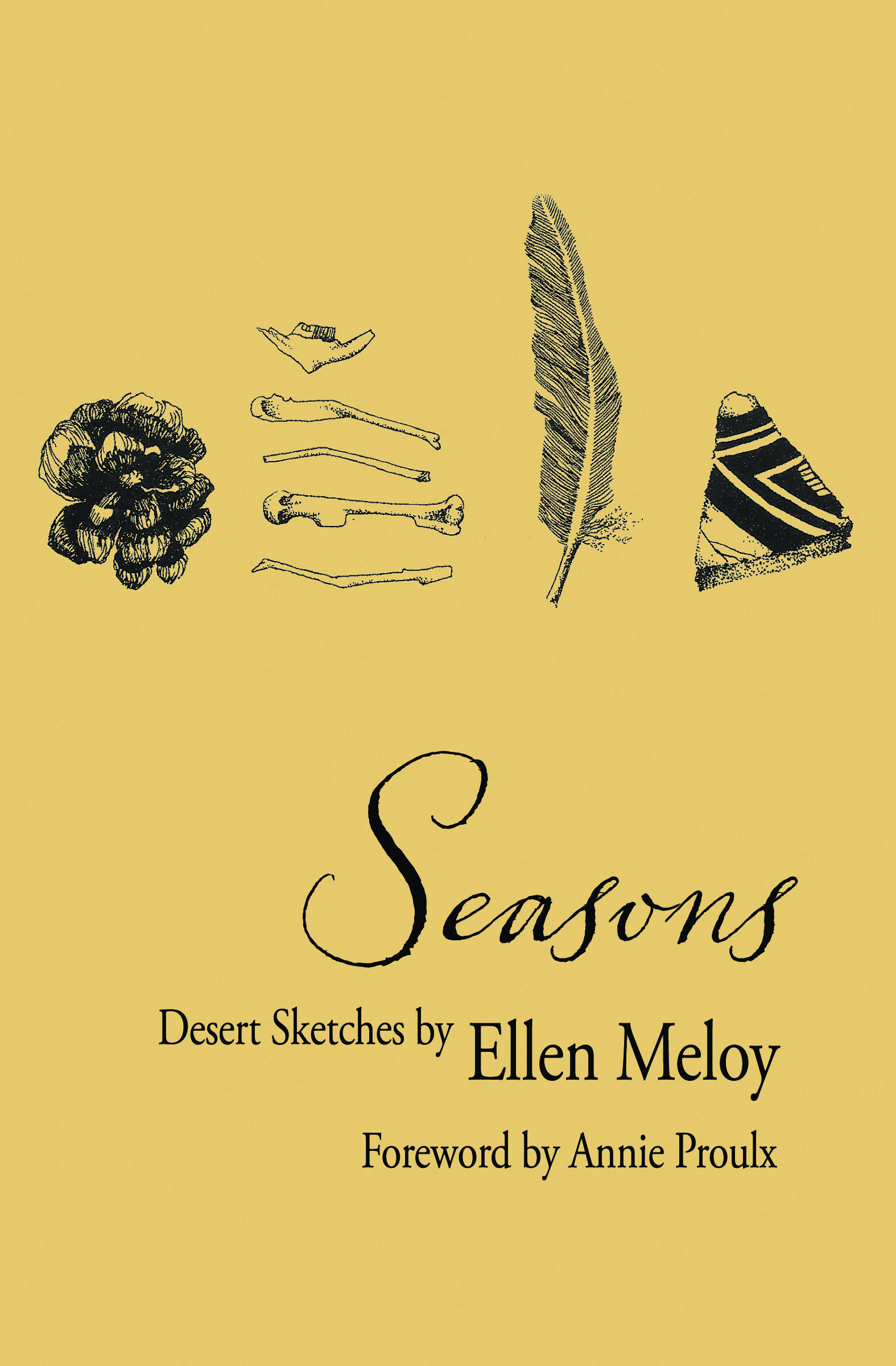
“I have just stapled my hair to the roof,” begins Seasons, a glimmer of the wry wit to come in this posthumous collection of writing from the late Ellen Meloy. Originally recorded as audio stories for NPR Utah in the 1990s, these essays evoke the Colorado Plateau and Southwest canyon country Meloy called home and muse. As with her Pulitzer-shortlisted The Anthropology of Turquoise and Eating Stone, a National Book Critics Circle Award finalist, Meloy is funny and insightful as she links humans and nature in surprising ways. From the profound beauty of Navajo culture milling about the post office to the admirable anarchy of little old ladies in Buicks, not much escaped Meloy’s observant eye for sifting connections out of the finest grains of redrock dust. Annie Proulx’s foreword and Meloy’s own illustrations help anchor this feather of a book, a slight 94 pages, into a vessel steadfast and endearing.
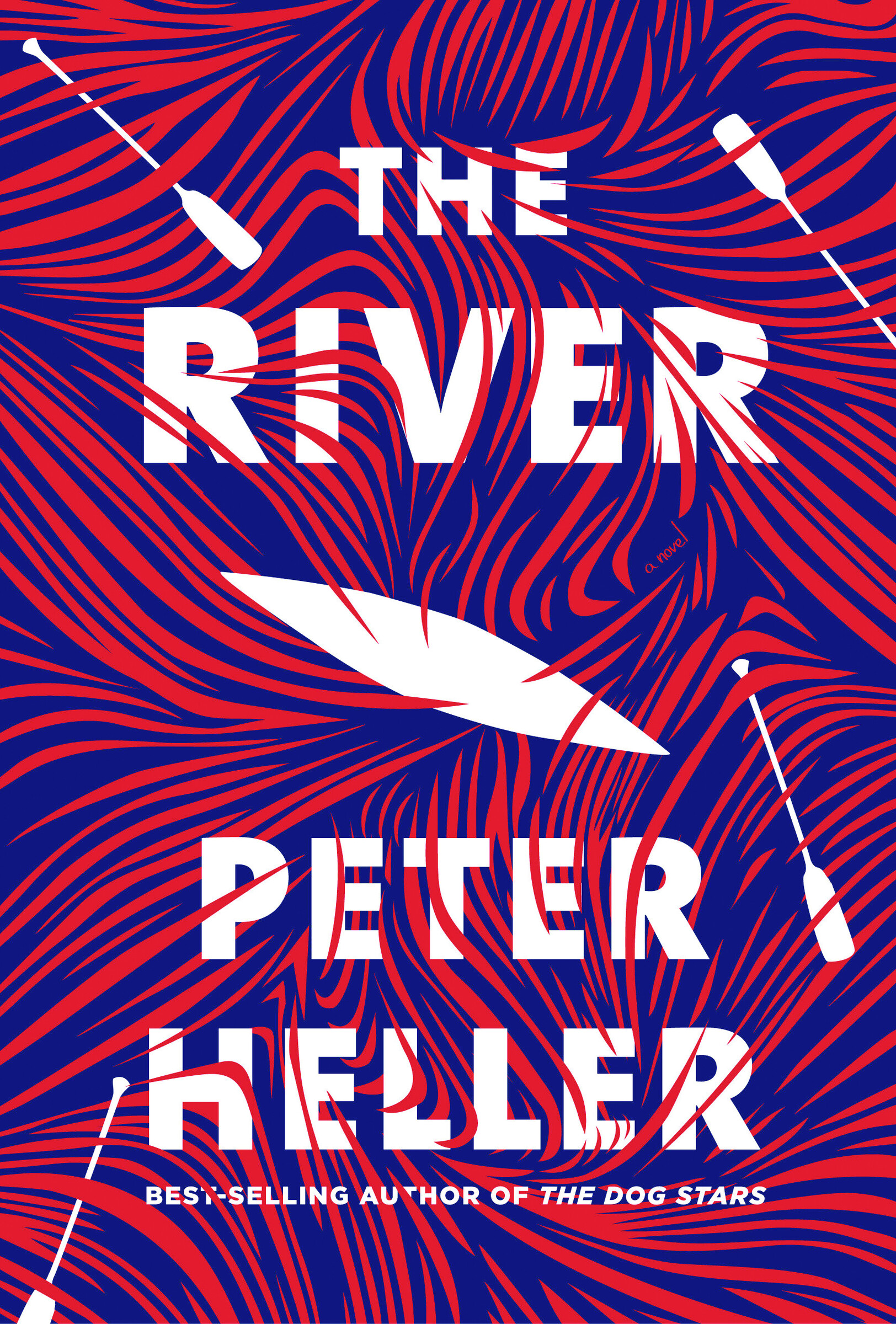
Award-winning writer Peter Heller has traveled the world as an expedition kayaker from the High Pamirs of Tajikistan to Central America to Peru. Which is to say, few can write about rivers—their shifting colors, sounds, and moods—like Heller. Now the Colorado author of the bestselling dystopian novel The Dog Stars merges his paddling experience with his mastery of suspenseful stories. The River tells of two earnest young men, college best friends from different backgrounds: Wynn, a Vermonter with a goofy smile who learned to canoe at summer camp, and Jack, a tough, skeptical rancher from the Rockies who grew up working outside. With fly rods and smoking pipes and a few good books, they’ve set off on a monthlong canoe trip in the Canadian wilderness, but the adventure takes an ominous turn from the start. Our one copy at Adventure Journal headquarters already has a long waitlist, so be ready to pass this gorgeously written thriller around.
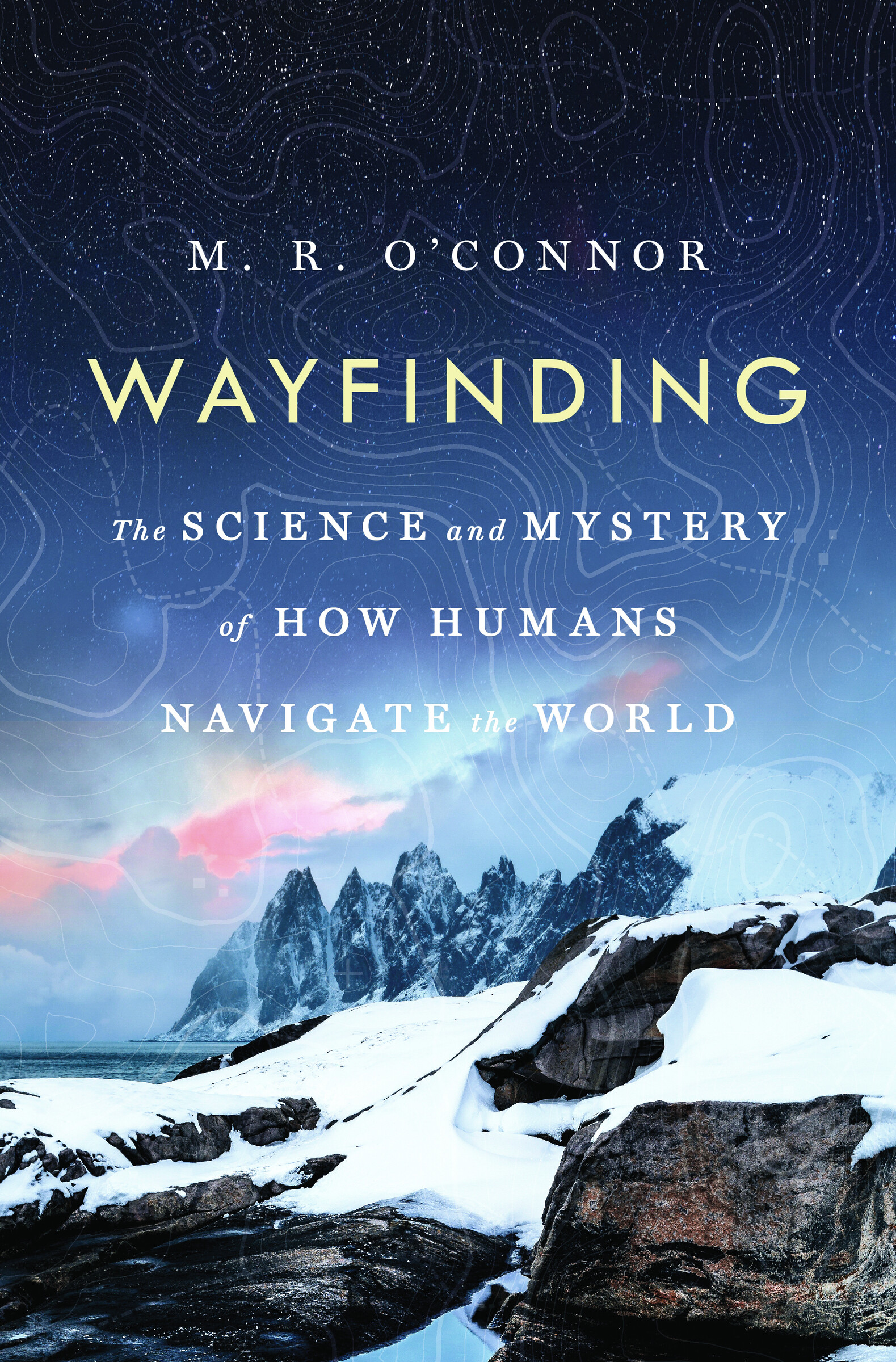
“I had forgotten that my phone knew nothing of whether humans can fly, or the seasonal flow of the Rio Grande, that it had no actual experience because it had never been born, only programmed by someone who might never have set foot in New Mexico.” Winding up far off-route after trying to find a hot spring, science journalist M.R. Connor wonders at the extent GPS technology has commandeered our natural sense of direction, and she then heads out to investigate traditional techniques of human wayfinding with master navigators in the Canadian Arctic, Australia, and the South Pacific. She also ventures deep into modern psychology and the science behind why our brains need to free range; for example, a lack of natural spatial exercise can shrink the hippocampus, increasing risk for depression, PTSD, and Alzheimer’s. Combining a travel narrative with fascinating research, Wayfinding makes a captivating case for reconnecting with our senses and the journey rather than the destination.
42 issues. 11 years. Independently owned. Printed on 70lb uncoated paper with a soft-touch cover, solar-powered, and shipped in a brown paper envelope. Free domestic shipping.