Recommended Reading
The right to roam, riding Patagonia, and a man who never stopped climbing trees
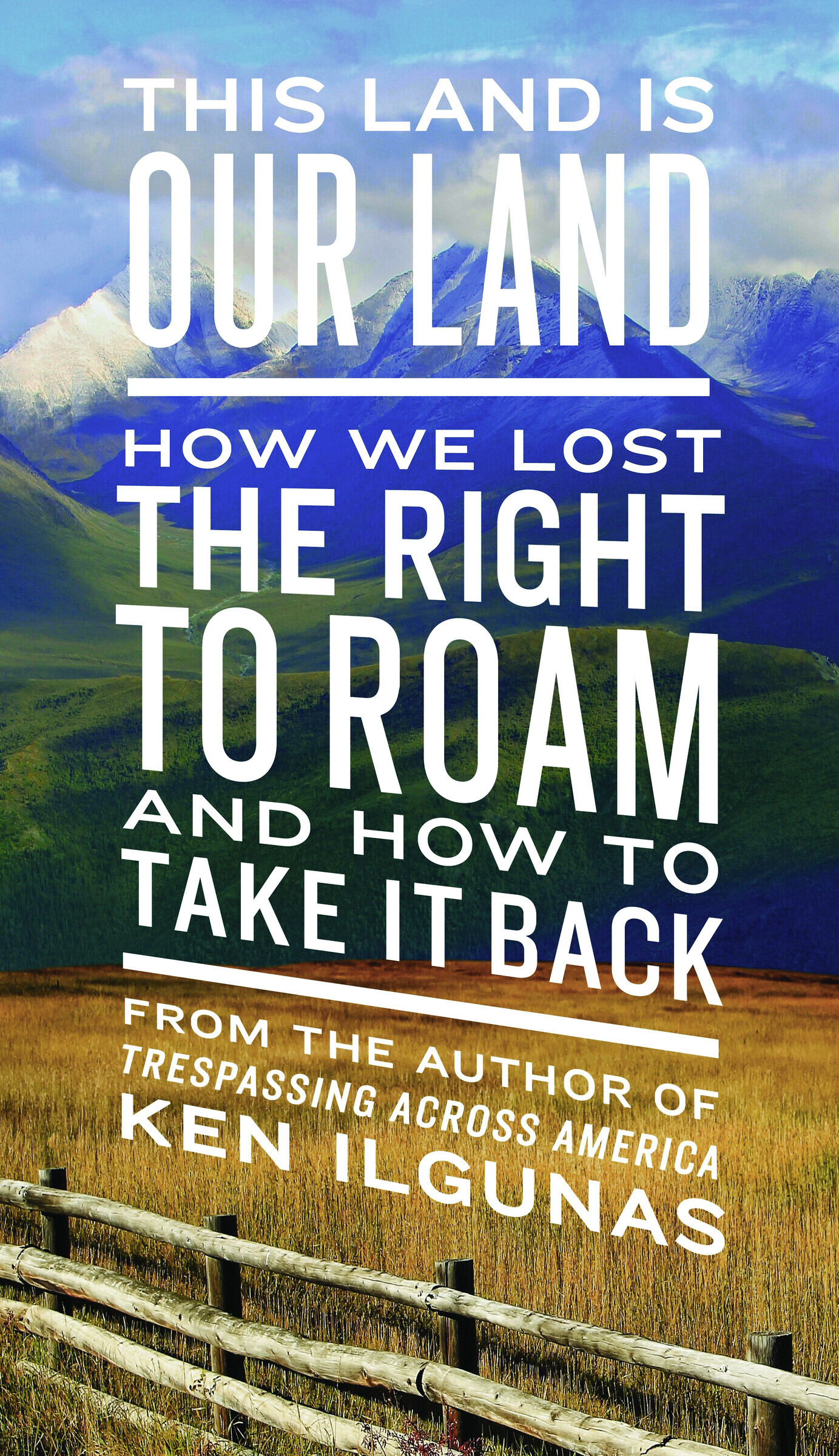
My dad, a law-abiding rural county detective, always surprised me with his frequent humming of “Signs” by Five Man Electrical Band: “Hey! What gives you the right? To put up a fence to keep me out or to keep Mother Nature in.” The urge to roam freely might be universal, but the U.S. is veering sharply toward a fenced-in future. Ken Ilgunas earned a following with his 2013 Walden on Wheels, and thank goodness he’s back with This Land Is Our Land: part polemic, part American travelogue, and part primer on the history of land use laws. The Swedes call it allemansrätten and in Great Britain it’s the “right to roam”—an average citizen’s license to wander on publicly or privately owned land. How often do you encounter “No Trespassing” signs while camping, hiking, or just walking around the block? Before Americans need a membership card to get outside, everyone who moves should read this book.
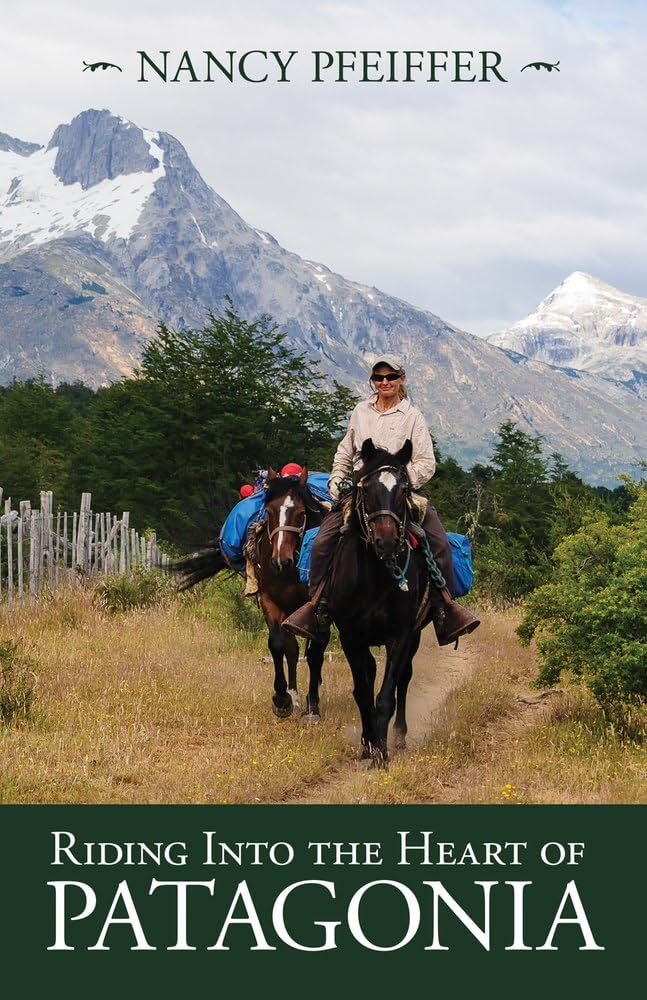
As a National Outdoor Leadership School instructor in Chile’s Aysén Region in 1993, Nancy Pfeiffer watched a man on horseback gracefully navigate a swollen river. Standing with her college students, hungry and wet and not at all at ease, she vowed to return on horseback herself—to try to experience the land like a local. At the age of 38, she saddled up for lessons at home in Palmer, Alaska, where she worked as a mountain guide, and a few years later she was back in Coyhaique, looking to buy a horse and head south. Riding Into the Heart of Patagonia is a memoir of growth—of a self-reliant adventurer learning patience and ceding the urge to control—and also of a changing countryside, with dams proposed and roads being paved. Pfeiffer’s observations beckon: flowering calafate, gnarled branches in the lenga forest, the deeply rooted, welcoming people. It all smells of horsehair and rivers and mud and maté, and I didn’t want any of it to end.
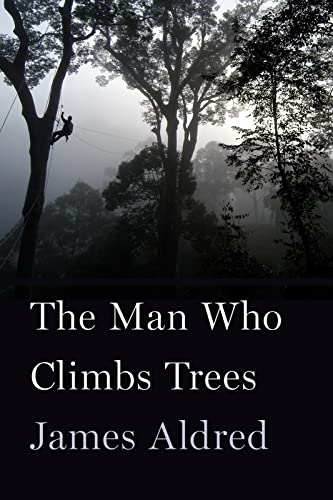
Remember how as a kid you shimmied up maples or oaks or elms, never once imagining how as an adult you’d do less and less of this because people would look at you funny? Not only did he never stop, Emmy-winning cameraman James Aldred branched out as a career photographer focused on treetop perspectives; his Twitter account reads “jungle canopy specialist,” and you’ve probably seen his work on the BBC or in National Geographic. A high-spirited memoir, The Man Who Climbs Trees is an enthusiastic love letter to big trees in Borneo, Peru, Australia, Costa Rica, and Northern California, including the tallest known tree on the planet, a nearly 380-foot giant. The life of a tree-climbing artist is not all swaying in the breeze, however—there’s also the risk of cerebral malaria, rope system accidents, and over-curious harpy eagles. In Aldred’s descriptions, the trees are both settings and characters, and you’ll wonder why we don’t yet have a catchy phrase for charismatic mega-arboribus.
42 issues. 11 years. Independently owned. Printed on 70lb uncoated paper with a soft-touch cover, solar-powered, and shipped in a brown paper envelope. Free domestic shipping.