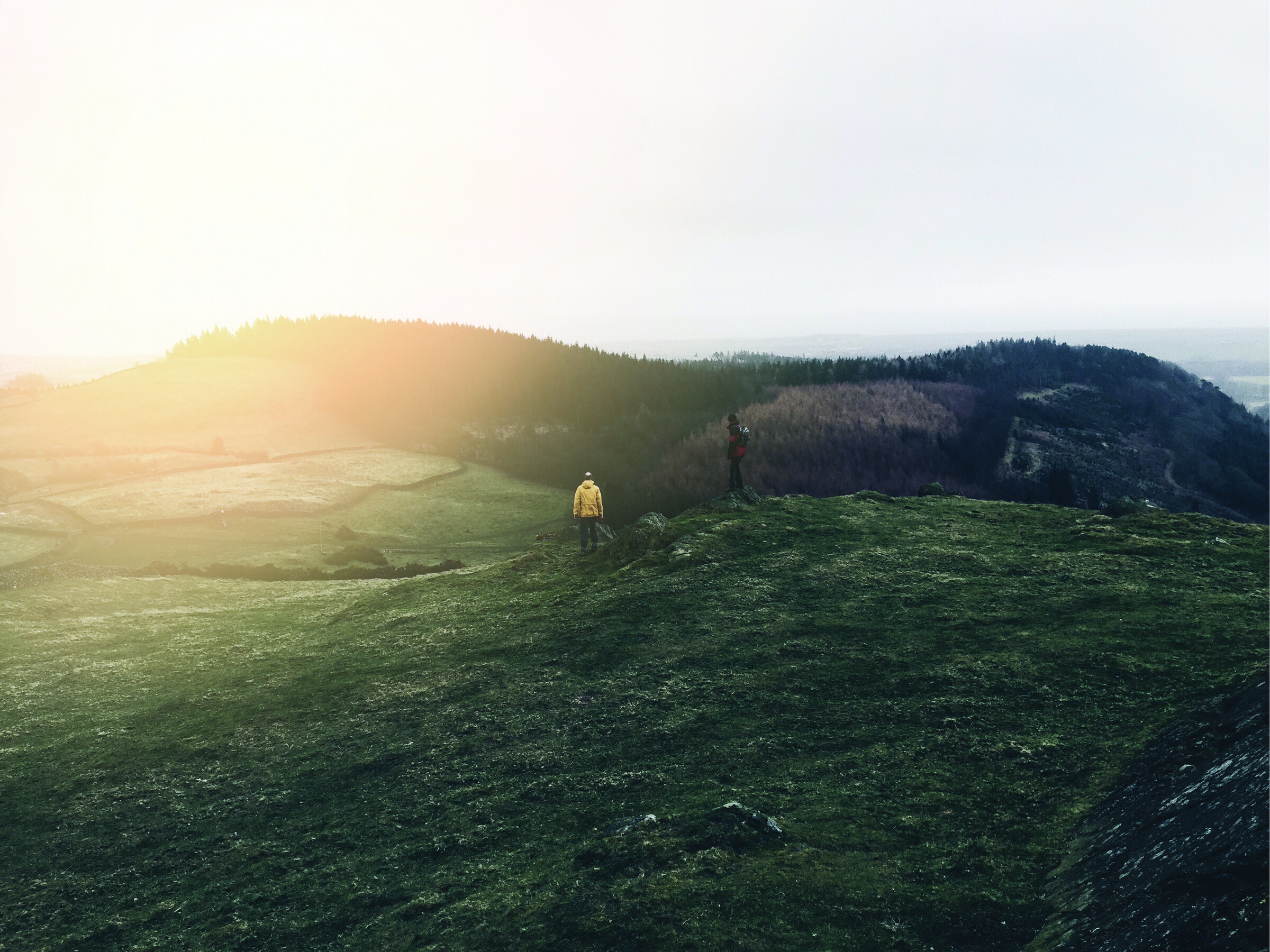
Humans have wandered what is now known as England’s Peak District for nearly seventeen thousand years, but by 1920 only twelve hundred acres out of an estimated one hundred fifty thousand acres of moorland and mountains were open for public access—just one percent, or about a Central Park and a half. The terrain was bad for farming, good for hunting birds, and great for what the British call rambling, or hiking, and that was about it. Still, landowners didn’t want people on their land, even if it sat untouched most of the time. Kinder Scout, a moorland plateau and crown jewel of the area, for example, was owned by the Duke of Devonshire, yet was used just twelve days a year, for grouse hunting, but was closed to the public. In the entire area, there were only a dozen hiking trails available for rambling.
This was a problem. The nearest large city, Manchester, was grimy and polluted, and unemployment was high. For recreation,
600 words to go
You’re just getting to the good part.
This story — and 41 issues of them — opens with a subscription.
Either one picks up right where you left off.
Join 7,000+ readers · Independently owned · Since 2008
Already a subscriber? Sign in