Mementos, Notes, and Fragments
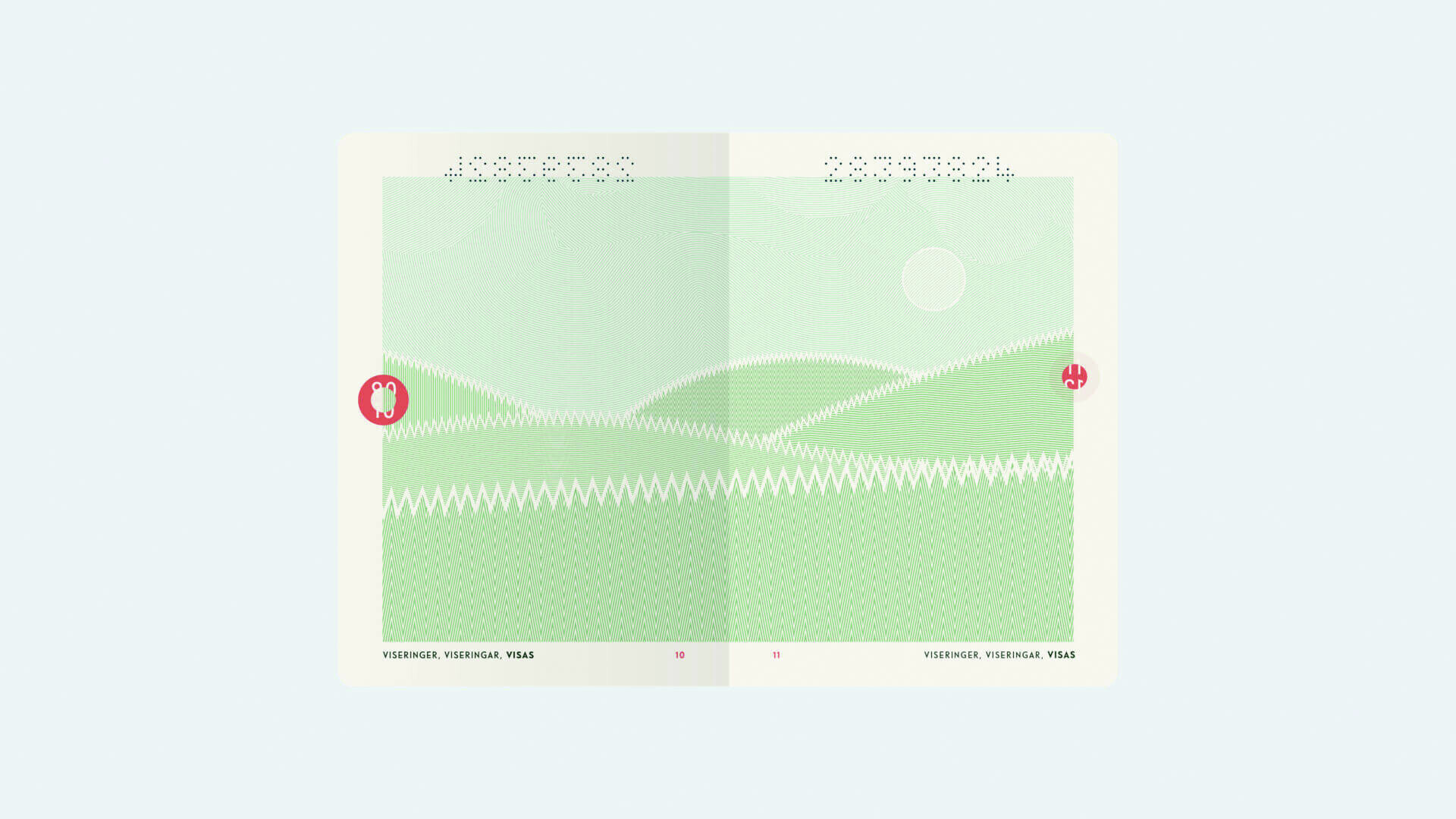
A Page Too Pretty to Stamp
Norway wins. It’s not enough to have the fjords, the mountains, the cabin culture, and one of the world’s happiest societies—Norway also has the coolest passport. Designed by the Neue Design Studio in Oslo, the personal travel document features minimalist illustrations of the country’s landscapes, which when placed under an ultraviolet lamp turn into night scenes with glowing northern lights. United States passports, meanwhile, look like they were done by the same artist who airbrushes howling wolf t-shirts. Oh, and Norwegian banknotes? Now graphically abstract on one side and photorealistic on the other, they were redesigned in 2014 by Snohetta, an agency best known for its radically inventive architecture, in particular modern cabins.
Oh, Scandinavia. Finland’s passport features a flipbook animation of a moose walking through its pages.
A Few Words About Adventure
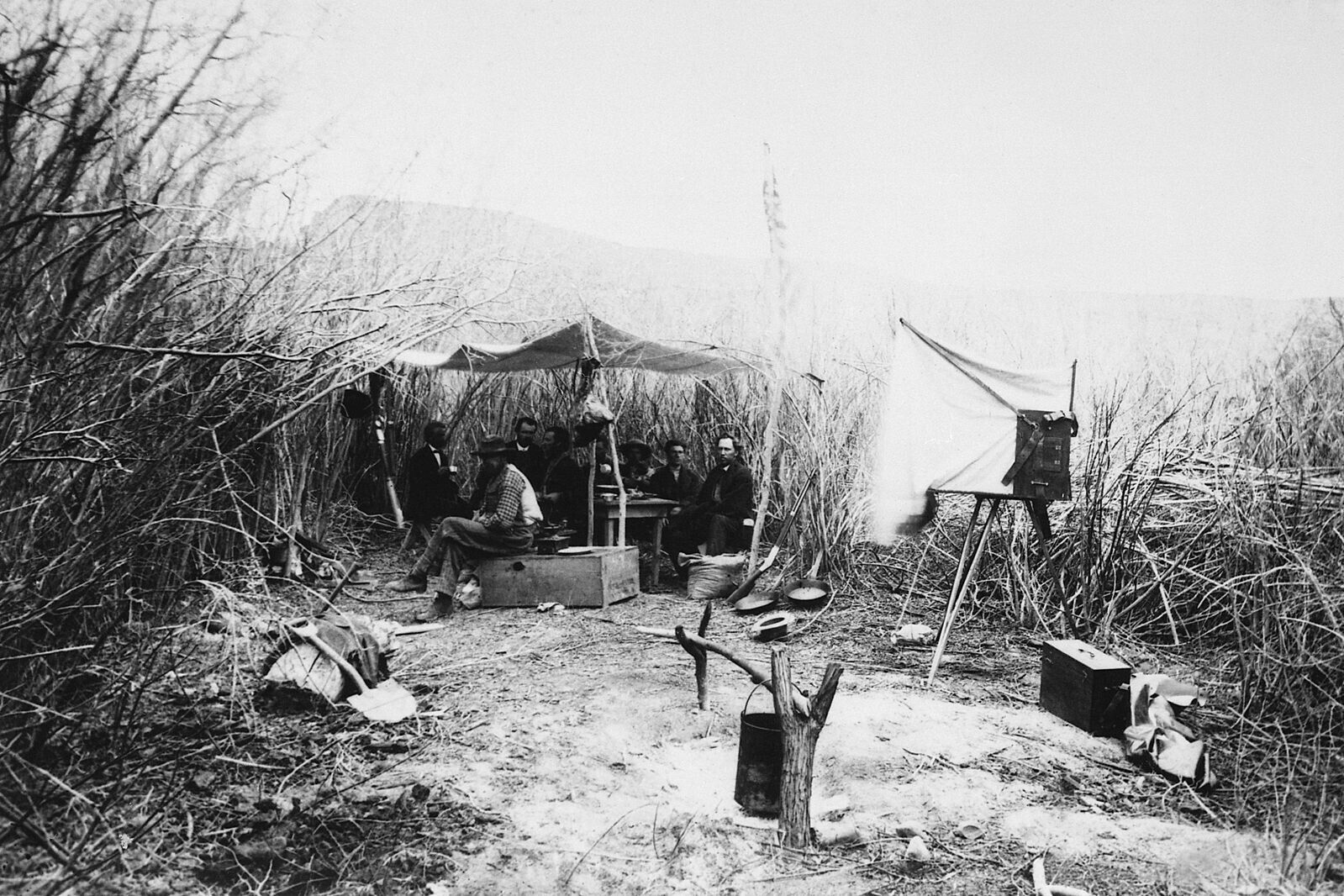
In May 1871, eighteen-year-old Frederick Dellenbaugh floated down the Green and Colorado rivers on John Wesley Powell’s second expedition through the Grand Canyon, and the young Ohioan’s first night on the water was also the first night in his life that he slept outside.
“It was some time before I could go to sleep. I kept studying the sky; watching the stars through the ragged breaks in the flying clouds. The night was silent after the gale.”
He woke to rain falling on his face, then it turned to snow. And from that one night, a life was set in motion. Hired as an artist and cartographer, Dellenbaugh spent another three months on the river with Powell. He went on to help create the first accurate maps of the Colorado, and his paintings were instrumental in the formation of Zion National Park. In 1904 he co-founded the Explorer’s Club, and his 1905 book, Breaking the Wilderness, was a love letter to what he’d first found outside twenty-four years prior. It opens, “The natural habitat of man is the wilderness. No matter how civilized he may become, his heart turns with longing to the woods, to the sea, and to the mountains.”
Say What, Bird Brain?
The world is in motion, always, and not just spinning. Moab, Utah’s famed Castleton Tower vibrates in two frequencies (0.8 and 1.0 Hz), and the rock formations of nearby Arches National Park moan and groan. The sound waves they generate are too low to be heard by humans, whose ears only render vibrations down to twenty times a second (20 Hz), but birds, well, birds can hear things that move just once a second, like restless tectonic plates or the bass line of the oceans thrumming, and hear them from great distance.
“Birds flying over the Rockies can hear the surf of both the Atlantic and the Pacific,” says biologist Susan Sharbaugh, formerly of the Alaska Bird Observatory.
What they’re hearing isn’t the actual sound of waves, like what you’d get if you put a conch shell to your ear, but rather something called microseisms, a kind of low earth tremor or hum. The ocean’s relentless shifting and shoving and slapping at the continental margins creates a low-frequency rumble, too far beyond anything but our instruments and imaginations to comprehend. But those microseisms radiate around the globe and are funneled, channeled, and bounced by terrain—like valleys, canyons, and mountains—creating a sonic map that’s right in the auditory range of avians.
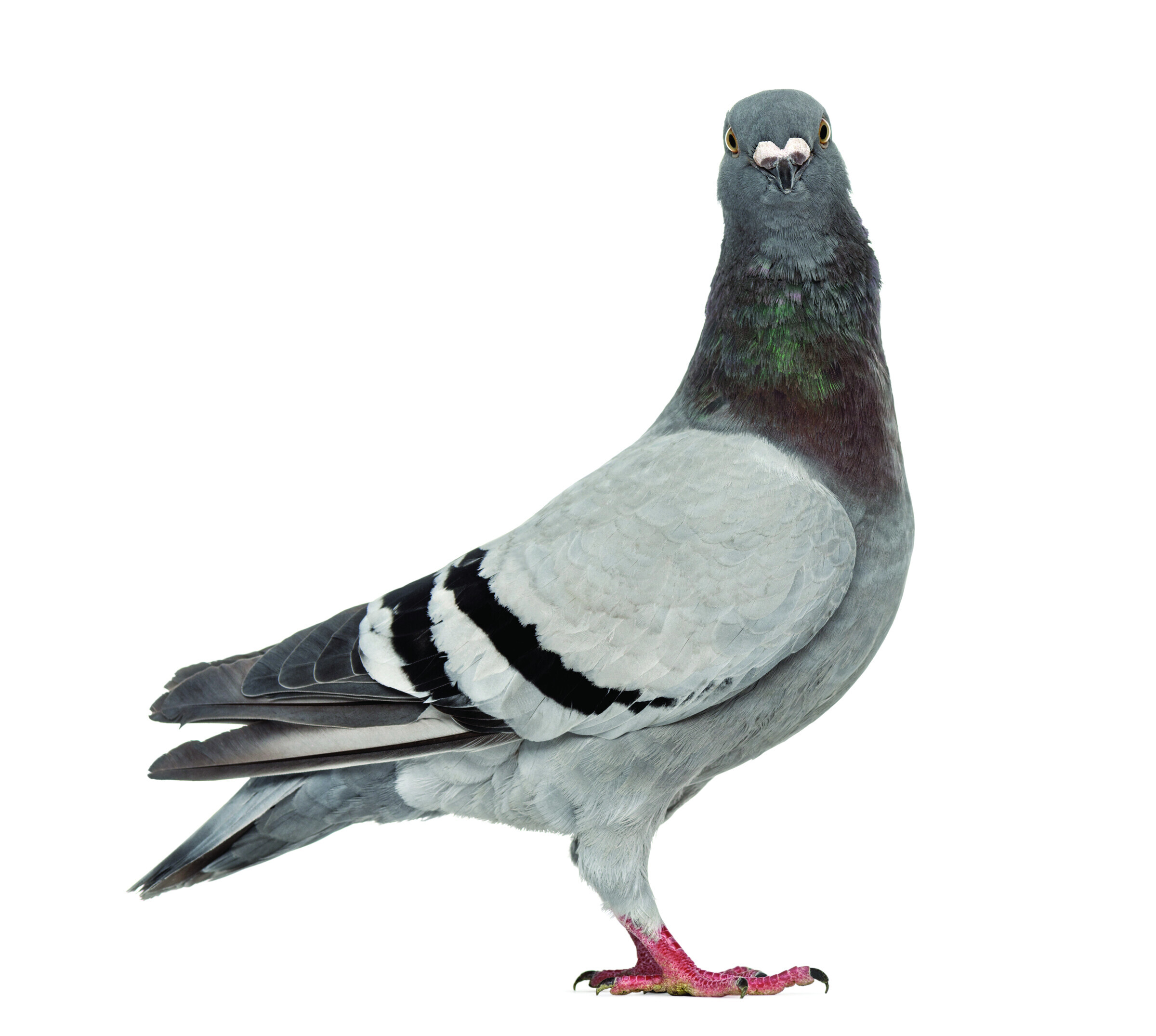
Scientists began honing in on the idea of microseismic navigation in the late 1990s, after ninety percent of the birds in a major homing pigeon race simply disappeared. Researchers connected the birds’ vanishing to the sonic boom of a Concorde jet and charted four other instances of sonic booms affecting pigeon races, which they surmise disoriented the birds. Makes sense. Or maybe the birds were just tired of racing. These are animals that have internal compasses, navigate by the stars, and can see the earth’s magnetic field. There’s a lot going on in those little heads. Maybe they just wanted a vacation in Utah.
Manna (and Sleeping Bags) from Heaven
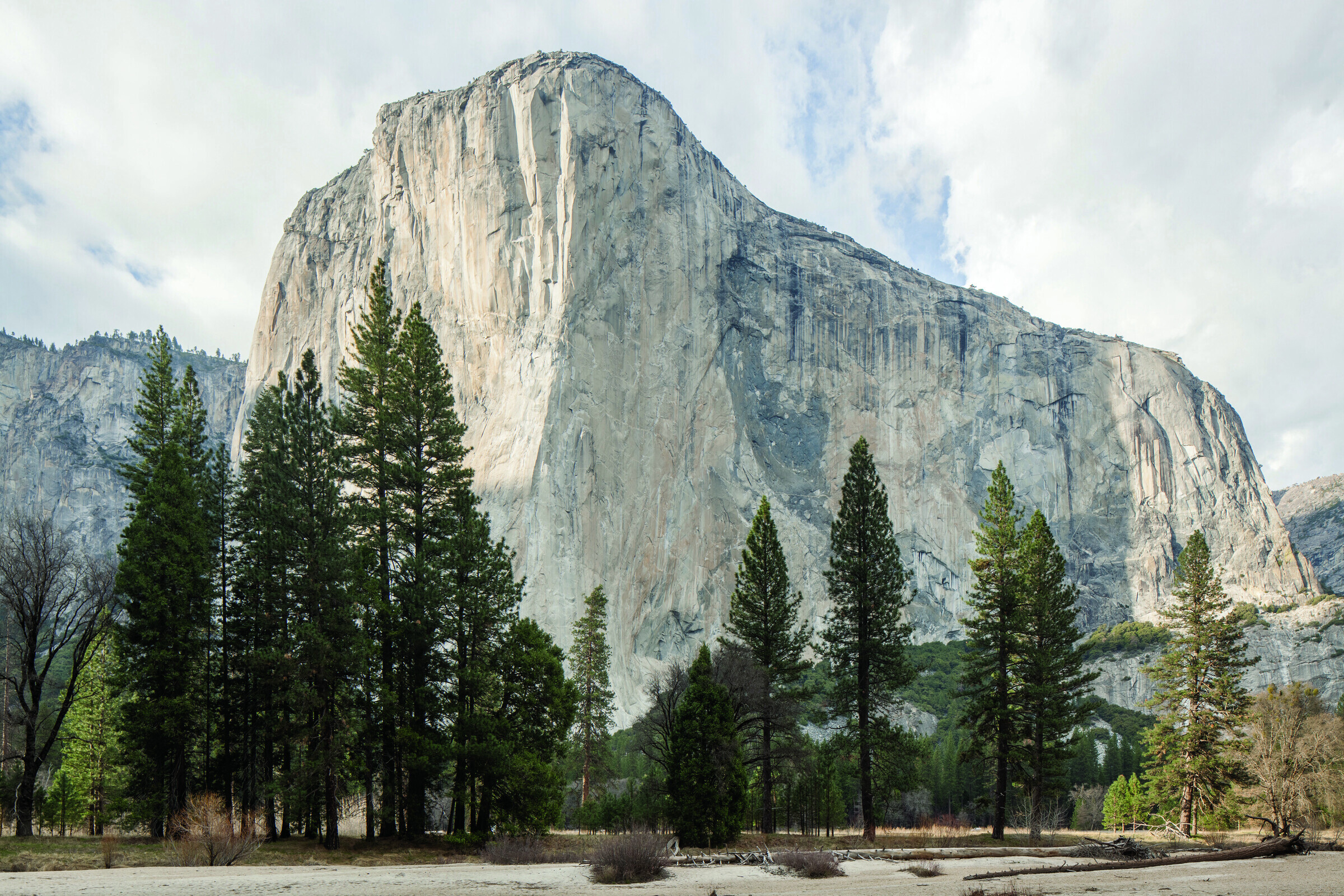
The speed record for climbing Yosemite National Park’s Nose route on El Capitan is just under two hours (set by, surprise, Tommy Caldwell and Alex Honnold), but most teams tackling the world’s greatest big wall spend four to six days scaling its three thousand feet. That means they also have to haul four to six days of everything they could possibly need—water, food, clothing, shelter, etc.—dragging every single ounce skyward in a fight against gravity.
Often, gravity wins. During his historic Dawn Wall first free ascent in 2015, Caldwell dropped his phone—the third he’s lost in Yosemite. Climbing hardware is another common victim, and pretty much anything that can be dropped has been dropped. (In the early days, climbers who had to go number two simply went; later, they did their business in bags and then tossed the bags down.)
Sometimes the treasures that land at the base of El Cap are returned to their owners, but more often they become wall booty, a.k.a., finders keepers. British alpinist Andy Kirkpatrick, whose many El Cap ascents include a half-dozen solos, tells a story of a scavenger who made a semi-living from such booty.
“I once met a climber who braved the rain of shit bags by living at the base of the wall, claiming that everything a man could ever want fell there: food, climbing gear, water, even the odd wallet, sleeping bag, and fully packed haul bag. He said all you needed was to pray for it and the next day it would appear. This high-risk but lonely life seemed to work for him, and he lived there for years, until a female BASE jumper smashed into the ground from half a mile up after her parachute failed to open. After that he moved on.
“I suppose you have to be careful what you wish for.”
The National Park Service now requires all human waste to be carried off the wall. “Poop tubes” made of PVC pipes are state of the art, though NPS notes that five-gallon buckets can work “in a pinch.”
42 issues. 11 years. Independently owned. Printed on 70lb uncoated paper with a soft-touch cover, solar-powered, and shipped in a brown paper envelope. Free domestic shipping.