Mementos, Notes, and Fragments
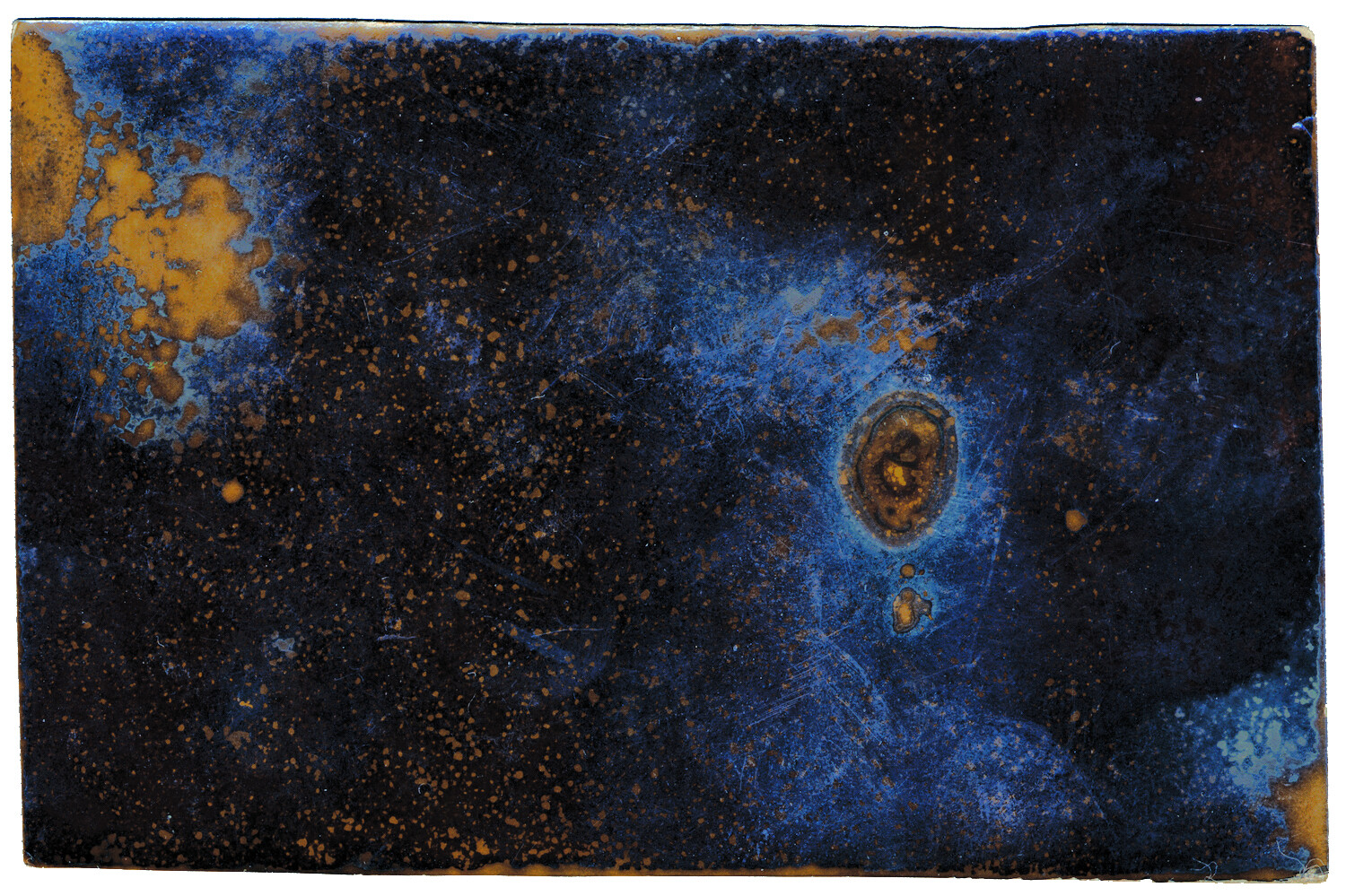
Rusty, Rusty Night
Fate treated August Strindberg unkindly. The Swedish playwright and artist was born in 1849 into a family of bankrupt aristocracy; he slogged his way through multiple marriages, where he invariably lost custody of his children; his first play was rejected by the Royal Theater, which sent him into a tailspin; he became alcoholic and near-unemployable; and he was put on trial for blasphemy.
But out of great pain came great art, and while his colloquial writing was celebrated in his time as the voice of modern Sweden, his radically inventive paintings and experimental photography are more visceral, relatable, and timeless. The sea- and mountainscapes he painted only during stretches of personal turmoil are wild and expressionistic—thick with blacks and whites and greys that look like granite and thunder slurried into a congeallant primordial goo, a nod to inner and outer chaos.
Art, he wrote, should “imitate…nature’s way of creating,” and in his early photography he eschewed lenses precisely because they distorted the world, preferring to make pinhole cameras from cigar boxes. In the winter of 1893–94, he ditched even those rudimentary devices and created a series of “celestographs” by placing bare photographic plates at night on the ground or a window sill. His hope was to capture the stars in the sky, and when he saw the results he was convinced he had. But despite their suggestions of celestial sparkle, the celestographs more likely reveal oxidation, or perhaps even stardust fallen from the heavens, affixed to the plates by chemical bonds and transformed by earthly processes. Either way, lyrically, beautifully, the images on the plates continued to develop for decades after Strindberg passed away in 1912, revealing, to any who saw them in the Royal Library in Stockholm, the fingerprints of the photographer and the creative hand of nature itself.
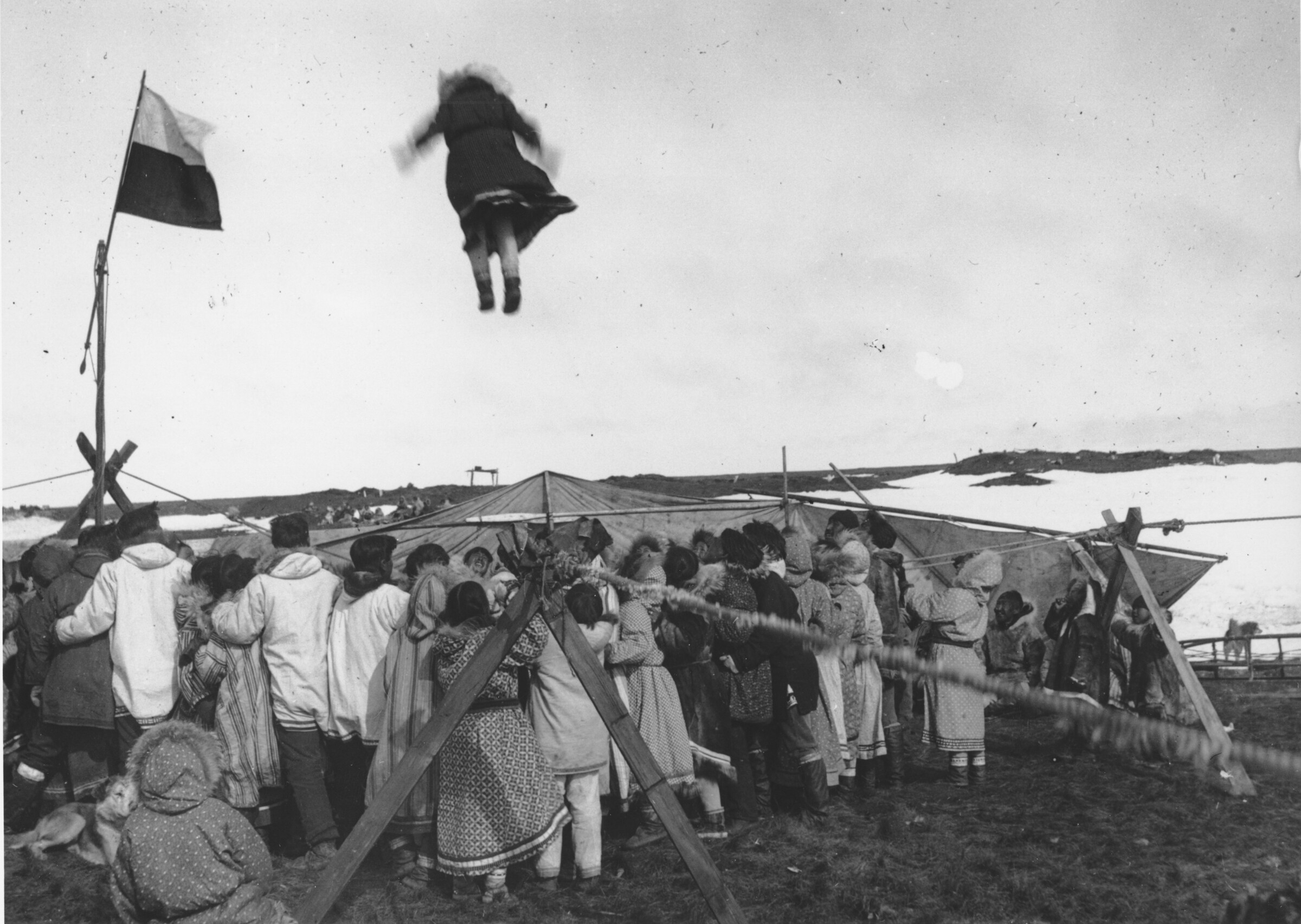
I Can See Russia From Here!
No one knows precisely when the Eskimo blanket toss was invented, but it’s easy enough to picture: A couple thousand years ago, a group of Inupiat hunters was sitting around lamenting how dang hard it is to see game across the infernally flat tundra when one of them spoke. Hey, guys, I have an idea. That idea was a stroke of genius—to launch one of their own, preferably the one with the best eyesight, into the air using a seal or walrus skin, where they might spot dinner over the land-bound horizon.
Technology eventually replaced the practice—“I think people quit using the blanket toss for looking off in the distance once the binoculars were introduced,” said Reggie Joule, a blanket toss champion at the World Eskimo Indian Olympics—but the tradition is deeply rooted in the Inupiat culture and lives on during the annual Nalukataq festival, a kind of Native Thanksgiving held at the end of the whaling season.
Indeed, naluk means to throw it underhand, to toss it up, and the blanket toss is a vital component of the festival. After the harvested whales are shared with the community, a mapkuq made of skins or canvas is erected using a wooden frame (whale bones are traditional) with ropes at the corners. Typically, the first nalukataqtuaq, or blanket tossee, would be a whaling captain, who would throw baleen or tobacco to the community in celebration of the shared harvest. Today, candy is more commonly thrown, but either way, like survival in the Arctic, the blanket toss takes a lot of hands working together.

Free the Heel, Free the Id
People were flying freak flags long before freak flags were named, memed, and put on t-shirts. The first page of The Cross-Country Ski, Cook, Look & Pleasure Book (And Welcome to the Alice in Snowpeople Land) features a photograph of a bare-breasted woman holding a garden rake and a man wearing nothing but leather boots and a chicken on his lap. The caption says, “Our principle interest in cross-country skiing is that it is morally clean and healthful, and of course the snow is very sanitary.” Alice, where’d you put that looking glass, again?
The book was published in another era, 1973 in fact, the year that 150,000 cross-country skis were imported to the United States, according to author Hal Painter, whose relationship to facts is suspect but whose fidelity to underlying truths is unimpeachable. His point: XC was booming. From Vermont to the Bronx to Iowa to the Sierra Nevada, “The ancient, handcrafted technology of the wooden ski was giving thrust and glide to the back-to-the-land, anti-mass-mechanization movement.”
Ostensibly a how-to guide, this genre-bending paperback is really a lighthearted argument that simpler is better and fun trumps all. Painter is against cars, televisions, ski lifts, metal edges, experts, lessons, and snowmobiles. He is for sex, snow, drugs, food, homemade stuff, and not letting anything, least of all judgment, get in the way of a good time. The book was probably corny then, and it’s definitely corny now, but underneath it all is real commitment. Painter and a companion skied for days across the Sierra (no edges!) only to find the Yosemite road closed. Rather than hitchhike the long way around, “standing along the highway and smelling the cars stink,” they turned and skied back across the range. “Snow country is no country,” he wrote. “All the same, a flag is flying.”
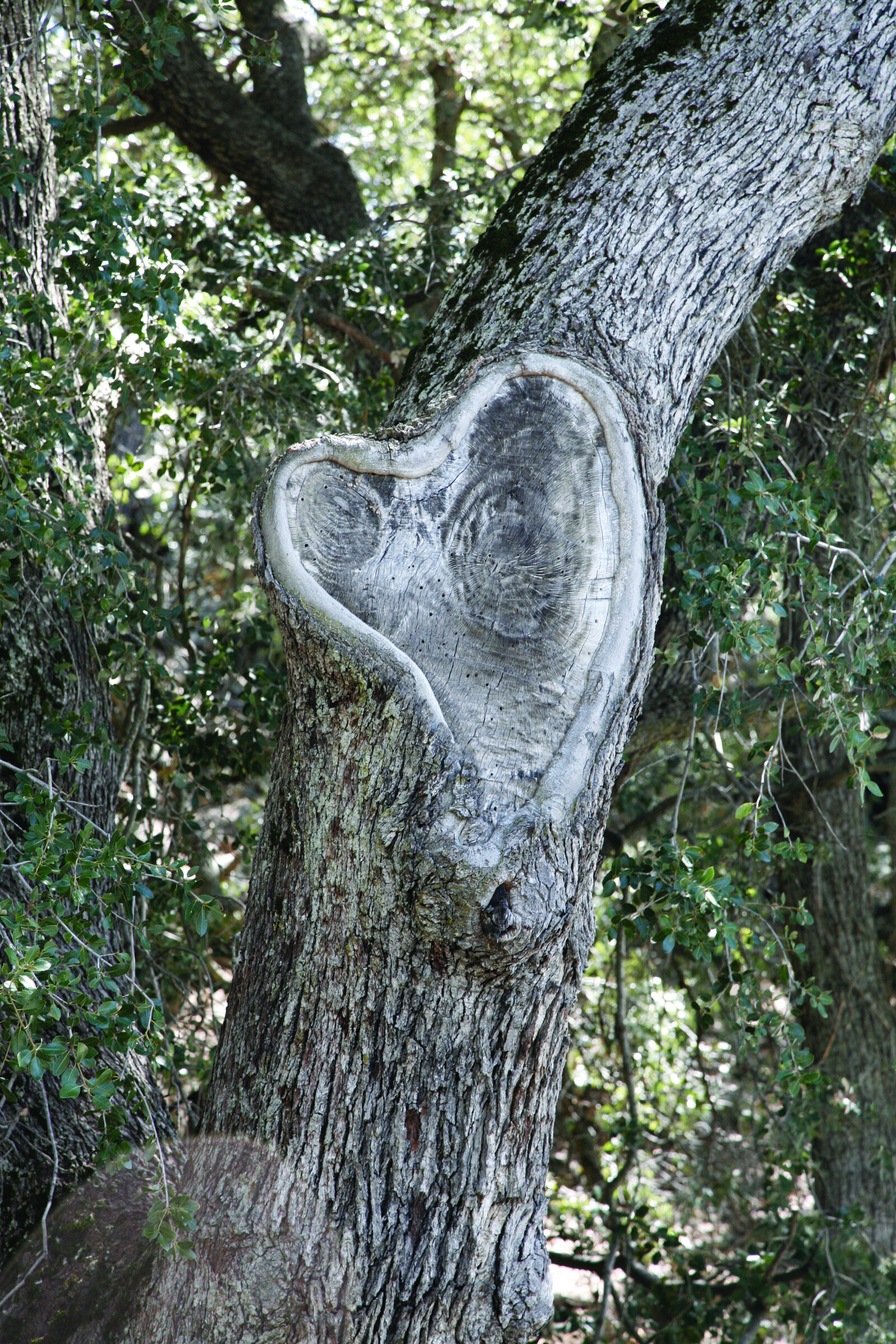
You May Have a Pine Pal in Australia
In 2013, when the city of Melbourne, Australia, gave email addresses to its 77,000 trees, the idea was that citizens could report hazards, such as tilting trunks. The urban forest was suffering from drought and disease, with forty percent of the city’s trees under threat, and planners needed an accurate survey to plot its reforestation. As it turns out, though, not all citizens have the Spockish hearts of civil engineers: Some are romantics, some are mages, some are poets. Ere long, the woodsy inboxes of Melbourne’s eucalyptuses, oaks, and elms began filling with earnest missives. Dear Moreton Bay Fig: Sometimes I sit or walk under you and feel happier. I love the way the light looks through your leaves and how your branches come down so low and wide it is almost as if you are trying to hug me. Or: Hi Tree 1022794: How’s it going? Hope it all goes well with the photosynthesis. Or: Dear 1517937: I am confessing something very dear to me. I have fallen in love with 1583182. I also feel guilty for cheating on 1023379.
“People literally are talking to these trees as if they are people, telling them how much they love them, thanking them for protecting them against the sun, apologizing when their dog pees on them in the morning,” Melbourne city councilor Arron Wood (!) told the BBC. Thousands of emails have poured in from around the world, a pixelized pollen storm of affection and longing and good wishes.
Dear Syzygium Lilly-Pilly: Well, I should sleep. It’s past midnight, which normally wouldn’t be so bad for me, but I have to get up early tomorrow and work. I’ll write again, soon, I think. I would quite like to have a tree as a friend.
42 issues. 11 years. Independently owned. Printed on 70lb uncoated paper with a soft-touch cover, solar-powered, and shipped in a brown paper envelope. Free domestic shipping.