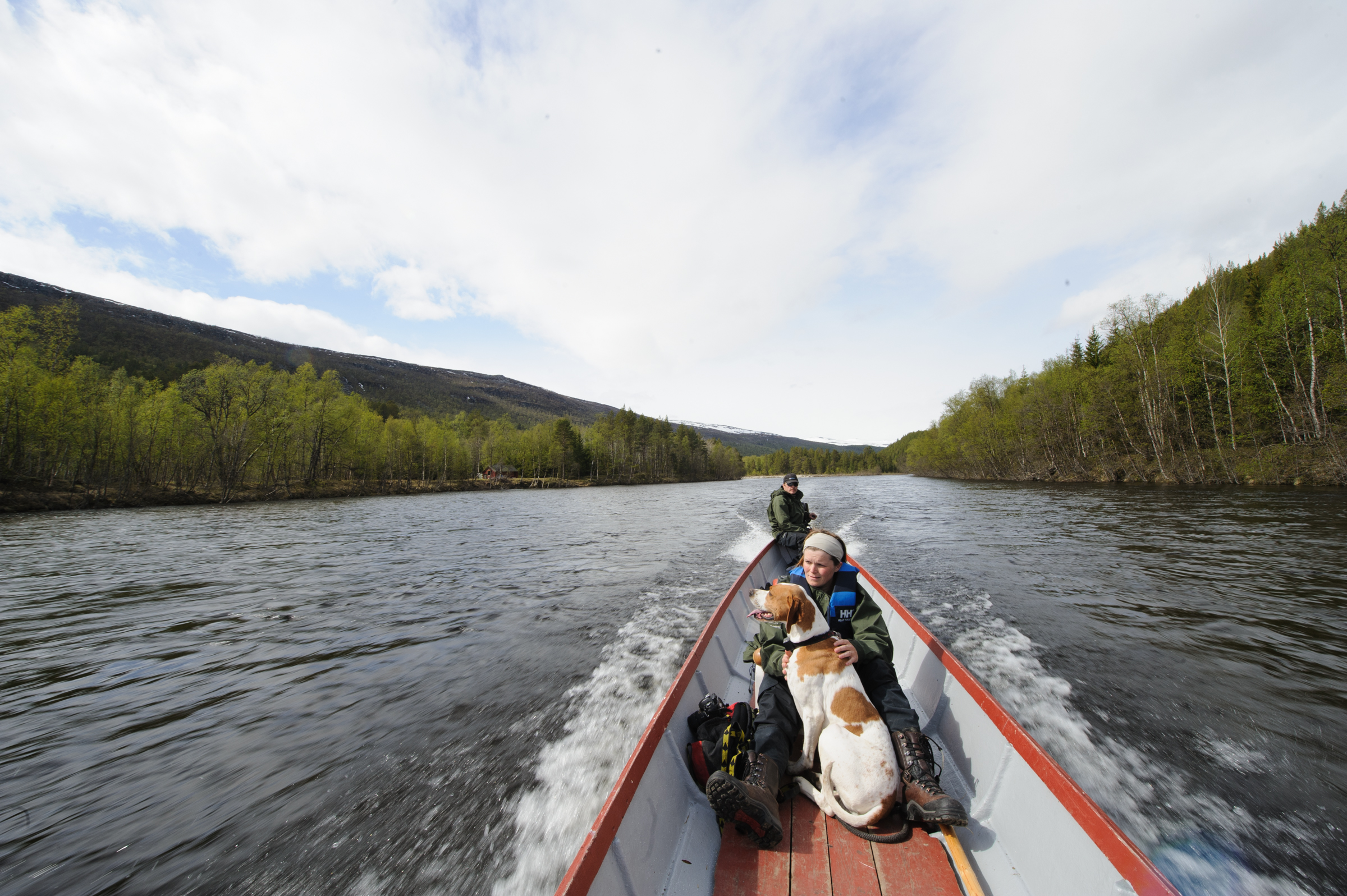
Three of the five happiest countries in the world are in Scandinavia, and if you lump Iceland into the mix, as many do, it makes four. Switzerland is the only outsider, but its presence can be explained by “chocolate.”
This raises all sorts of questions about Scandinavia, most of which distill to “why?” That Denmark, Finland, Iceland, and Norway are located in the north, where the light is clean and soft, could be a factor. The pragmatists at the World Happiness Report are more likely to point to excellent social support, high standards of living, and long life expectancy, and they may not be wrong. But perhaps, underneath the data, in ways that are impossible to measure, it has something to do with friluftsliv.
Friluftsliv comes from Norwegian and was first used in print in 1859 by poet and playwright Henrik Ibsen, but it’s a pan-Scandinavian idea: that living the “free air life” is like returning home. That’s not a new notion, that connecting
600 words to go
You’re just getting to the good part.
This story — and 42 issues of them — opens with a subscription.
Either one picks up right where you left off.
Join 7,000+ readers · Independently owned · Since 2008
Already a subscriber? Sign in