Arts + Sciences
People Changing How We See the World
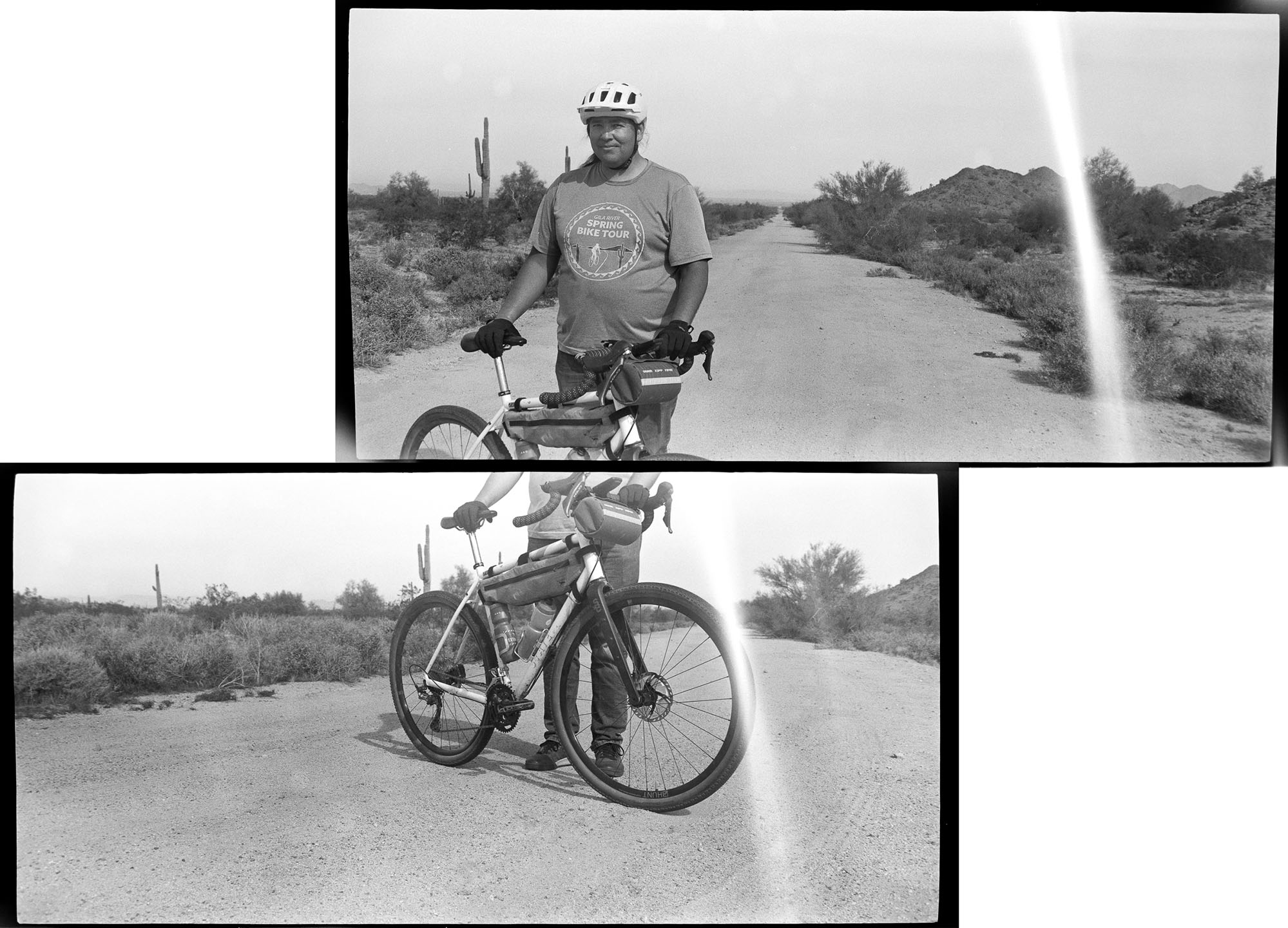
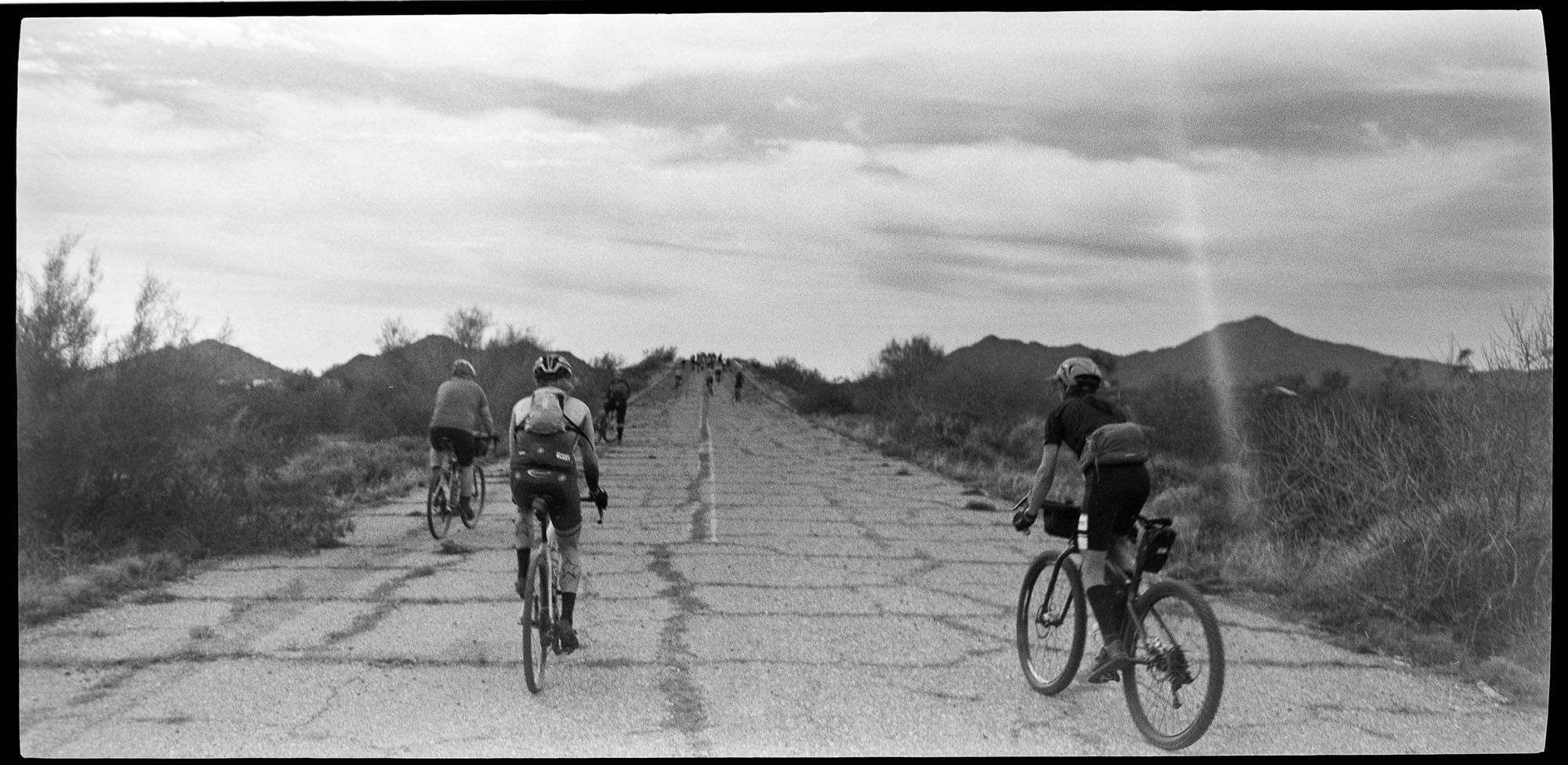
Elisha Bishop, the founder of the Rez Gravel cycling event in the Gila River Indian Community outside Phoenix, is learning as he goes. Or, as he says himself, he’s winging it. The communal group rides, held in 2024 and 2025 on the network of dirt roads on O’odham tribal lands, were never part of a master plan. Rather, they stemmed from the simple desire to get more people on bikes in his reservation—both tribal members and outsiders. Even today, as he contemplates whether to hold a third annual Rez Gravel in 2026, his main motivation, aside from sharing his homelands, is to raise money to supply the pop-up bike repair events he holds across the community.
Bishop was inspired by the beach cruisers provided by his tribe during covid lockdowns, which reconnected him to his childhood loving of cycling, and then meeting other Native riders at the Mid South gravel fest in Oklahoma, and, finally, an event called Tour de SiiHasin, put on by a friend in the Navajo Nation in northern Arizona. As he spent more time in the saddle and spinning local roads with the same five to ten friends, he became drawn to the idea of launching something more formal.
“Originally, the idea was a gravel race. It was just an idea in my mind—I don’t know how to do any of that, other than organizing small community bike rides. I created a little Instagram page and the first post was, this is just an idea, this is not thought out yet. This is something I’m trying to do, what do you think?”
Seventy-five people thought enough to show up in February 2024 for sixty-eight-, twenty-six-, or thirteen-mile rides—not races—plus a night of camping and a dinner made of traditional foods from the reservation. People were stoked, but tribal authorities didn’t know what to make of the event. “I was trying to work with the tribe to get some formal approval, but everyone I reached out to was not responsive. Maybe I wasn’t forceful enough. But if I’m not hearing a no, I’m going to do it anyway.”
In 2025, Bishop scaled back Rez Gravel to a sixty-mile ride one weekend and a twenty-mile ride the next. No camping or meals. The money he raised, though small, went to buy tubes and other parts for his repair pop-ups, which are growing.
“These bike repair days are catching on in the community. People are seeing what I’m doing. They tell me, ‘We see what you’re doing for the community.’ The tribe, I don’t know if they see the value in what I’m doing. I guess they just don’t get it.”
Maybe not. But the people do.
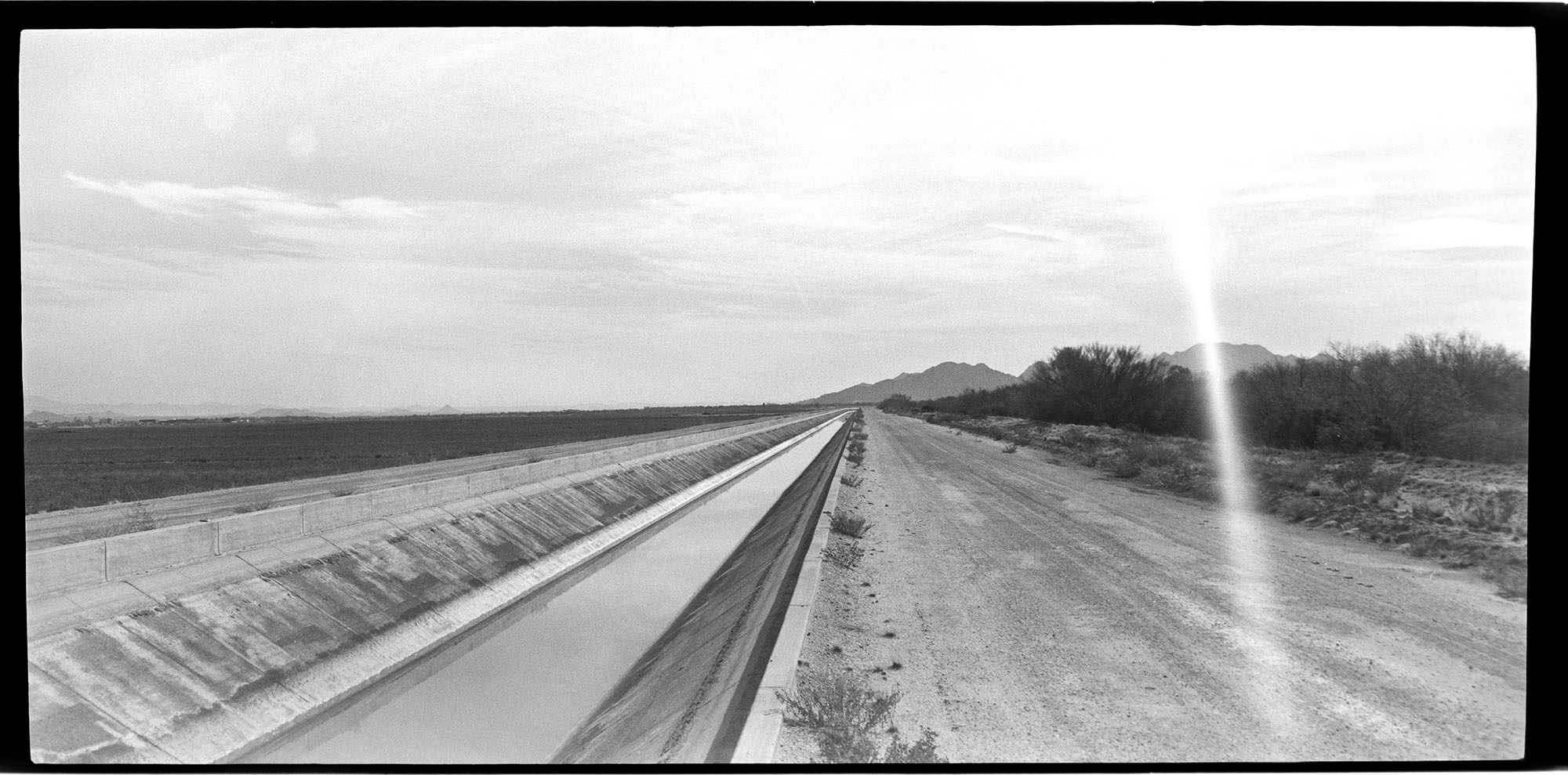
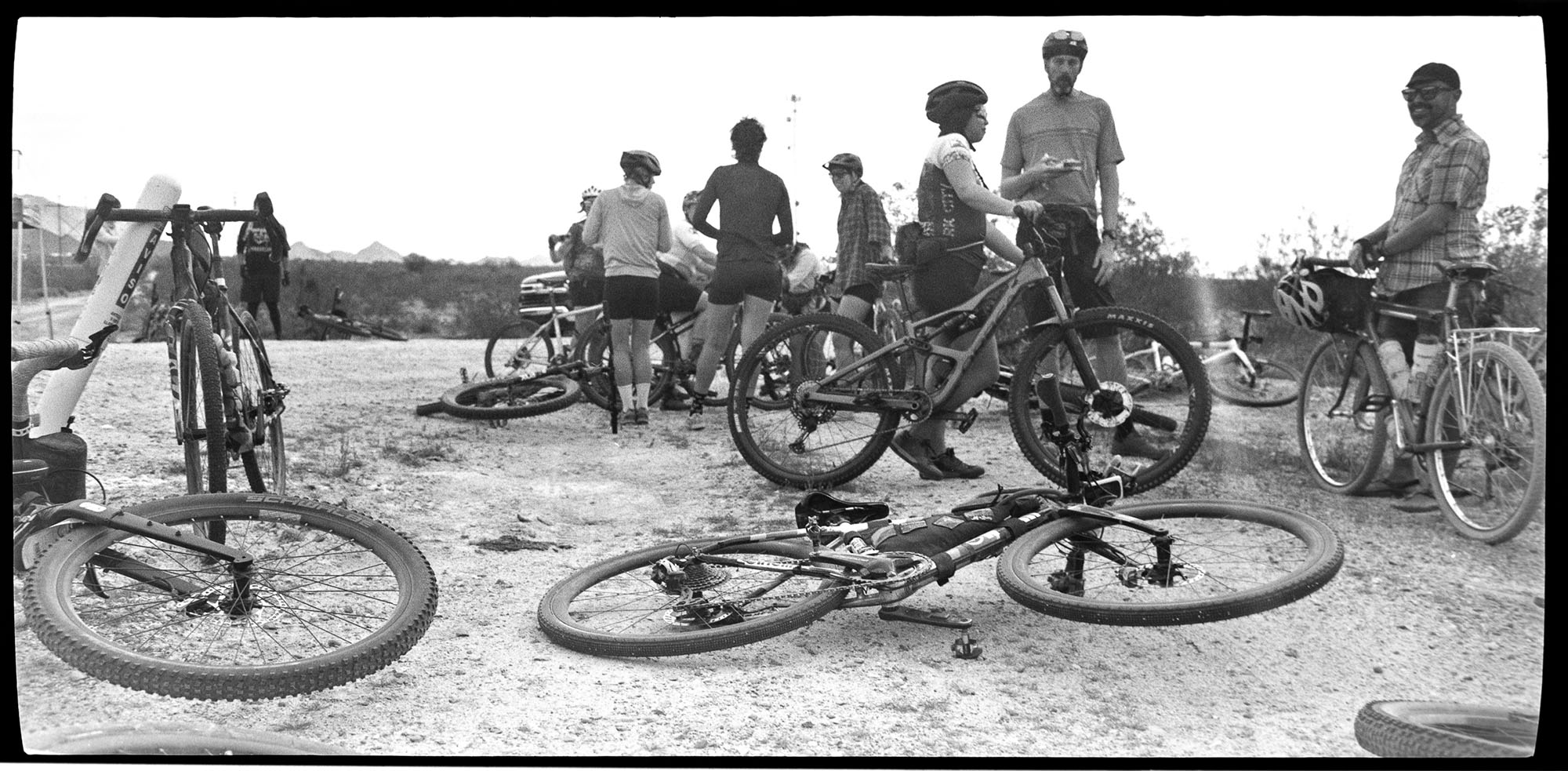
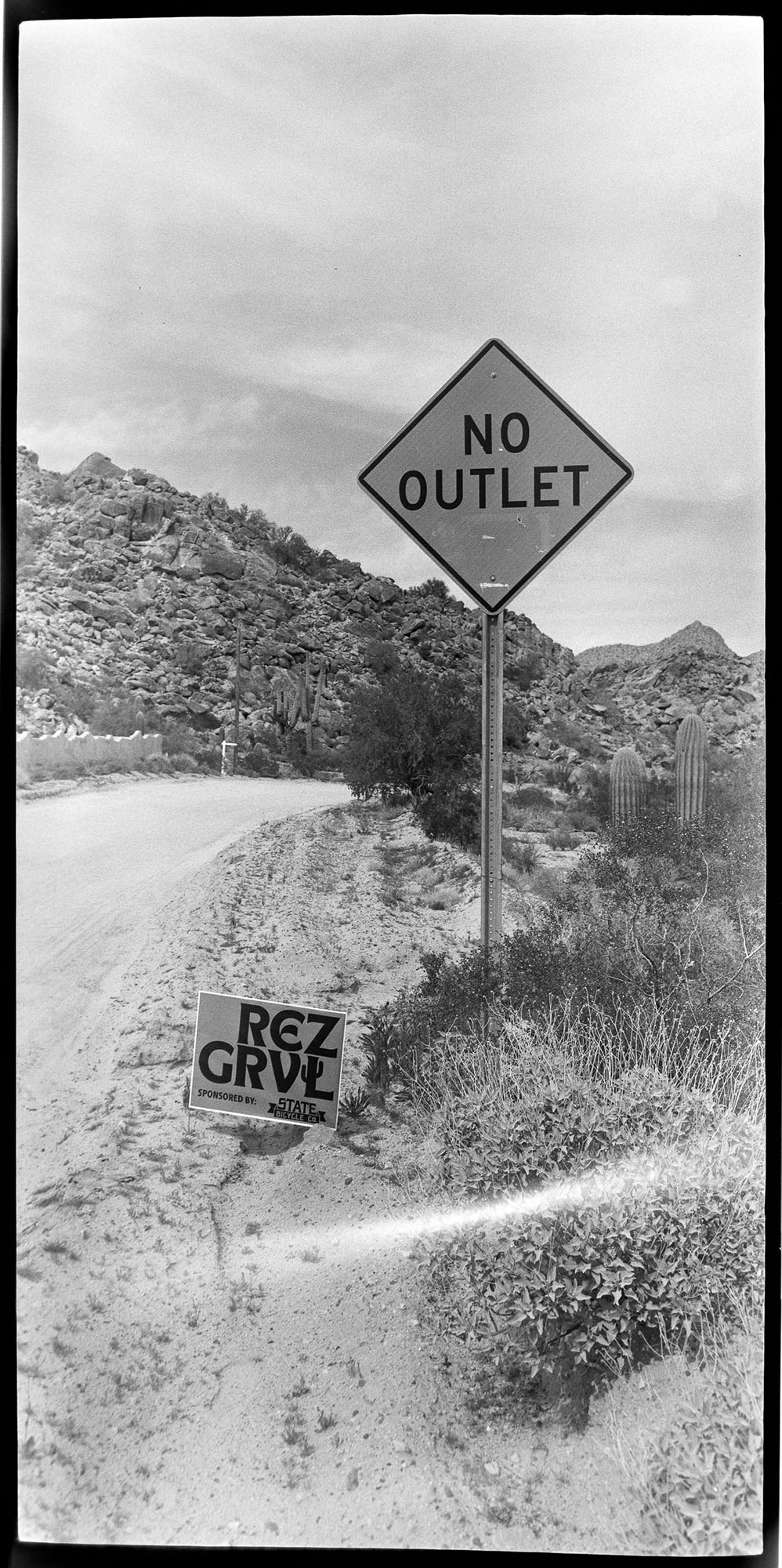
Photos: Erik Mathy (5)
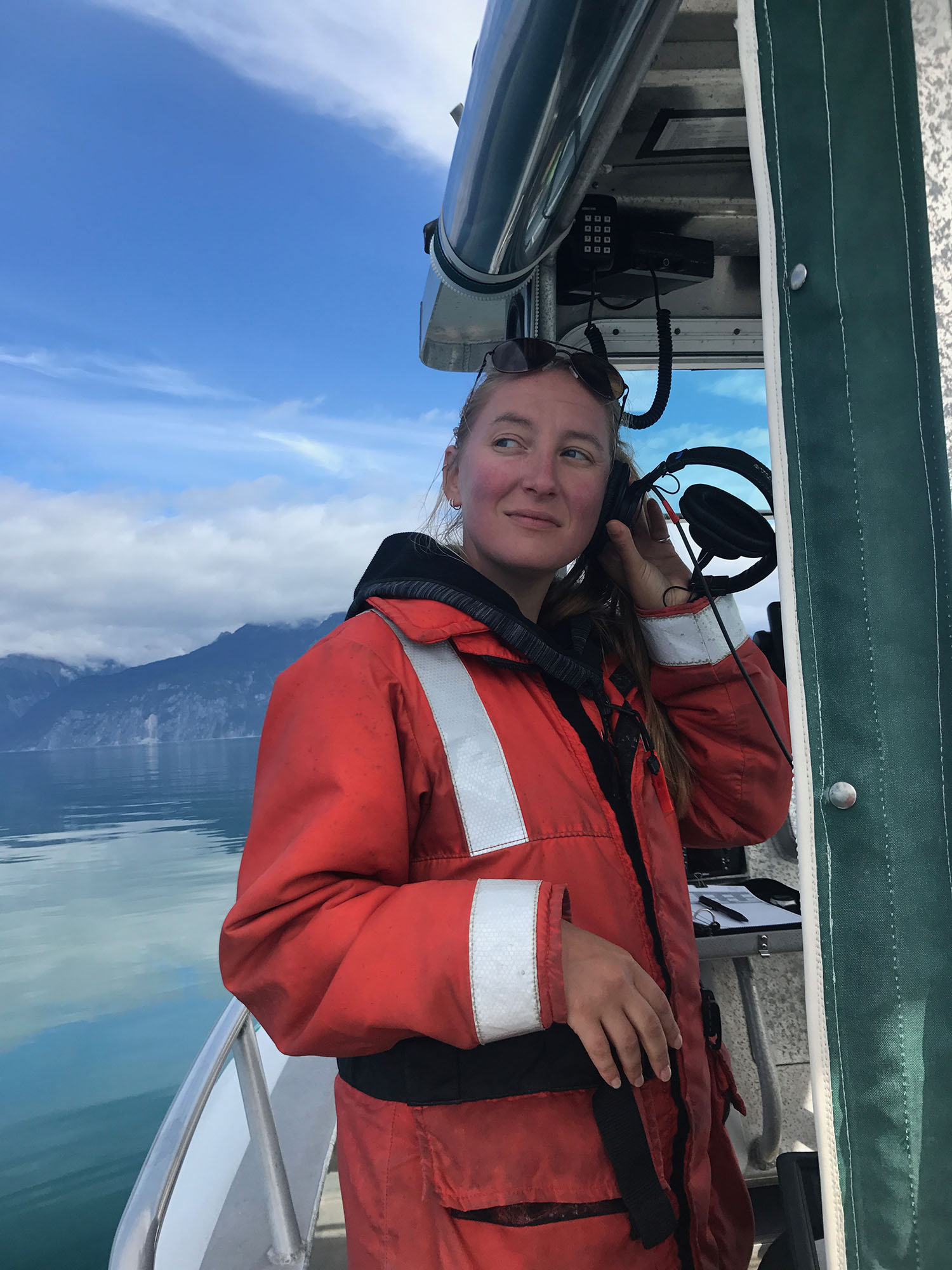
If humans are ever able to translate what whales say, thank Craigslist. Michelle Fournet, a marine acoustic ecologist at the University of New Hampshire who’s making strides in understanding humpback whale communication, launched her career after wading through ads on everyone’s favorite site for used lawnmowers and wagon-wheel tables.
“I moved to Alaska when I was twenty-two because I was broke and bored and I was living in Chicago,” she said, “and I couldn’t afford anything. I saw a job posting on Craigslist and it said, ‘work on boats in Alaska.’ And so I packed up my dog and all our stuff and I bought a $280 car and I moved to Juneau.”
The job was crewing whale-watching boats, and one day, gazing in the water at these giant beasts, she wondered what kind of impact the boats had on the whales themselves. “I was shocked to find out that we didn’t have any answer.” Curiosity sparked, she returned to school to earn a marine management degree, followed by a Ph.D. on the impact of noise on humpbacks. Once again, she was surprised at how little science understood about their communication.
“Something as straightforward as what does the whale say? I thought we knew. I mean, this is the most listened-to whale on the planet. We know more about humpback whales than probably any other whale out there, and we didn’t even have a basic vocabulary.”
In 2011, Fournet traveled to Alaska, got herself a nine-foot tender-style boat, dropped hydrophones into the water, and started recording. Her goal was to build a catalog of whale sounds and begin to tease out their meaning. It hasn’t been easy. Whales don’t use representational language. They don’t have discrete sounds for specific things, like, say, “fish.” Said Fournet, “Their local behavior exists on a continuum, where one sound type morphs into another sound type, which turns into another sound type. And so finding out where the edges of one sound ends and another one begins is really complicated.”
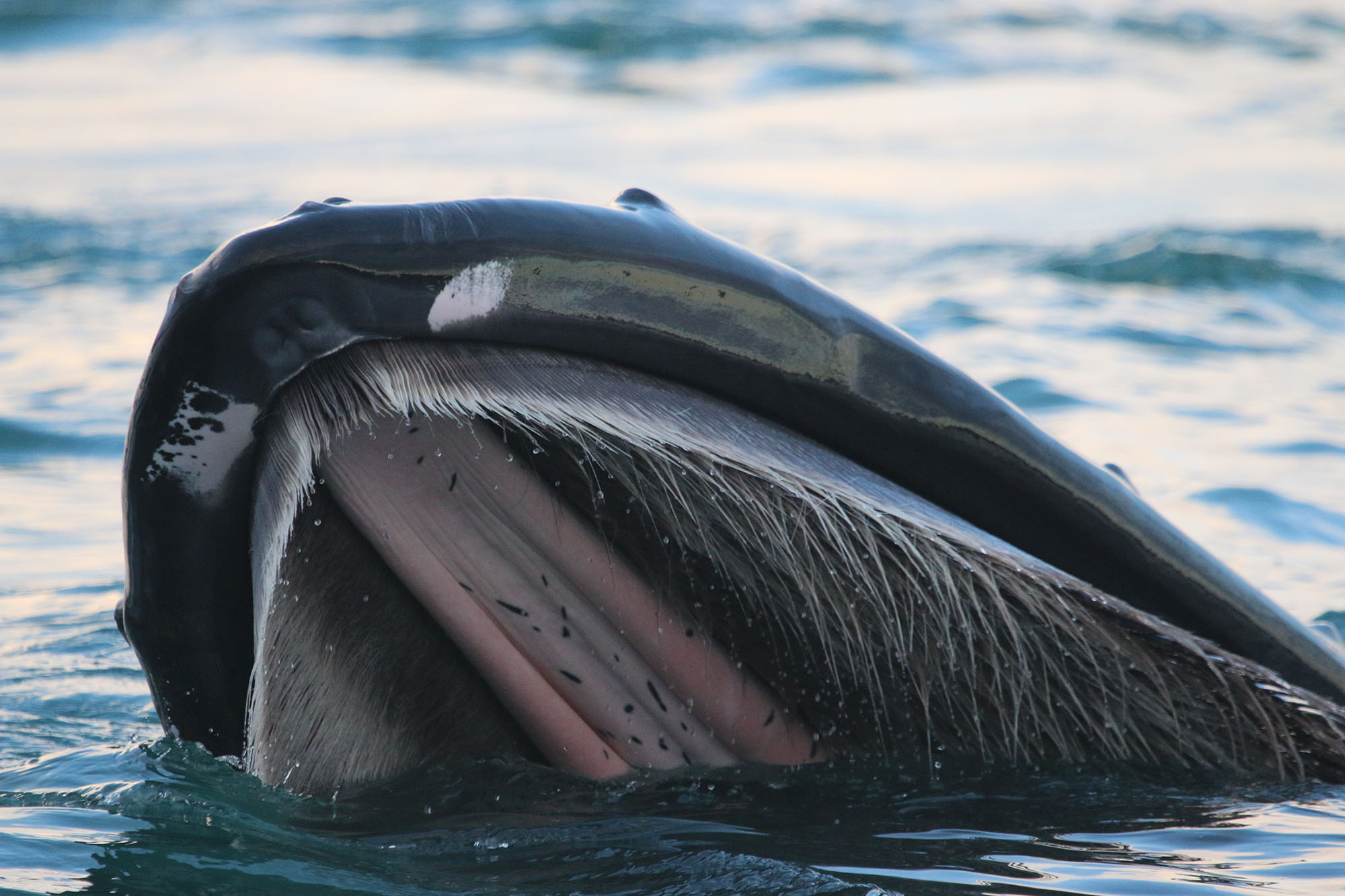
Fournet focused on sounds that were dependable—less fuzzy—and in studying these she made a remarkable discovery. Whales make what she calls whoop sounds, which turn out to be the rough equivalent of hello, I’m here, what’s up. Whoops help whales find each other across time and space, and encoded in them is each humpback’s distinctive timbre, or voice, that lets other whales identify them.
Whoops are part of the global humpback language and have existed, research shows, for at least three million years. “What a beautiful thing is that,” Fournet said, “for a hundred times longer than human beings have been on this earth, whales have been saying the same thing over and over to each other.”
Photos: Rachel Lewis, Kate Pospisil, Natalie Mastick Jensen
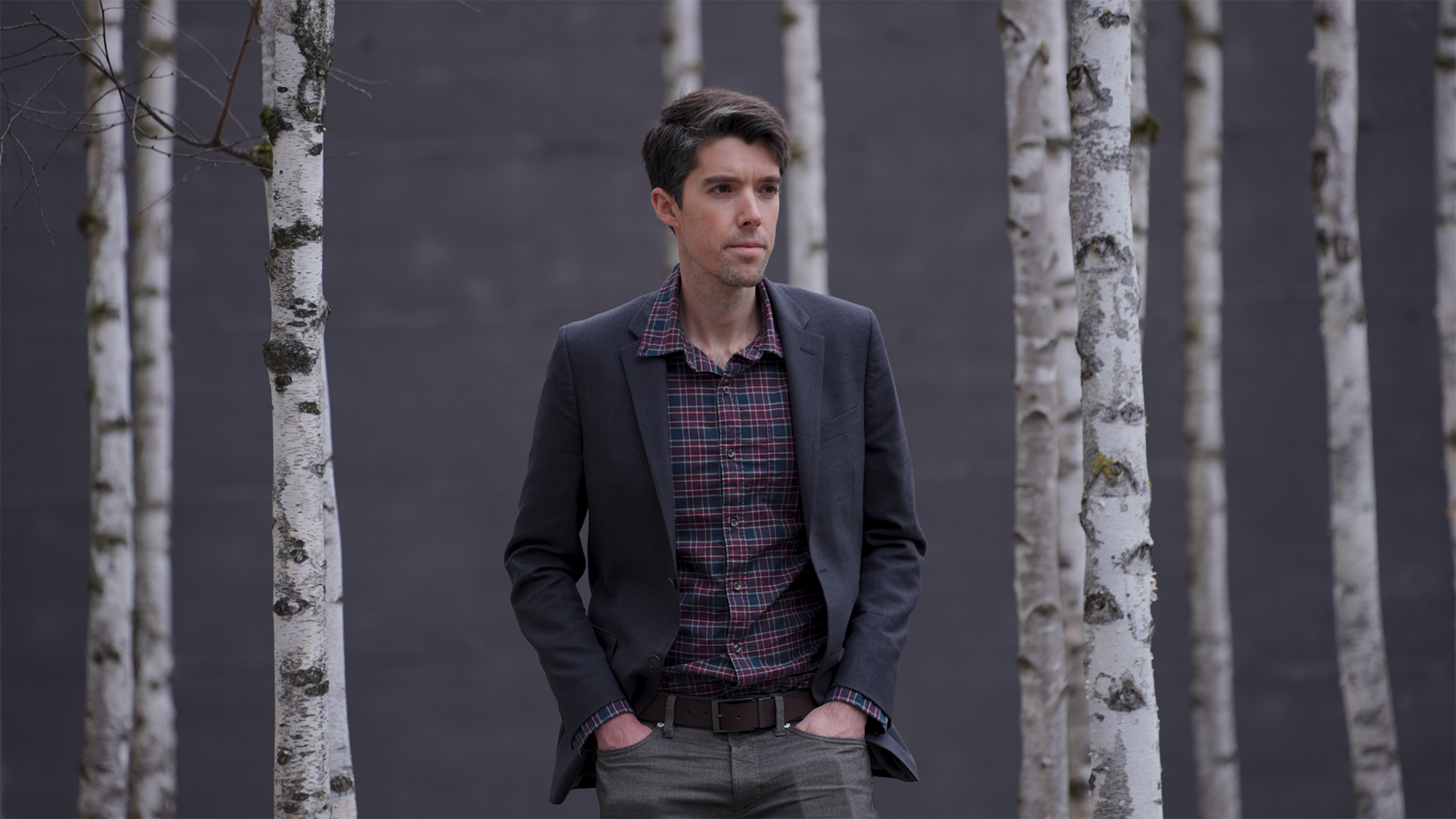
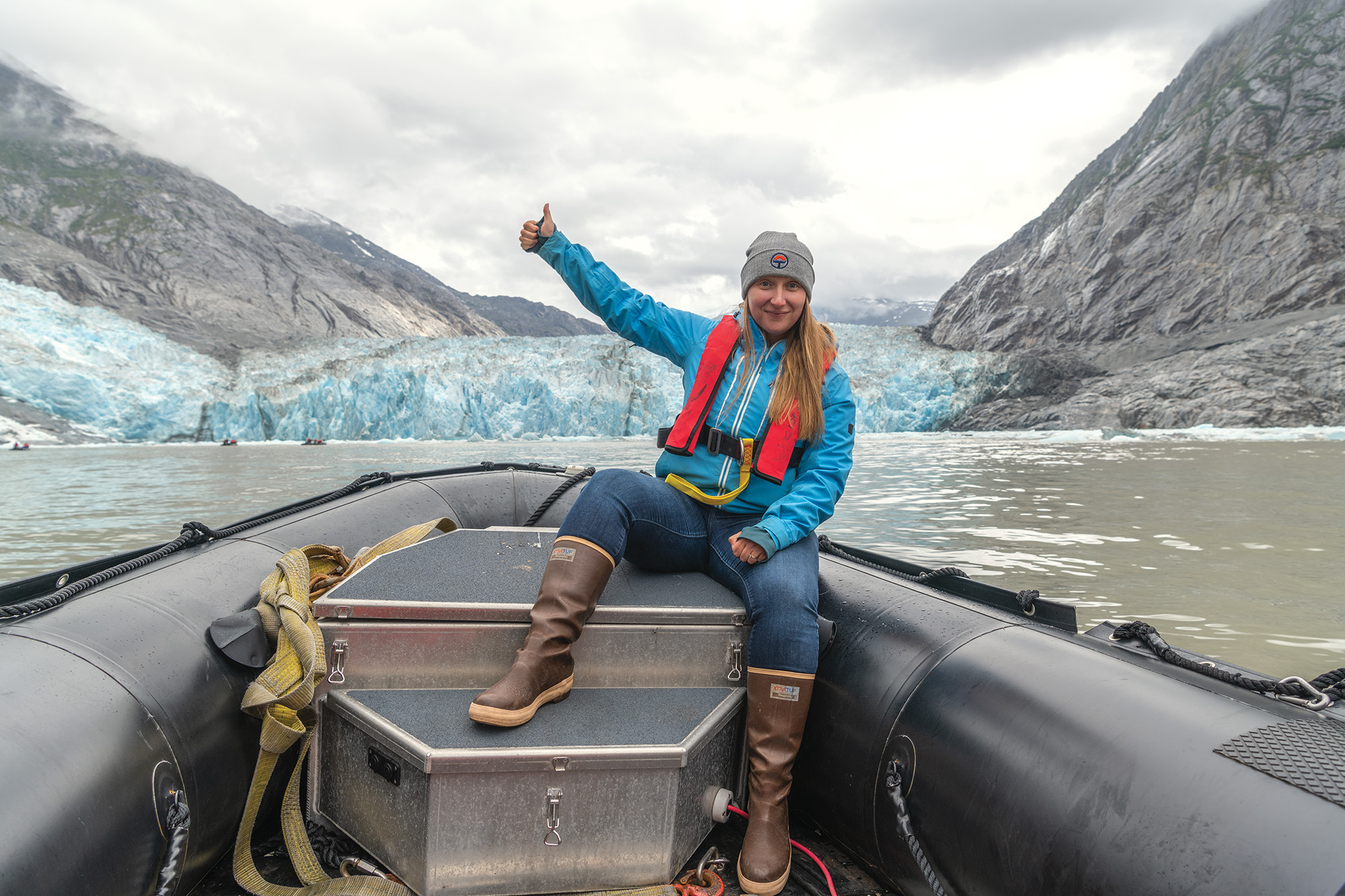
There is no shortage of work—and will be no shortage of work—for Dr. Daniel Swain, who has devoted a significant chunk of his climate science career to studying extreme weather events. Floods, droughts, hurricanes, and wildfires are common, but in a world fueled by increasing heat, those once-in-a-generation storms are becoming dramatically more intense—and bringing with them massive losses in destruction and lives.
“These are the things we understand the least. How will the most extreme events change? It’s where the cutting edge of the scientific questions are, but also where the vast majority of the societal and ecological impacts come from,” Swain said. “Sometimes we surprise ourselves with how much these things have shifted already. We’ve seen more than a doubling in extreme fire weather in California since the 1980s. That’s not a small change.” Indeed, shortly after the destructive January 2025 Los Angeles fires, Swain and his collaborators published a paper called “Increasing Hydroclimatic Whiplash Can Amplify Wildfire Risk in a Warming Climate.”
Embedded within the National Center for Atmospheric Research (NCAR) in Boulder, Colorado, but with a primary affiliation with the University of California Agriculture and Natural Resources, Swain has become a trusted voice on the intersection of weather and climate. His legions of fans follow his popular blog Weather West, view his livestreams on YouTube, and compulsively refresh their Bluesky feeds during major weather events to see what he has to say. Vice named him Human of the Year in 2020, and he is a go-to source for mainstream media looking to explain complex events succinctly.
After thousands of lightning strikes in California in August 2020, Swain put his research work on hold to devote himself to providing information to the public. “In a matter of weeks, I did more than one hundred interviews with television, radio, and newspaper outlets, and walked a social-media audience of millions through the disaster unfolding in their own backyards…Having a foot firmly planted in both research and public-engagement worlds has been crucial.”
Beyond his advocacy for scientists to become more active public communicators, he’s also working to break down the walls between those working on weather issues and those working on climate. At NCAR, he points out, climate scientists and weather researchers work on separate campuses miles apart. “In the world’s foremost global atmospheric research institution, there is physical separation between the two. That’s a powerful metaphor for the siloing between weather and climate. That is finally starting to change, but there’s still a long road ahead.”
No, no shortage of work at all.
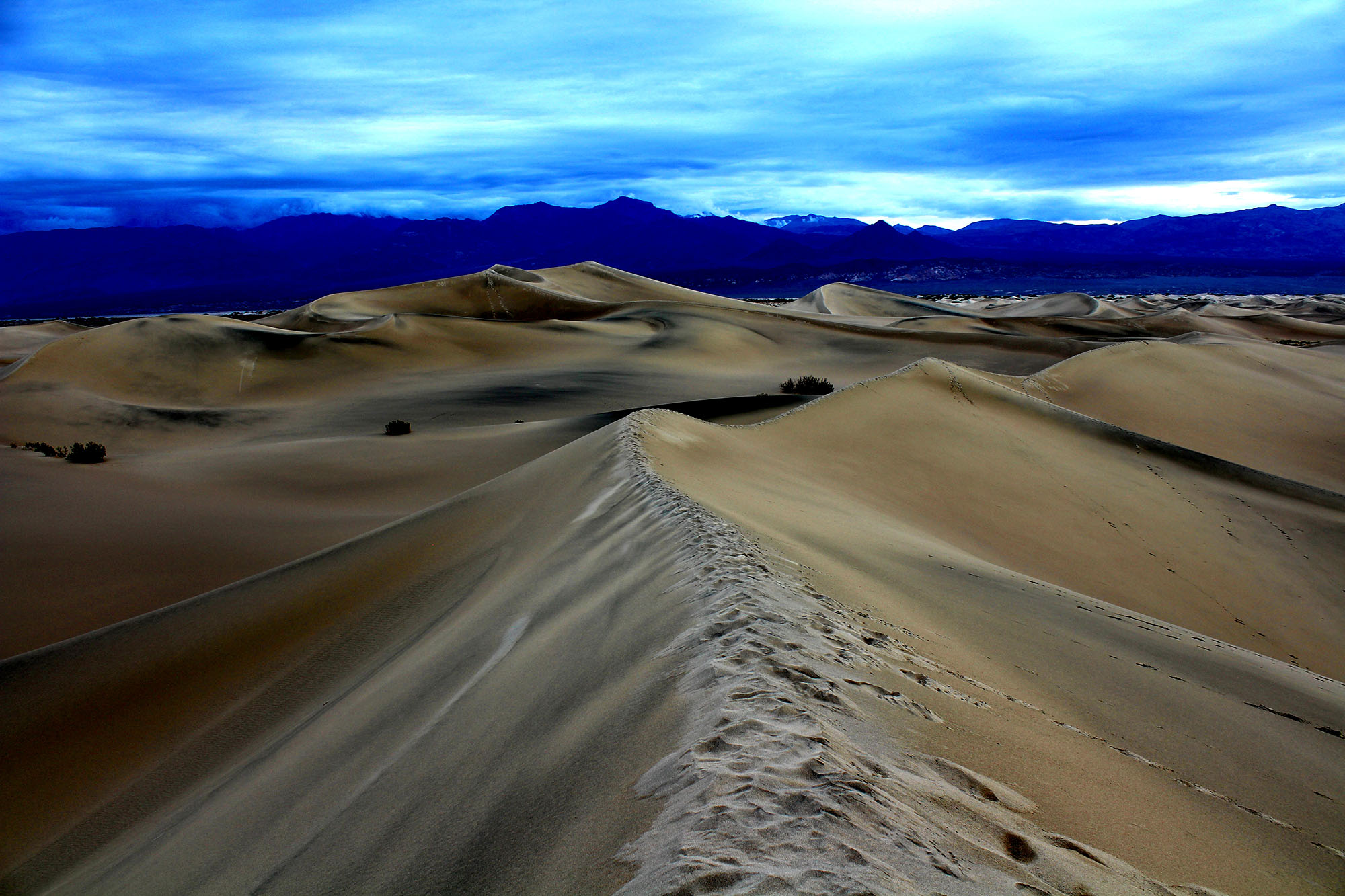

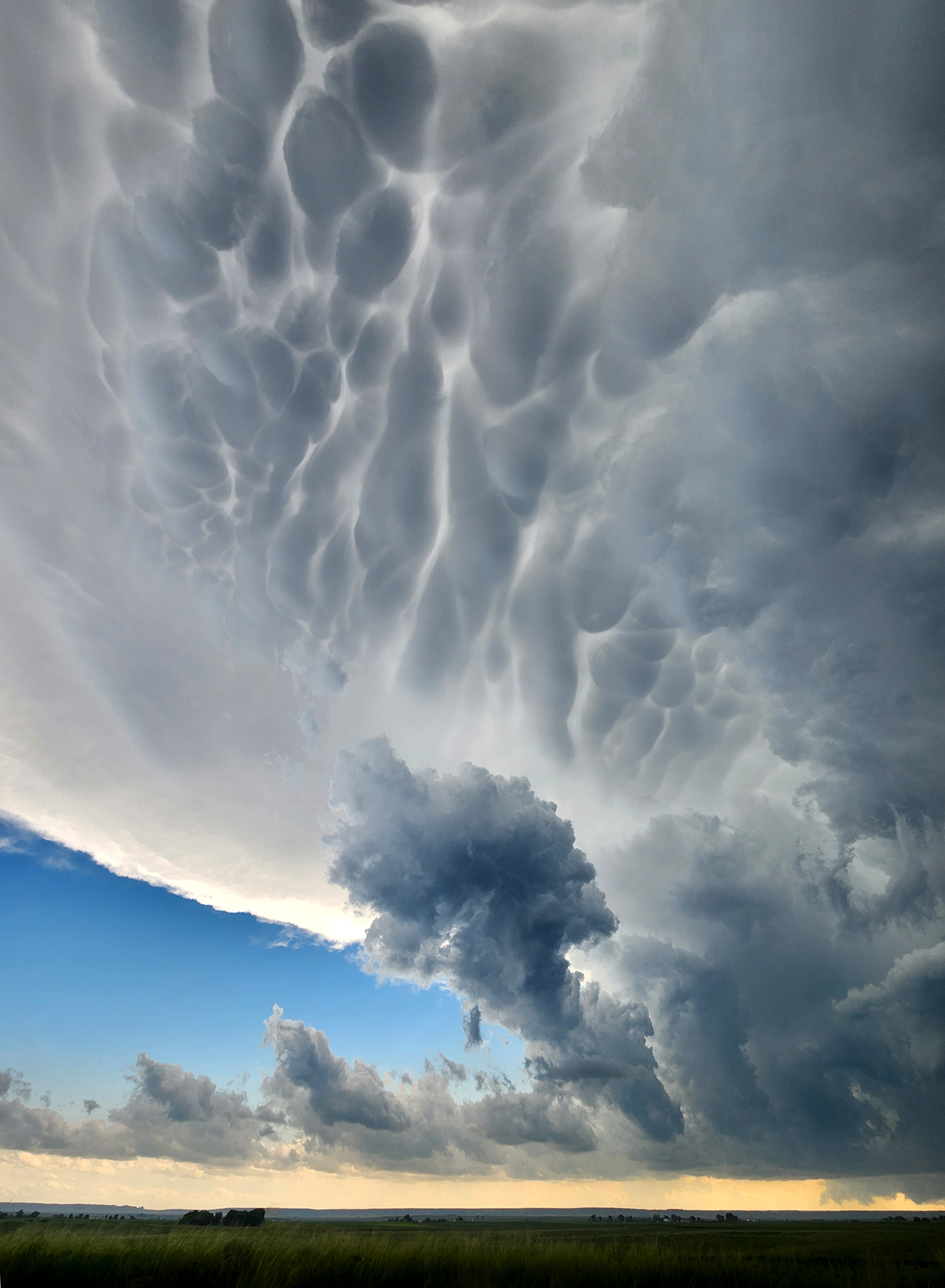
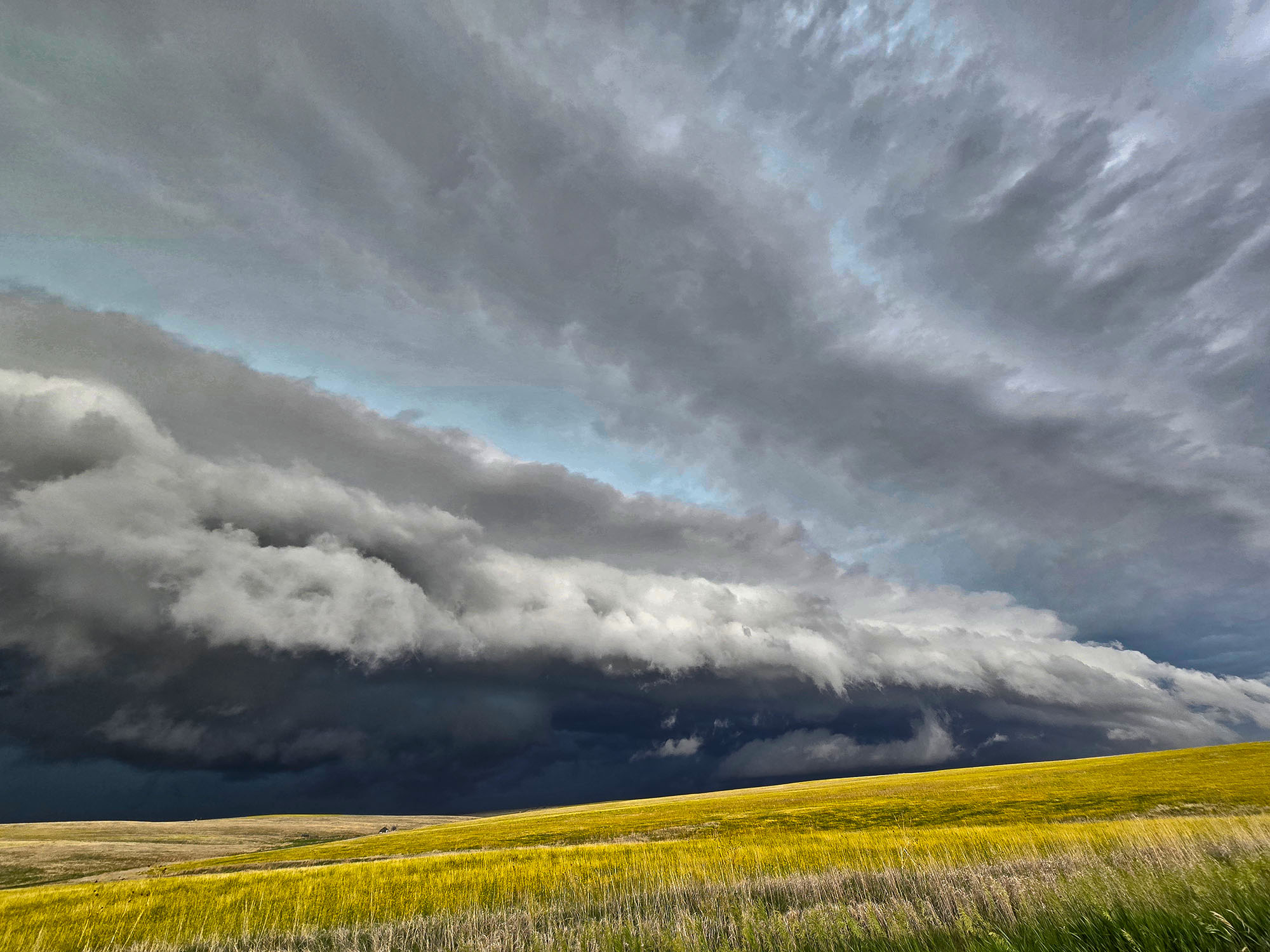
Photos by Daniel Swain
41 issues. 10 years. Independently owned. Printed on 70lb uncoated paper with a soft-touch cover, solar-powered, and shipped in a brown paper envelope. Free domestic shipping.