Arts + Sciences
People Changing How We See the World
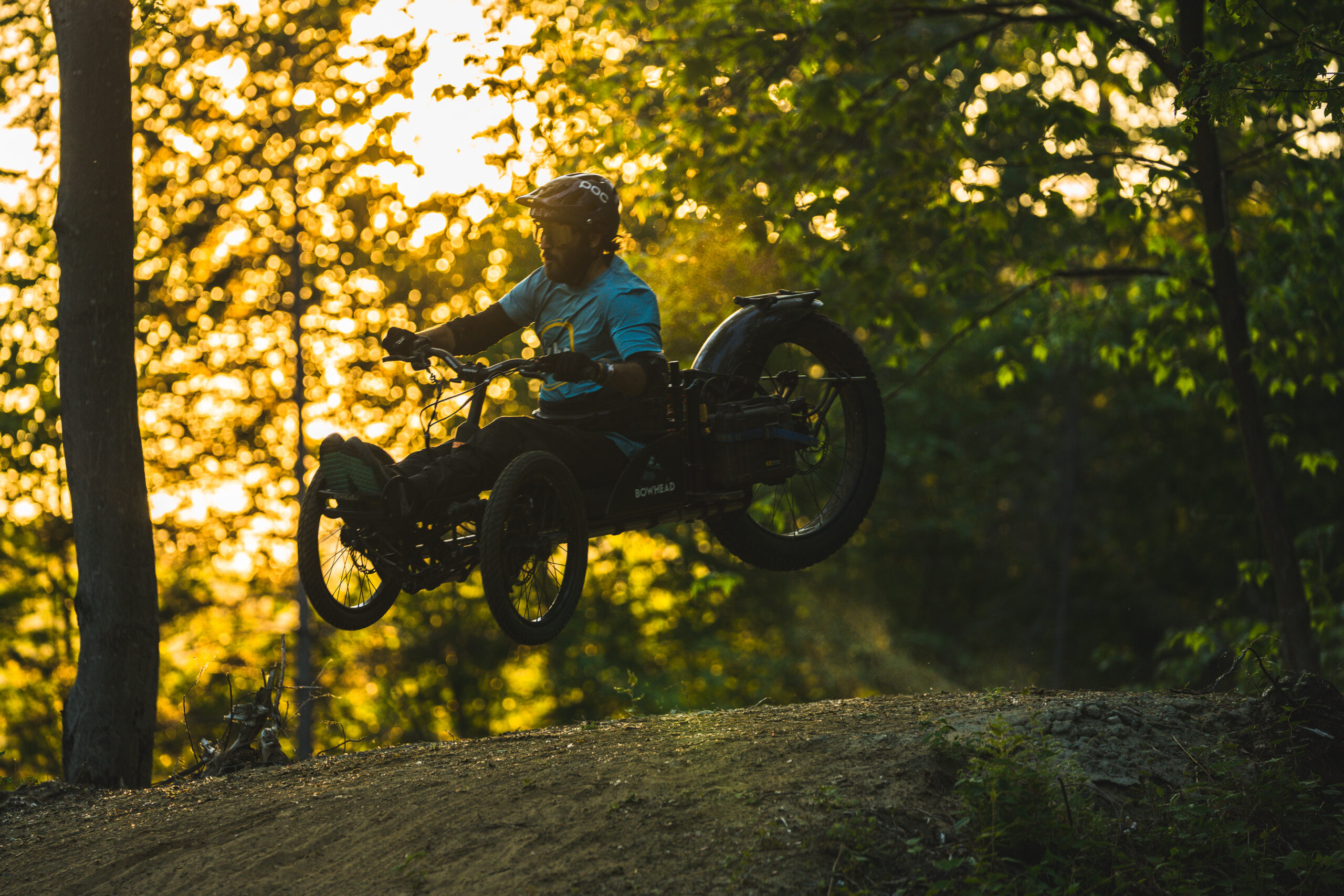
Forty-eight-minute documentary Best Day Ever has won awards at nearly every film festival where it’s screened, including the audience choice and best mountain sports film awards at the prestigious Banff Mountain Film and Book Festival. This is no surprise: Best Day Ever beautifully tells the story of two Vermonters and adaptive athletes, Greg Durso and Allie Bianchi, as they and a small army of friends build a mountain biking trail network suitable for their bikes and skills as expert riders. It never mines their spinal cord injuries for pathos or sympathy; it simply shares the challenges of people who just want to ride sweet singletrack.
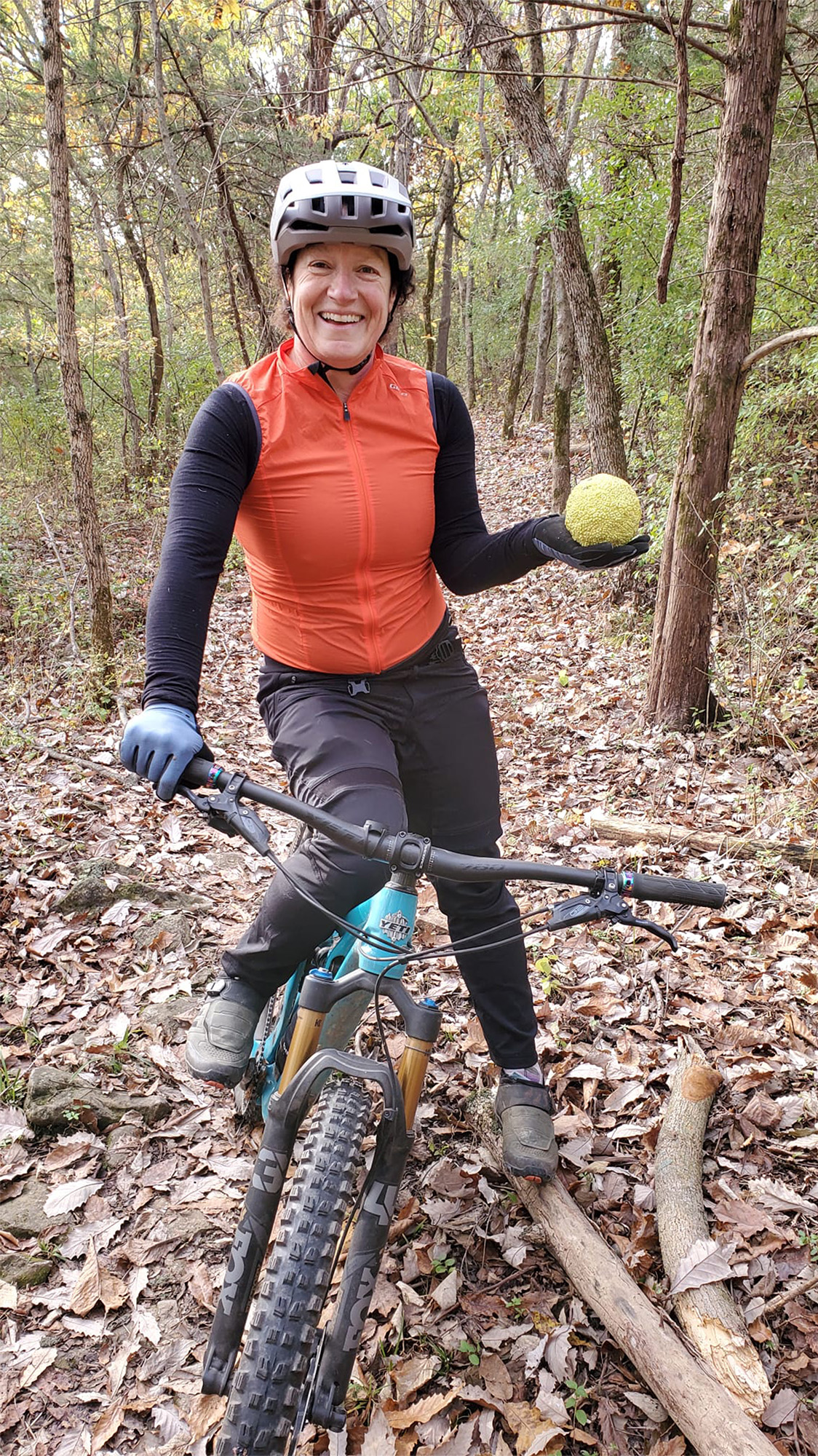
The film was directed by acclaimed veteran Ben Knight, but it was instigated and co-directed by longtime outdoor journalist Berne Broudy, who lives in Richmond and spends her happiest summer days riding her mountain bike. On a group ride with new friend Greg, she and her buddies had to dismount every few minutes and carry him and his rig across multiple bridges because they were too narrow for his adaptive bike.
“I’m the president and co-founder of Richmond Mountain Trails,” Broudy said, “which is this tiny trail club that’s a chapter of the Vermont Mountain Bike Association. As we were going through this run, I just kept thinking, This is so stupid, these bridges are preventing Greg from being able to go outside on his bike, and that is such an easy thing to fix.“
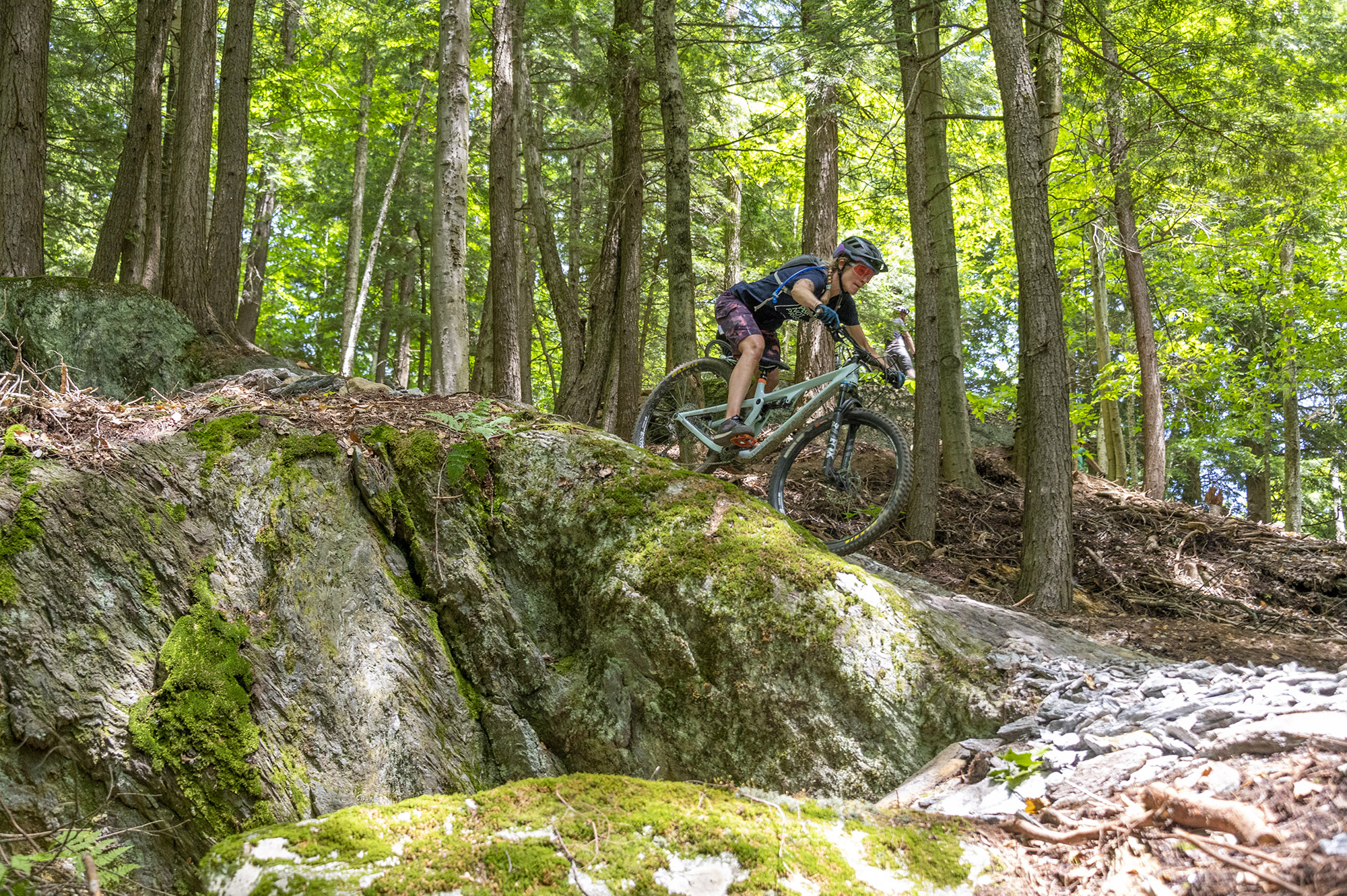
Broudy had volunteers, lumber, and hardware, but no place to build new trails—until a few months later, when, serendipitously, a Richmond landowner offered RMT a two-hundred-fifty-acre parcel. A professional trail builder told the club the land was too steep and rocky, but they forged ahead. Two hundred volunteers devoted more than six thousand hours of work, and within three seasons, the Driving Range network was open. Riding the whole thing covers eight miles of adaptive-friendly trails—it is the only all-adaptive trail network anywhere.
“Fundamental to this project for me was ‘no pity,'” said Broudy. “Everyone feels bad for people who have a disability, but working on the trails, it became clear to me that Allie and Greg don’t feel bad for themselves. They just want people to treat them like human beings. I really hope this film changes how all of us look at somebody in a wheelchair and makes us think about what we can do in our own communities to create change.”

Photos by Mark J. Clement / Jeb Wallace-Brodeur / Topspin Studios
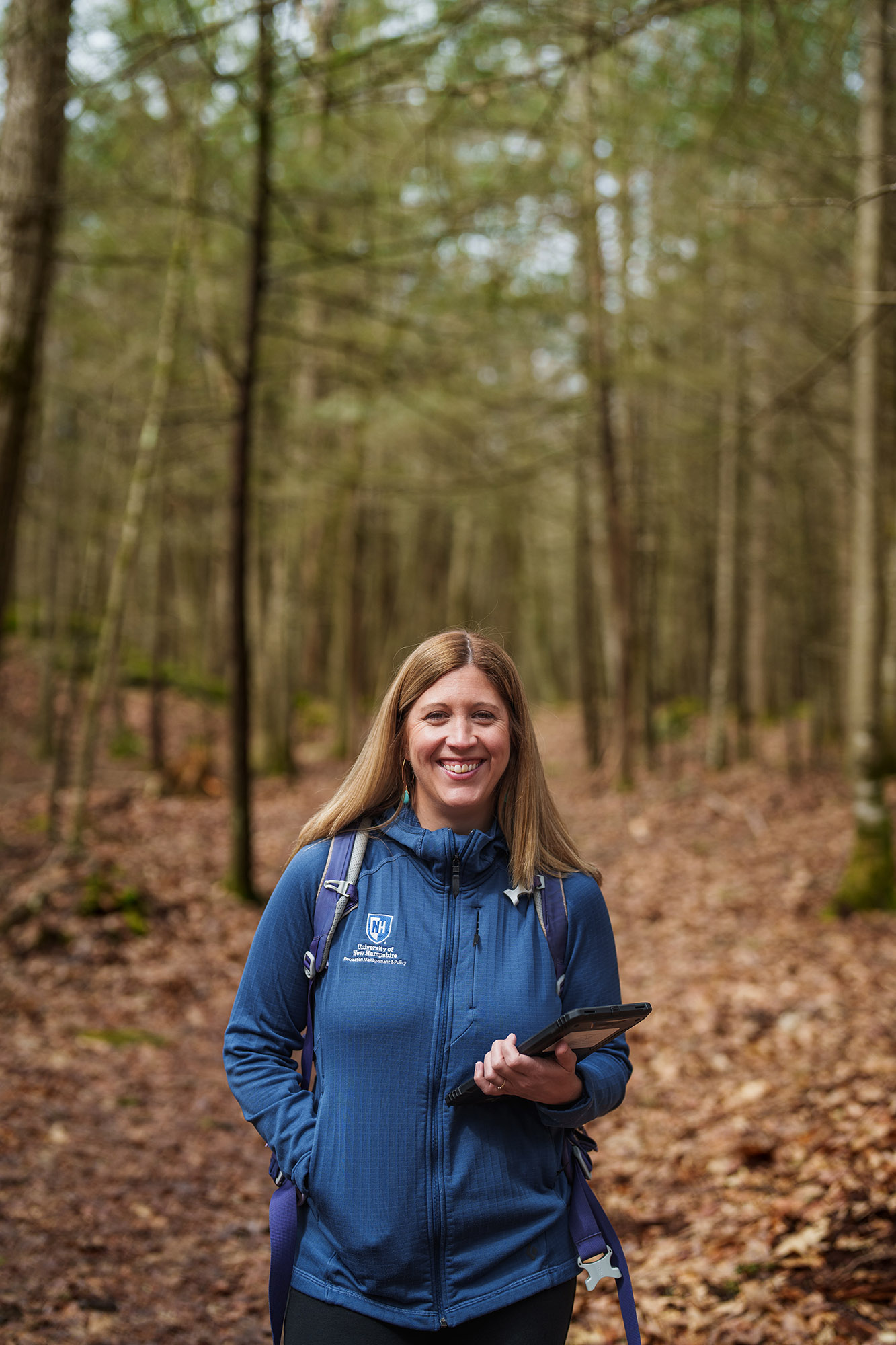
When Lauren Ferguson was a kid on summer vacation, like a lot of groms, she wanted to ride a jet ski. But it was not meant to be. The family road-tripped from the hustle and bustle of the Chicago area to the quiet of northern Wisconsin, and her father insisted on sailing and windsurfing instead of motorboating so they could hear loons and whippoorwills and recreate in peace.
“As a kid, at first, I’d be like, ugh,” she said. But when she was a little older, she became a camp counselor in those same northern woods, “and that’s when it hit me, being in a place that’s quiet is more relaxing. It’s a way I feel more connected to nature and far away from the noise of the day-to-day.” Then in college, at Colorado State, she heard a guest speaker from the National Park Service lecture about the importance of protecting sounds, just as they protect wildlife, water, and air, and her die was cast.
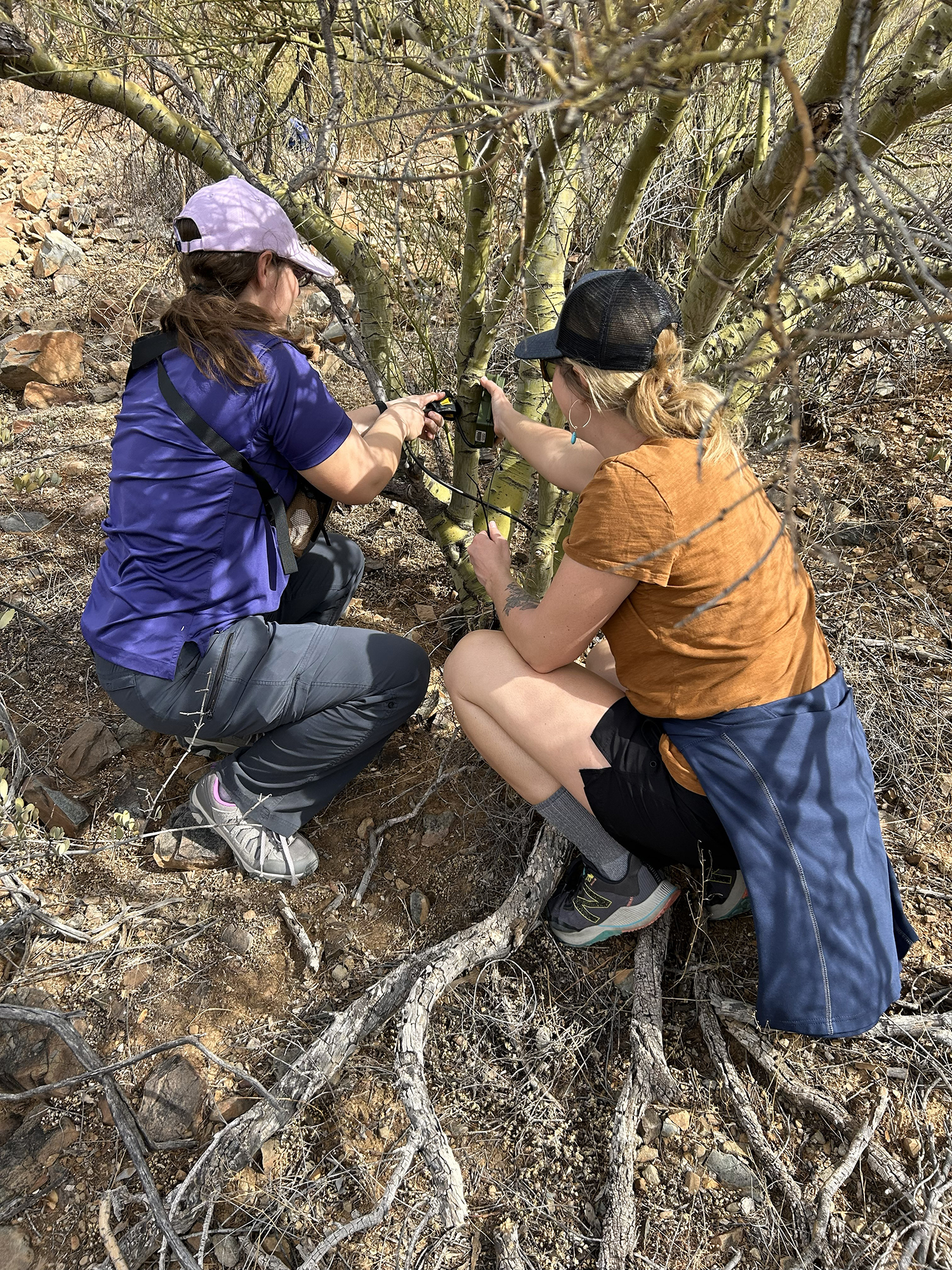
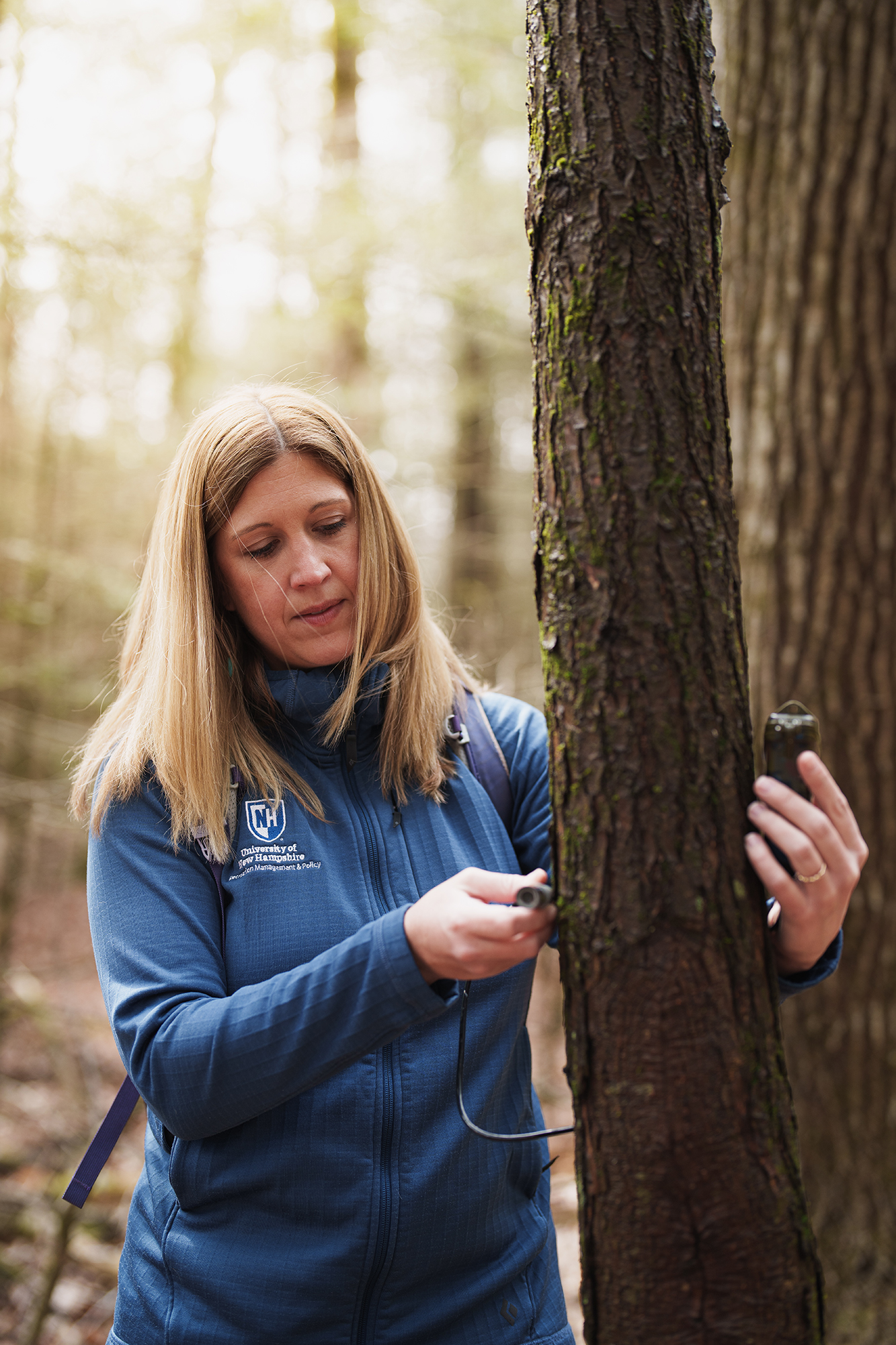
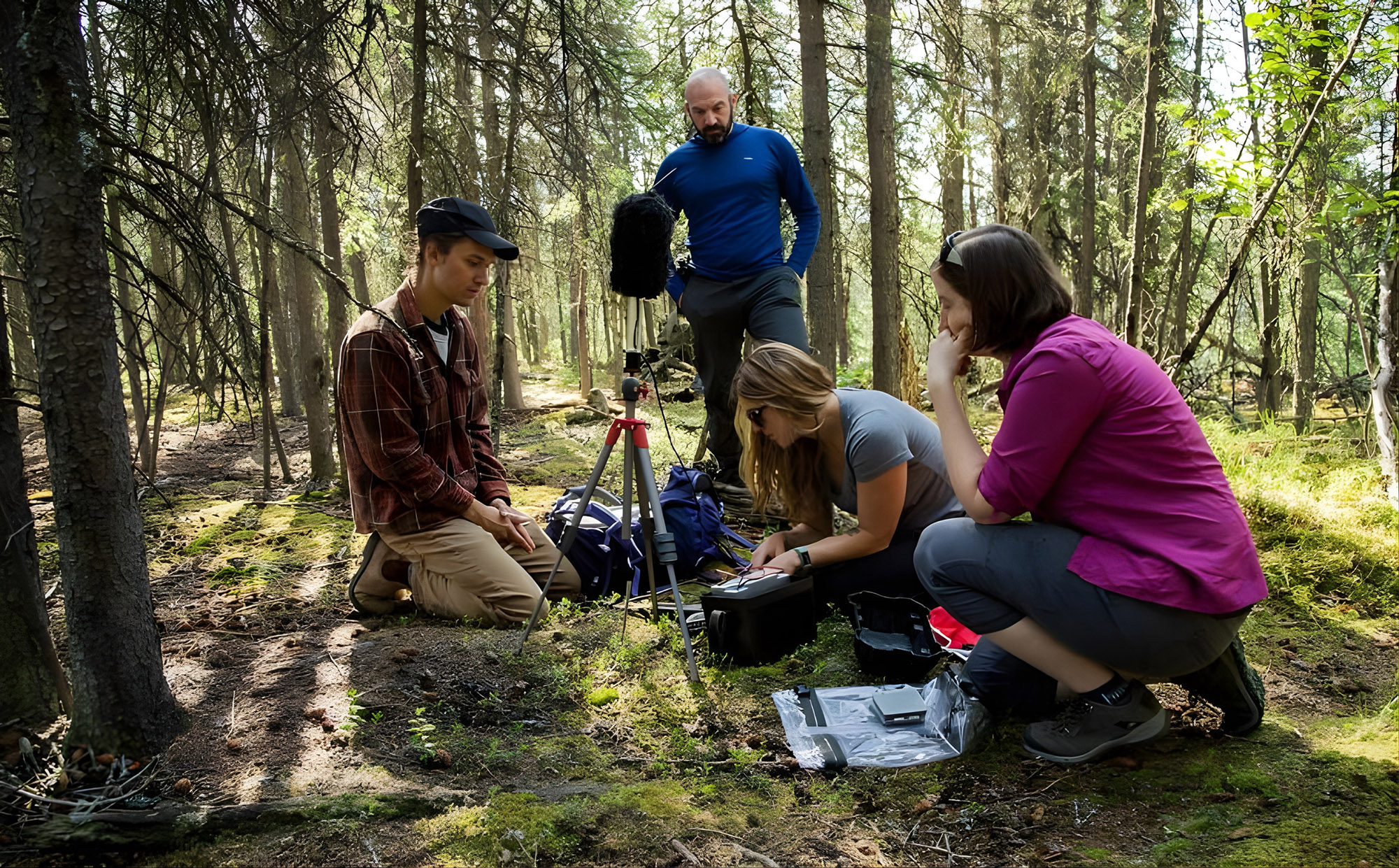
Today, Ferguson is an assistant professor at the University of New Hampshire, researching soundscapes and the impact of noise on people and animals, especially in national parks. In Alaska’s Denali National Park, she looked at the impact of sightseeing flights on visitor enjoyment (spoiler: people don’t like them). In Muir Woods National Monument, she studied how visitors’ noise levels at home influence their perceptions of the park soundscape. And in Saguaro National Park near Tucson, she measured how signage about noise levels and natural sounds impacts the human experience.
The Saguaro project was produced with the Park Service and the Leave No Trace organization. Noise—whether from an airplane, car tires on pavement, or a portable Bluetooth speaker—knows no boundaries. It doesn’t stop at a fenceline, and it has negative consequences for creatures great and small.
In Saguaro, signs were posted on two trails, stating “You Are Entering a Quiet Trail,” and offering guidelines to better enjoy the soundscape. The results of Ferguson’s study? Hikers loved the signs. They perceived the signed trails to be quieter, and they overwhelmingly supported more soundscape messaging. They were strongly against loud, portable speakers, and if that doesn’t shock you, it’s still important. Wrote Ferguson, far from any jet ski lake, “These results provide empirical justification for incorporating messaging into signage, social media outreach, and other communication channels aimed at reducing noise in protected areas.”
Photos: Brian Peterson / Jeremy Gasowski / Protected Areas Research Collaborative
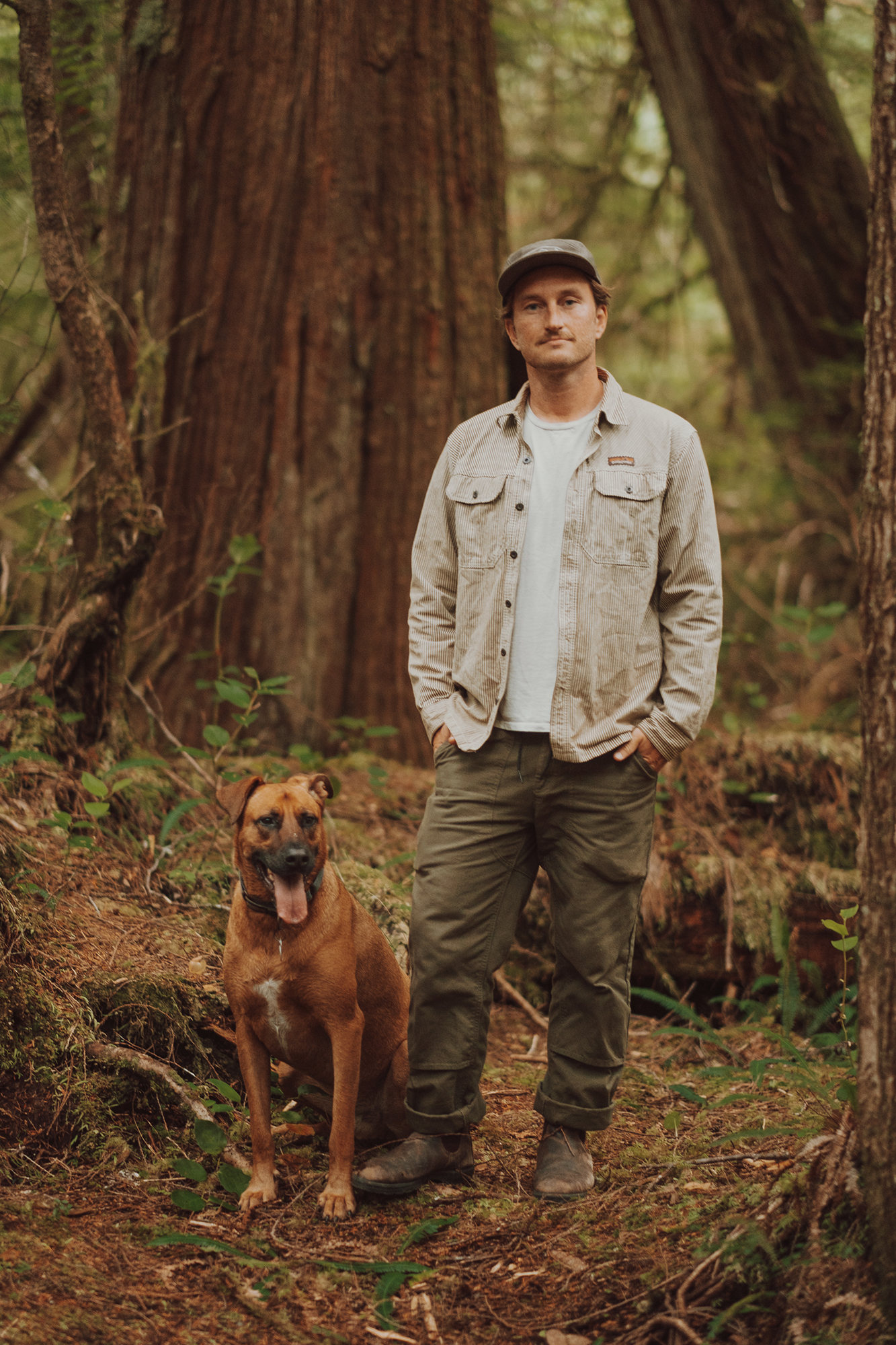
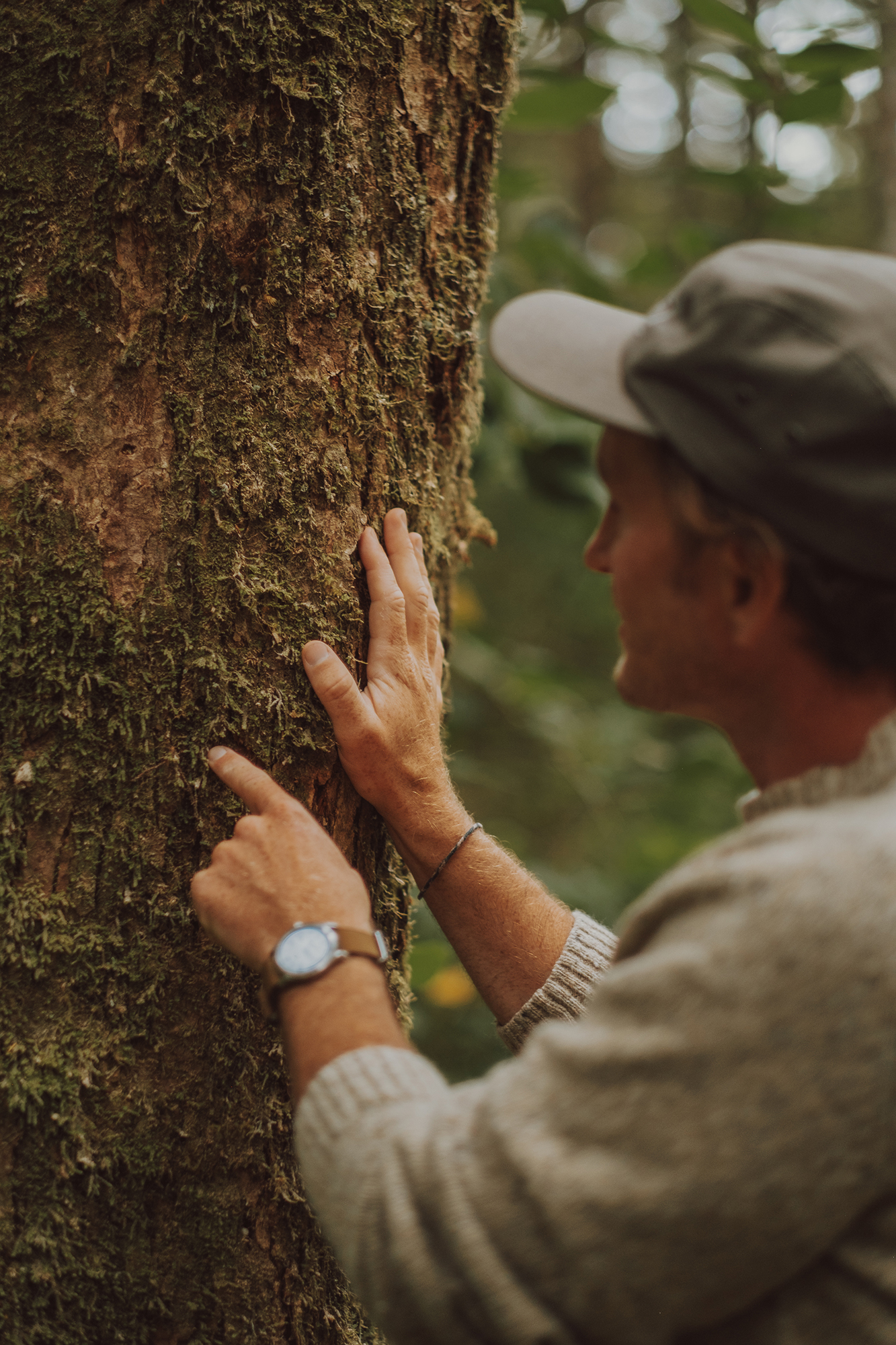
“Oh my god dude, you are so annoying.” Motivation can come in many forms. For naturalist Ross Reid, getting roasted by his buddies for too many trailside botany lectures spurred an idea: He’d start a just-taking-the-piss social media account where he could record videos of himself popping fun facts about, say, how redwoods drink fog from the air. Or a little oohing and ahhing over banana slugs, his face pressed into the loam. Some harmless, self-deprecating fun.
In 2019, Reid started an account called Nerdy About Nature, where he could channel his inner science communicator. Much to his surprise, people started watching. A lot of people—even when he talked about folial uptake (the fog-drinking thing). Turns out, Reid’s earnest explanations of the natural world were very much not annoying to folks on the internet, especially as the pandemic was reminding millions of people of the joys of a simple hike. Reid went from zero followers to tens of thousands in a matter of months and today he has nearly three hundred thousand folks on Instagram peeping his videos.
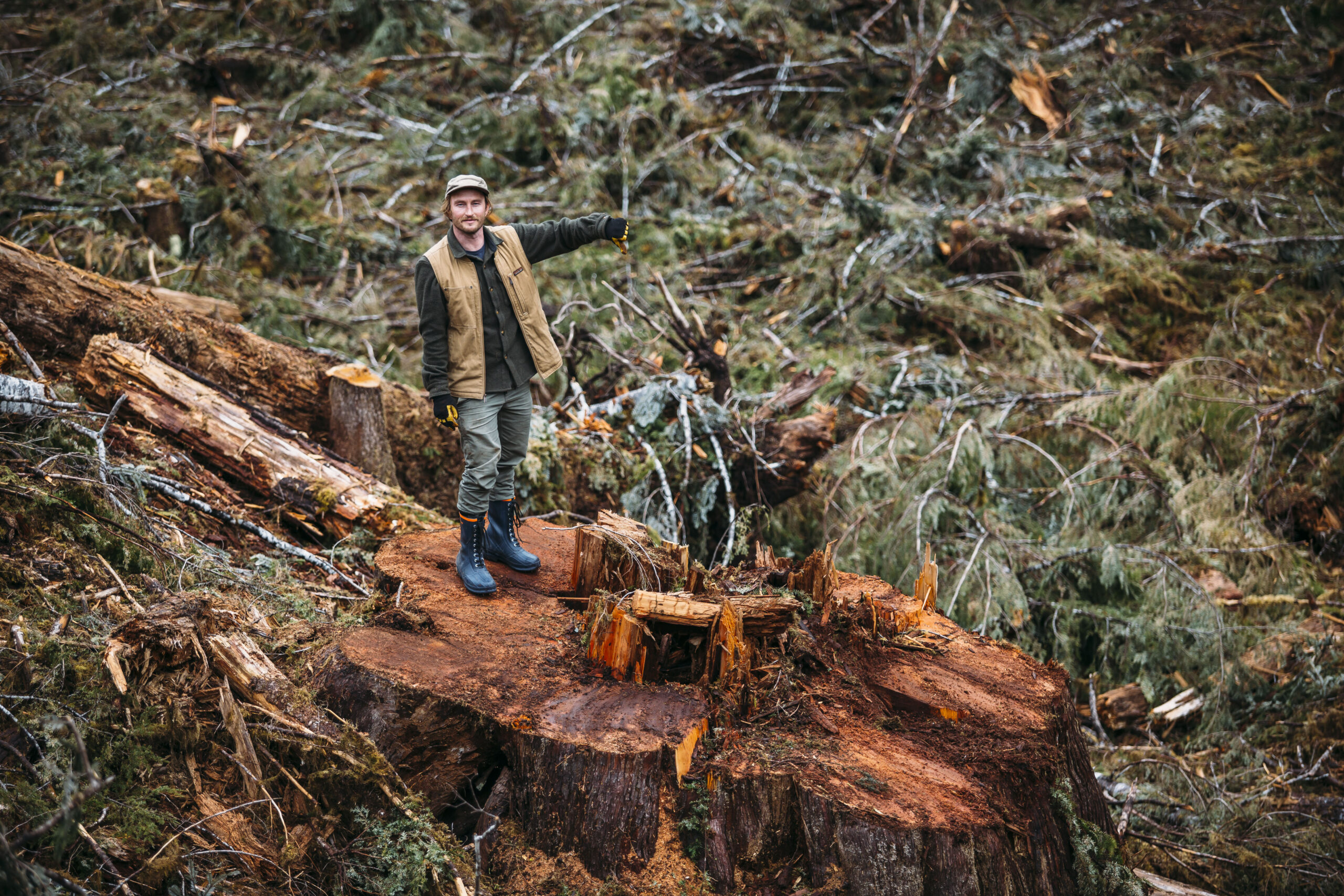
He isn’t doing this with a look-at-me carnival barker routine or hipper-than-thou detached irony. He mostly just makes walking selfies through an old-growth forest, providing forest facts with an often funny, “Isn’t this rad?” enthusiasm. He has piercing blue eyes and dusty blonde hair, a kind of rugged surfer handsomeness that suggests lots of time spent outside, like a combination of David Attenborough, Bill Nye, and Owen Wilson. His approach works because the dude has done his homework and is deeply committed to getting across his message: The natural world isn’t just a spectacular place—it’s our only home. Safeguarding it is vital. And cool.
It helps that Reid has a background in outdoor filmmaking. His career started in action sports video production. He studied biology and film at Montana State, then moved to the coastal forests of British Columbia. His videos often focus on the benefits those forests provide: carbon sequestration, water filtration, species habitat. Reid spends more time inspiring people to experience these places and learn what he knows rather than lamenting that they’re threatened. You catch more flies with honey, after all.
Photos: Joel Caldwell / Lena Andrian
42 issues. 11 years. Independently owned. Printed on 70lb uncoated paper with a soft-touch cover, solar-powered, and shipped in a brown paper envelope. Free domestic shipping.