Arts + Sciences
People Changing How We See the World
You know who’s great at learning new things? Kids. For one hundred fifty thousand years (and counting) of human evolution, kids are the undisputed heavyweight champions not just of learning, but of noticing. We’d do well to pick up a thing or two from them, to marvel at what we’ve long ignored—especially the things right under our noses.
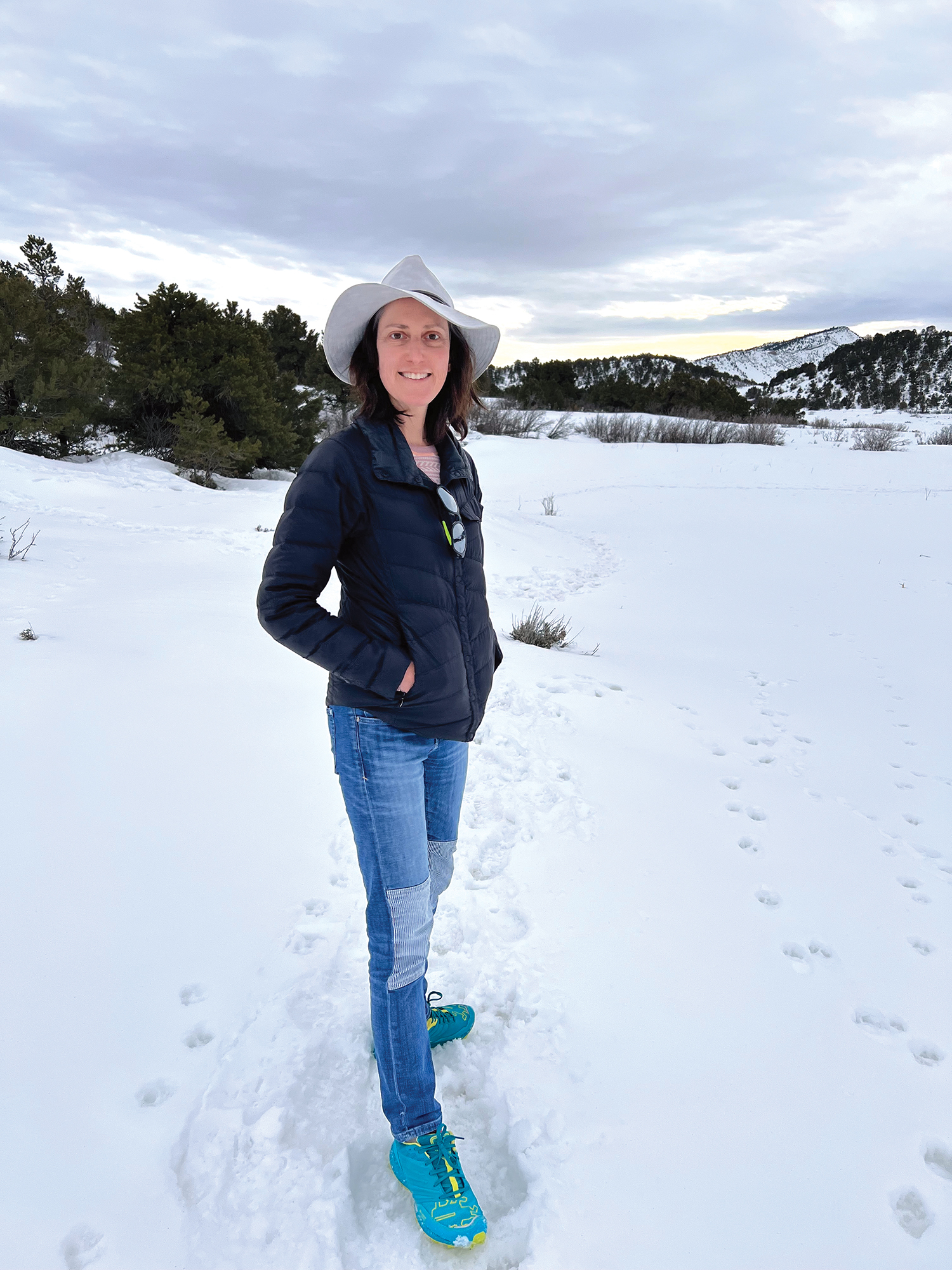
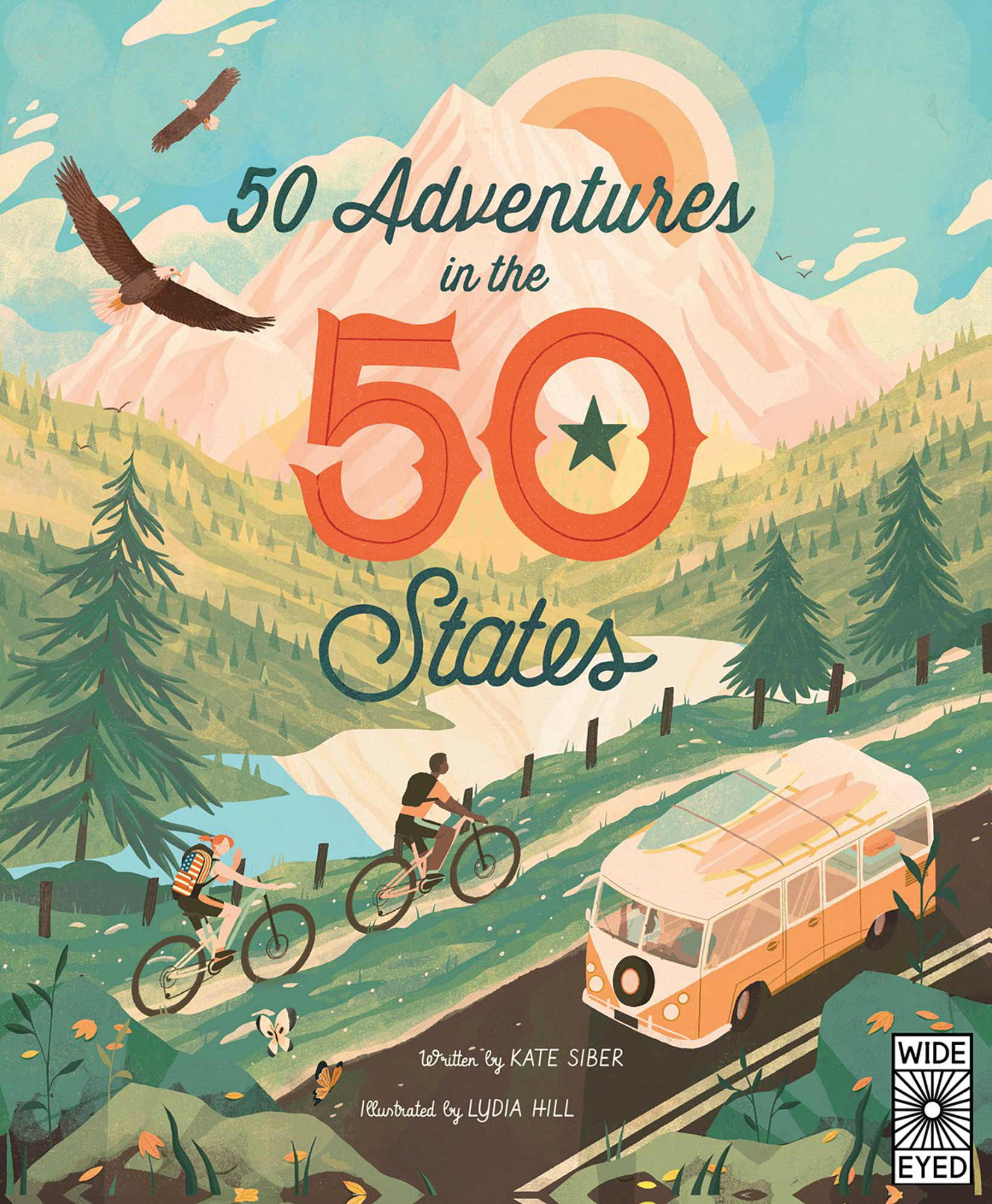
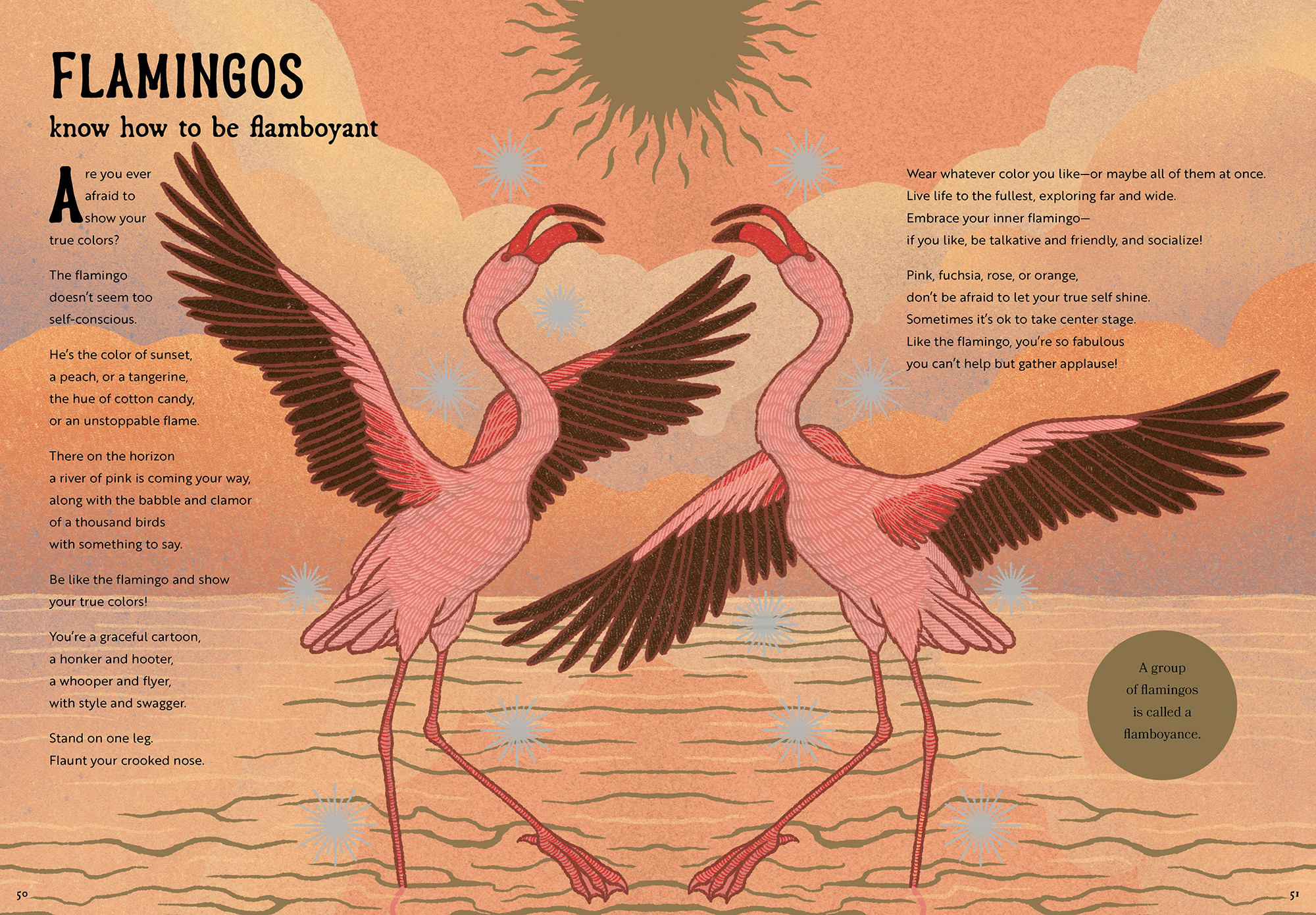
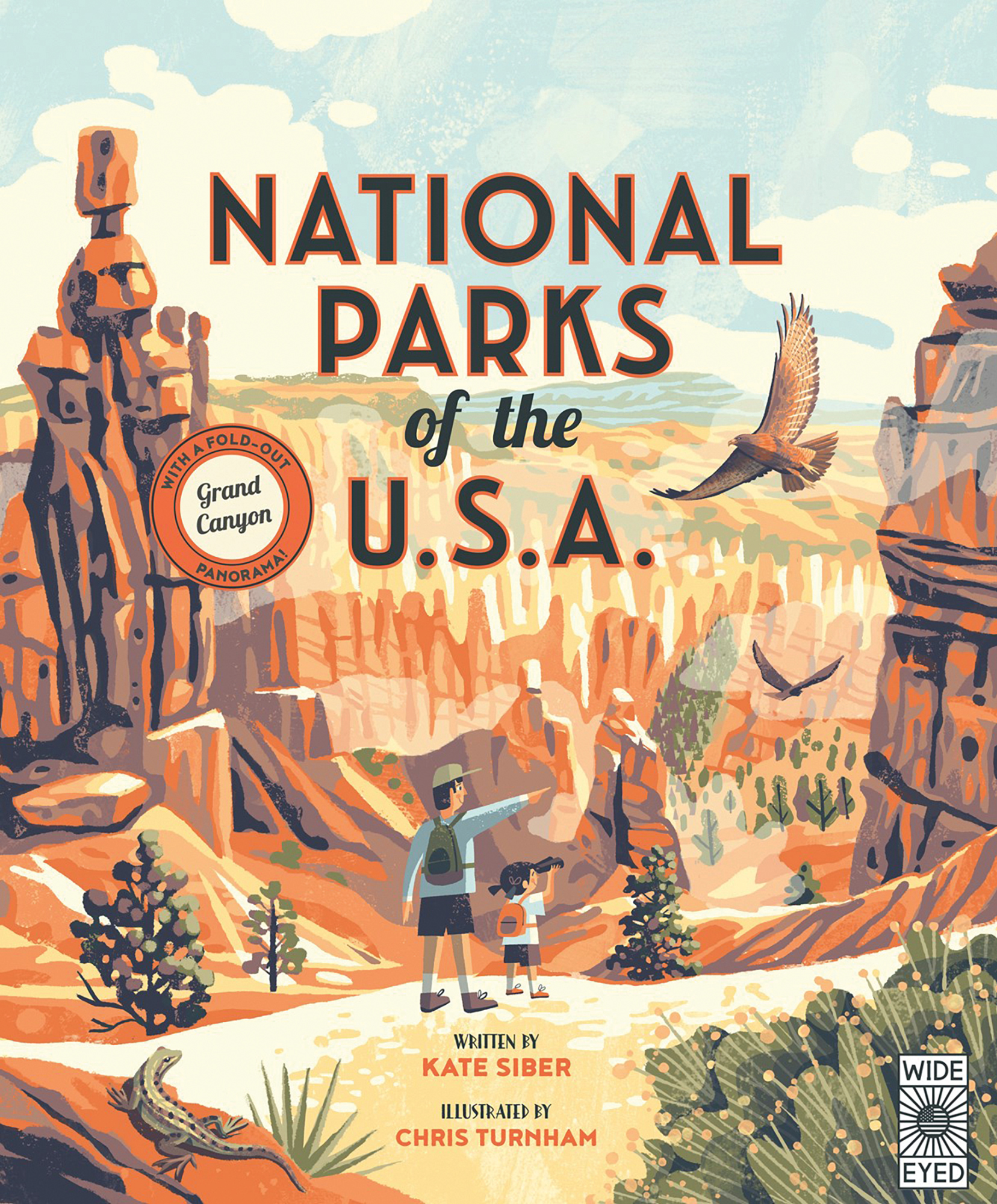
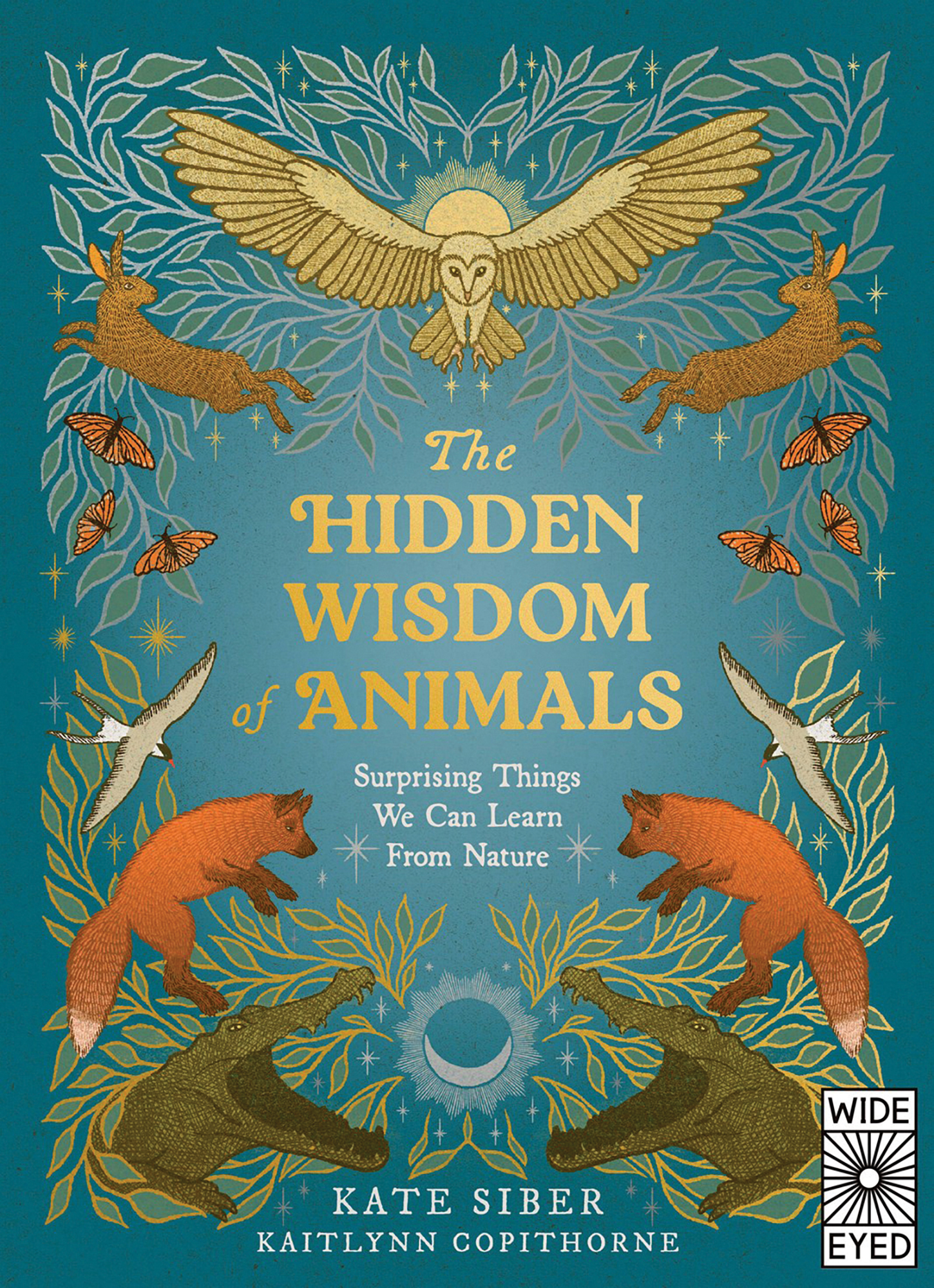
We could learn from author Kate Siber, too. She’s a longtime adventure writer who decided to try something new and ventured into the world of writing kids’ books. Siber’s first couple were joyous romps through national parks and adventures in every state. Her newest is The Hidden Wisdom of Animals, a lavishly illustrated tome that asks what we can learn from the animals all around us.
To answer that, Siber looked at critters the way a child might: as magical, thrilling partners of this world, with fascinating lives and behaviors. Pigeons can find their way home when it’s a thousand miles away. Some flies beat their wing six hundred times per second. And owls? Don’t get her started.
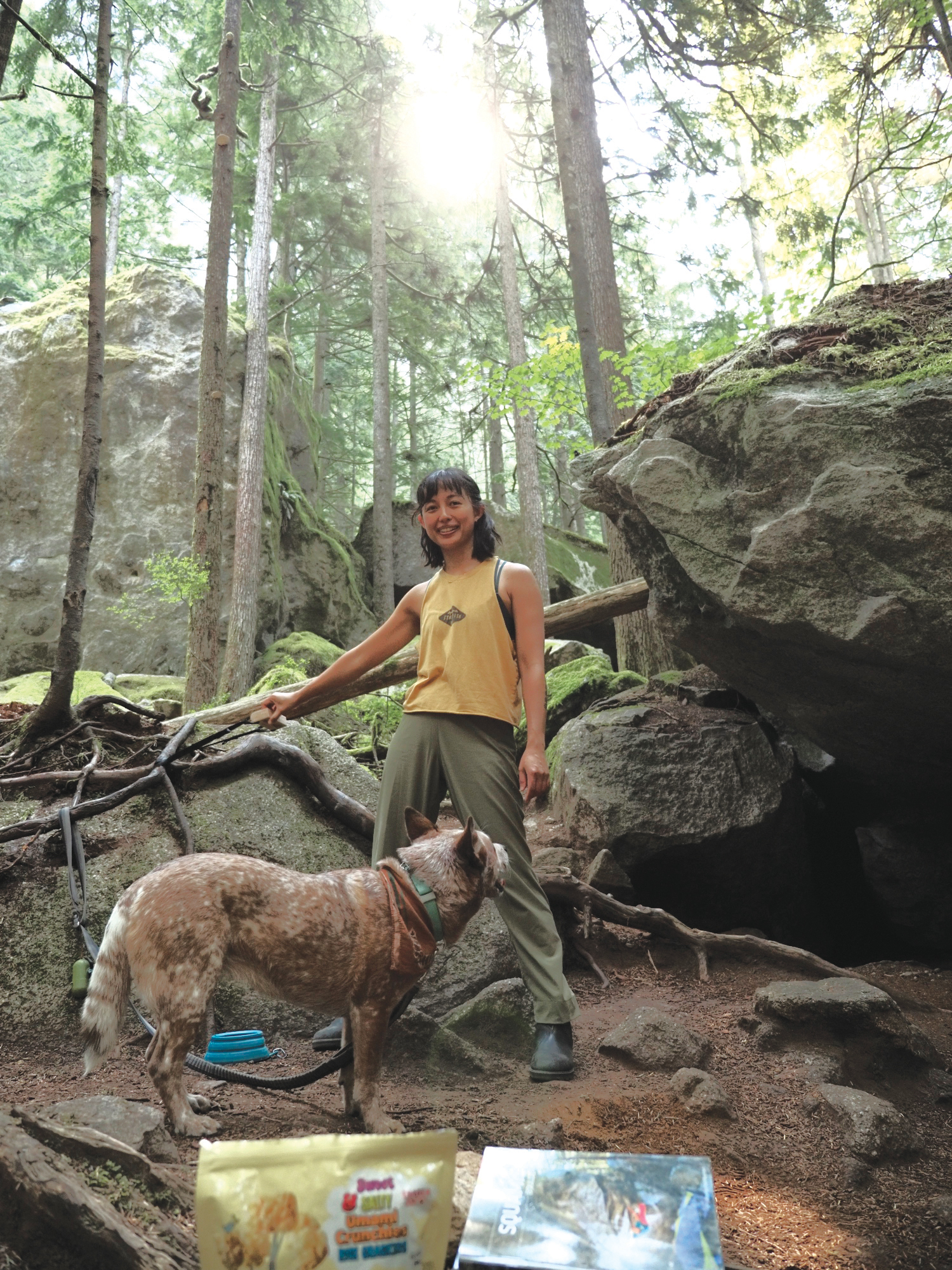
Writing for children is “an invitation into wonder and joy,” Siber says. “You get to be earnest. Kids are never apologetic for being curious and getting down into the stream and turning over rocks. To have a way of entering into that mindspace has been such a gift.”
Siber, who lives in Colorado, surrounded by the San Juan Mountains, is a longtime skier and hiker, and her writing career has always reflected those interests. But her work in recent years has turned toward the contemplative. A longtime contributor to Outside, Siber’s most recent stories are focused on meditation, finding stillness in the outdoors, and the importance of reflective calm.
It’s probably no surprise, then, that Siber is now a dharma leader, serving as a kind of meditation pastor to folks in her community. She leads classes and spends time one-on-one with people searching for a deeper, more intimate connection with their aliveness.
And suddenly, it all clicks together. Meditation is helpful, of course, but what better way to remember to be present, aware, and awake than to look through the eyes of a child? To see the mundane as new. “I had to get past my ego and my sense that having written for twenty years meant I had a level of mastery,” Siber says. “I had to learn a new way of thinking.”
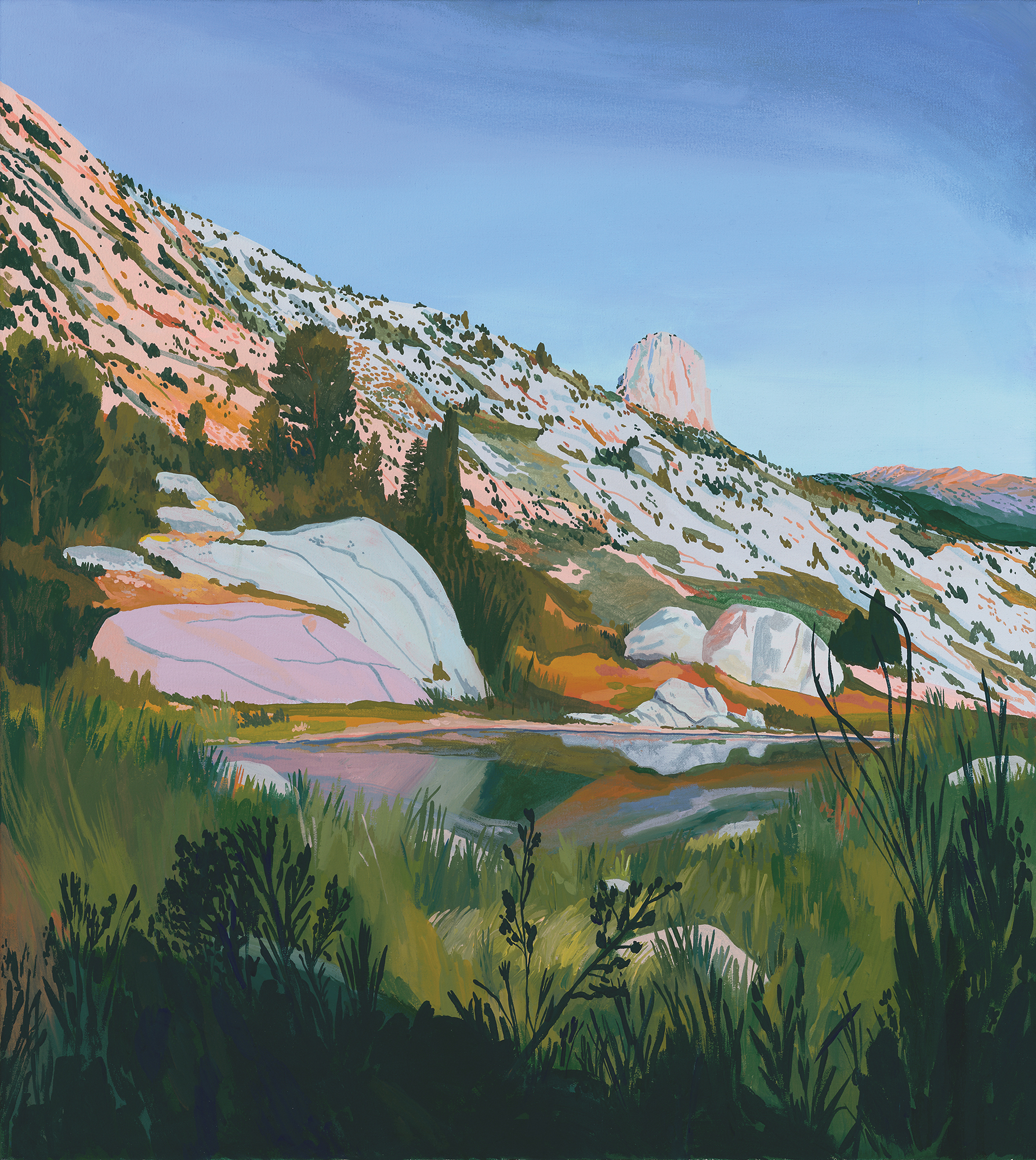
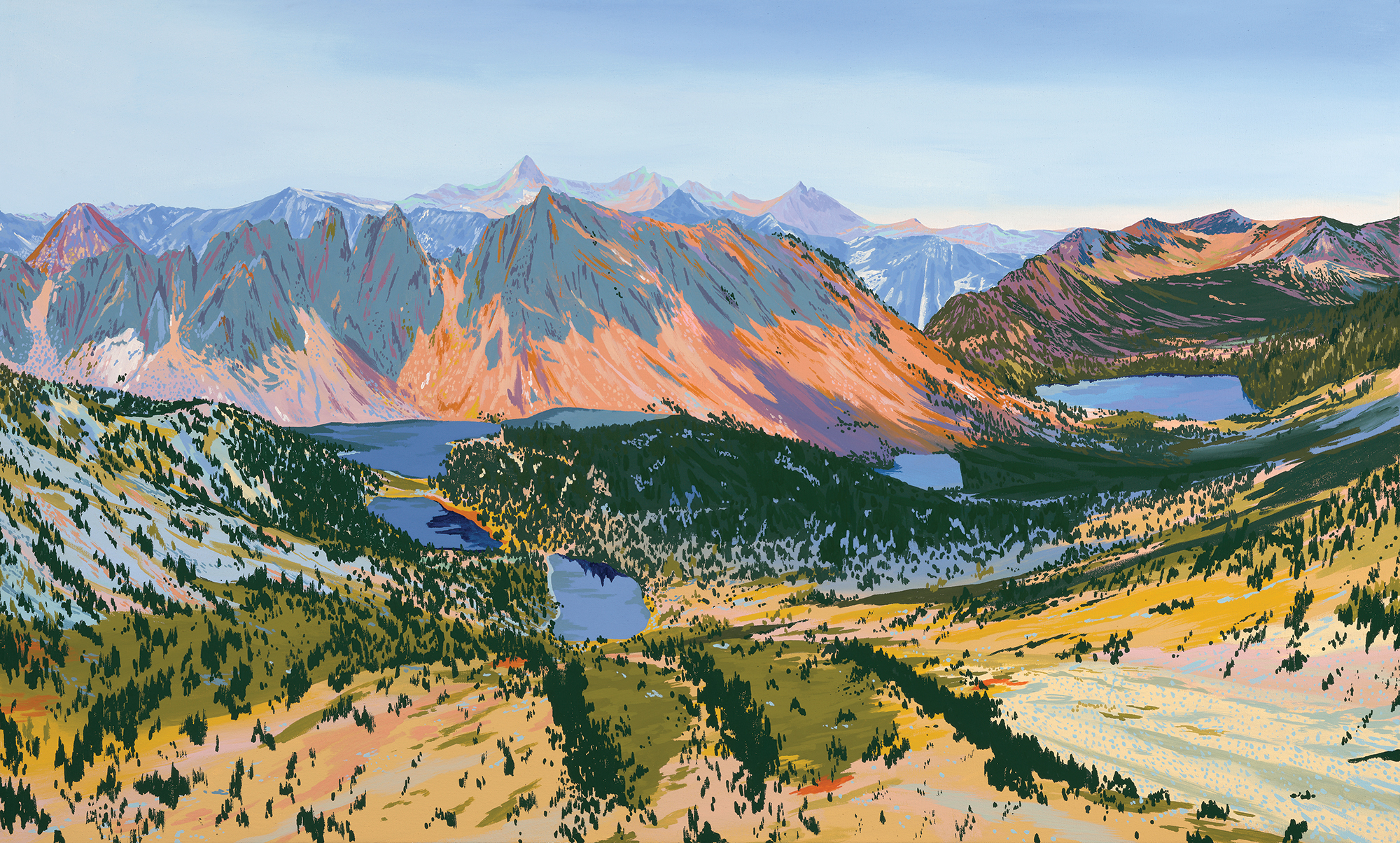
Some landscape art requires a certain kind of bravery. Imagine pausing on the Pacific Crest Trail atop eleven-thousand-seven-hundred-foot Kearsarge Pass, where the jagged Sierra Crest tears the sky and lakes shimmer below—one of the Sierra’s most breathtaking views—and thinking to yourself: I could make this scene brighter. More colorful. Takes a lotta moxie.
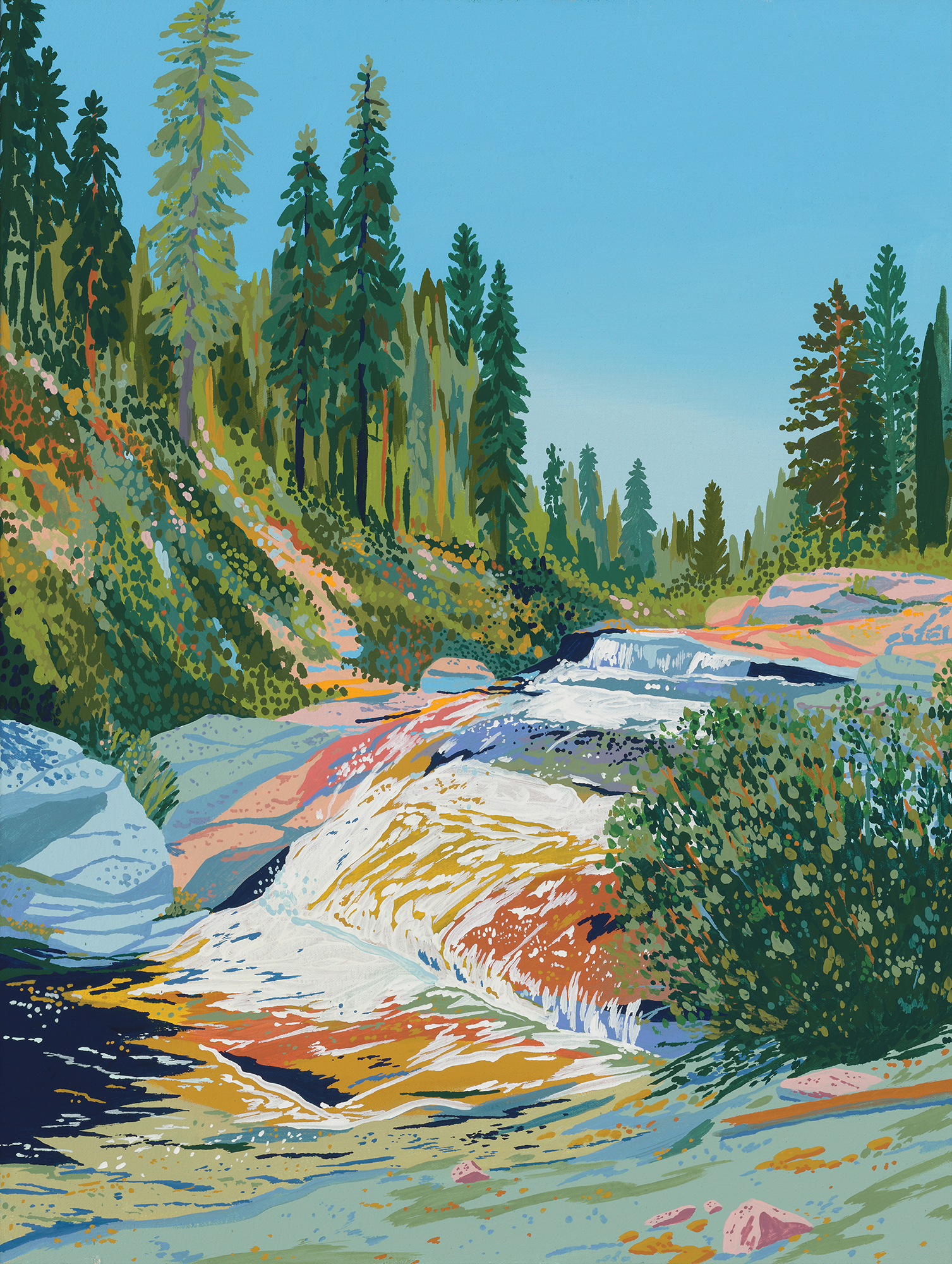
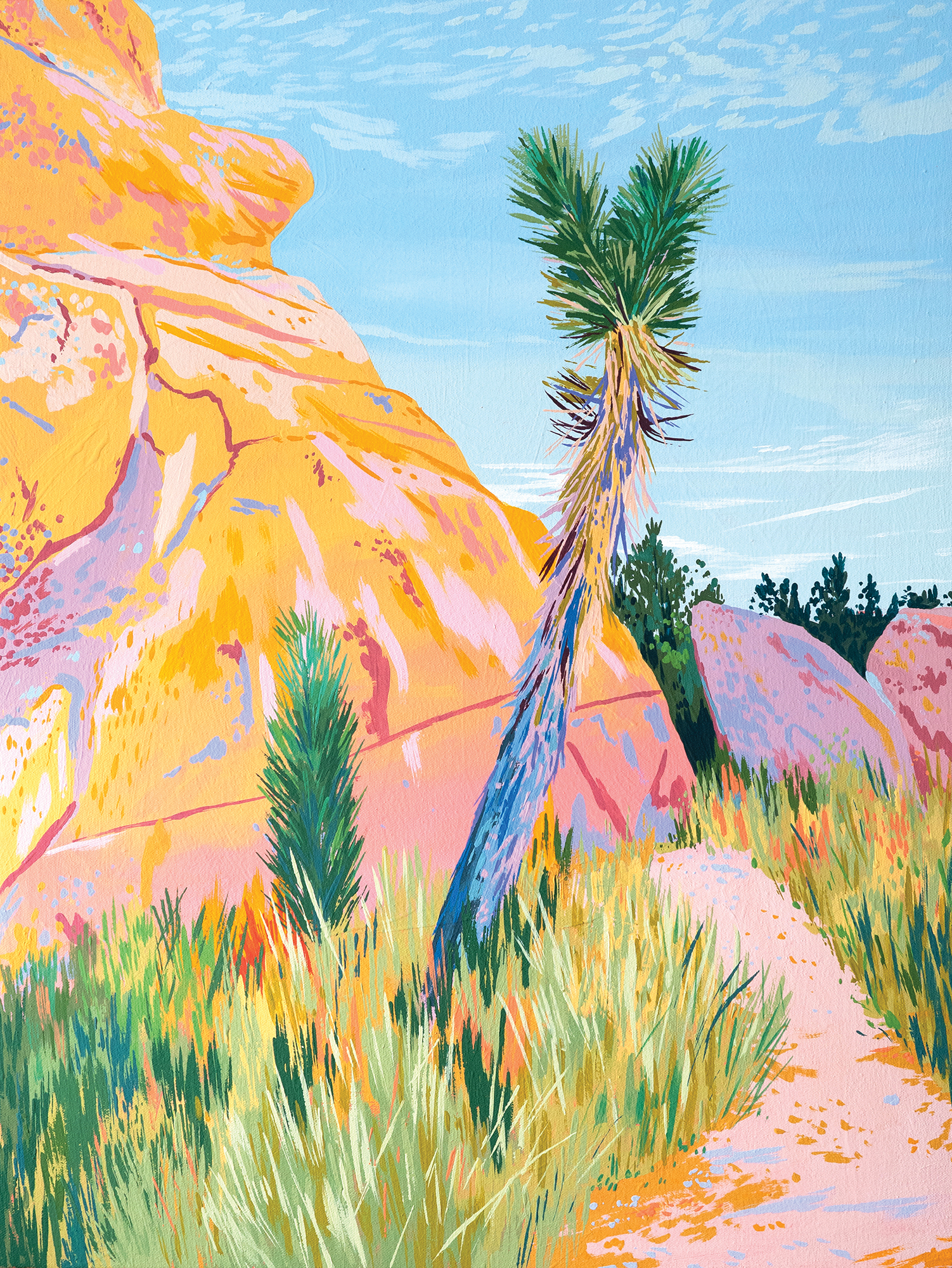
Southern California-based landscape painter Ariel Lee isn’t exactly trying to upstage nature, but it’s kind of how she paints, with bold colors and scenes rendered more vibrant than life.
Lee didn’t gravitate toward landscapes when she first picked up a paintbrush. Nor did she spend time in the backcountry growing up. Raised in La Habra, on the outskirts of Los Angeles, her family never camped or backpacked. That changed for Lee after college—the Art Center College of Design in Pasadena—when her cousin talked her into trying rock climbing. Lee was sure she’d be annoyed by the crag vibes, but decided to give it a go. “In my head, I was like, this place is going to be full of hipsters,” she remembers. Instead, she quickly developed a fondness for out-of-the-way rocks. Climbing led to backpacking, and the Eastern Sierra soon became what she calls her “spiritual home.”
Those first years exploring the world of backcountry adventure didn’t just block out her weekends. They completely remade her art.
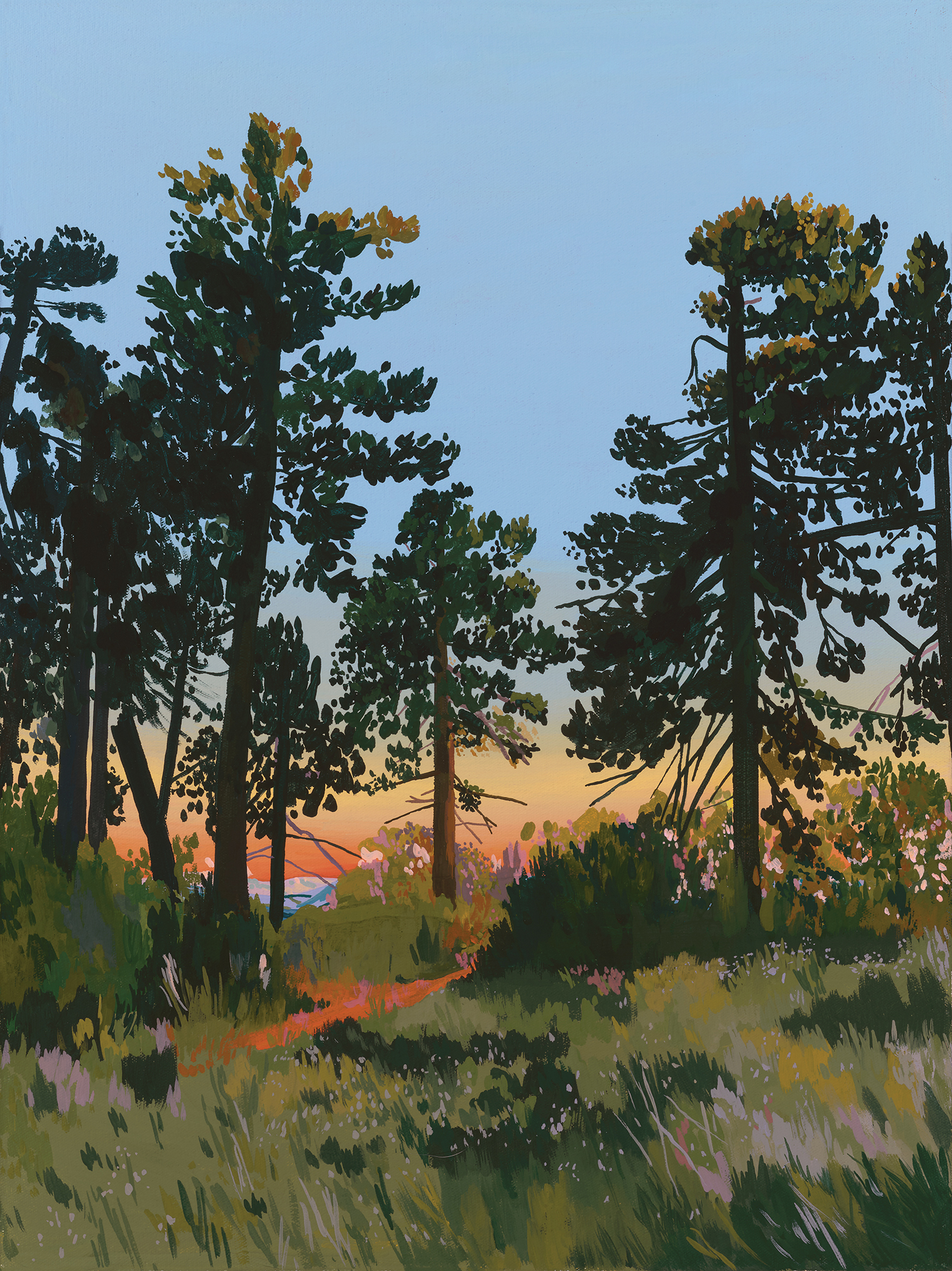
Early in her career, Lee focused on stark, monochromatic work. Etchings and illustrations were dulled with grief and loss. She made art she thought her teachers and peers wanted to see, but her heart wasn’t in it. The mountains presented Lee with a different palette. She noticed the oranges of lichen, the purples in granite, the impossible blues of unbroken alpine skies. Lee’s paintings began to reflect what she saw on the trail: landscapes, but with the dial cranked way up, the whole scene humming with color.
Today, Lee’s work is easily recognizable. Deserts burn with pinks and yellows. Sierra peaks radiate with saturated blues and purples. They’re places you’ll recognize if you’ve been there—Joshua Tree, McGee Creek, Kearsarge Pass—painted from photos she takes herself on the trail. But because of her flair with color, they’re heightened. Dreamworld versions of real locations.
Her career has expanded beyond the gallery and into murals for Google, cover art for books, and a collaboration with electric automaker Rivian. Always wild scenes, but not always the mountains or strange desert landscapes. She paints a mean California poppy-framed beach, too, with caramel-colored sand bordered by a frothing turquoise sea. Look at her work long enough and you realize she’s capturing not just the memory of a place, but the emotions, too: big and bold and beautiful.
Photographer Christophe Jacrot has long chased weather. Growing up in France, the son of a Grenoble skier, winter brought giddy excitement when storms billowed over the Alps, the snow in his hair and wind in his face precursors for mountain fun to come. Decades later, cameras have taken the place of skis for Jacrot, but storms—rain or snow—still shape his life and now his art.
Amazingly, Jacrot didn’t become a professional photographer until he was well into his forties. Though he dabbled with a camera as a kid, Jacrot returned to school at forty-five to study photography. Right after graduation, he was hired to photograph sunny scenes in Paris for a travel guide. But the weather wasn’t cooperative. Jacrot dutifully delivered the bright images and, out of stubbornness, also photographed Paris in the rain: wet streets, glistening facades, light shimmering off cobblestones. He likes to shoot from behind the windshield of a car, the streaming water refracting and reflecting light and shadow. “Somewhere along the way,” he recalls, “I came up with the idea of creating a rainy Parisian world.” That idea became a book and the start of his second life as a photographer.
Henceforth, he embraced weather as both subject and collaborator. In Hong Kong, he waited for monsoons, crouching in alleys and looking down from upon high in hotel rooms, until rain and light aligned. In New York, a city he loves for its energy and drama, he found one of his defining moments wandering the streets during the blackout after Hurricane Sandy.
Jacrot checks professional weather sites daily, plotting trips around incoming squalls, blizzards, or typhoons. “When it rains heavily,” he says, “the light is unique and beautiful, but I feel that I’m the only one who notices while watching everyone else take cover.”
He’ll return often to the same places, looking for perspective changes in different weather. He’s been to Iceland (“where one storm chases the next”) eight times. Each instance is another chance to find a spark of life in a frozen, hostile world. Fortunately for Jacrot, there will always be more weather on the way.
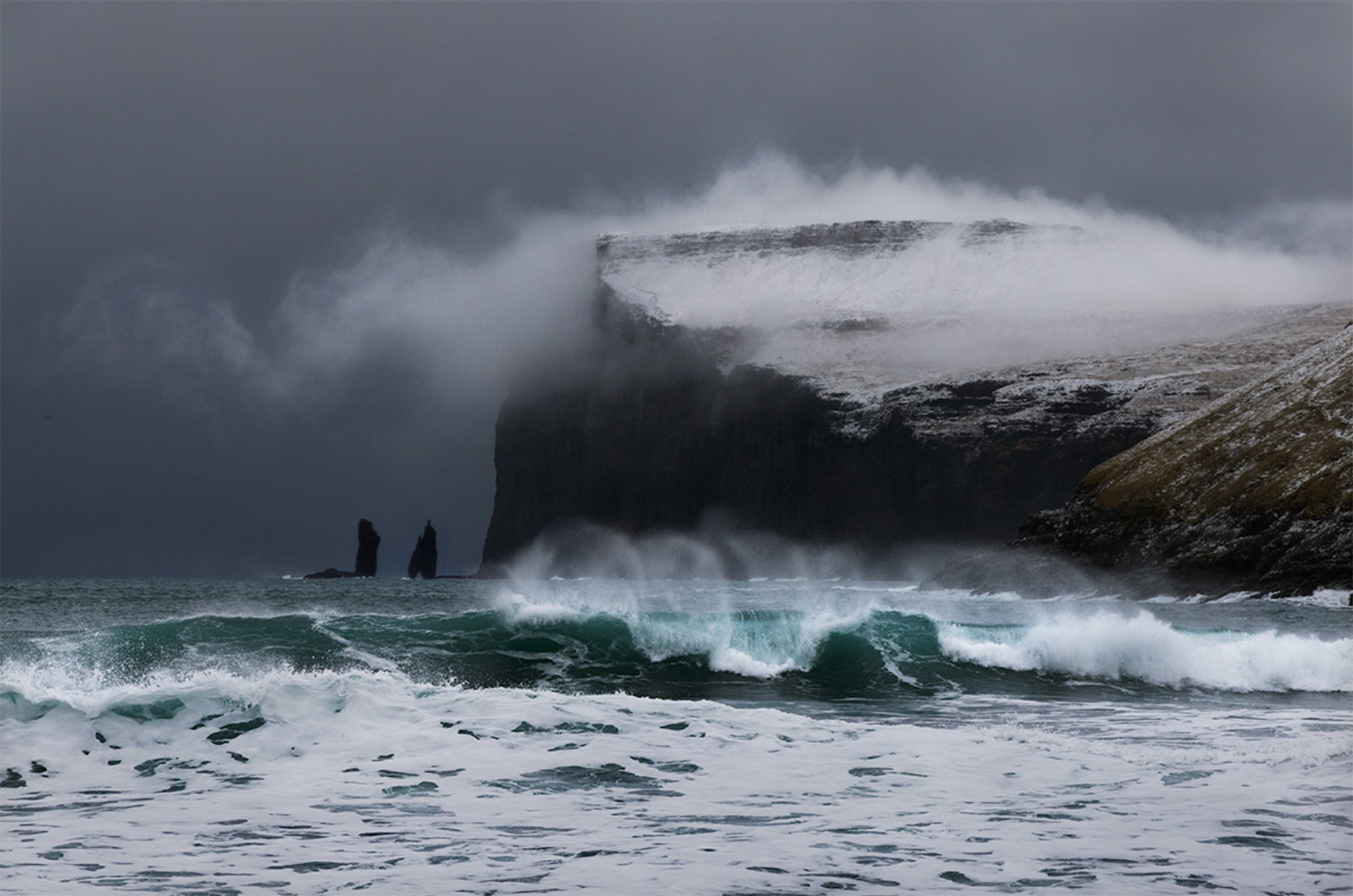
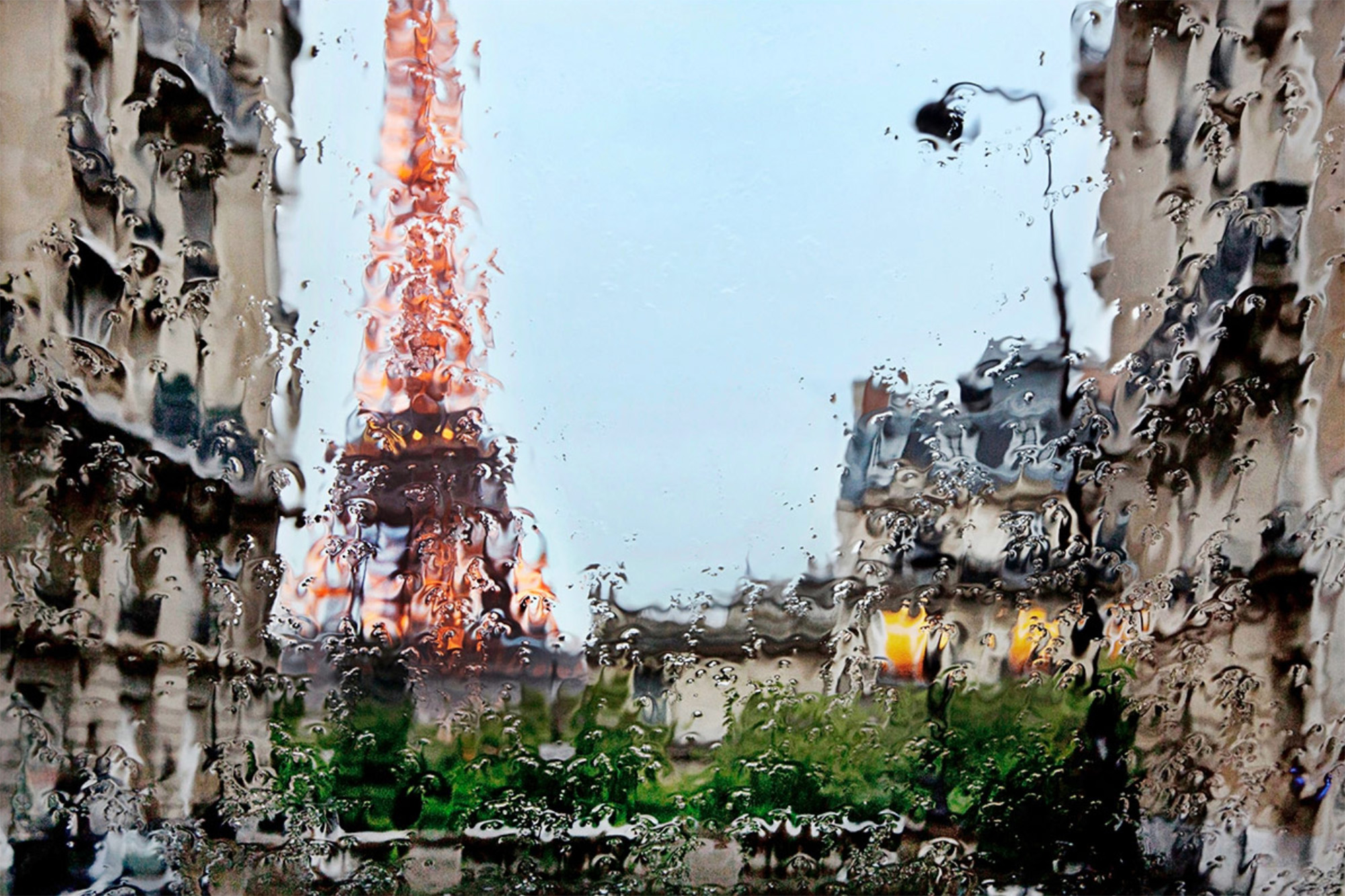
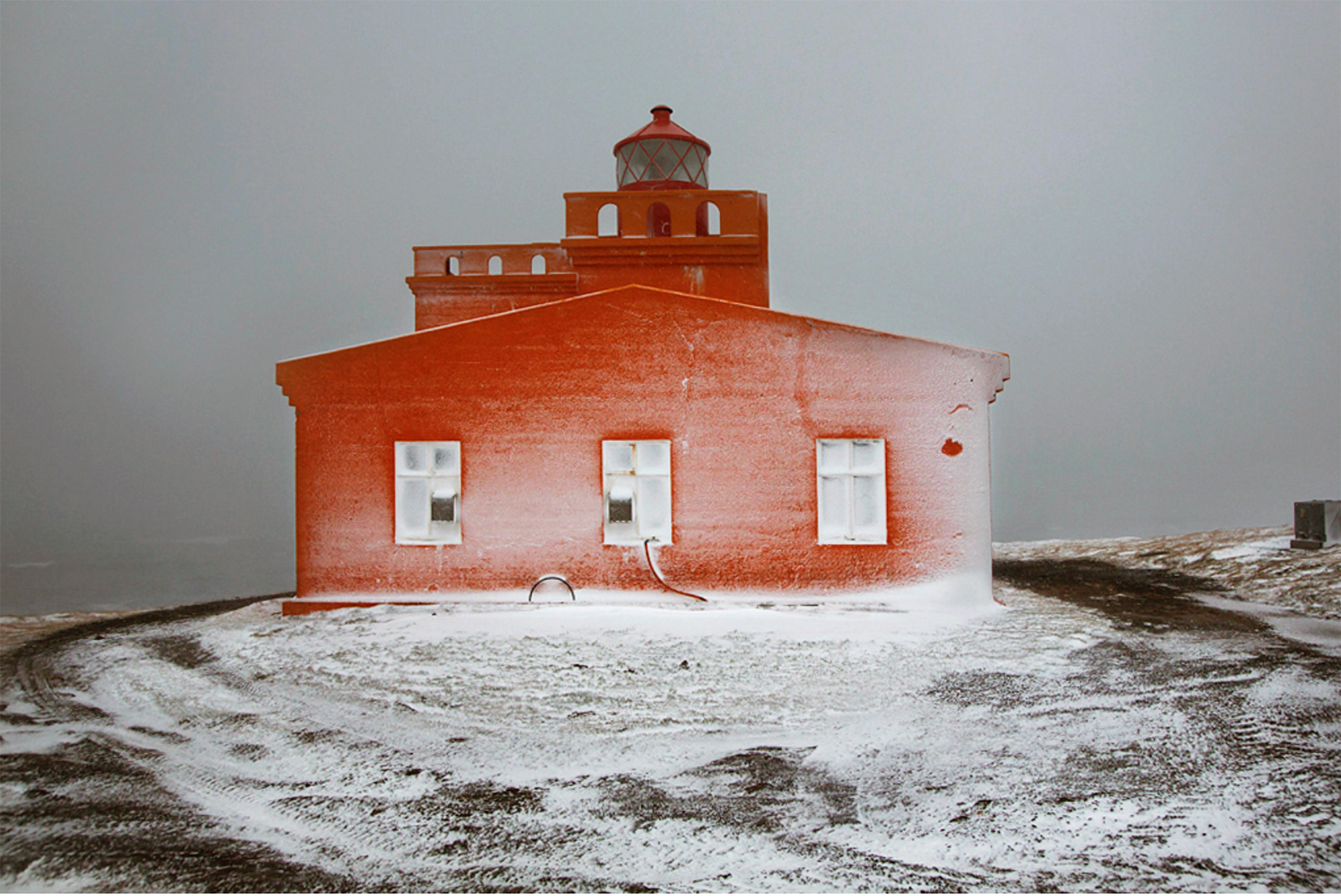
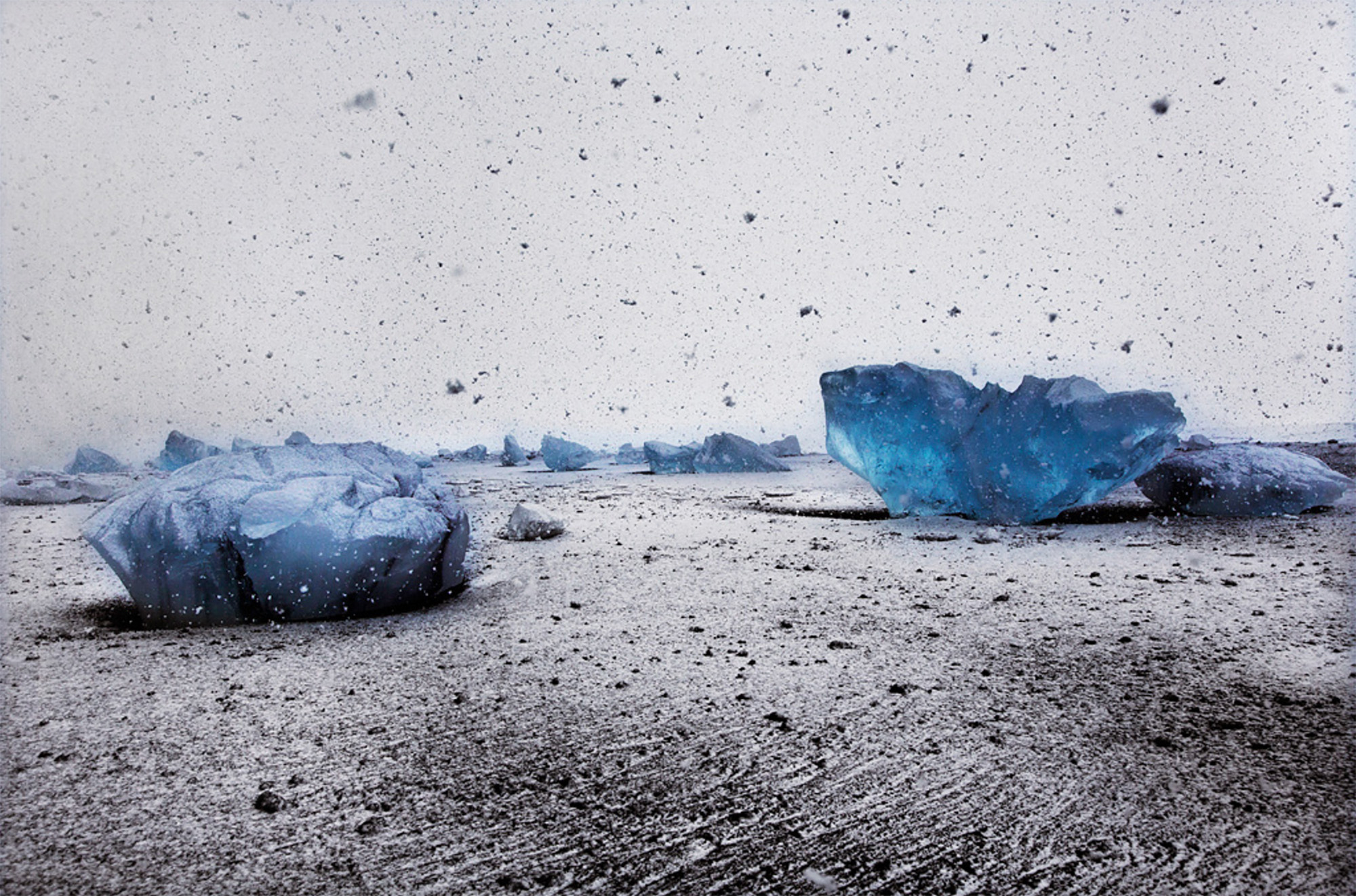
Photos: Christophe Jacrot (5)
41 issues. 10 years. Independently owned. Printed on 70lb uncoated paper with a soft-touch cover, solar-powered, and shipped in a brown paper envelope. Free domestic shipping.