Arts + Sciences
People Changing How We See the World

To many San Francisco surfers who’ve spent years tumbling beneath massive gray waves and suffering through oppressive summer fog, Jeff Canham’s cheery art has been a welcome source of color. His work is closely associated with Mollusk, a surf shop on the western edge of the city that has redefined the S.F. surf scene. Before Mollusk, local surf culture was moody, hard-bitten, and deeply suspicious of outsiders. Mollusk infused local surfing with alternative board shapes and attitudes, and San Francisco surf culture now is brighter, cruisier, and suffused with good vibes. We’re not saying Canham is totally responsible, but surely some of those vibes come from his design work at Mollusk.
Canham is best known as a sign painter, a job that seems impossibly quaint in the twenty-first century. But he’s in high demand. At Mollusk, yes, but also, restaurants, auto shops, record stores—you need a funky sign painted in the Bay Area, you call Canham. He’s a master at hand lettering, uses unique typefaces, and his vibrant colors add an almost carnival-like quality to his signs. They’re signs, but they’re art.
That’s not all he does, though. “I never know what to tell people who ask what my job is, but it says ‘graphic designer’ on my tax returns,” says Canham about his wide-ranging professional life. He adds design touches to brands like Patagonia and Thalia Surf, among others, while taking on projects like painting and hand-lettering outrigger canoes. Jack Johnson is a frequent client.
Canham grew up surfing on Oahu, then moved to Oregon for college. After a few years working as art director for Surfer magazine, in 2005 he moved to San Francisco to work for a sign-painting company, and he’s clearly learned to blend the influences of multiple places into his art. His studio shares a wall with a surfboard-shaping and furniture-making space, and he surfs out front with the shaper and furniture maker whenever the waves are firing.
He’s also inspired by San Francisco’s weathered facades and old faded business signs and falls in love with the colors of Hawaii when he returns. “Each time I go back to Hawaii, it’s like, oh yeah, that’s where I got that idea. That’s where I got that color from. It’s just all kind of there and inspiring to me.”
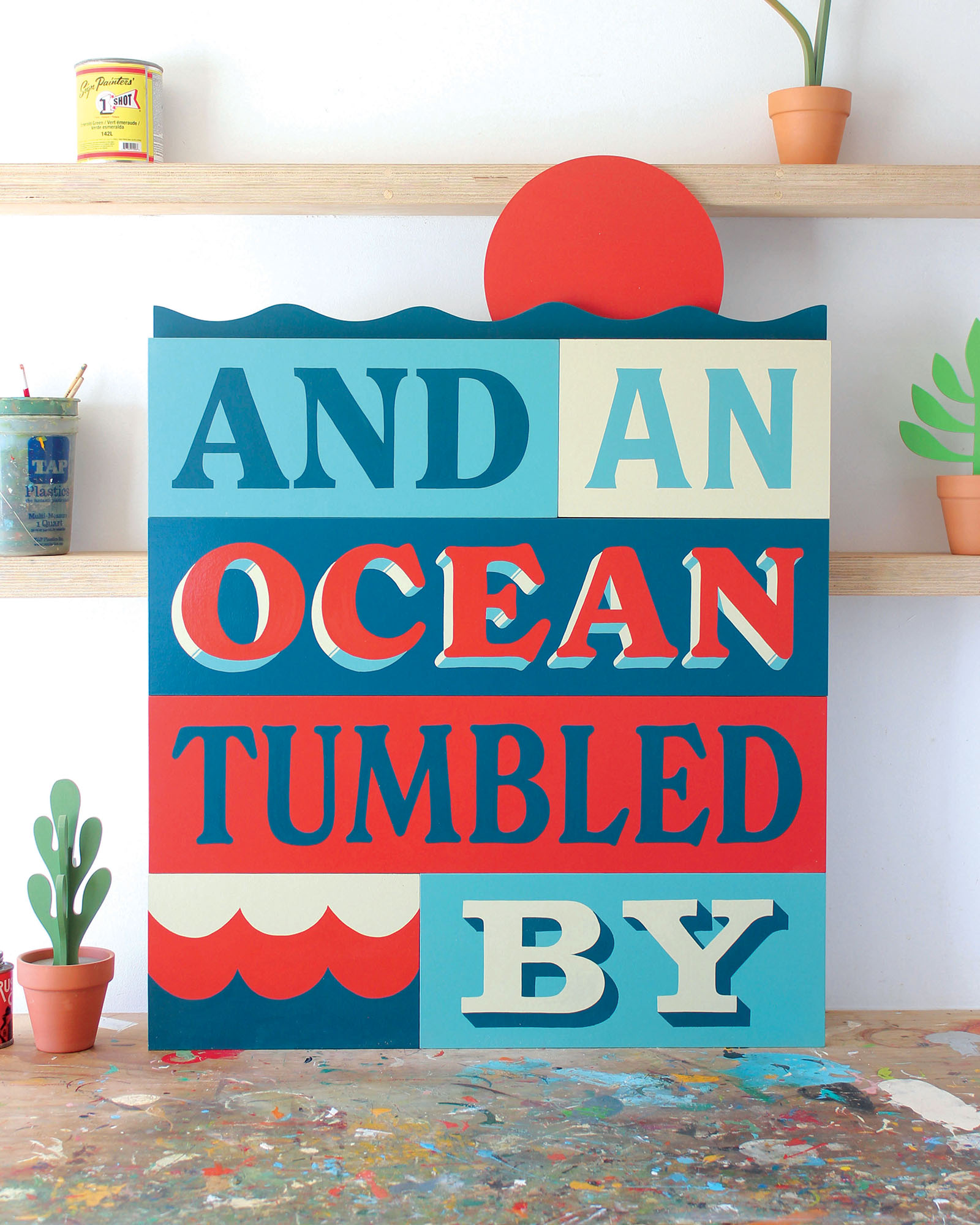

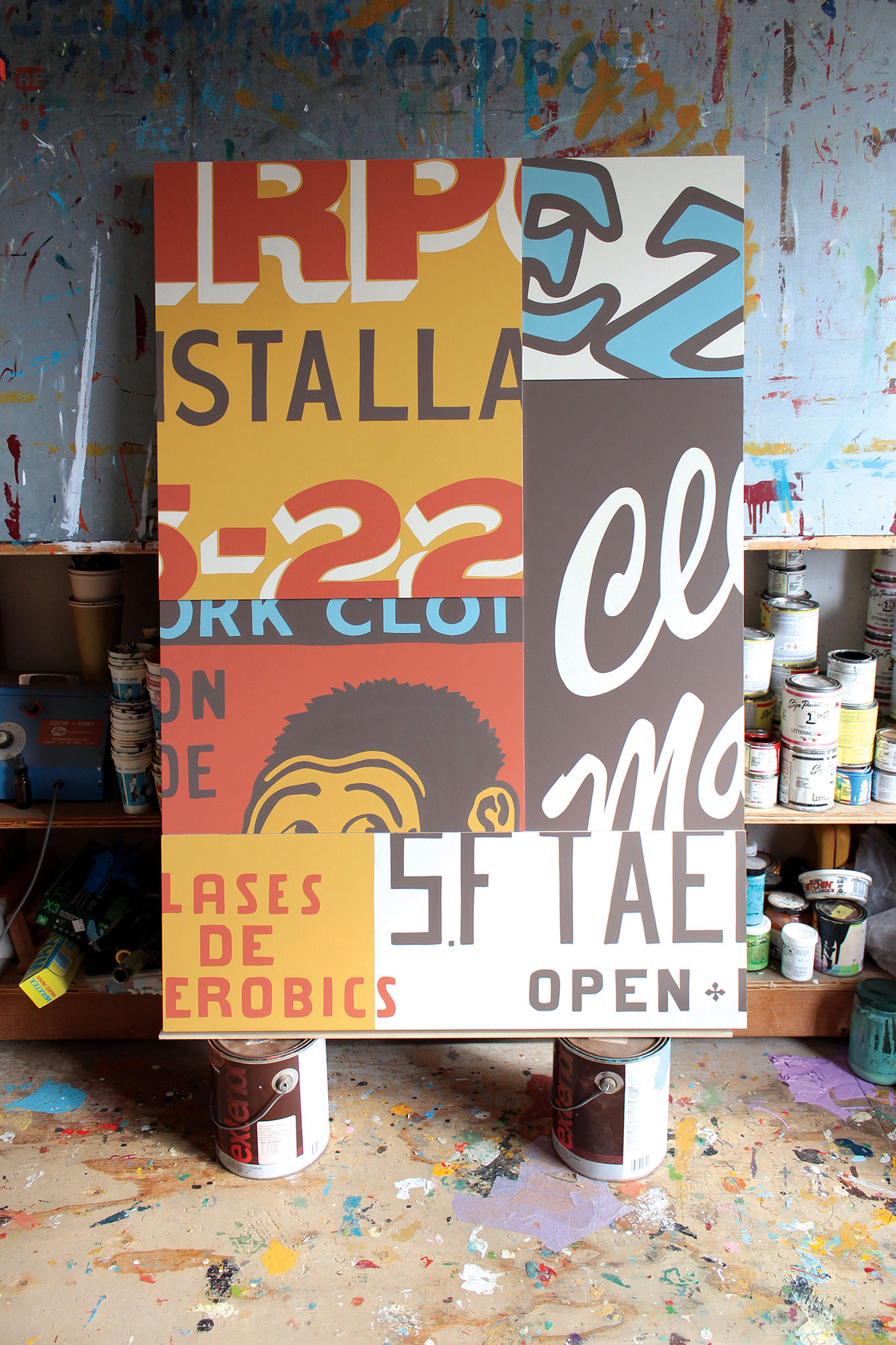
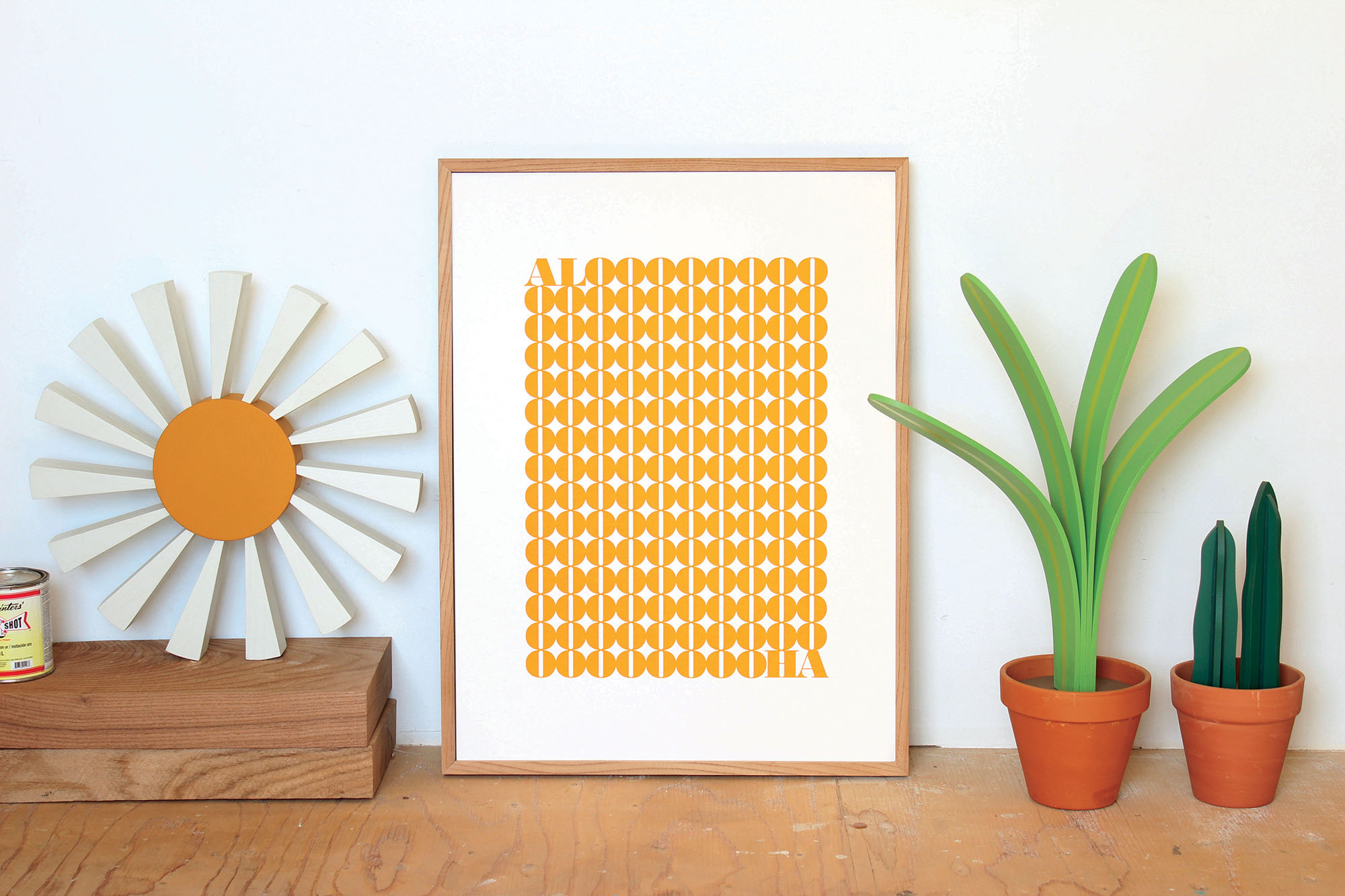
Photos by Jeff Canham
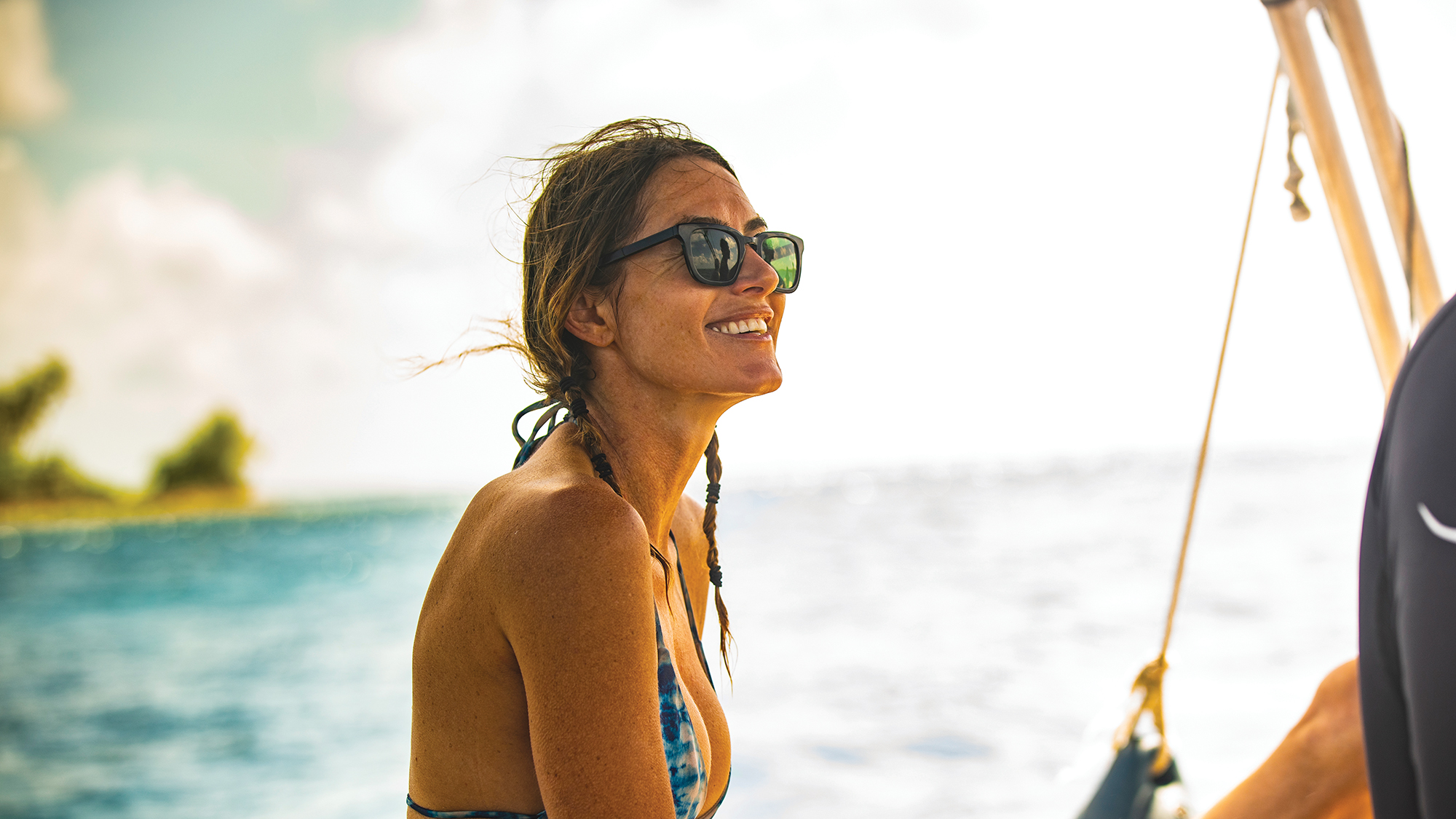
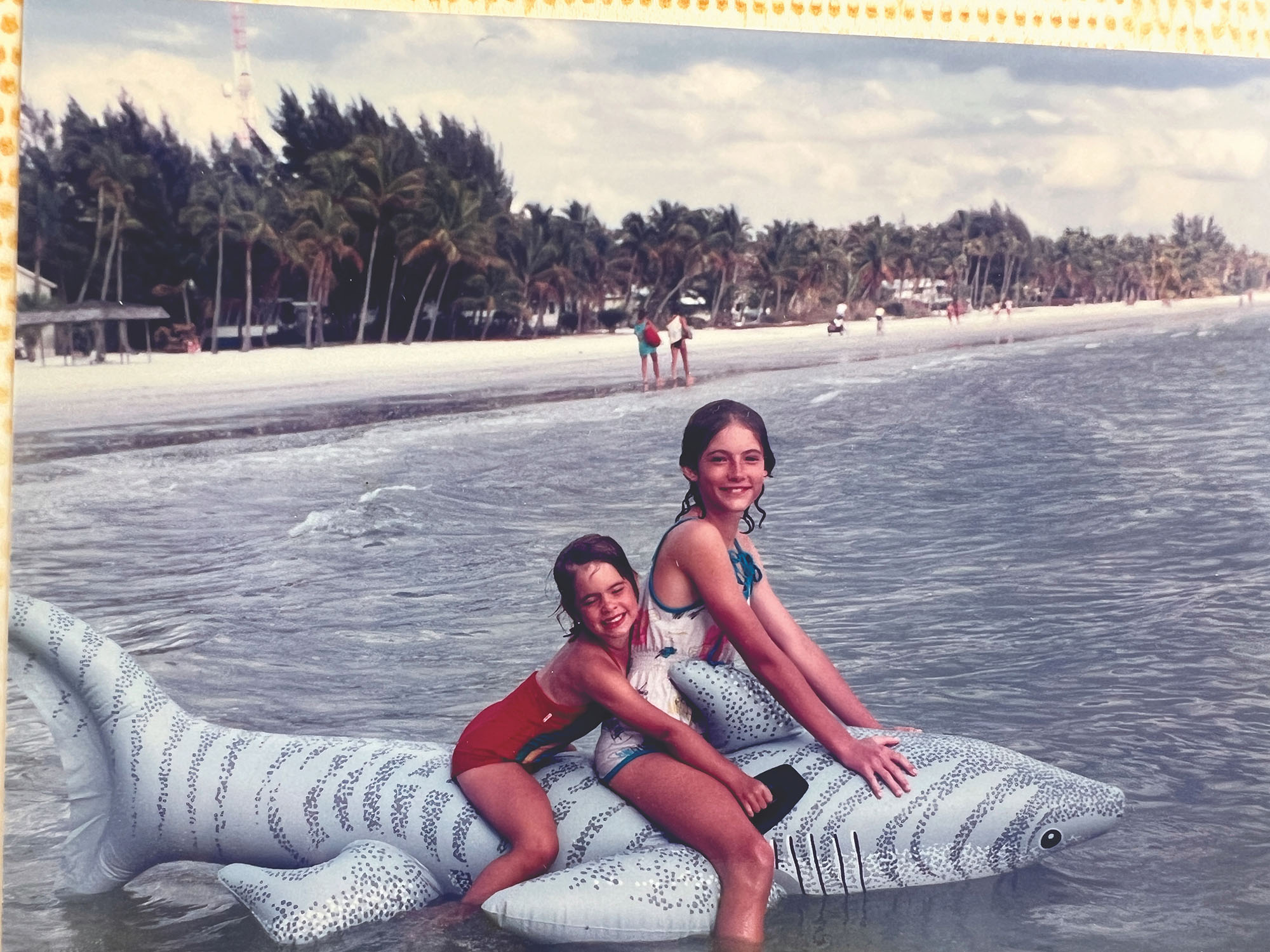
If you’ve ever watched an episode of Shark Week and thought, wait, wasn’t this host blown up in a car playing baby Austin’s mother in Austin Powers in Goldmember? then you’ve seen Kinga Philipps. Today, she’s best known as a shark conservationist and journalist, but that’s just scratching the surface.
Philipps is a scuba diver. She free-dives. She caves, surfs, and skydives. Philipps has been filmed doing many of these things for pretty much any adventure-related TV show aired in the last two decades. You might have seen her searching for lost artifacts on programs for National Geographic, diving to sunken ships for a BBC series, or exploring American highways for the Travel Channel. She’s also an accomplished adventure writer. Oh, right, and she once played Austin Powers’ mother.
But it’s sharks that really move Philipps. In 2021, she became the first woman in the show’s three-decade history to host an episode of Discovery’s smash hit Shark Week. “That felt pretty badass,” Philipps says. “But it was also a bit of WTF that it took thirty-three years for that to happen.”
In recent years, Philipps has been active with an organization called Shark Allies that has helped enact crucial fin bans, to thwart killing the animals for shark-fin soup. She’s used her increasingly larger profile to spread the group’s mission and evangelize about the need to protect shark habitats, which are under near-constant threat.
Philipps was born in Poland and grew up in landlocked Oklahoma, the daughter of a geologist who wild-camped all over Europe. Restless from the get-go, she had seven different majors in college and fantasized about jumping into various careers, like Scott Bakula’s character in Quantum Leap. Since quantum leaping isn’t possible (yet), she figured journalism was the next best thing, since she could cozy up with fascinating figures.
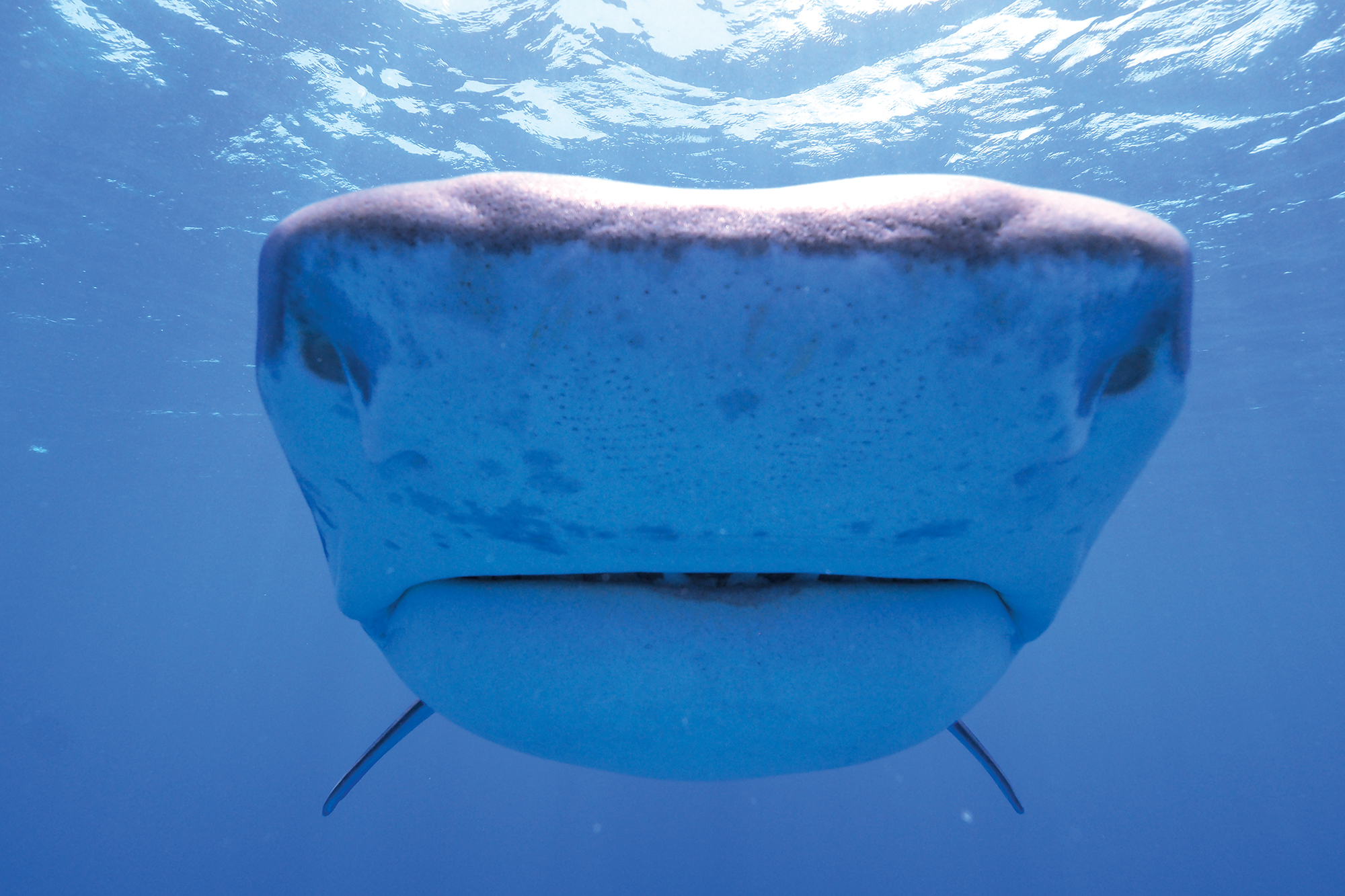
Like, you know, tiger sharks.
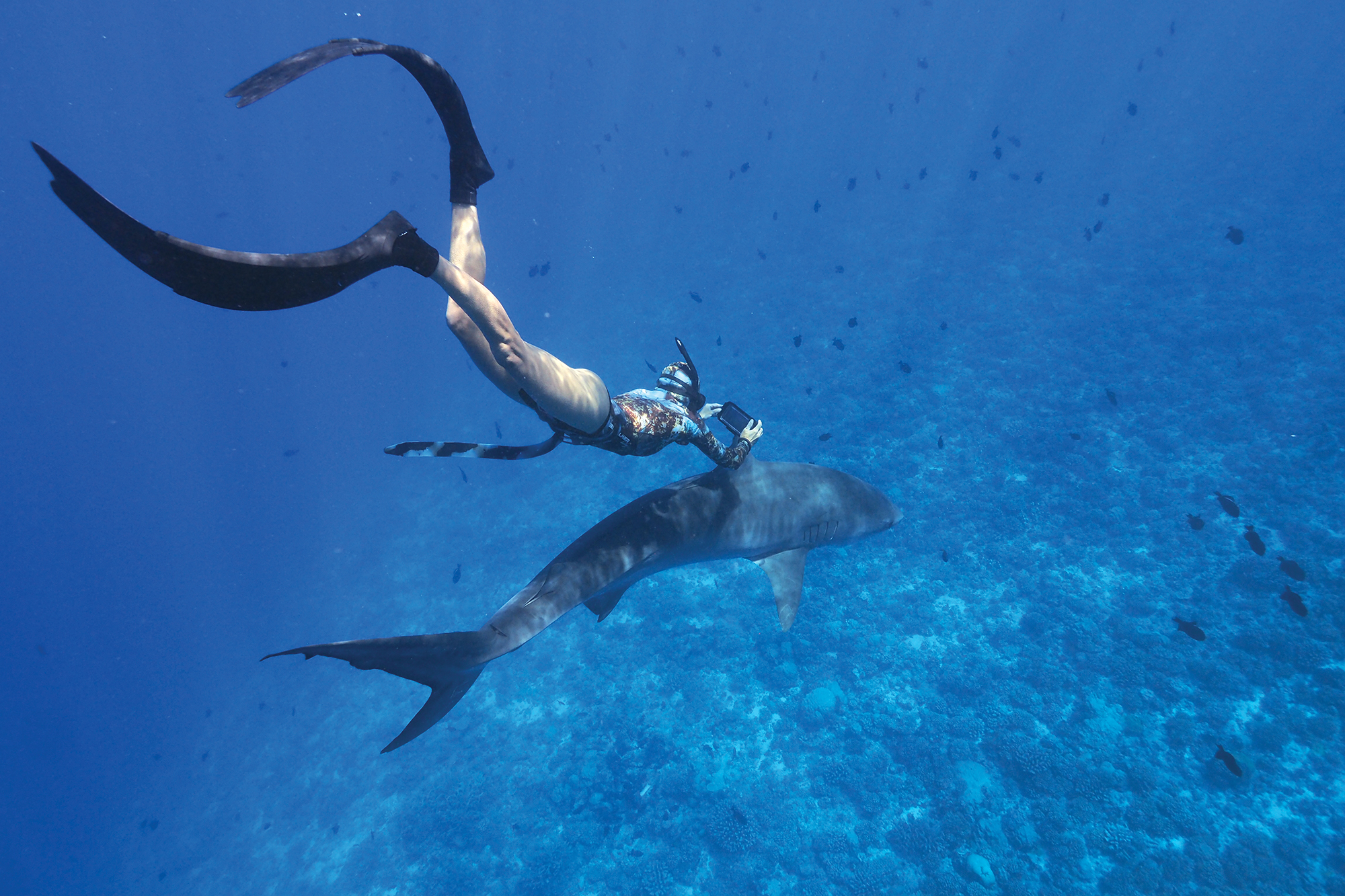
They’re her favorite species and the subject of “Tiger Queen,” the 2021 Shark Week episode Philipps hosted. She’s remarkably comfortable swimming with these big sharks, even though they’re known for many fatal encounters with humans. “Sharks are the most patient predators,” Philipps says. “If you tried to get as close to wild grizzly bears as I have sharks, you’d be dead.”
Maybe they’re patient, or maybe they just know she’s an ally.

Photos by Kinga Philipps
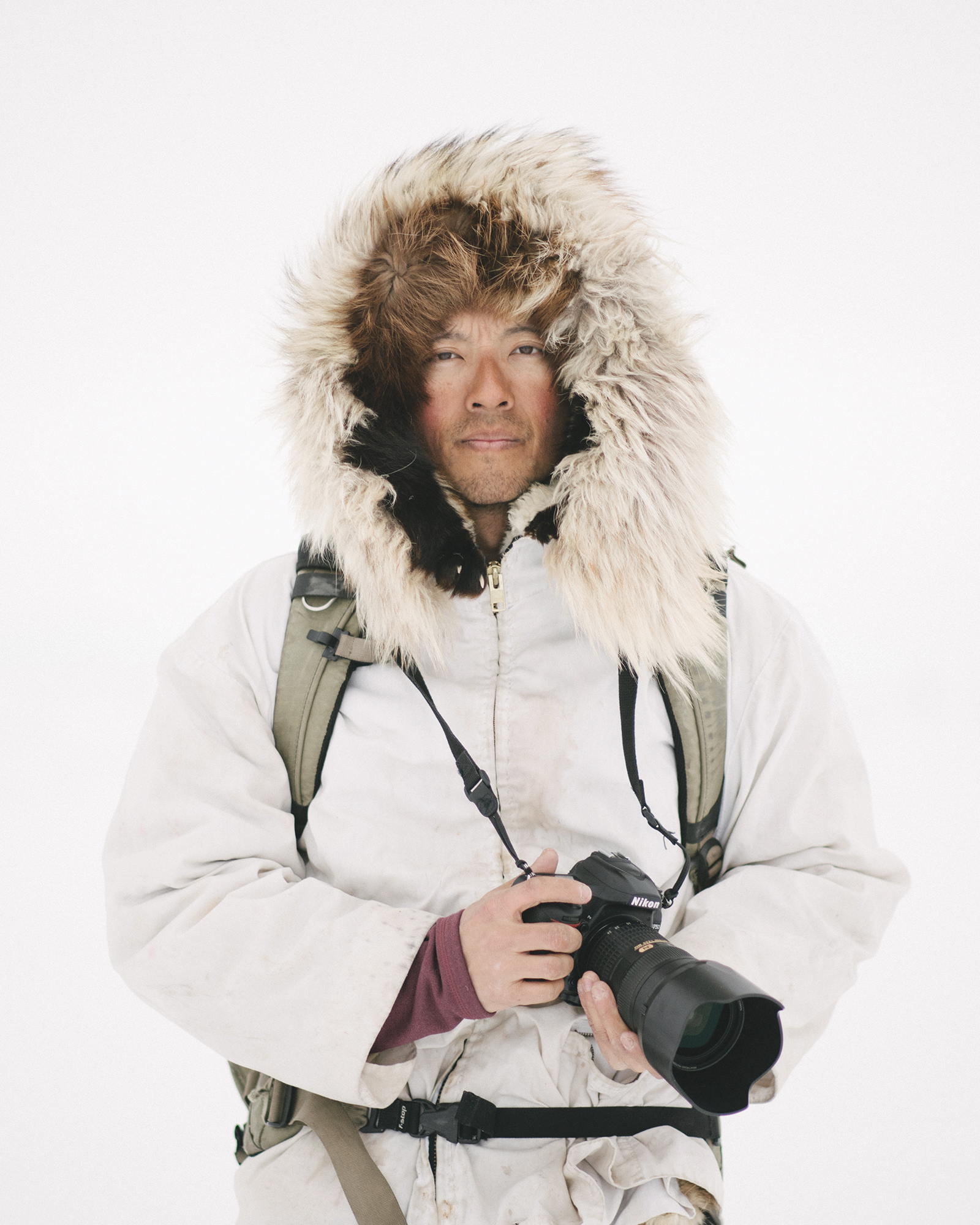
Going from traditional kayak builder to in-demand photojournalist is not a typical career path. So atypical in fact, it’s probably only ever been trodden by one person: Kiliii Yuyan. Yuyan, who is of Nanai/Hèzhé descent (native Siberian) and Chinese-American, was raised with a fascination for his Indigenous culture and the frozen wilds of the Arctic. He was born in Maryland but lived his first few years in Taiwan, raised by his grandmother who whispered the traditions of his ancestors into his toddler ears. She told him stories of fishing with her father from traditional hand-built kayaks and, wide-eyed and curious, he was enraptured. He wanted to do that, too.
Yuyan has spent two decades building skin-on-frame kayaks in the Pacific Northwest and teaching the craft to curious boatbuilders around the world. It’s not only a deeply satisfying practice—shaving, bending, and coaxing wood and hide—but one that allows a physical connection with his heritage. The kayaks were beautiful, as were the remote waters he enjoyed paddling, and to share his experiences with people close to him, Yuyan began photographing his trips. He was a natural. Within a few years, Yuyan was traveling the Arctic, capturing sharp, confident images of everything he saw. Soon he was scoring National Geographic cover shots. He’s been a Nat Geo Explorer since 2021.
Like his boat building, Yuyan’s Arctic photography lets him connect with his heritage, a way of understanding the stories his grandmother told. Though his work isn’t just confined to the Arctic—he’s had plenty of staring contests with tropical sea snakes and watched reef sharks cruise past his camera in distant archipelagos. But the Arctic is his muse.
“It’s a weird, dynamic environment,” Yuyan says. “It’s beautiful and has so much life. From narwhals to polar bears and people hunting according to traditional knowledge, the sea ice has everything I love.”
His photography is suffused with life. There are graceful icebergs and majestic bays, sure, but most of his work features animals and, especially, people living in equilibrium with the harsh reality of the Arctic. The latter is something Yuyan celebrates in his work.
“Western outdoor culture largely thinks that humans will inevitably destroy nature,” he says. “But every Indigenous community I know embraces some variation of the idea that nature needs humans to care for it. That we are intertwined and part of nature, not separate from it.”
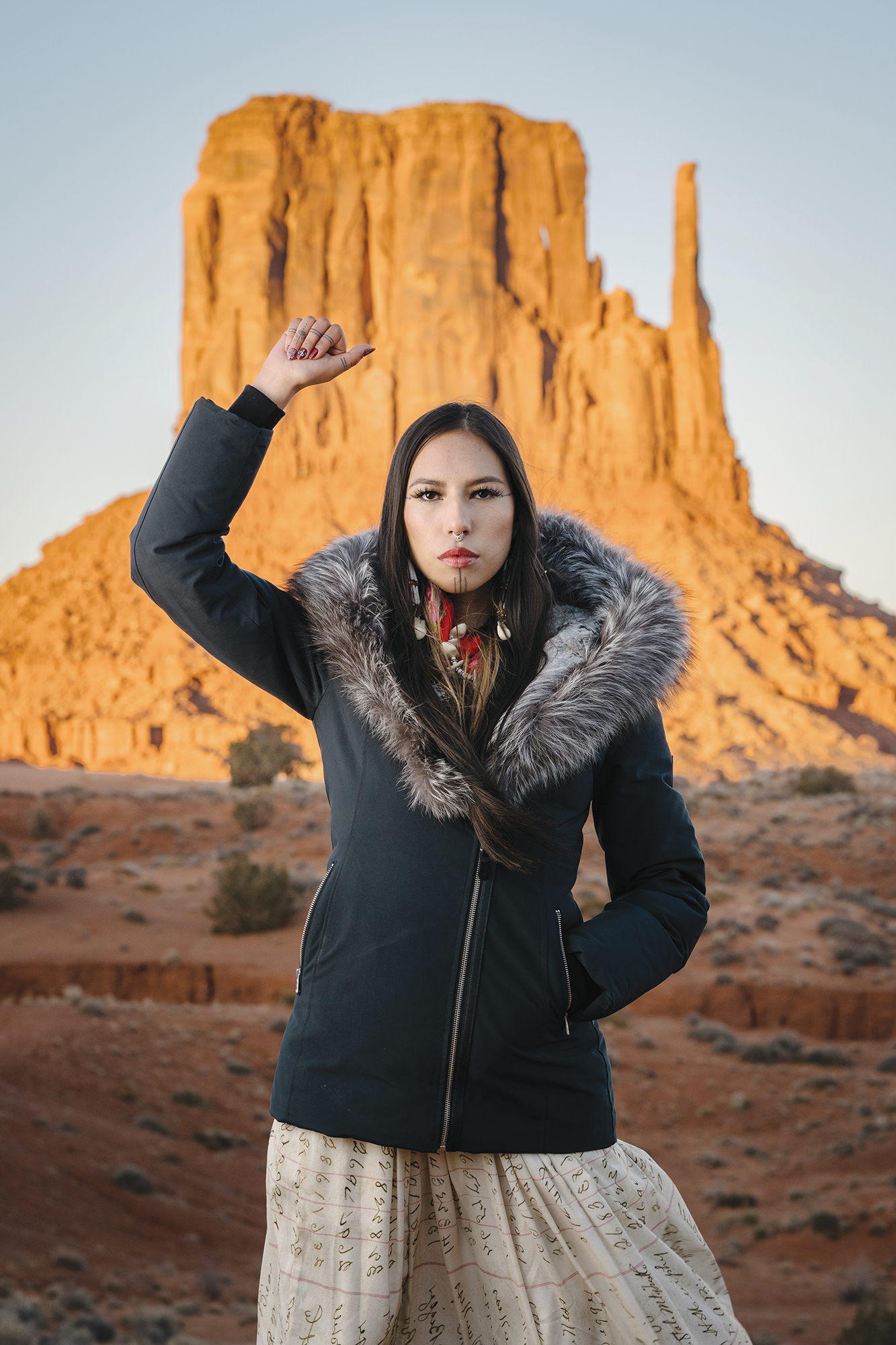
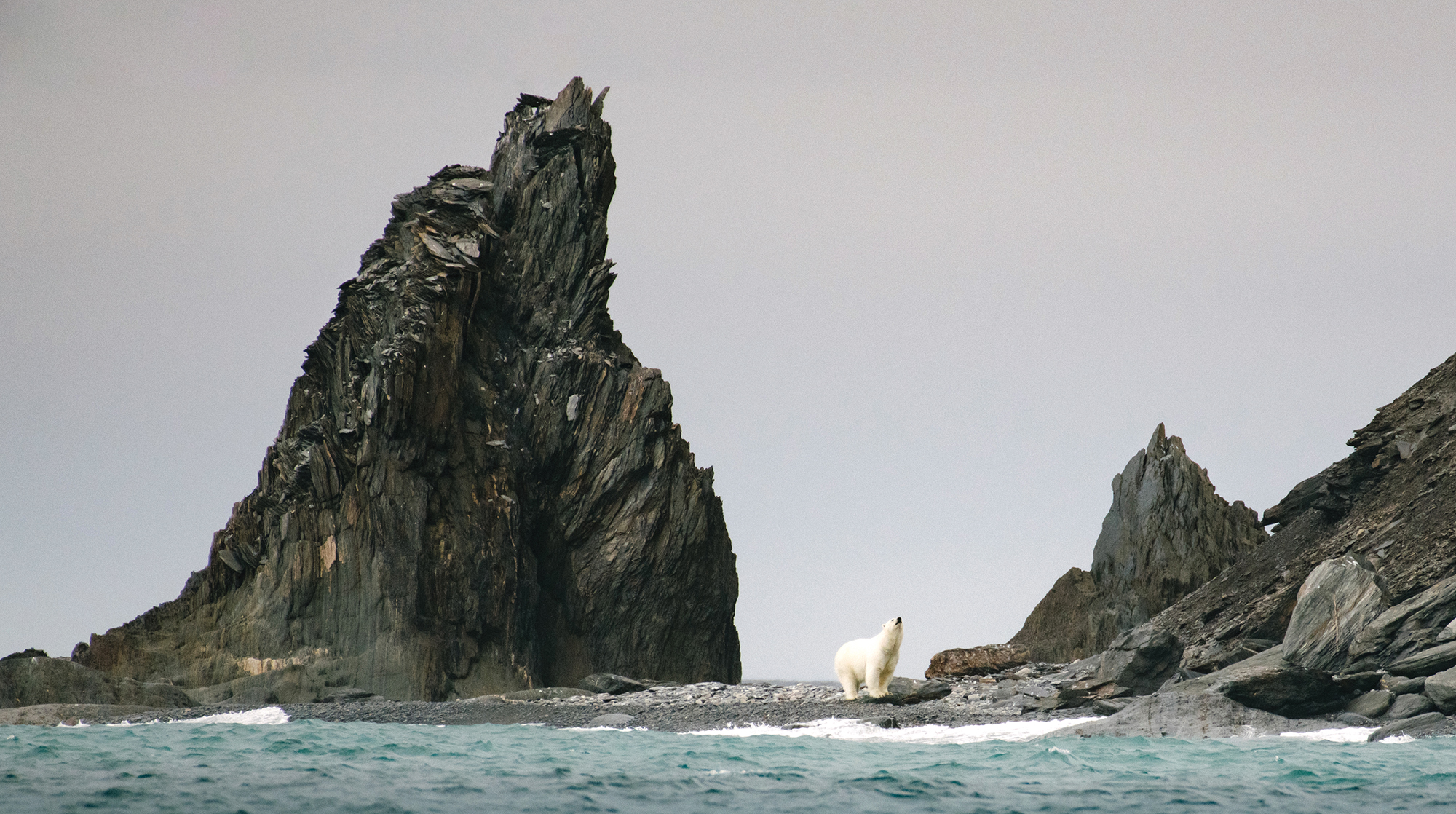
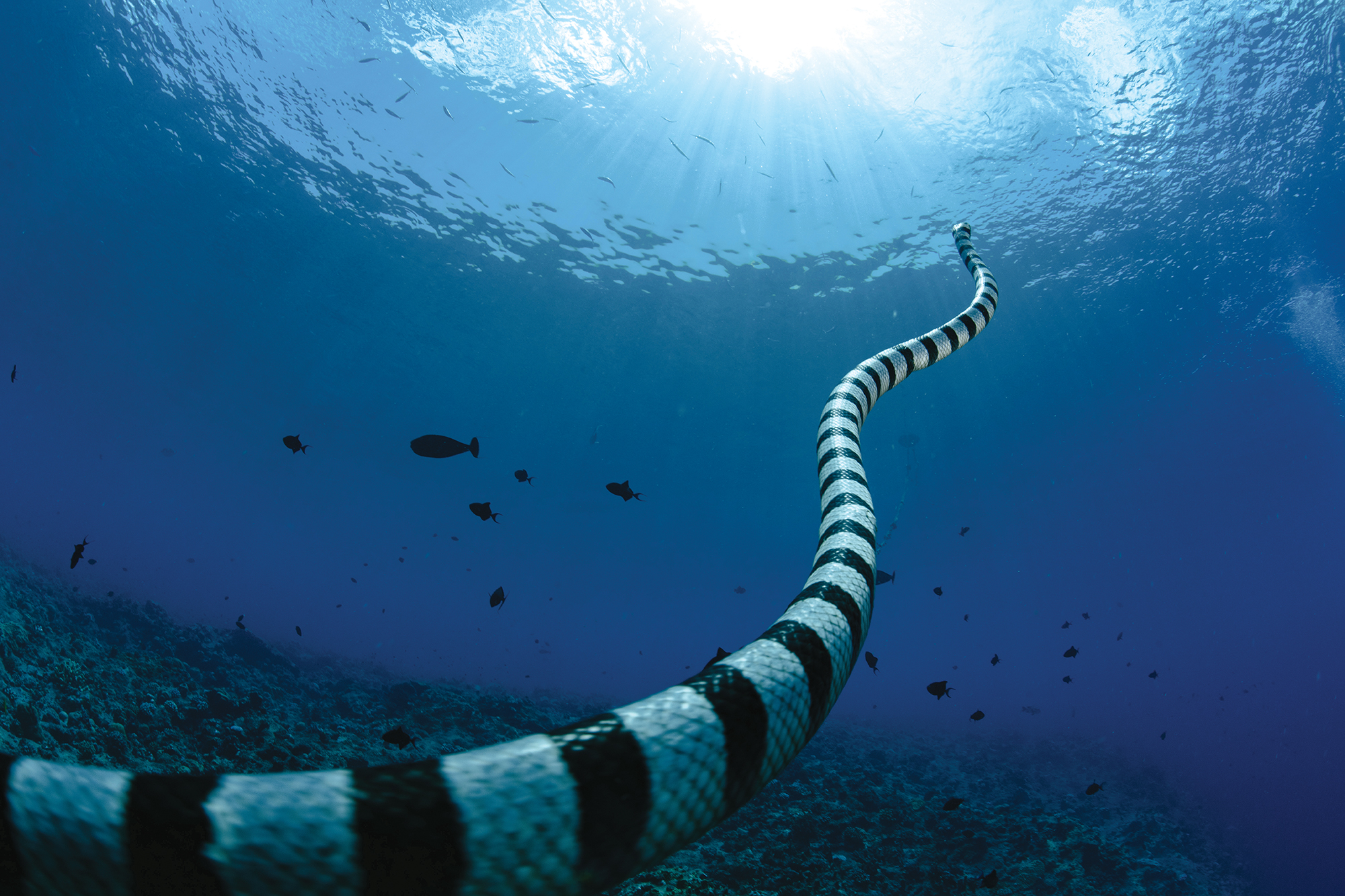
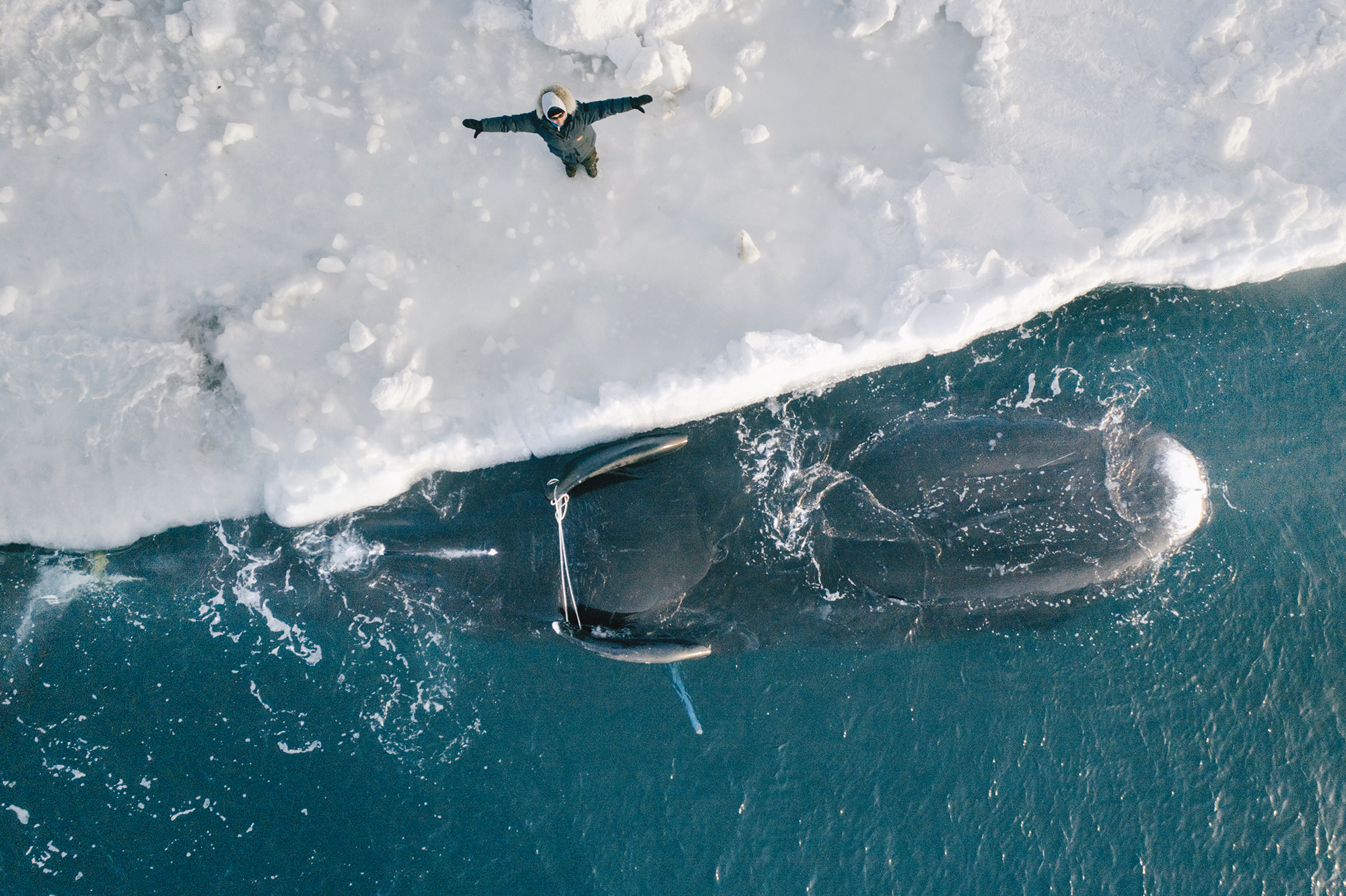
Photos by Kiliii Yuyan
42 issues. 11 years. Independently owned. Printed on 70lb uncoated paper with a soft-touch cover, solar-powered, and shipped in a brown paper envelope. Free domestic shipping.