Arts + Sciences
People Changing How We See the World
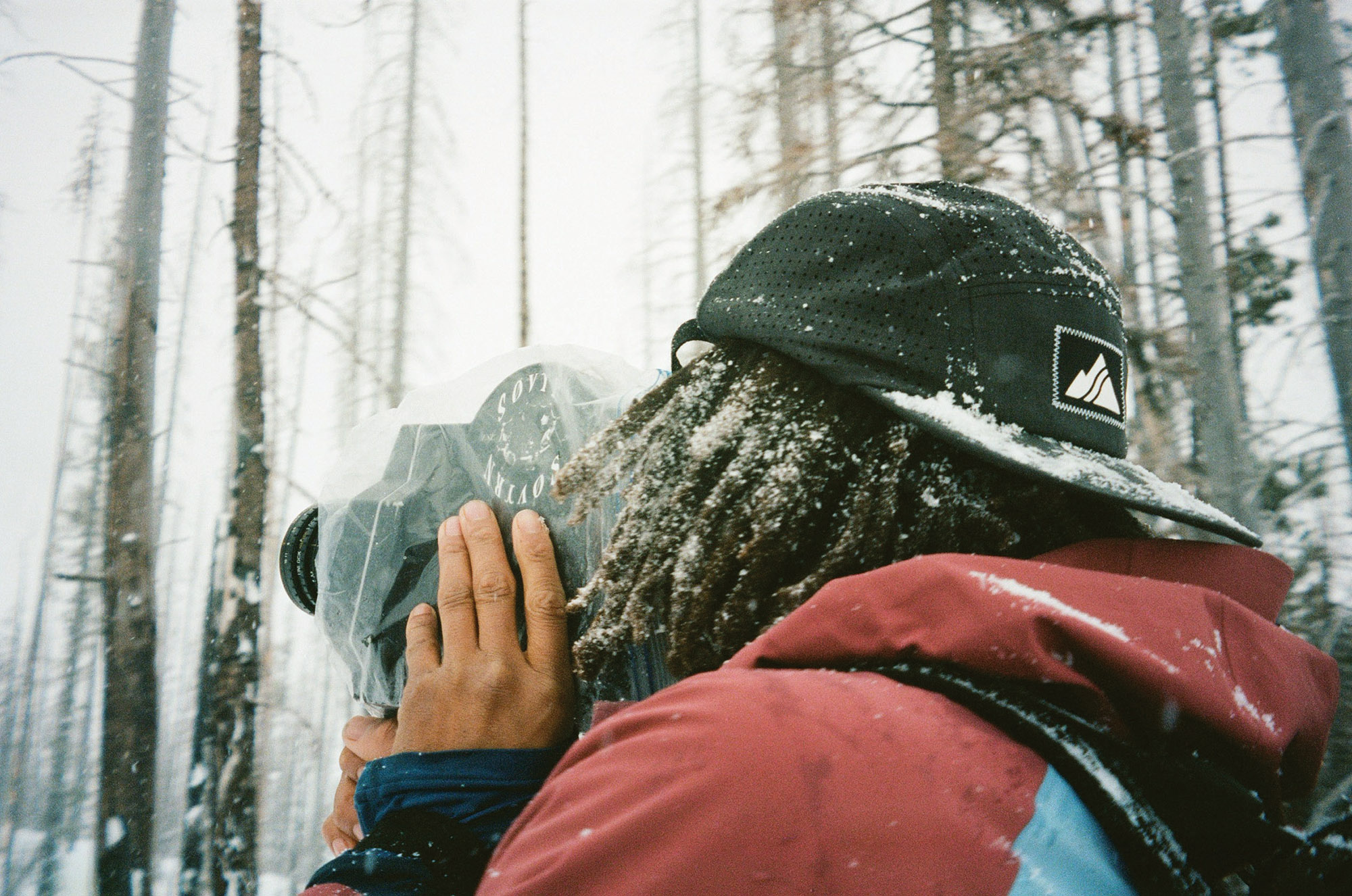
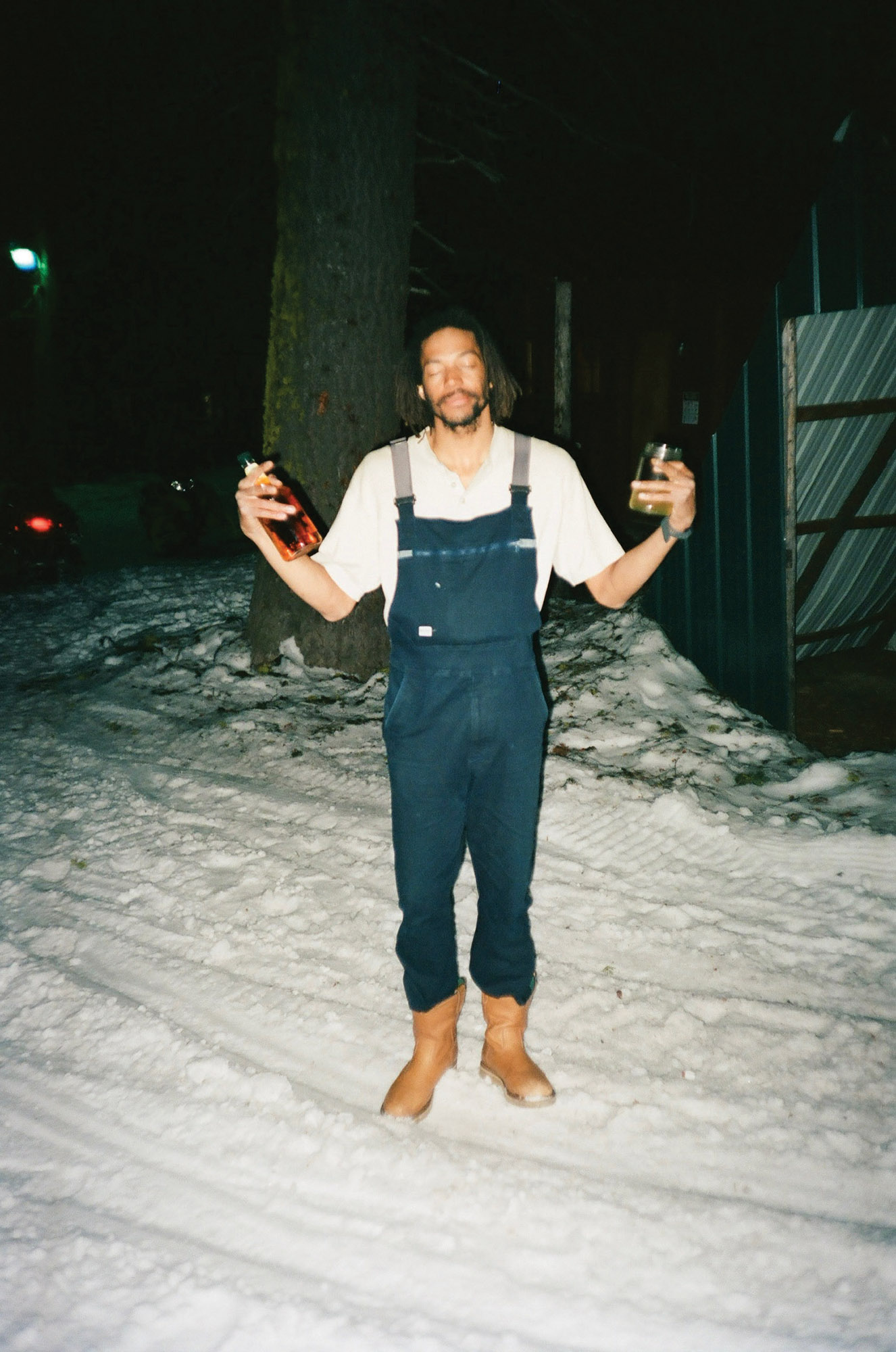
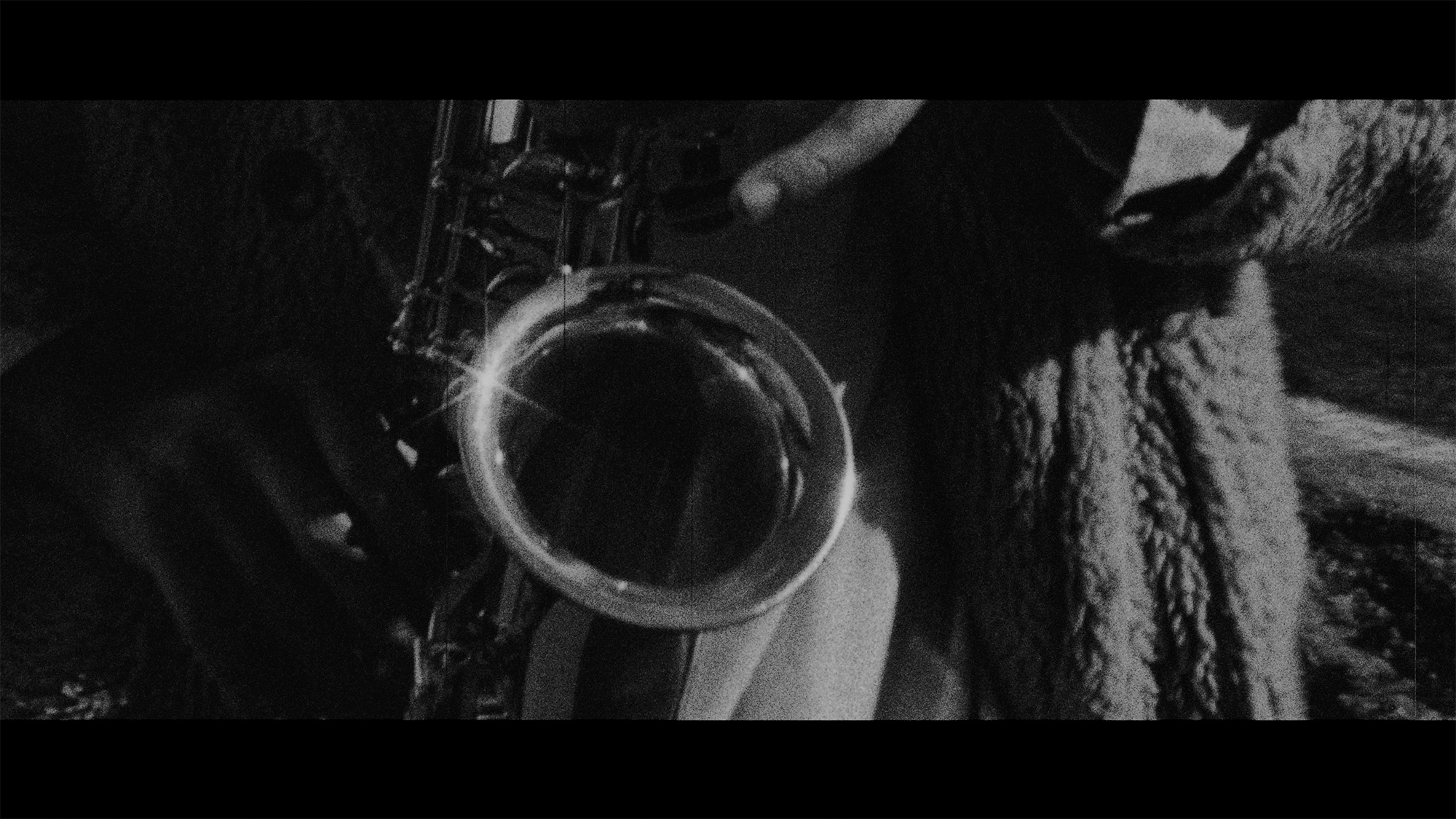
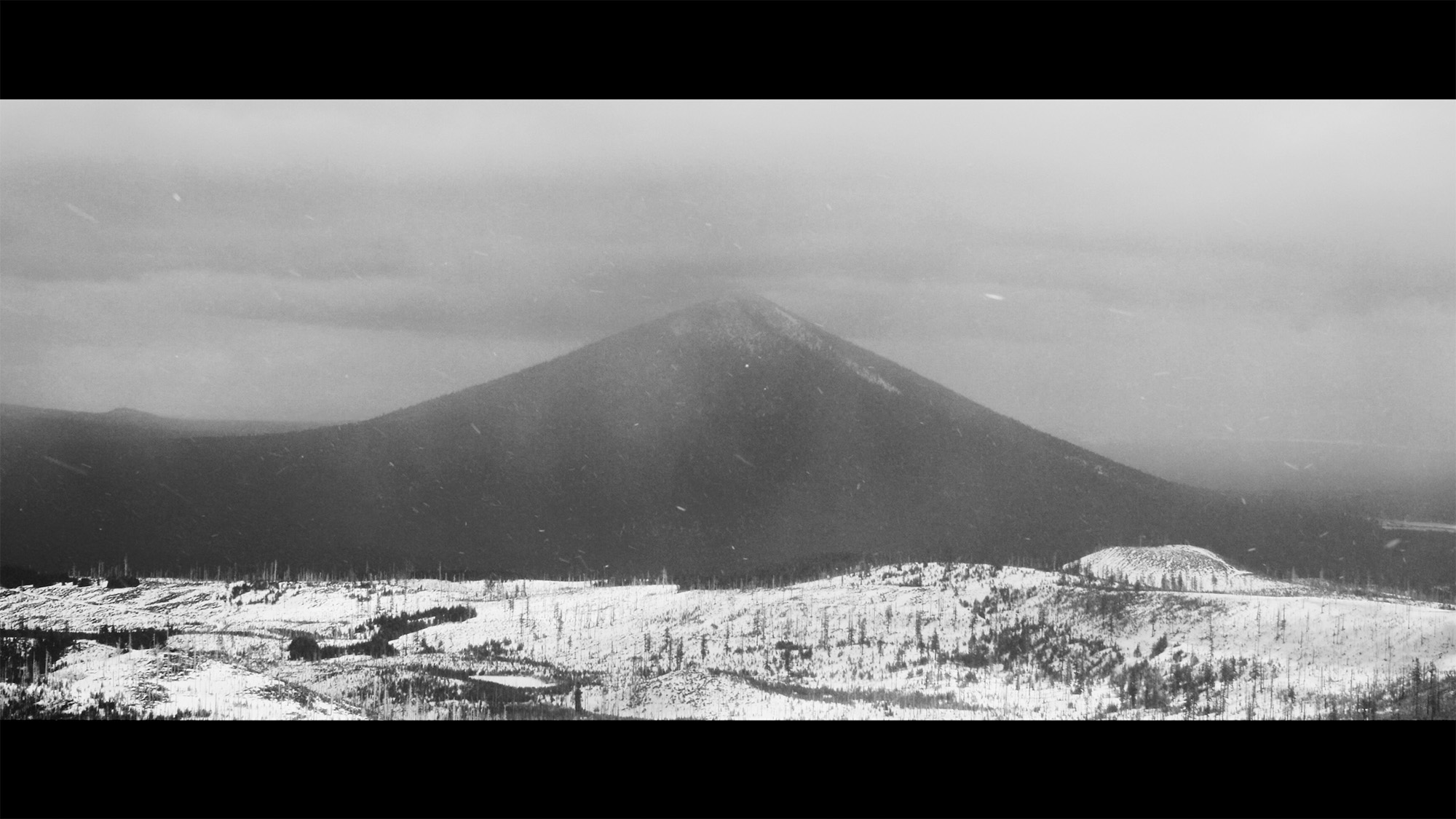
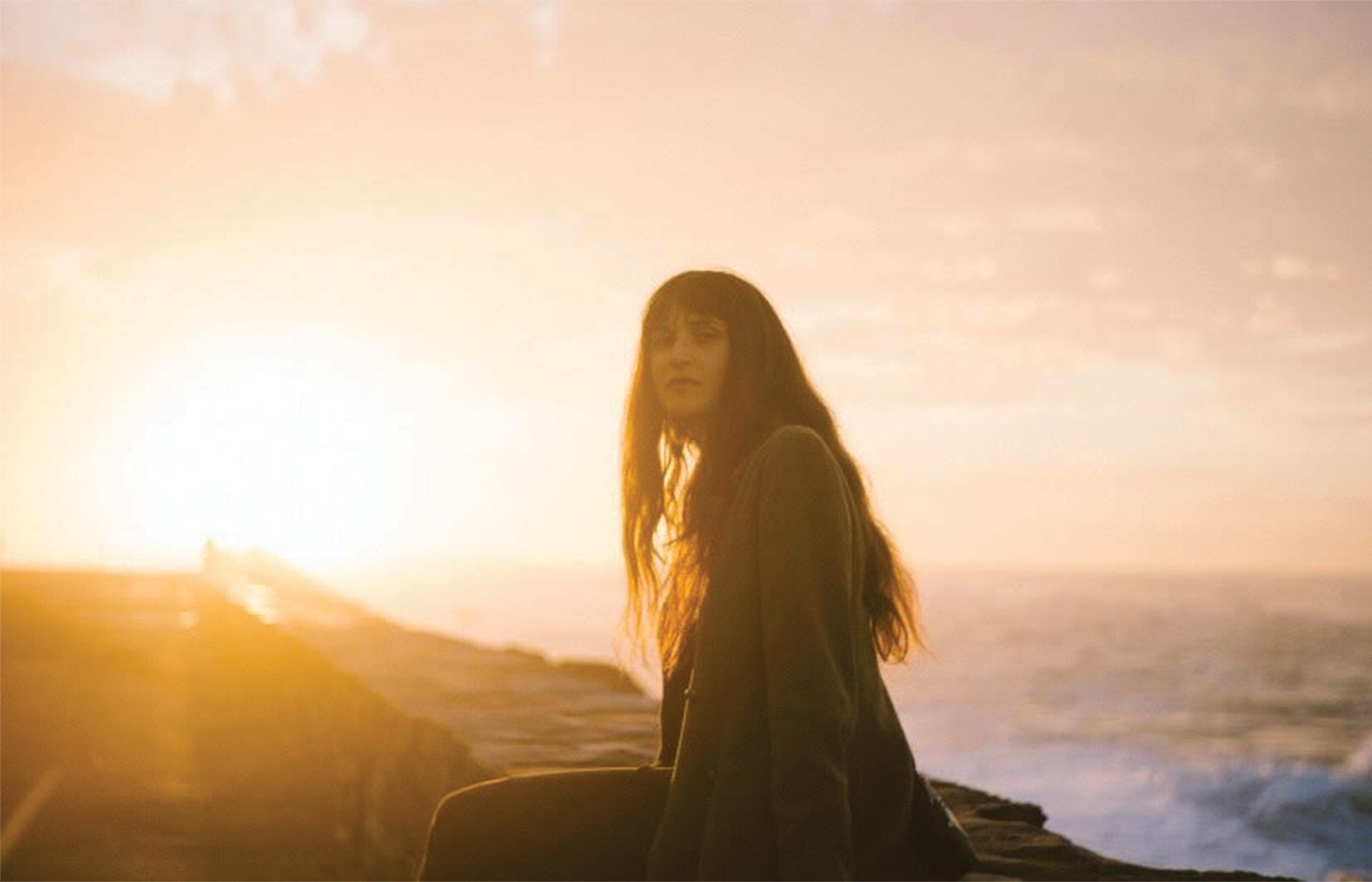
One of the most celebrated ski films of 2023 featured only two minutes of skiing over its ten-minute length. The entirely monochrome film devotes more time to poetry, jazz, and philosophy than skiing and more shots of urban Los Angeles than powder-cloaked ridgelines. A Warren Miller shred flick this is not. And yet Blackcountry Journal, a first-time effort from Mallory Duncan, won Best Snow Sports Film at the 2023 Banff Centre Mountain Film Festival. It was an extraordinary achievement for a deeply personal exploration of Duncan’s experience as a skier, as a Black man who grew up in the San Francisco Bay area, and as a jazz lover.
Duncan has skiing chops, too. A sponsored skier who built a career in the industry as a sales rep, he lives in Bend, Oregon. During the Black Lives Matter movement in 2020, Duncan, awash in conflicted feelings in lily-white Bend, wrote a poem trying to connect his love of urbanity, the jazz music it inspired, his Blackness, and the freedom big-mountain skiing brings. That poem became Blackcountry Journal.
“I wanted to make something unique, with the influence of music videos and of artistically driven, narrative-style films to snow sports,” Duncan said. “A beautiful, intuitive piece people who aren’t skiers can relate to, so they feel more at place in the exclusive snow-sports world.”
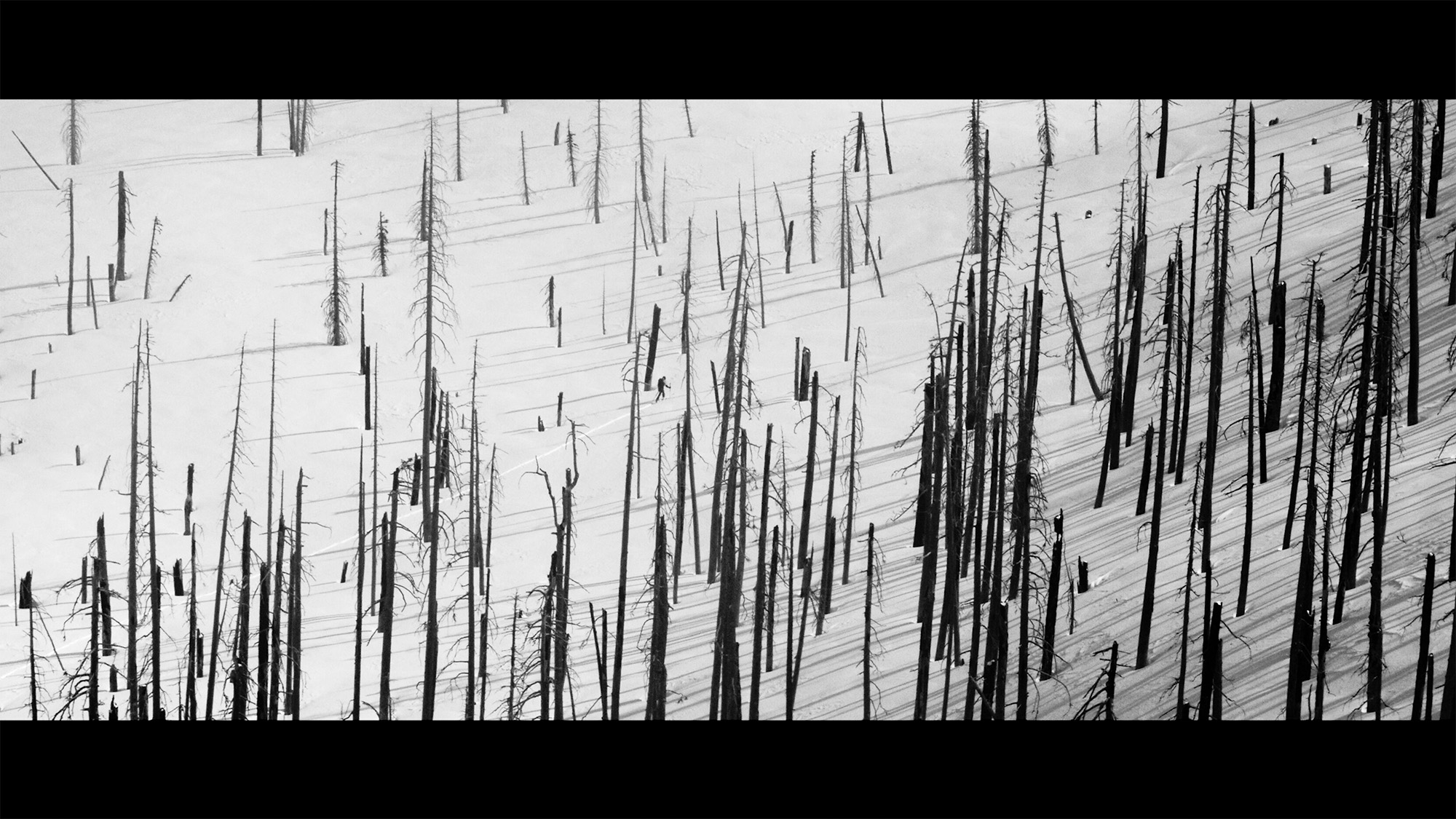
Though brief, the skiing in the film is gorgeous. Shot in Oregon and Alaska, the footage features elegant, drawn-out carving, with the band War’s 1971 Afro-Latin blues classic “Slippin Into Darkness” laid over the top, a song so groovy it could make doing laundry feel cool. The music suits the lanky Duncan’s flow turns, though the skiing really isn’t the point.
“I like to joke and say the best ski movie ever made is Hot Tub Time Machine,” Duncan said in a way that suggests he’s not really joking. “It’s a fun narrative story that’s only kind of about skiing. That’s what Blackcountry Journal is. It’s a narrative film that also has skiing in it.”
Another highlight of the film is Duncan’s poetry reading. The best part comes at the end, as he reads his own work against the backdrop of Alaskan peaks.
“And when you look back, didn’t you see the piece you played, improvised on the peak’s paper flanks; Miles and Monk, Fitzgerald, James, Blakely, Holiday, and Coltrane? Don’t you remember, the music within the mountain?”
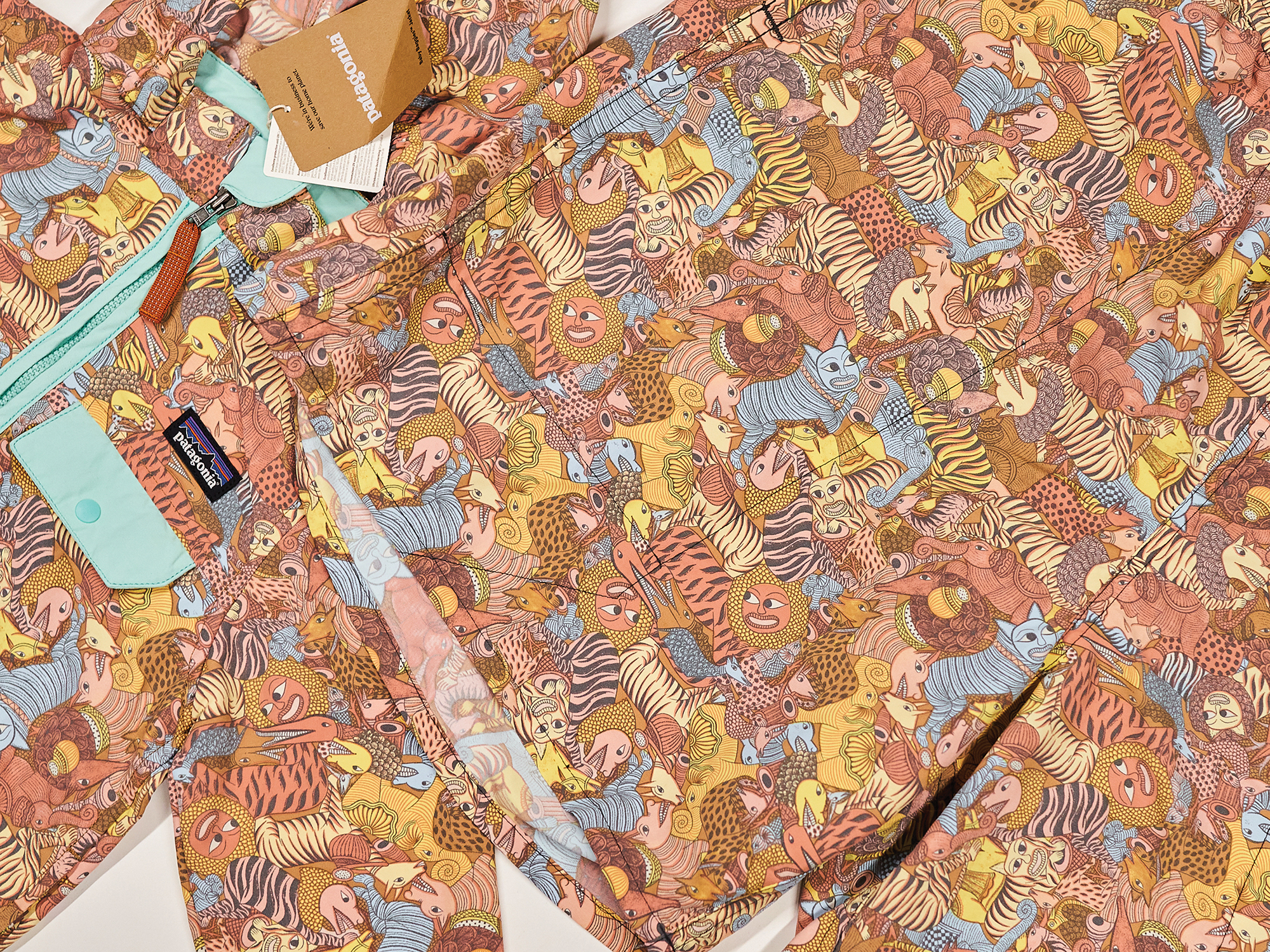
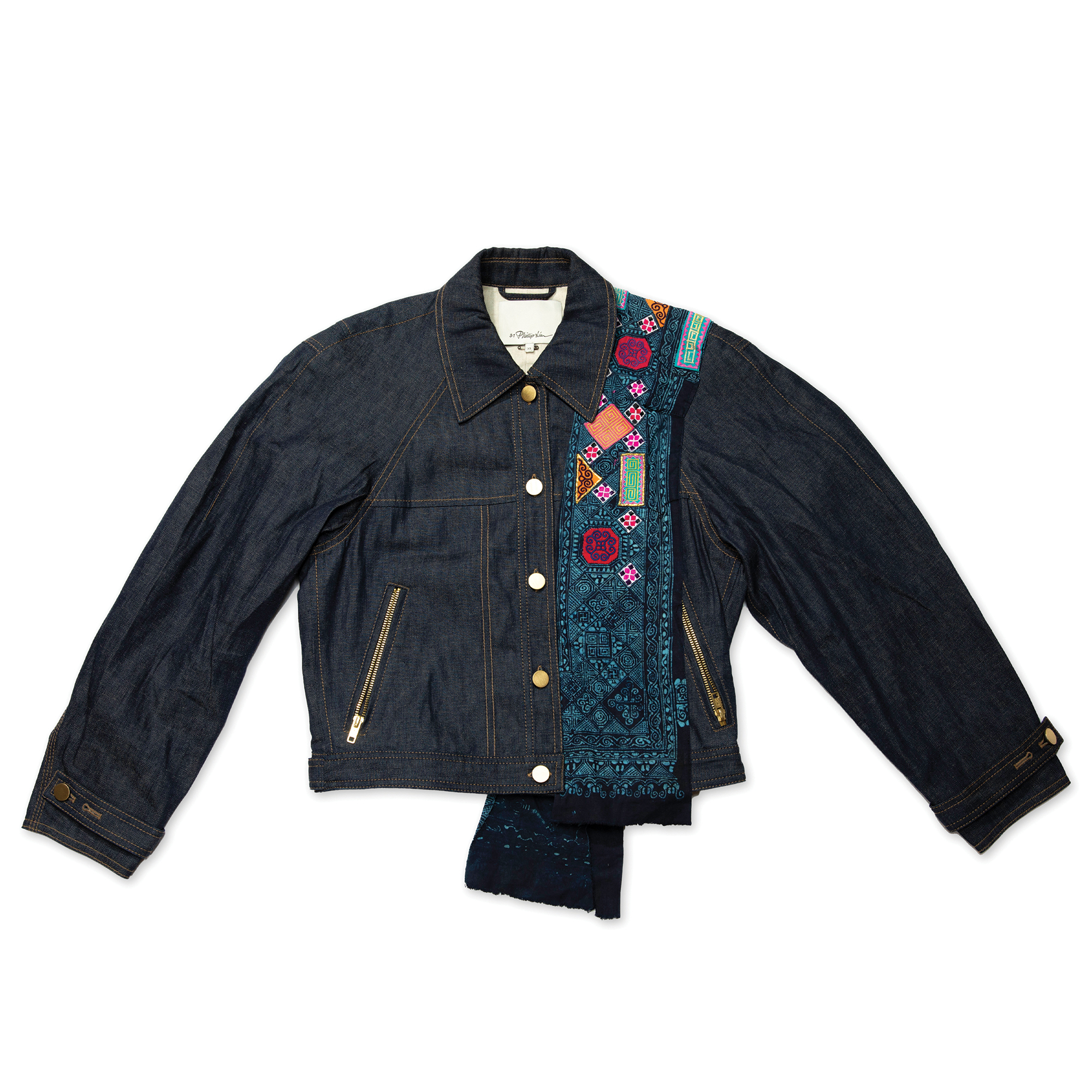
In 2023, Patagonia released a pair of shorts printed in a colorfully chaotic scene of elephants, crocodiles, lions, and tigers mingling in a mangrove forest. The print was produced from a traditional scroll painting using marigold and turmeric pigments painted by an Indigenous Bengali artist named Tagore Chitrakar.
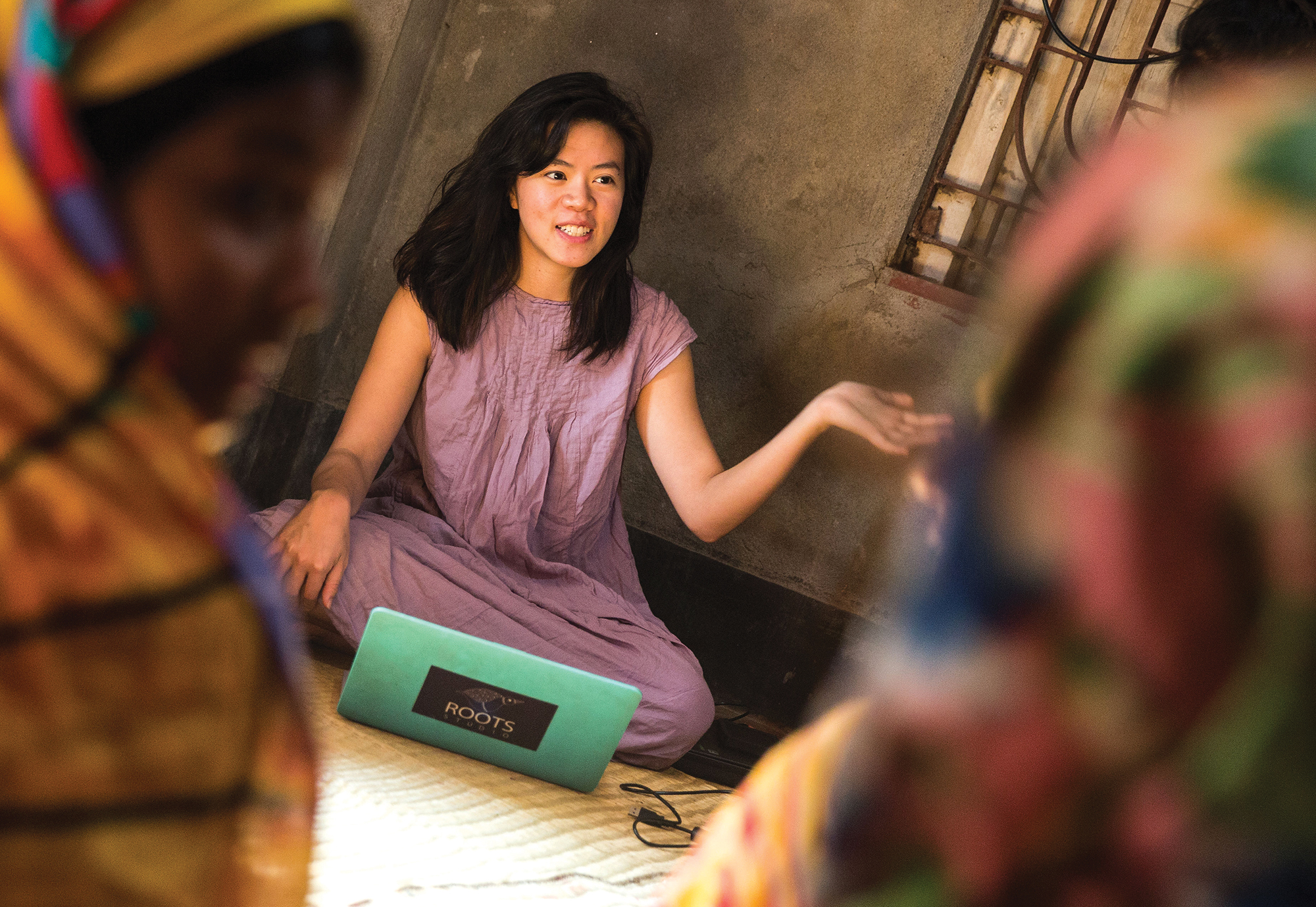
A billion-dollar brand using Indigenous art on a pair of shorts—exploitation, right? Well, no. The Chitrakar and Patagonia collaboration was shepherded by Roots Studio, an organization founded in 2017 by Rebecca Hui to let Indigenous artists earn royalties from their work and protect their intellectual property from brands that might mine their art for marketable designs. Besides Patagonia, Hui’s organization has worked with outdoor apparel companies such as Columbia, Prana, and Outdoor Research.
Roots Studio digitizes the artist’s work and makes it available for licensing. Intellectual property rights remain with the artists and royalties are sent back to their communities. Roots Studio connects the artists to brands and helps them and their locales profit from what comes next. The communities have all the say: what they’re comfortable selling, how it’s used by licensees, and how royalties are shared. What’s sacred to them is preserved in the community. What’s sellable gets posted online for use.
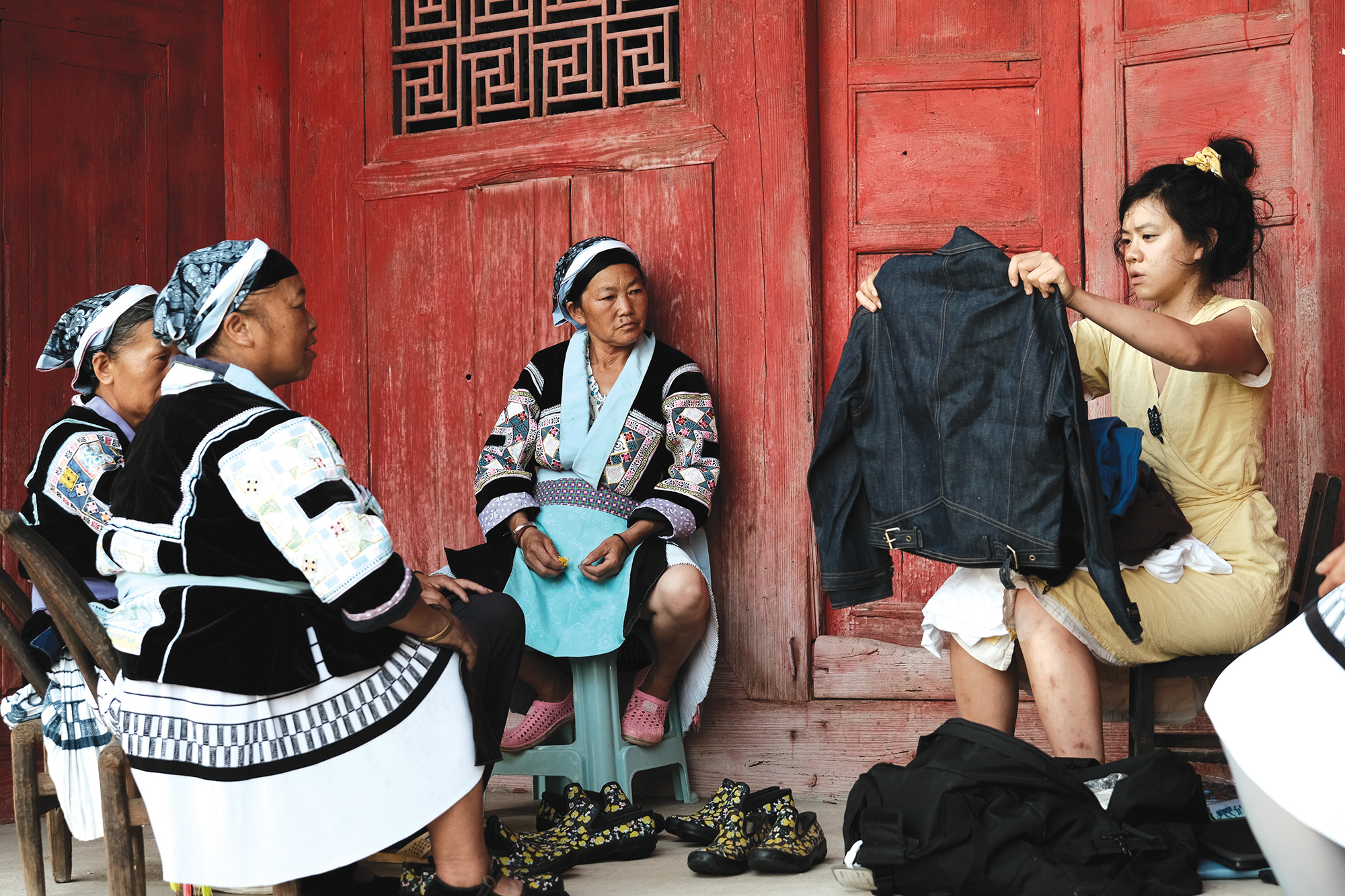
The seed for Roots Studio was planted in 2013 when Hui was in India on a Fulbright Scholarship, studying the coexistence of animals and people and the rural and the urban (Roots Studio is rebranding to RURBAN). She lived in remote West Bengal, where she met entire villages of farmer-artisans, some of them puppeteers, some woodworkers who carved intricate animal figurines, and many who were scroll painters like Chitrakar.
“Something in me radically shifted living in Bengal as I realized there’s so much beauty and creativity in their maker economies based on craft and heritage,” Hui said. She saw farmers struggling in a changing climate to provide subsistence, farmers who also were talented artists but didn’t see art as something they could afford to pursue. Within a couple of years, she’d founded Roots Studio to change that and to introduce the culture and lore of these Indigenous communities to the broader world.
“This is the knowledge and the treasure the world needs right now,” Hui says. “No matter where our communities are, we shouldn’t live in silos. I think we need to bridge cultures in a world like the one we live in.”
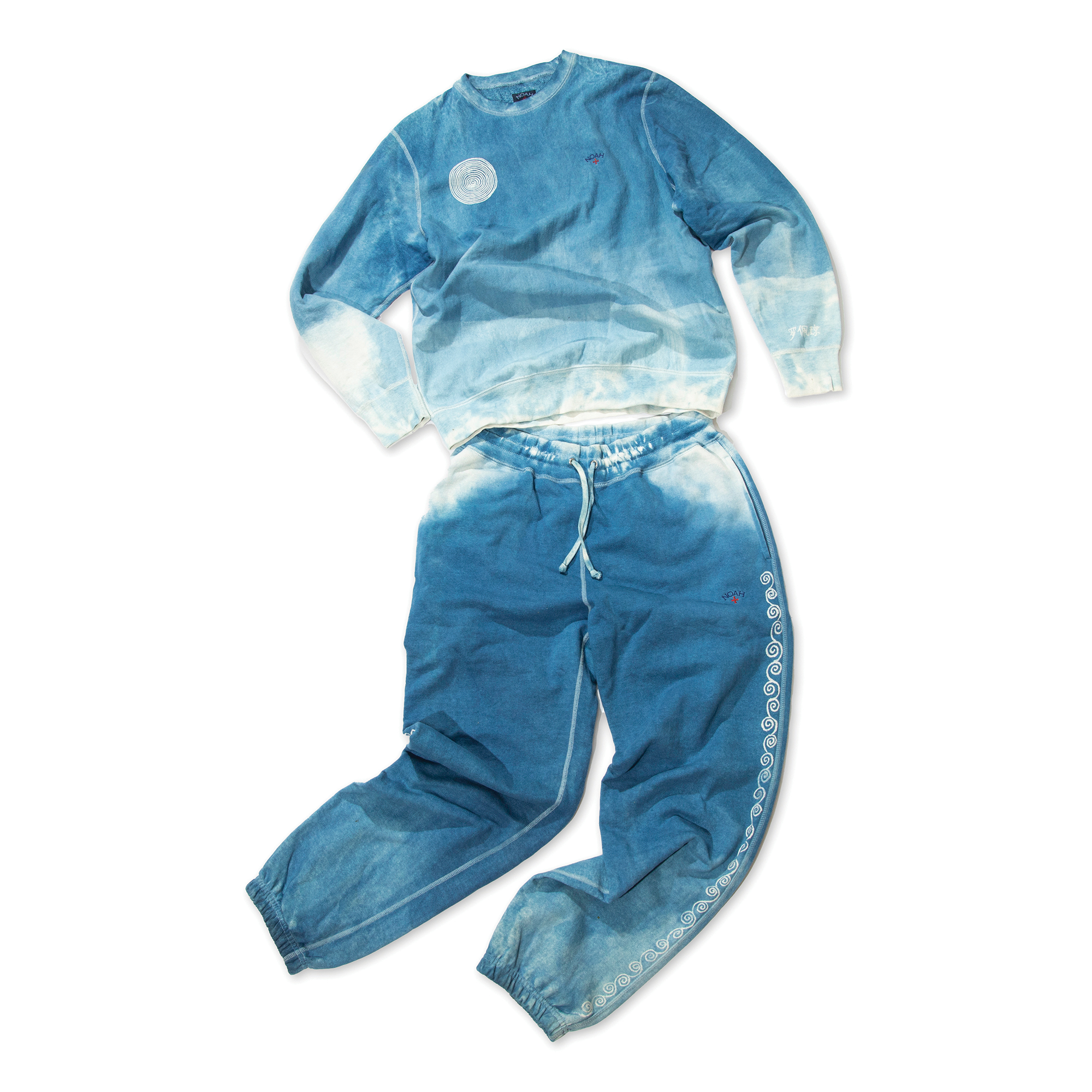
Dropping out isn’t always bad. Pandora Decoster dropped out of art school, cooking school, a brief permaculture interlude, and even pro surfing, all in her twenties. Now in her early thirties, Decoster, who lives in wave-rich Guéthary, France, is a wildly in-demand painter. She left art school because her professors discouraged her from painting, pushing her instead toward conceptual installations heavy with meaning. It was very French, but also very much not Decoster. She just wanted to paint. Dropping out of art school freed her to be an artist.
Decoster grew up a short distance from the beach at La Côte des Basques, a Shangri-la of European surfing. Her grandfather introduced her to the sport as a child, and she fell in love. She became a standout longboarder, one of few women in the male-dominated Biarritz lineups of the 2000s. One day, the famous Roxy surf team came to town, all bikinis and smiles and good vibes, and when they left, Decoster went with them, now contracted as a Roxy pro. A few years later, the dropping out began.
Her work today reflects life in the sands of Biarritz and the golden-hued beach towns where Roxy sent her for photo shoots. Imagine Gauguin’s Tahiti period, but simpler, more ethereal, in lighter pastels, and featuring women who look a lot like Decoster. She works entirely from memory, never plein air or from a photograph, so when she’s painting a beach she knows, or a surf scene she remembers, only the feelings that burned themselves into her consciousness make it onto the canvas.
Rarely, however, does actual surfing appear in her paintings. Instead, she seeks to portray the atmosphere of somewhere as bliss-inducing as Biarritz. A solitary woman leaning over a balcony checking out the surf, a group of women in a surfboard-laden car cruising beachside while unbroken swell lines wrap into a distant point. The charming ocean-view neighborhoods and promenades of Biarritz rendered in crooked geometric patterns. It all looks, and feels, like a dream.
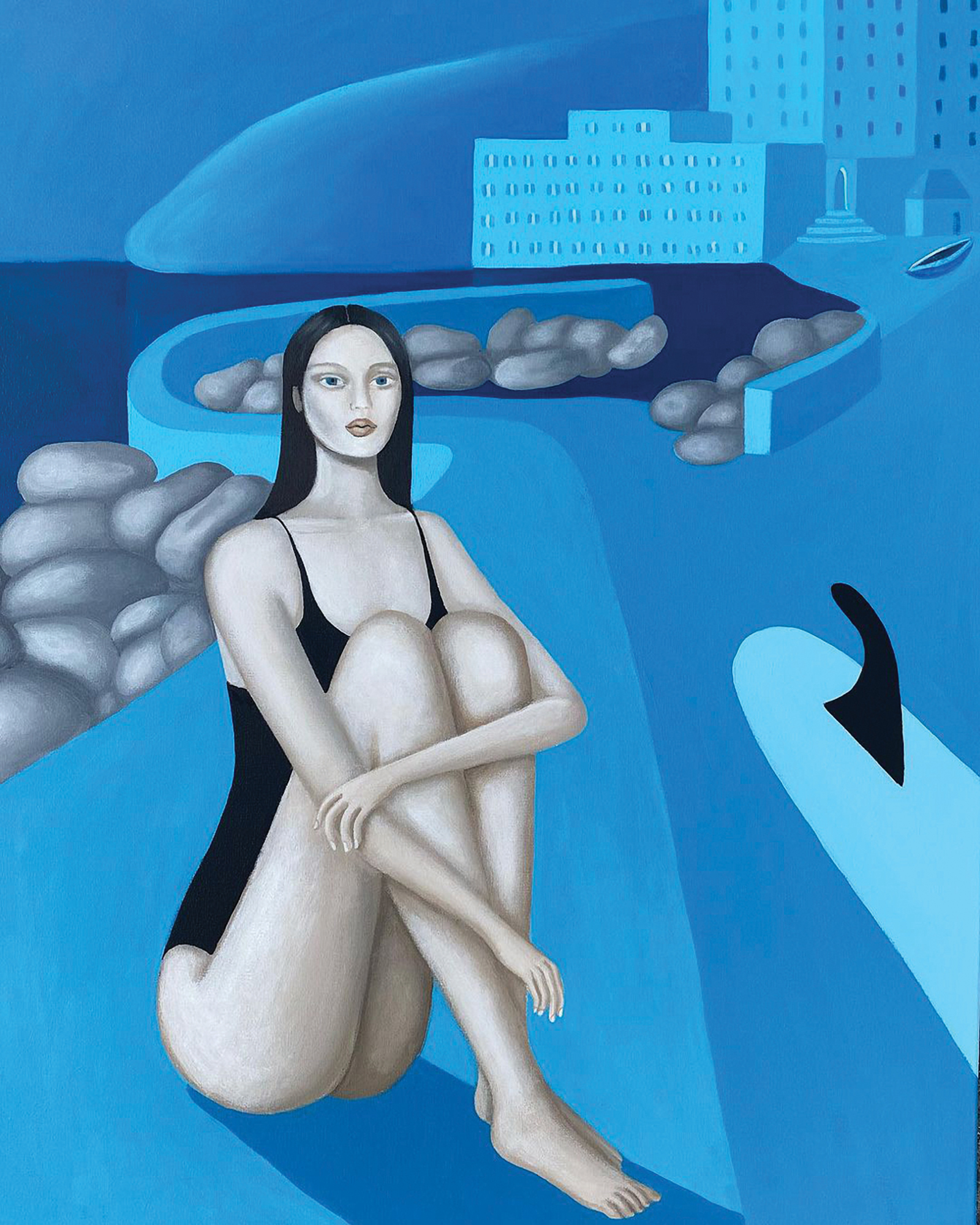
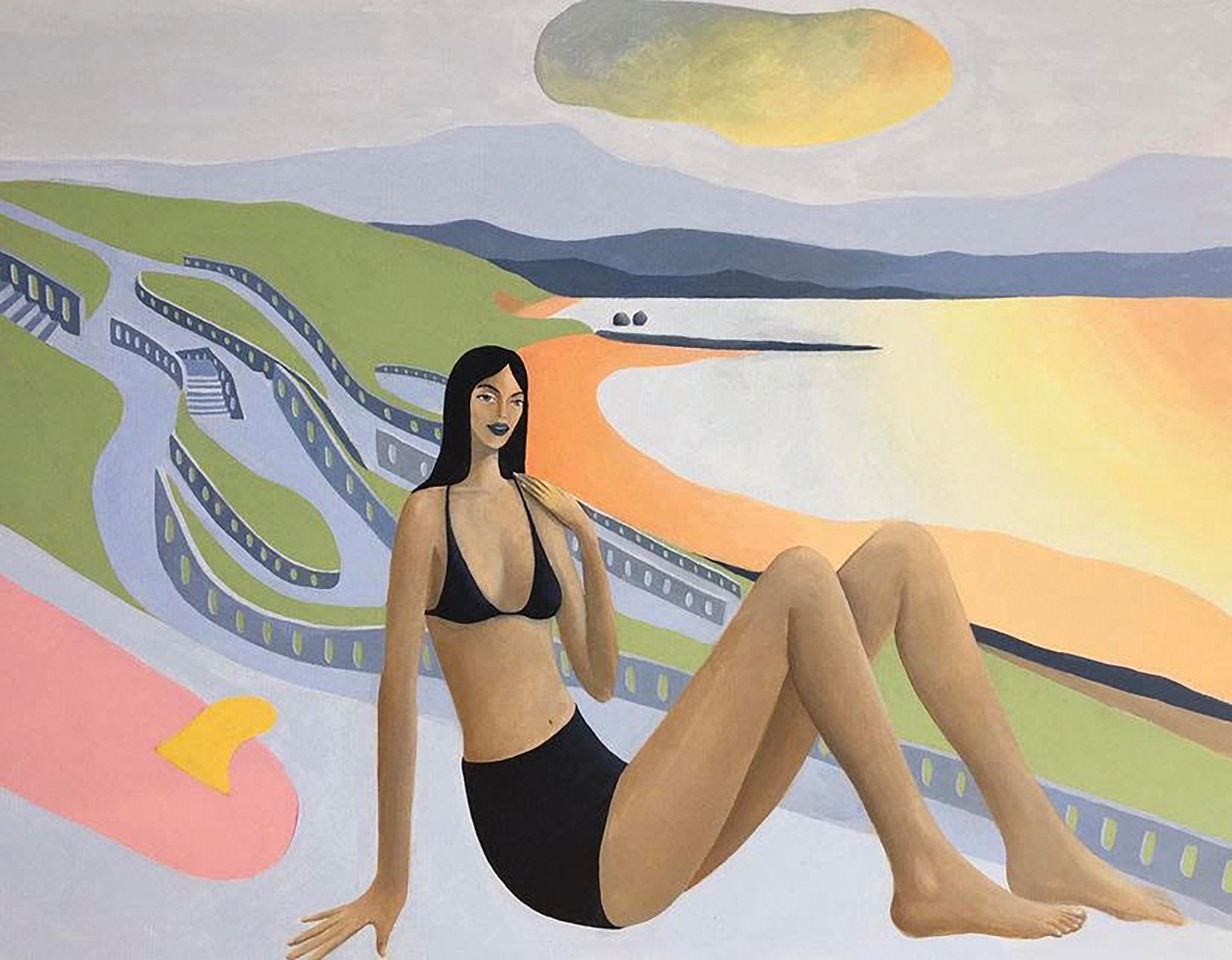
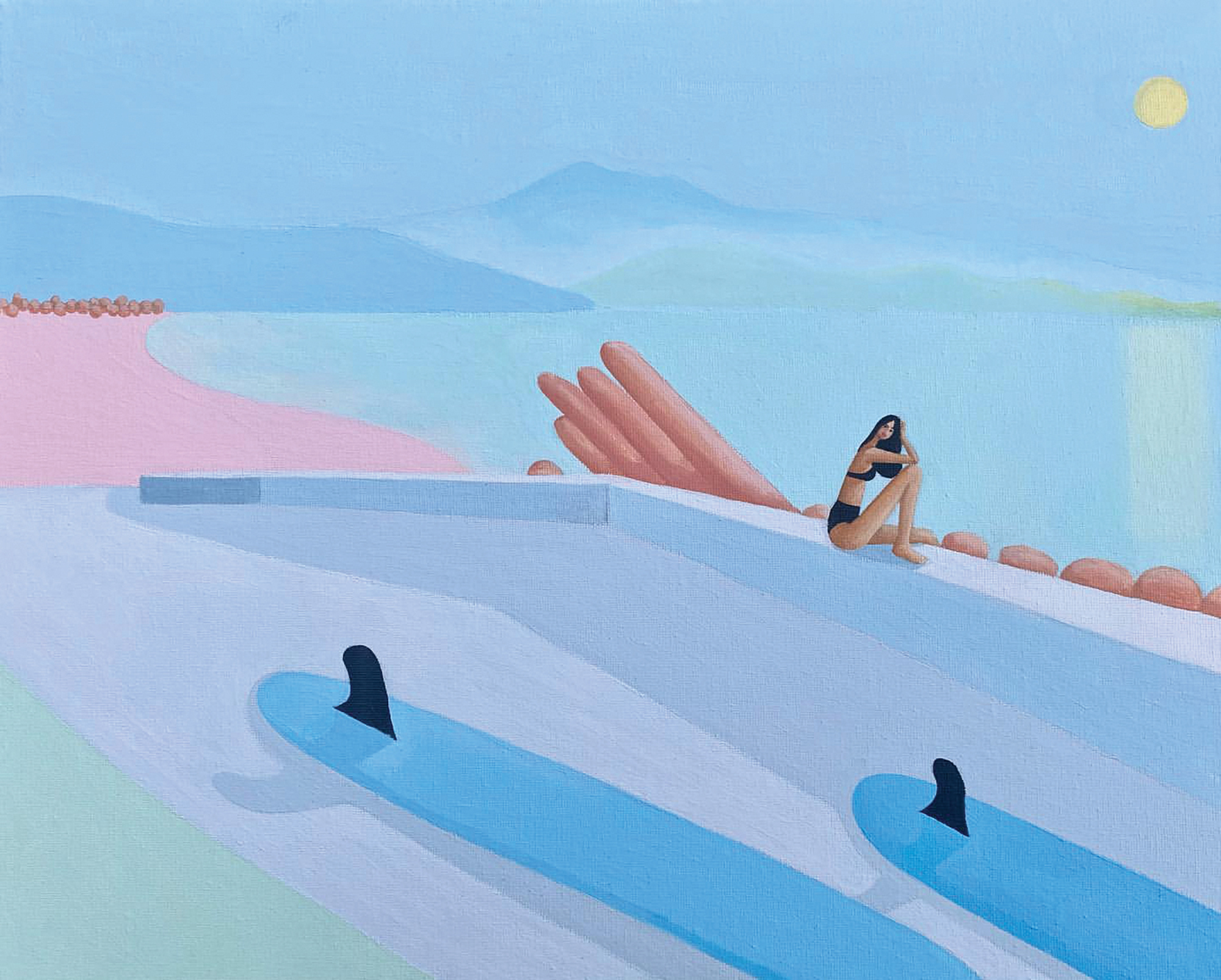
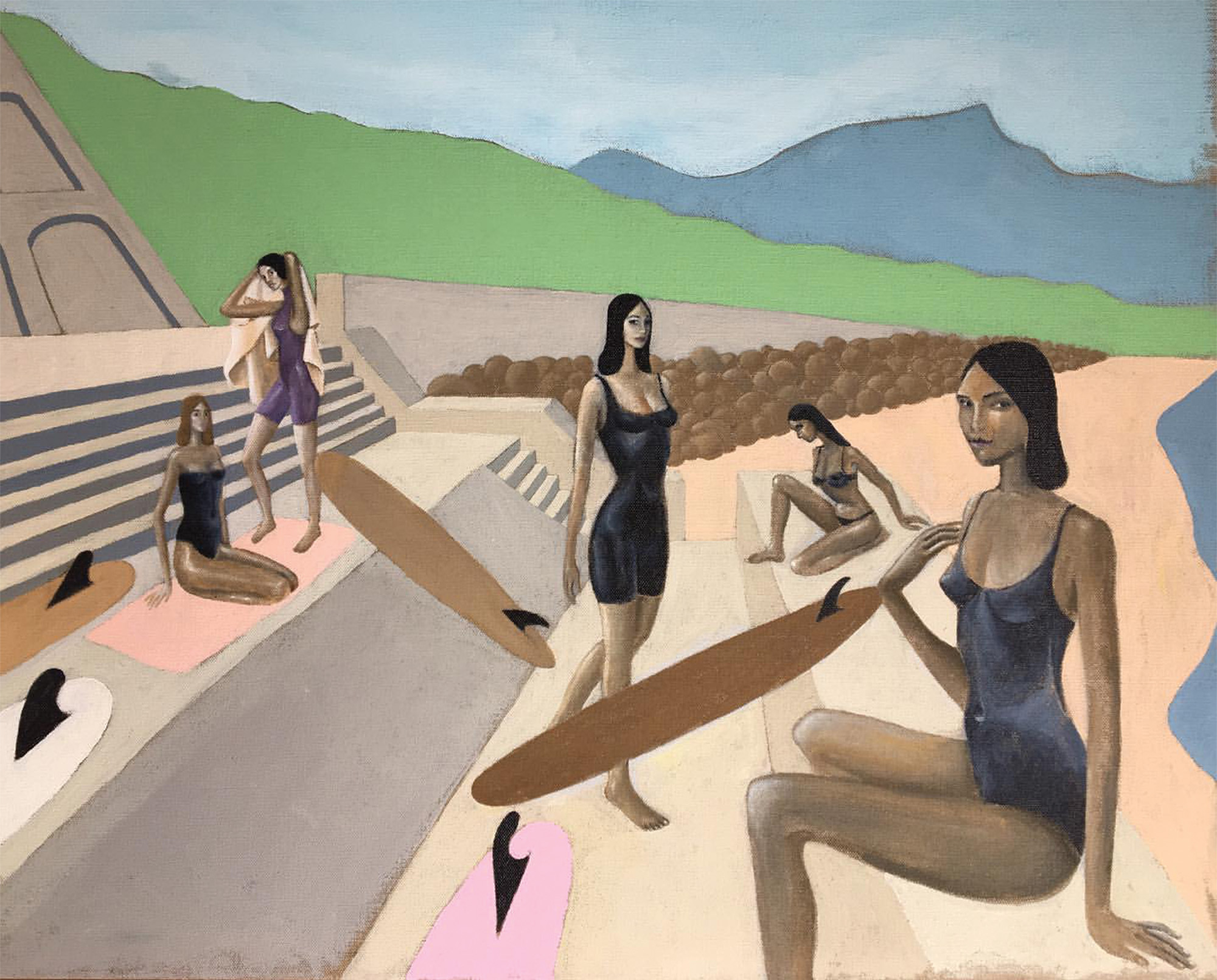
Artwork and photo by Pandora Decoster
42 issues. 11 years. Independently owned. Printed on 70lb uncoated paper with a soft-touch cover, solar-powered, and shipped in a brown paper envelope. Free domestic shipping.