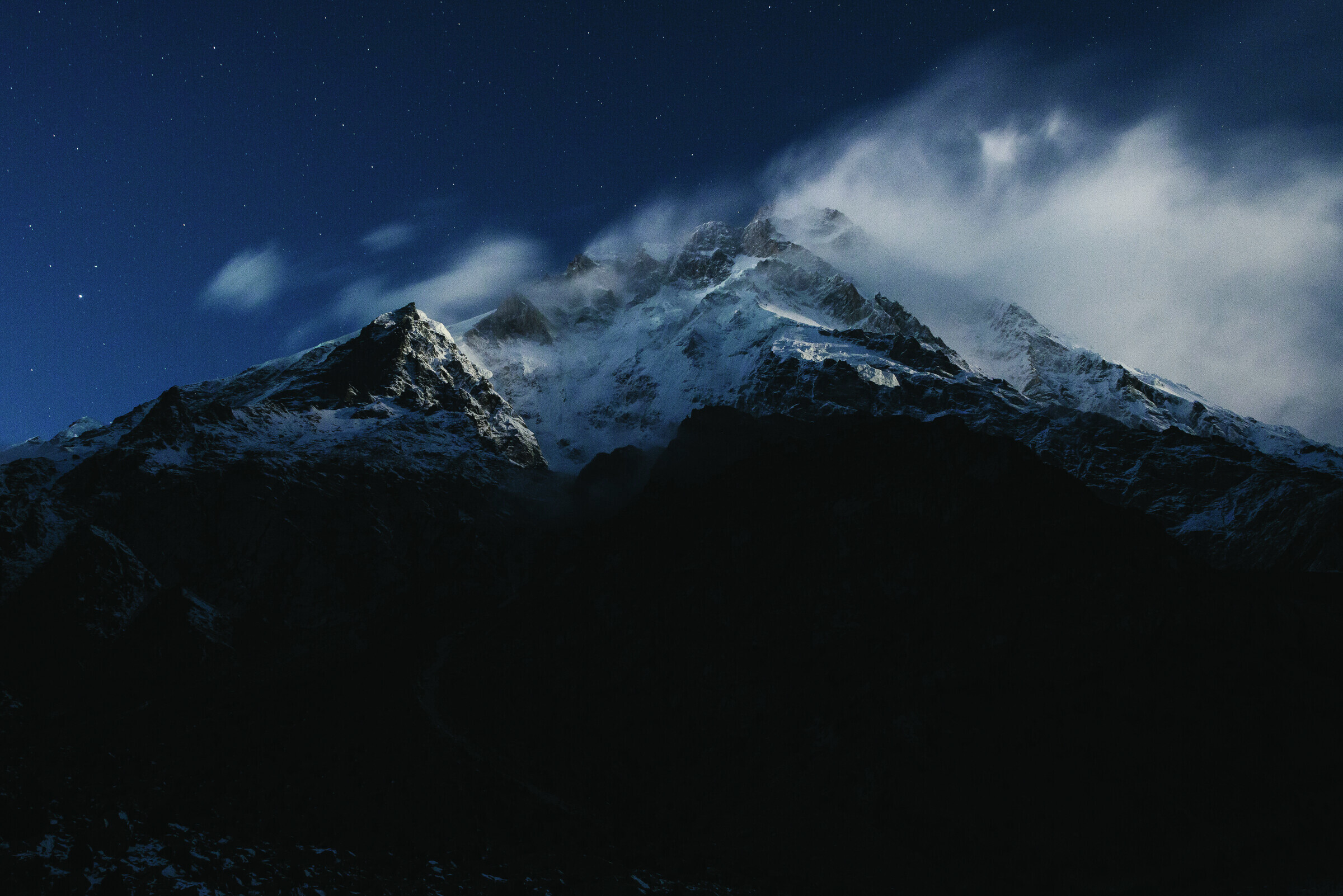
On January 26, 2018, seventeen minutes after midnight, from the cold shelter of a crevasse 7,283 meters high on Nanga Parbat in northwestern Pakistan, climber Élisabeth Revol sent a satellite text to her logistics coordinator in France: Tomek is in a terrible situation, he cannot walk, we could not reach the tent, we must evacuate him as soon as possible.
Tomek was Tomasz Mackiewicz, a forty-three-year-old father of three who taught himself to climb and fell passionately, irrationally in love with Nanga Parbat, the ninth-highest mountain in the world and one of its most formidable. He had tried and failed six times to climb the peak in winter. He reached the summit with Revol on this, his seventh try, arriving just as darkness fell. All through the hazy afternoon, he’d climbed without goggles, and as Revol switched on her headlamp, Mackiewicz announced that he could not see the beam. He was snow blind.
With his hand resting on her shoulder, Revol, thirty-seven, guided Mackiewicz down the steep
3,700 words to go
You’re just getting to the good part.
This story — and 42 issues of them — opens with a subscription.
Either one picks up right where you left off.
Join 7,000+ readers · Independently owned · Since 2008
Already a subscriber? Sign in