Recommended Reading
Himalayan human history, fictional eco-disaster, a midlife ski across Canada, and the making of Chris Burkard
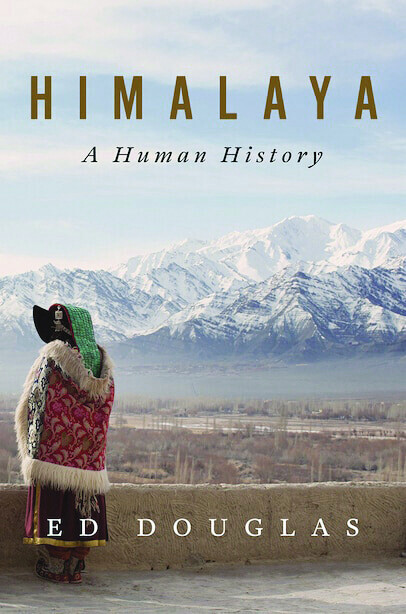
“Mountains are places for gods, not people. Rivers are for both and of far more consequence and interest to those living in mountains than to those who merely visit them.” This passage comes as close as any in capturing the vast and infinitely complex Himalaya, home to fifty million people and all of the world’s four hundred 7,000- and 8,000-meter peaks. The Himalaya stretch across eight countries, with more than four hundred languages spoken and twelve religions practiced, and author Ed Douglas, a British mountaineer and student of the range, frames it as a fundamentally human place, where war and intrigue and the striving of its people are as important to culture as the dreams inspired by heavenly summits. At nearly six hundred pages, Himalaya is a journey in its own right, but so is a trek to Everest Base Camp, and you just might see more here.
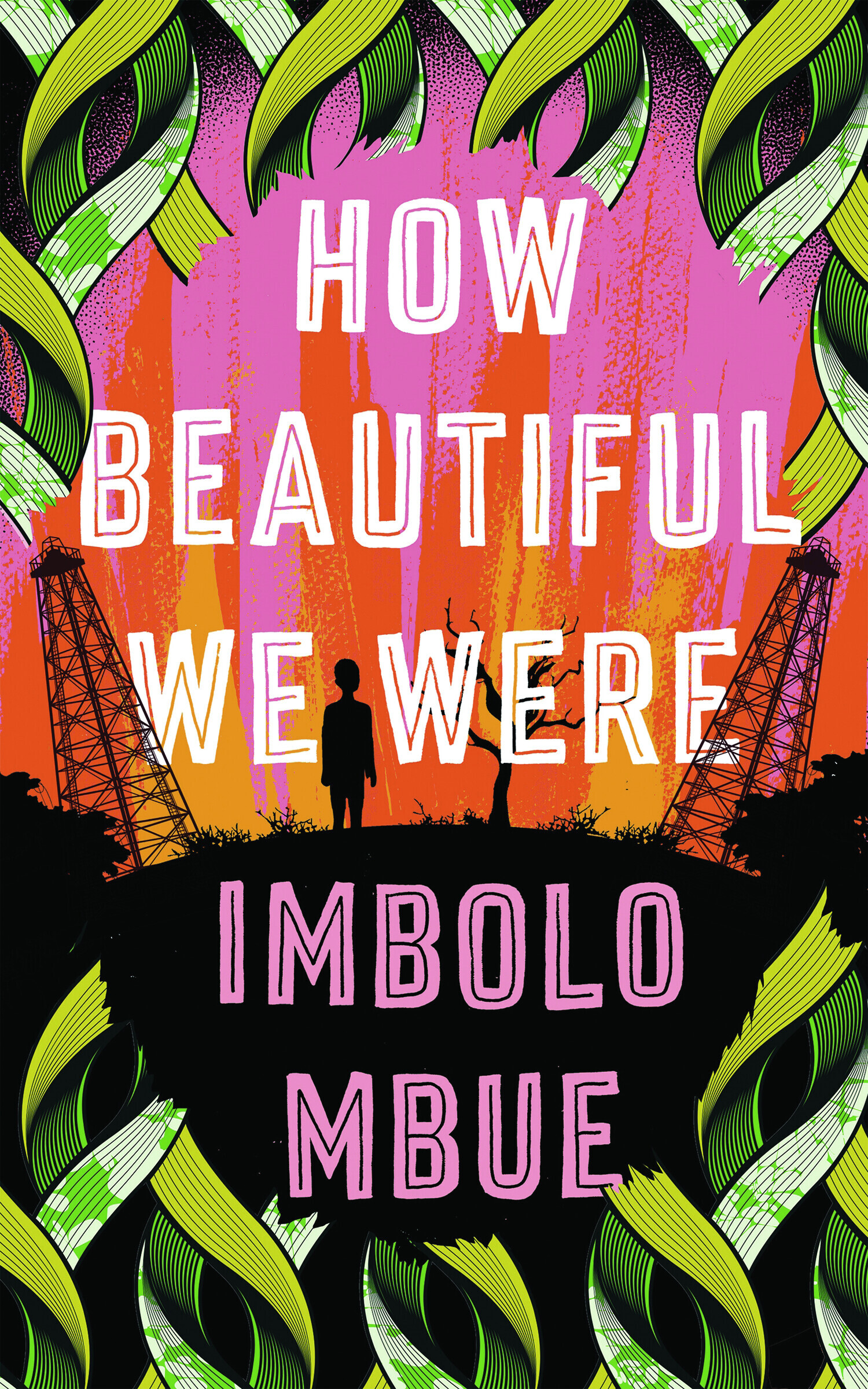
How Beautiful We Were is more acutely felt than most of the real-life environmental tragedies that populate today’s headlines. A fictional eco-disaster set in the also fictional African village of Kosawa, Mbue’s second novel eviscerates the hypocrisies and externalized hungers of the fossil fuel industry and its natural resource extraction, which have become all too like the weather: always there and nothing to be done about it. But Thula, a young girl at the book’s outset, does indeed take action, leading a revolution against an oil company and its corporate lackeys. Beautiful spans generations, time blurs, and no one is rendered in simple black and white—neither capitalist colonizers nor the villagers who fight for their traditional lands. From start to finish, it’s powerful and empathetic, important, and devastating: “When we began to wobble and stagger, tumbling and snapping like feeble little branches, they told us it would soon be over, that we would all be well in no time…They told us we had to trust them.”
Anders Morley’s midlife crisis will be familiar to anyone who’s stared out a window longing to do something, anything, other than be inside. In his early thirties and living in a city in Italy, worried that his inner wild has been domesticated, he leaves his wife, flies to western Canada, steps into cross-country skis, and heads east. Somewhere on this solo winter trek across the Great White North, he hopes to find himself and the fortitude to end his marriage once and for all. Will Morley’s longtime dream of skiing the length of Canada fulfill him? Is it really Elena that stands in his way of a life lived in deep connection to nature? His answers come hard, but fortunately Morley’s emotional vision quest frames his experience without overwhelming it. Equal parts lively Canadian ethnography and fast-moving adventure narrative, This Land of Snow has just enough soul seeking to leaven the mission and add real consequence to his actions.

Who was Chris Burkard before he became “Chris Burkard,” star photographer and cold weather surfing enthusiast followed by millions? Turns out, he was a nineteen-year-old amateur shooter working at a magazine newsstand, attending community college in central California, and dreaming of life as a pro. In October 2005, Burkard quit the job and school and told his parents he was now an unemployed dropout, but for the first time, he had a passion and could see a path ahead, even if he was clueless how to proceed. A five thousand dollar grant for budding surf photographers gave him his start: It paid for the road trip from the Oregon border to Mexico that generated the material for his first book, California Surf Project, which led to a magazine internship and career momentum that has yet to wane. Fans of Burkard’s work will recognize many of the two hundred images in Wayward, but arresting as they are, they serve mostly to support his richly told and always entertaining memoir—it’s a heck of a fun, if often chilly, trip to take with him.
42 issues. 11 years. Independently owned. Printed on 70lb uncoated paper with a soft-touch cover, solar-powered, and shipped in a brown paper envelope. Free domestic shipping.