Recommended Reading
Dark skies on two wheels, an Appalachian Trail mystery, bugs in graphic novel form, the rights of rivers, outdoor industry nostalgia, and the fiber that built civilization
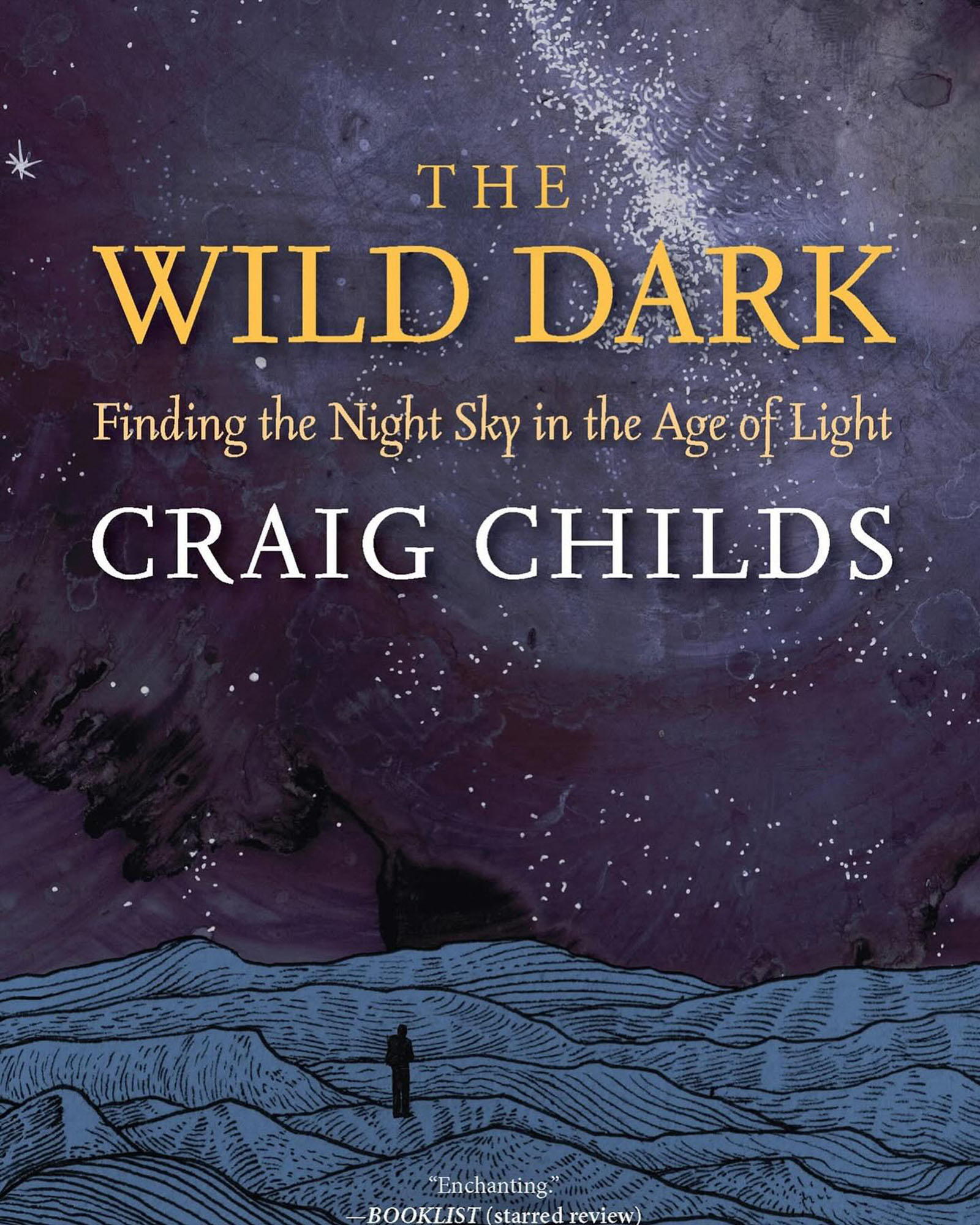
“A night sky is not an absence of light, it is the presence of the universe.” Thus begins this new and optimistic book from acclaimed nature writer and frequent AJ contributor Craig Childs, as he and a buddy ride bikes from Las Vegas to central Nevada in search of Bortle 9, the darkest dark on the scale of dark. Light pollution is indeed a problem for all kinds of creatures, disorienting birds and baby turtles alike, but of all the pollutants, it’s the easiest to fix. “It’s an inspiration,” says National Park Service biologist and dark sky coordinator Ashley Pipken, “to be able to make a change and fix something and feel a sense of reward from being able to do that.” After this tidy awe-filled spin through the cosmos—it’s just 212 pages—Childs will inspire you to turn the lights off, go into the night, look up, and keep looking up.
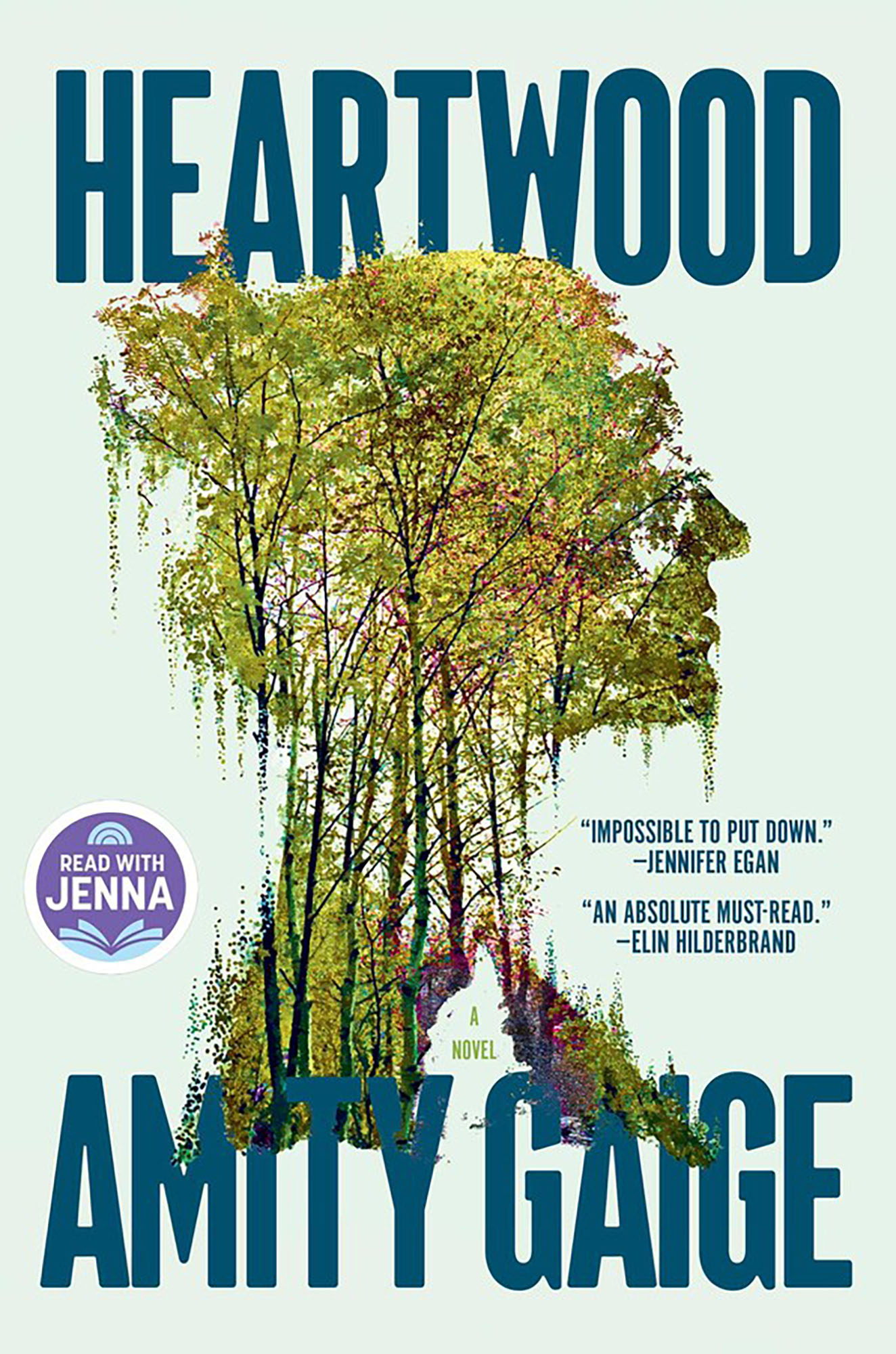
How easy is it to get lost when you wander off the Appalachian Trail? Very. This extremely page-turning novel by Amity Gaige veers between the disappearance in Maine’s North Woods of thru-hiker Valerie Gillis, who is just two hundred miles from the AT’s terminus when she fails to show up for her trail support, and the people anxiously searching for her, including a determined female game warden and a cranky resident of an assisted living facility sleuthing online. Is this a simple case of taking a wrong turn in a dense forest or a criminal whodunit? Suspicion falls first on the husband (of course) and then on a secret government training base. Meanwhile, the clock is tick-tick-ticking.

A little context: Homo sapiens have been around for a few hundred thousand years. Insects? Four hundred million years. In this beautifully rendered, graphic-novel-style accounting of the natural history of bugs, artist Peter Kuper notes insects are perfectly happy without humans while humans without insects are toast. It’s an unsubtle reminder of who needs whom, but told with levity and wit. Dung beetles, you will be relieved to know, get special treatment, and there are cameos by Charles Darwin, Rachel Carson, and Osamu Tezuka, the father of Japanese manga, who was obsessed with bugs. If every book on science were this fun, informative, and engaging, there would be a lot more scientists. A dung beetle walks into a bar and asks, “Is this stool taken…”
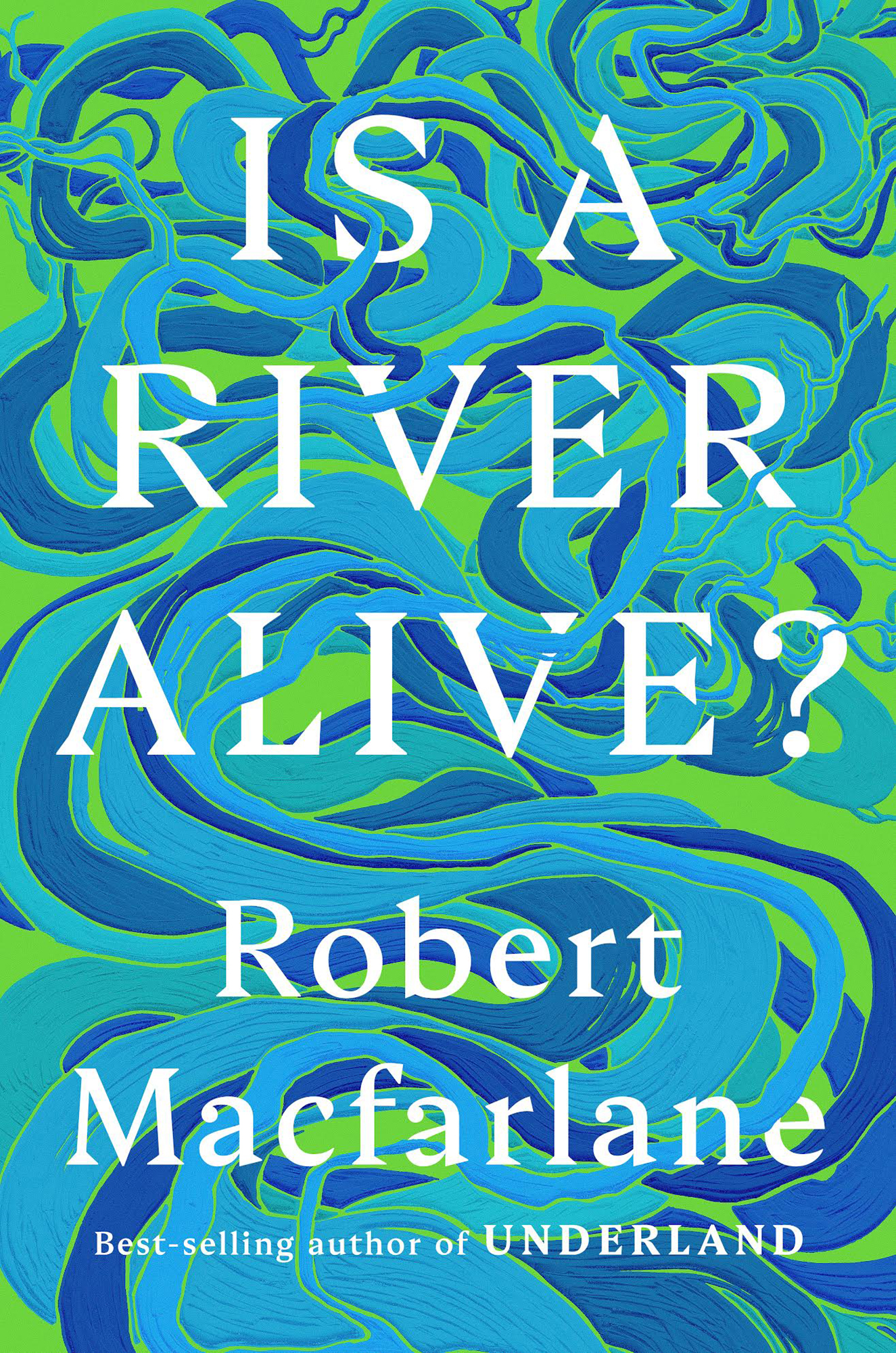
The question posed by the title of celebrated British nature writer Robert Macfarlane’s keenly felt study of rivers is answered in the first few pages by his nine-year-old son: “Duh.” Yet, self-evident values are not always treated self evidentally. In 1971, when law professor Christopher Stone proposed rivers and other natural elements might have legal rights, he was ridiculed. Five decades later, Ecuador became the first country to recognize these rights formally, and that’s where Macfarlane begins his search for the animating force behind running waters. As he travels from South America to India to eastern Canada and back home to England, accompanied by guides who are themselves characters, Macfarlane finds people who are radically reimagining what a river can be—and, more provocatively, exploring the exciting consequences from such revolutionary thought.
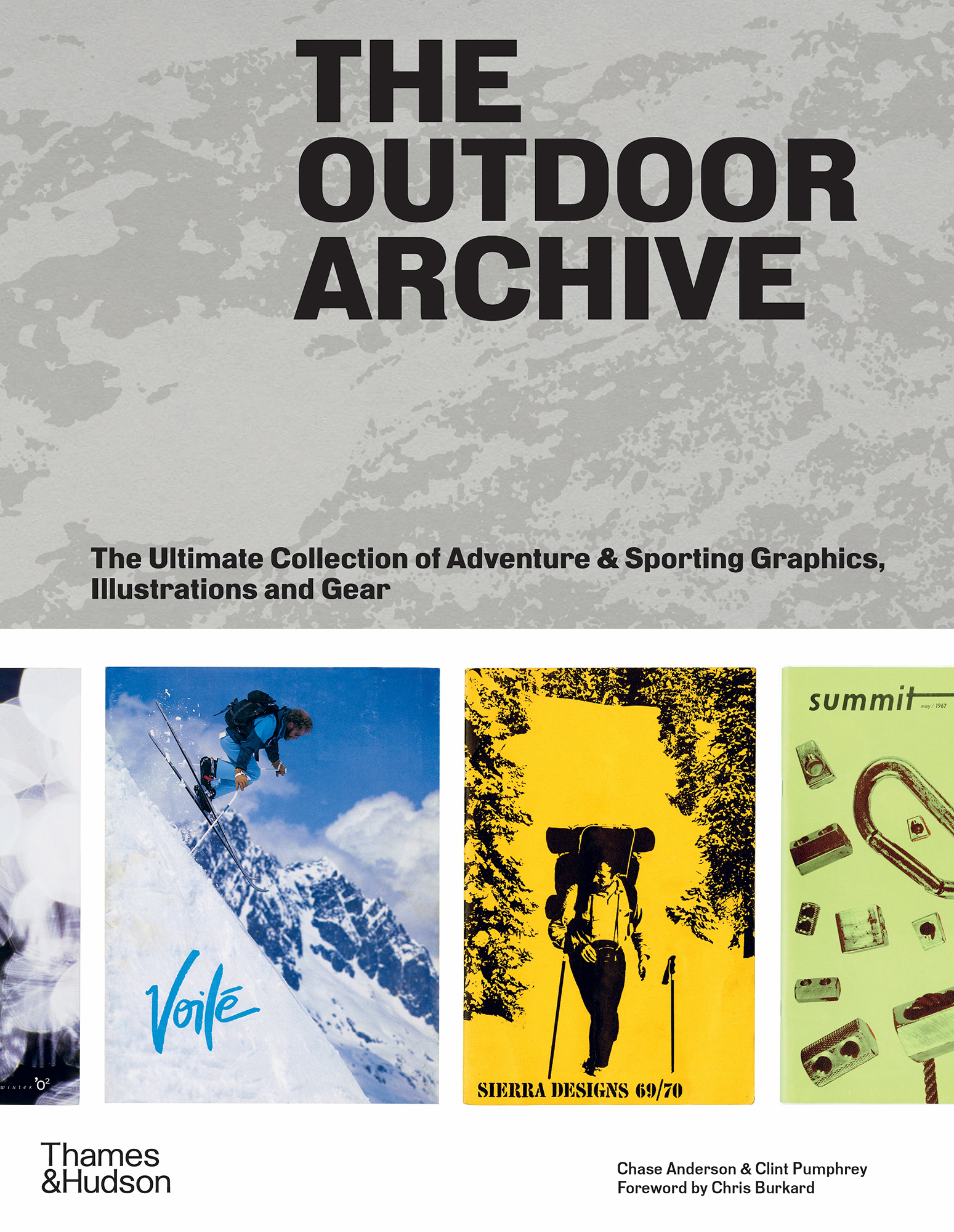
In 2018, Utah State University launched the Outdoor Archive, a new and continually growing collection of marketing materials and magazines from the outdoor industry dating back to the early days of the twentieth century. Now, after years of sharing their treasures on Instagram one retro ad at a time, the folks behind the archive have released a master tome of nearly four hundred pages, spanning seventy-one brands from A to W. Some of the ads and catalogs from the archive are cool, some are cringe, some are flat-out beautiful. Collectively, they reveal an industry obsessed with tents, mountains, and backpacks, and one that apparently only markets to white people. For all the delight in flipping through these pages—and they are a delight—it’s clear there’s still much to improve.
The widespread adoption of nylon kernmantle ropes in the early 1960s revolutionized rock climbing—their ability to stretch nearly forty percent absorbed the energy of a fall, protecting climbers from rope injuries and opening the door to bold risk-taking by the rope team’s leader. But as Tim Queeney, a sailor and practitioner of arcane skills (he teaches celestial navigation), reports in Rope, humans’ invention of cordage had a much more profound impact on our path through time. Start with spears: Wrapping the sharp end with fibers made them stronger, leading to more kills, more protein, and the development of bigger brains. The chapter on rope and adventure is all too brief, but that’s okay: Whether it was the Egyptian Pyramids, fishing, or cowboying, Queeney makes a convincing and fascinating argument that we are who we are because of a few twists here and there.
41 issues. 10 years. Independently owned. Printed on 70lb uncoated paper with a soft-touch cover, solar-powered, and shipped in a brown paper envelope. Free domestic shipping.