Recommended Reading
Six books worth your time — natural history, deep ecology, animal encounters, and roads worth driving
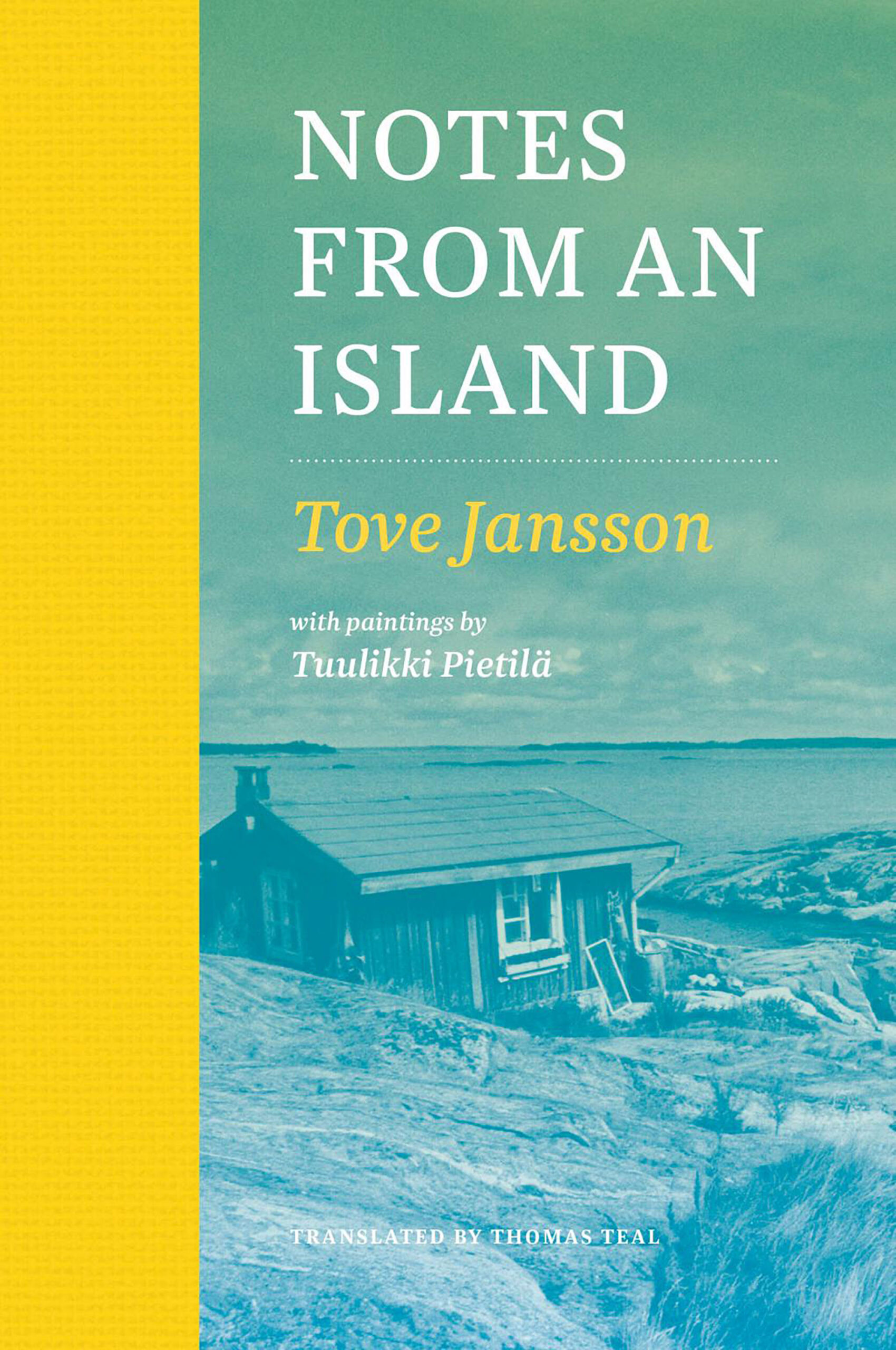
For twenty-six years, Finnish artist and writer Tove Jansson and her partner Tuulikki Pietilä spent summers on a bare platter of rock in the Gulf of Finland, a tiny speck called Klovharun, living their dream of art and isolation. Her "notes" in Notes from an Island are as spare and polished as the rocks she collected then returned to the waters in winter. With keen observation and droll humor, she writes plainly but richly of freedom, and flower blooms, and frequent guests like her nieces, who blew soap bubbles and enlivened their cabin studio. It might be a leap to put Notes on the shelf next to Pilgrim at Tinker Creek or The Living Mountain, but not much of one.
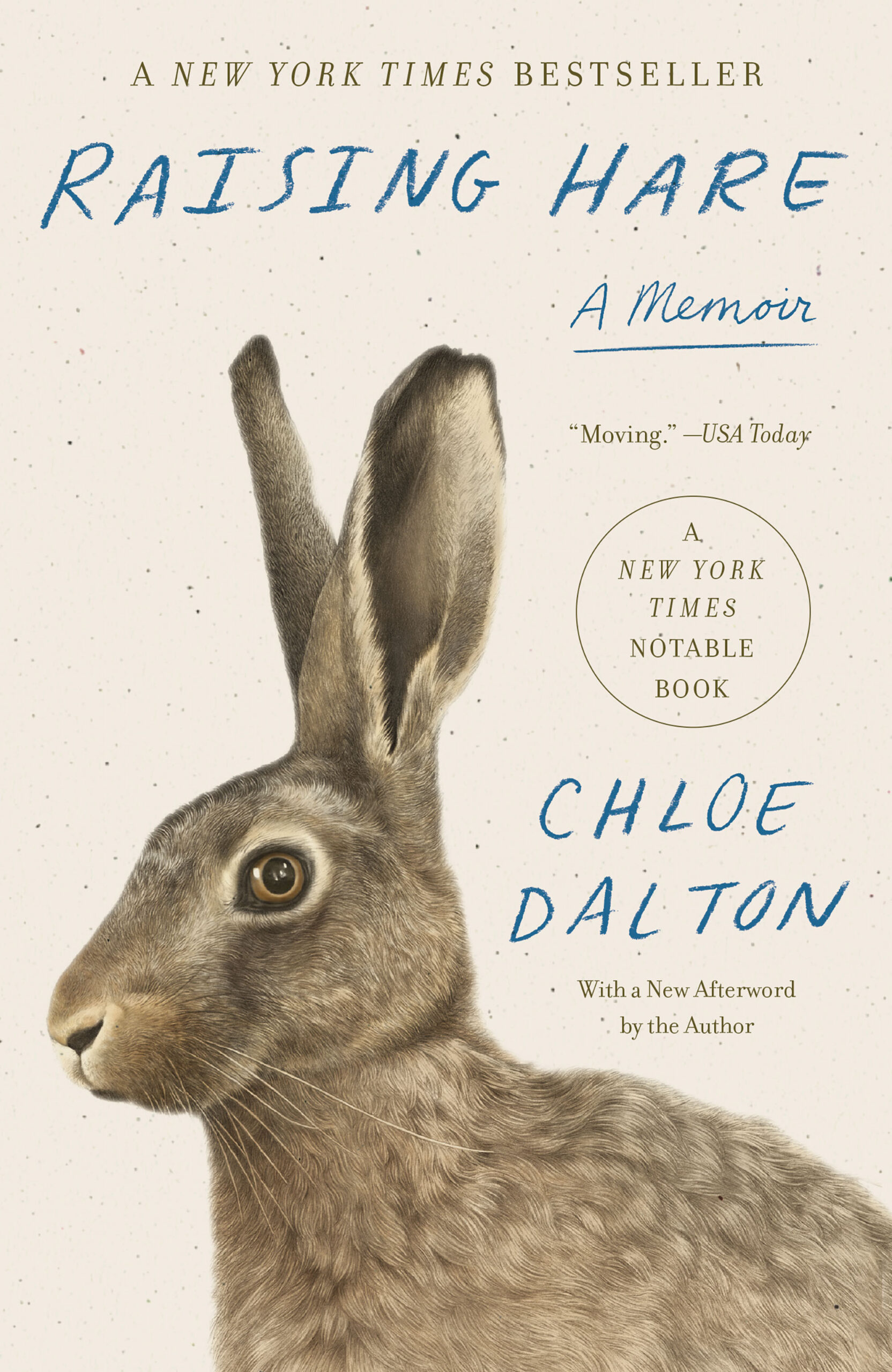
Books on animal interactions rise as high as an elephant's eye, but this one is special: Raising Hare is an utterly enchanting account of a tiny leveret that unexpectedly transforms Chloe Dalton's life. Adopting the abandoned newborn, she gives the growing hare free rein of her house and marvels at "the sense of well-being and calm it spreads." She writes, "I'd been waiting for life to go back to normal, but if I could derive this much pleasure from something so simple, what else might be waiting to be discovered?" When it comes to hares, we know little and misunderstand much, and while this memoir is focused on them, there's an underlying plea to embrace coexistence with all creatures, including humans.
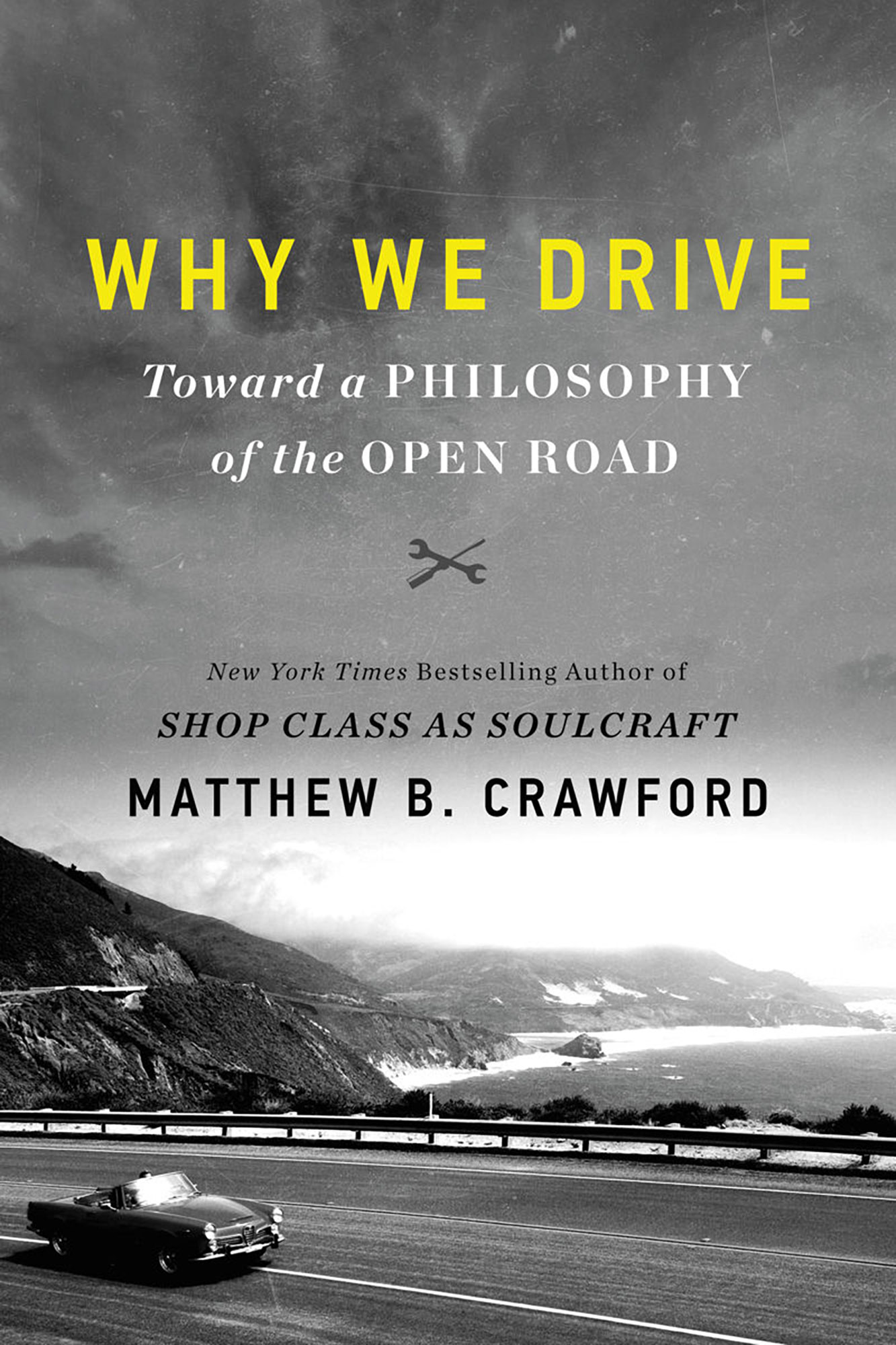
Matthew Crawford devotes Why We Drive to an anonymous couple he sees running down a wooded trail, pretending they're riding motorcycles, making vrooming noises and playfully leaping over roots. It's this eye for the small but uniquely human details that helped make his first book, Shop Class as Soulcraft, so popular. As in Shop Class, Crawford uses Why We Drive to consider and argue for fundamental pleasures, motivations, competencies, and the powers of manual skills. In a culture driven by corporations that would have us be "self-driven" passengers (and charge us a subscription for seat warmers), Drive is a stirring reminder of the power of a ribboning road, a distant horizon, and a basic vehicle to connect the two.
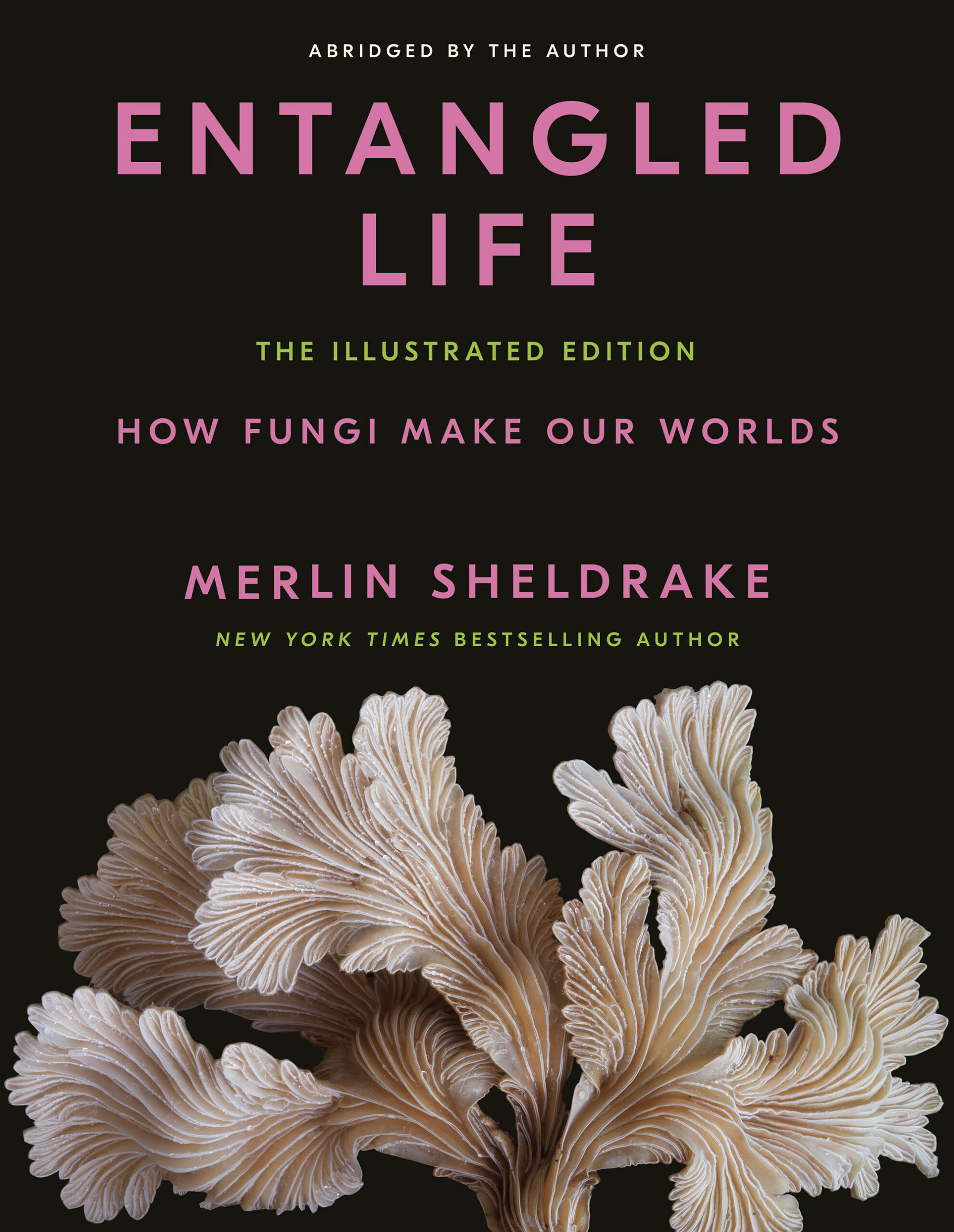
Fungi are having a moment. Research shows psychedelics can be a powerful tool to treat mental health issues, and local, state, and federal governments are open to decriminalizing shrooms or exploring medical applications. But, as Merlin Sheldrake enthusiastically shows, fungi are amazing—in the truest sense of the word. Without fungi, plants wouldn't exist, and neither would you. Ninety percent of plants require mycorrhizal fungi to live. Every year, fungi release fifty megatons of spores (the equivalent of a half-million blue whales). Fungi give us medicine and break down the dead, and as many as ninety percent remain undiscovered. They are also, as Entangled reveals in dozens of microscopic images, beautiful, creepy, weird, fascinating, and unforgettable.
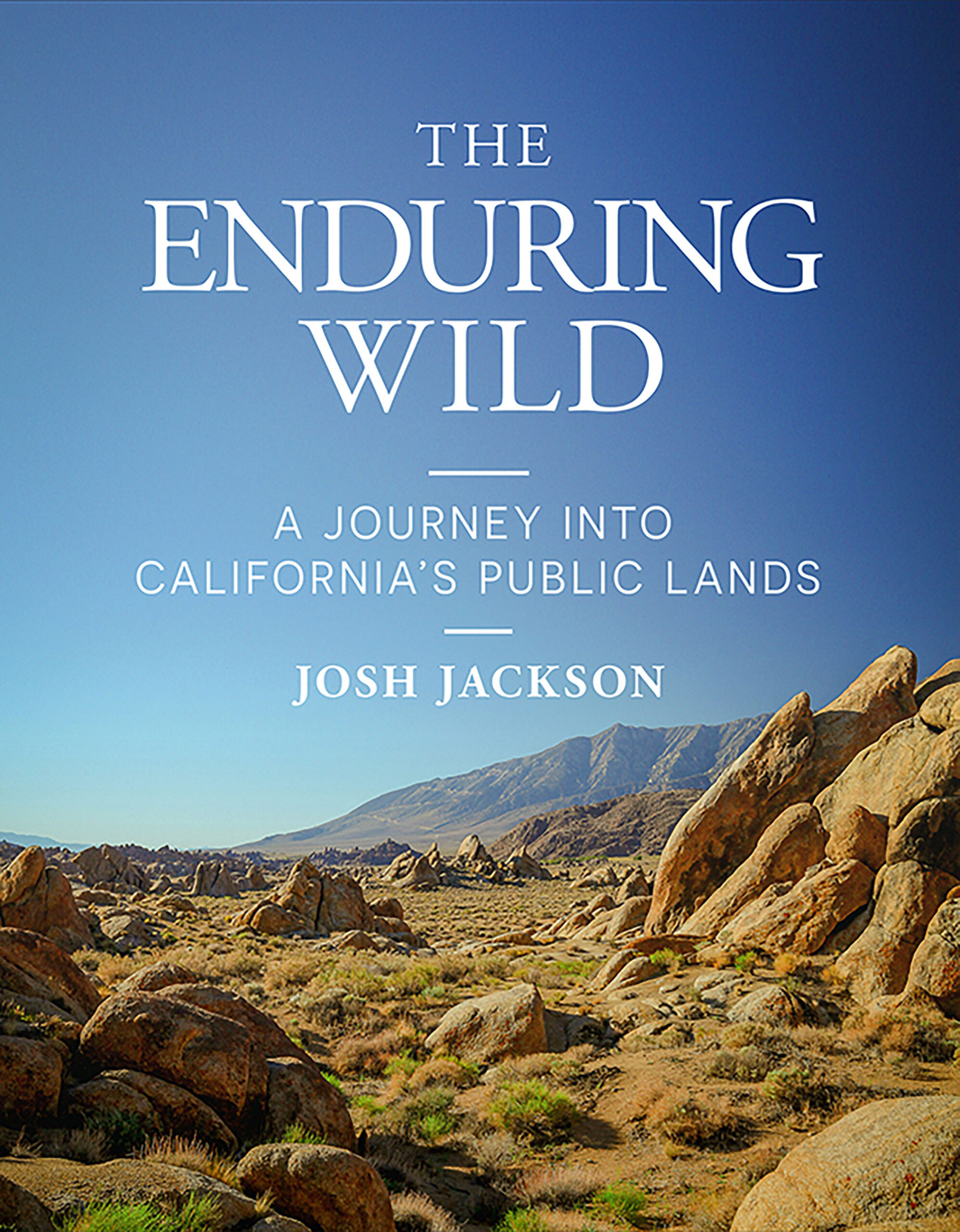
Los Angeles-based furniture maker Josh Jackson had never heard of the Bureau of Land Management and wasn't all that clear on "public lands"—he just wanted a last-minute place to camp. Then a friend mentioned "BLM lands" and he fell down a rabbit hole from which he has yet to emerge. He discovered the BLM got stewardship of hundreds of millions of acres because no other agency wanted them. They were perceived as useless, lacking resources, and ugly. Jackson finds out these lands are, in fact, magical, but sorely in need of protection and more people to love them. The Enduring Wild chronicles his journey into these spaces, a journey that slows him down, helps him see, and converts him into a passionate lands advocate.
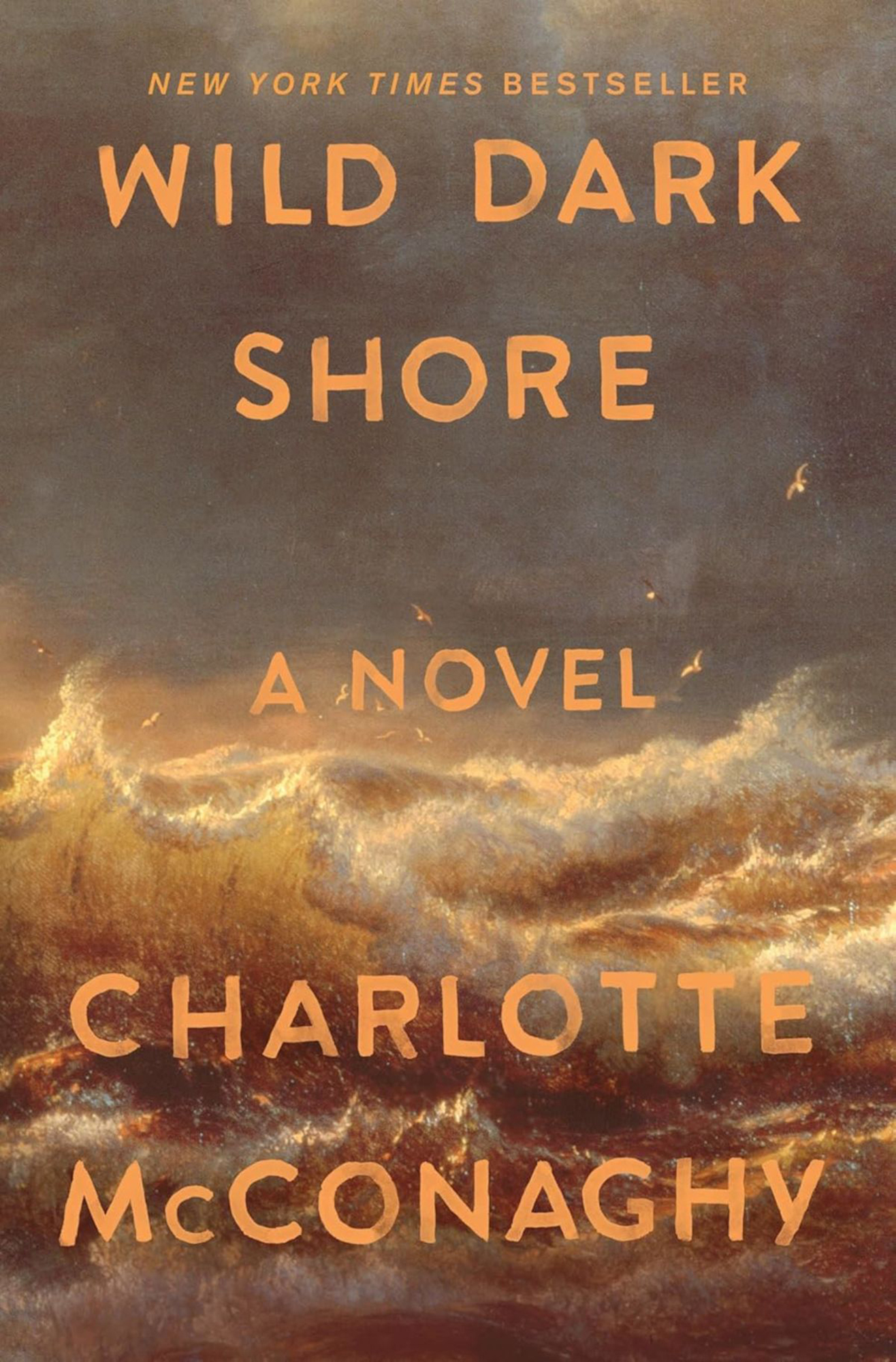
Set on a fictional and very, very remote island at the bottom of the world, Charlotte McConaghy's third novel brings new meaning to Southern gothic: There are dark and stormy nights, melodrama, and a ruddy lighthouse keeper, but whales and penguins, too. Action commences when a shipwreck victim washes up in a tangle of kelp; she carries secrets and an air of mystery, but so do the widower and his three children tending the island, its abandoned research station, and its seedbank. Racing to save humanity's foodstock—the seeds—from rising seas and flooding, patriarch Dominic and castaway Rowan circle each other warily, probing for answers while the reader wonders who, if anyone, will get off the island alive.