Recommended Reading
A fly-fishing thriller, nomadic life in China’s frozen steppes, mountain hoaxes and dreams, and a half-century of underwater photography
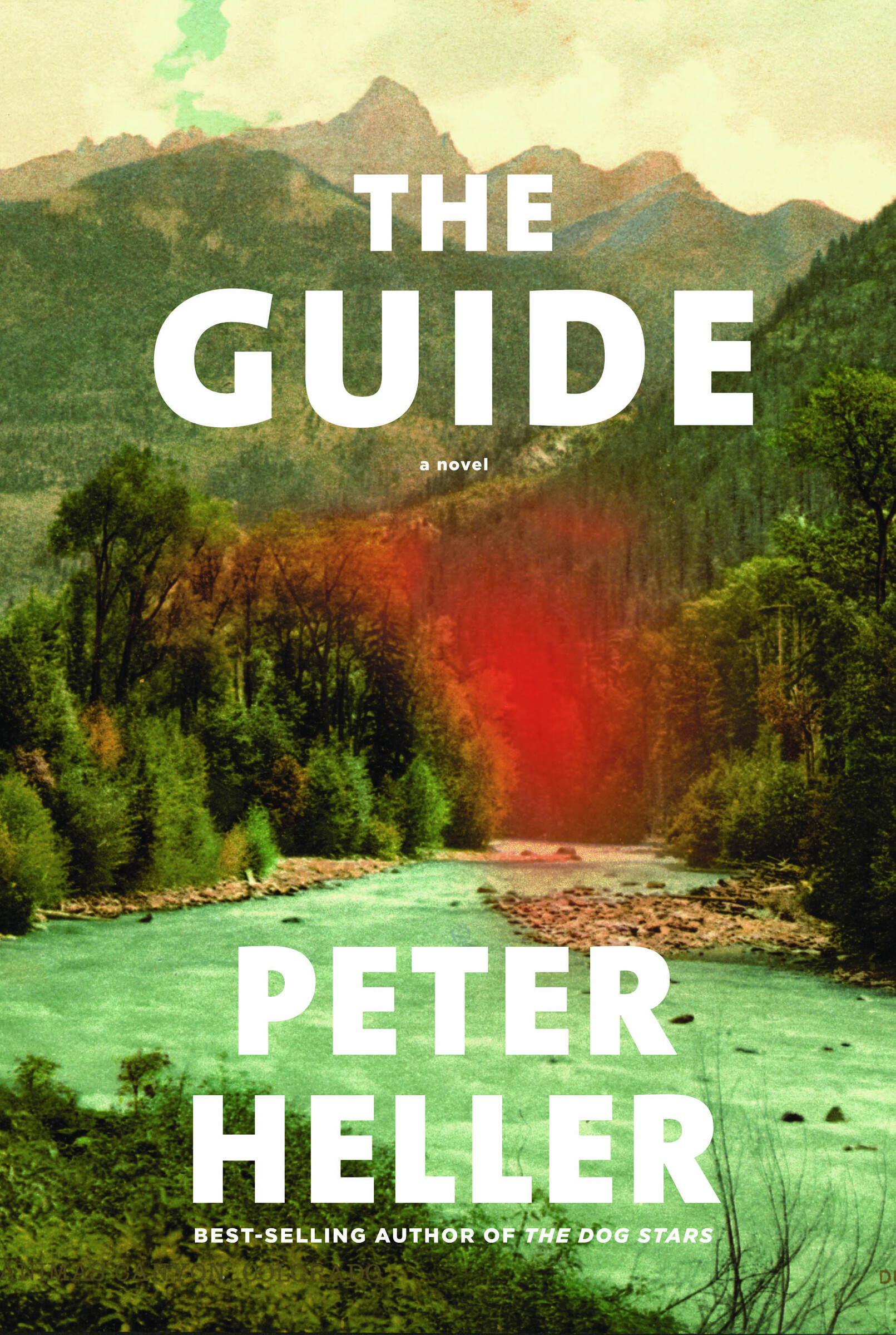
Peter Heller’s previous novel, The River, moved as swiftly and eventfully as Class V whitewater, but not all readers were pleased with its denouement (one AJ editor and Heller fan threw his copy against the wall in protest). The Guide, though, will likely salve. It opens three years after The River, when Jack, a young Colorado rancher and guide, takes a last-minute gig at an ultra-exclusive fly-fishing lodge near Crested Butte. Spinning with grief, he’s hoping for healing, or at least distraction, but finds trouble the moment he drives up the narrow canyon. The property is bordered, his irritable manager warns, by one neighbor who shoots at interlopers and another whose dogs killed a trespassing angler. Heller, a fly fisherman himself, casts words as poetry, whether describing a backlit hatch, rigging a rod, or “the spreading rings of rising trout, dapping silently like slow rain,” but it’s the mystery that hooks you. Why is there a hidden camera in Jack’s cabin thermostat? And why do you need a gate code to get out?
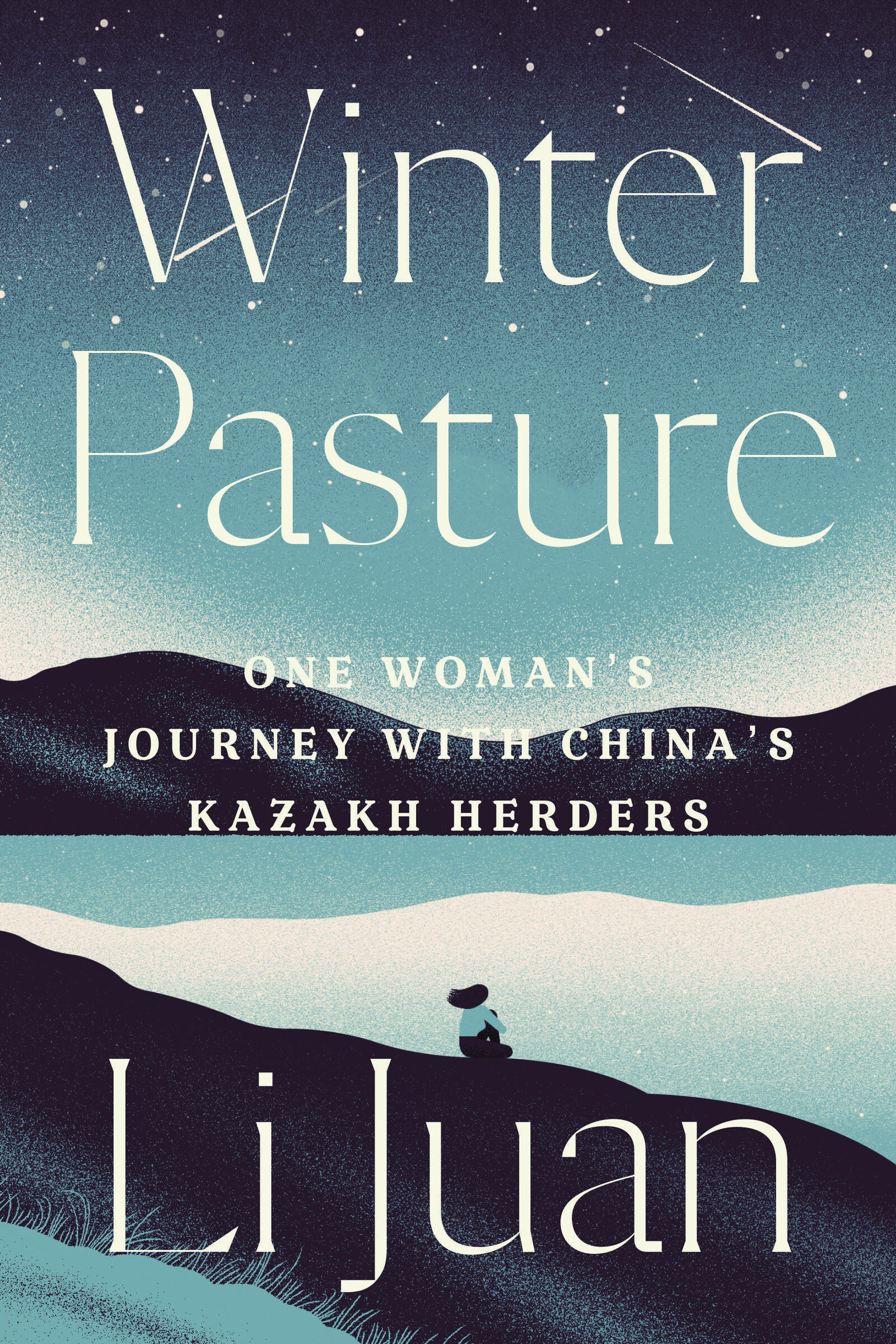
“Later, when I found myself hoisting thirty pounds of snow, tottering across the desert huffing and puffing like an ox, I couldn’t help but sigh: bad idea.” So notes eighty-eight pound Li Juan in her surprisingly humorous memoir about a winter living with nomadic Kazakh herders. Who knew wrangling camels could be laugh out loud funny? Li, from northwestern China’s Altai Mountains, struggles to find anyone willing to take her on their journey to the remote and windy tundra. But her mother remembers a family that owes them money, and they quickly agree; Li will be free labor and an easy way to cancel the debt. With several hundred camels, sheep, horses, and cows, together they venture by foot and horseback into the frozen steppes, where the night temps dip beyond twenty below and shelter is a tiny underground burrow. Li is an endearing guide, and she writes candidly, evoking the beauty and harshness that comes with this close-to-the-earth way of life. A bestseller in China recently translated into English, Winter Pasture is the most delightful book I’ve read all year.
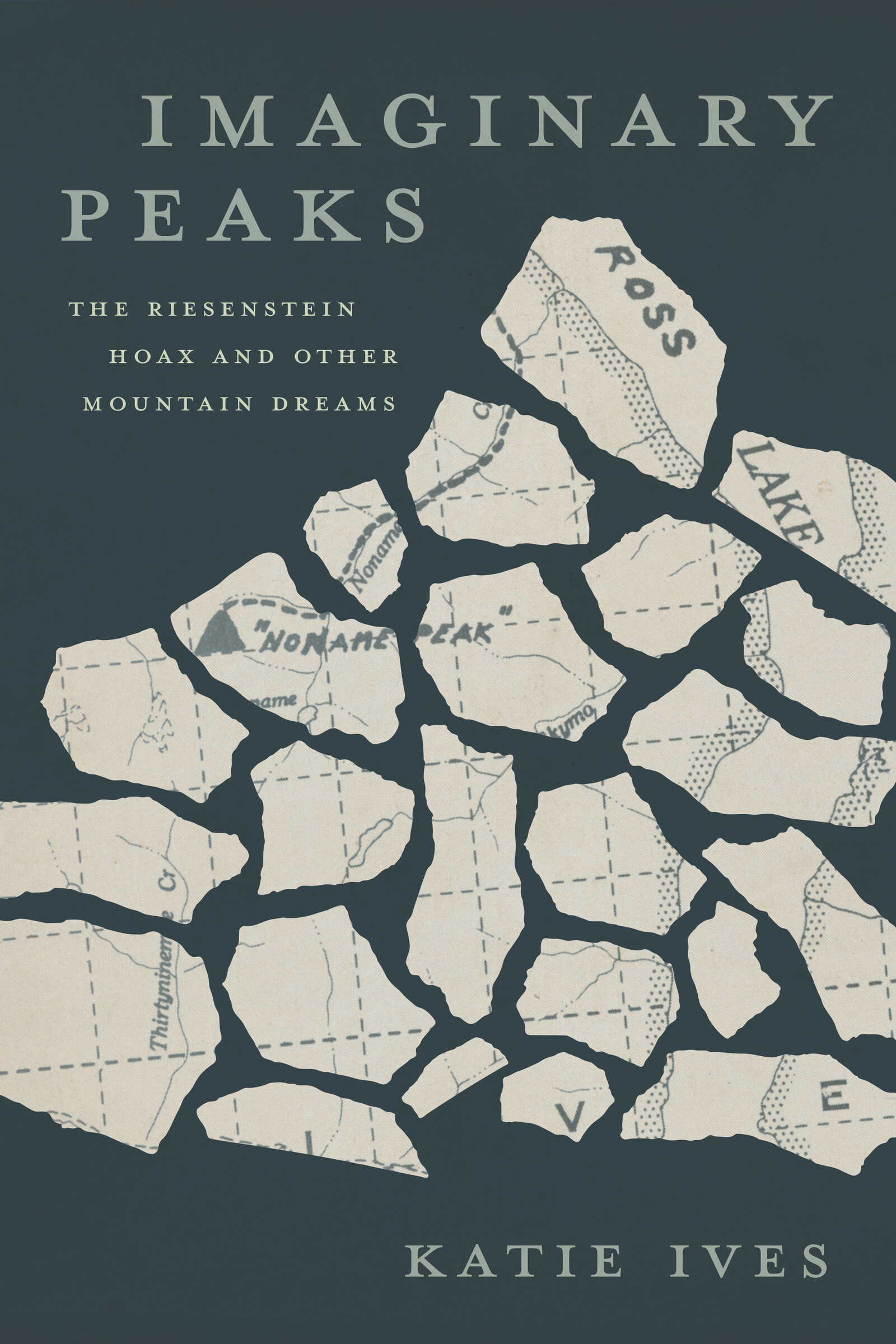
The June 1962 issue of Summit magazine arrived with a revelation: a story about an unknown, unclimbed range somewhere in British Columbia. Spectacular towers of raw, bare rock scratched the sky, and if the pictures weren’t enticement enough to chase “Riesenstein Peak,” the caption surely was: “Who will be the first to climb it?” It was a setup, of course, a sly joke and commentary on the peakbagging grandiosity of the time, and Katie Ives, the literary-minded editor of Alpinist, uses the hoax to frame her exploration of our complex relationship with “the mountains of the mind,” as she quotes Robert Macfarlane—the dreams, longings, and imaginings of people who yearn for summits. It’s a high aim with big thoughts, but Ives roots Imaginary Peaks in the very grounded lives of the three pranksters who knew that all journeys are inner ones and that what matters most about the mountains isn’t getting on top, but who we are when we’re in them.
42 issues. 11 years. Independently owned. Printed on 70lb uncoated paper with a soft-touch cover, solar-powered, and shipped in a brown paper envelope. Free domestic shipping.