Arts + Sciences
People Changing How We See the World
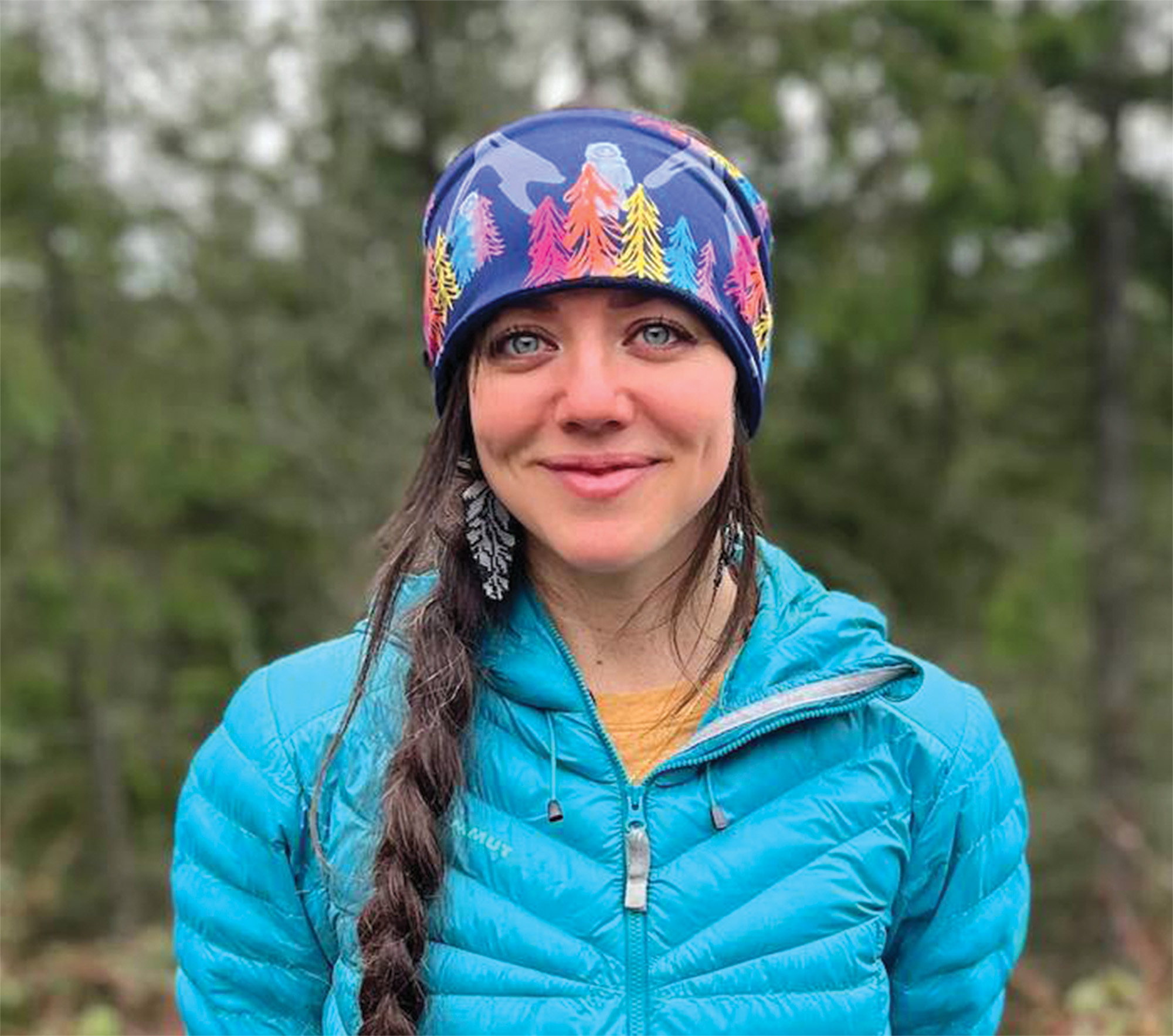
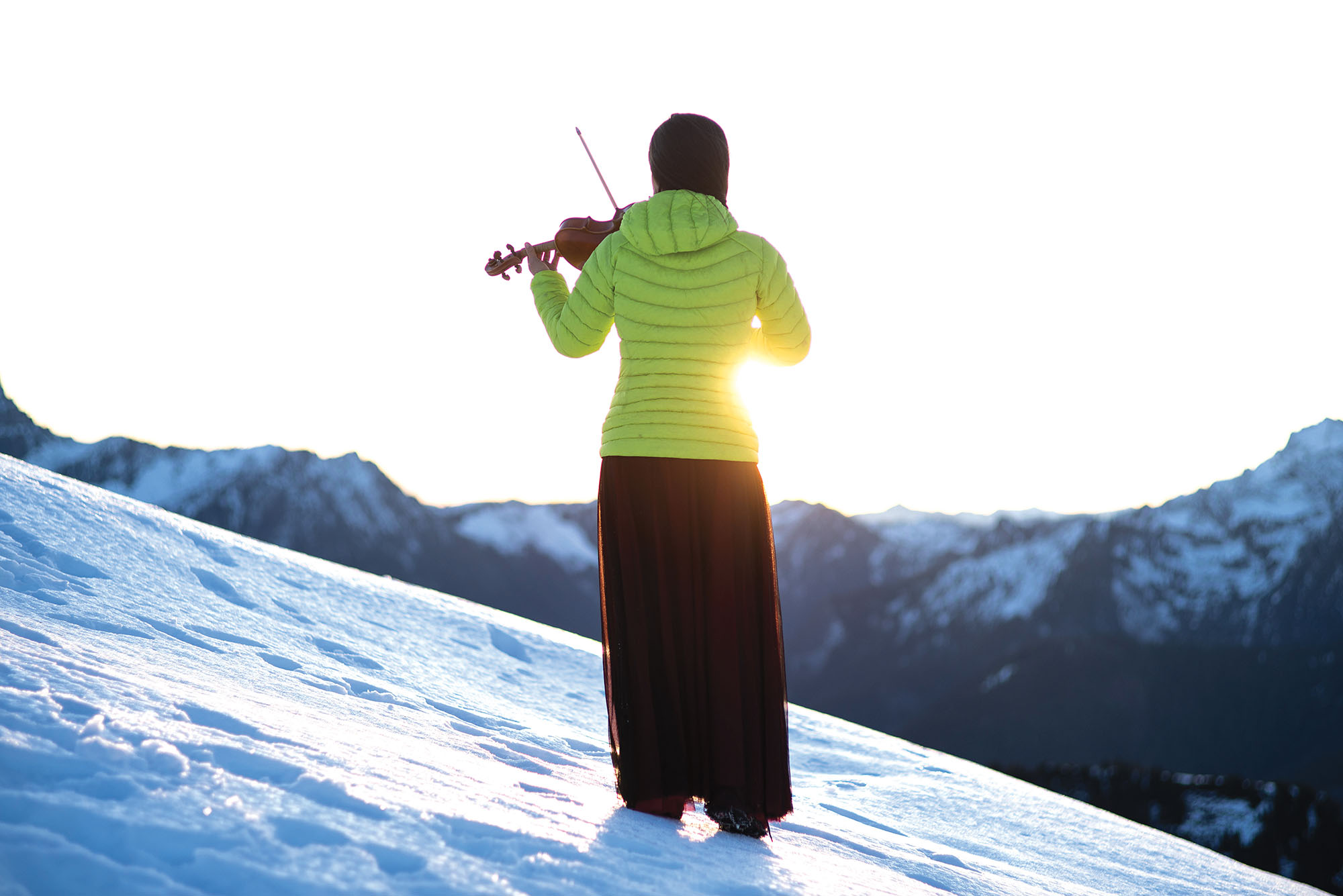
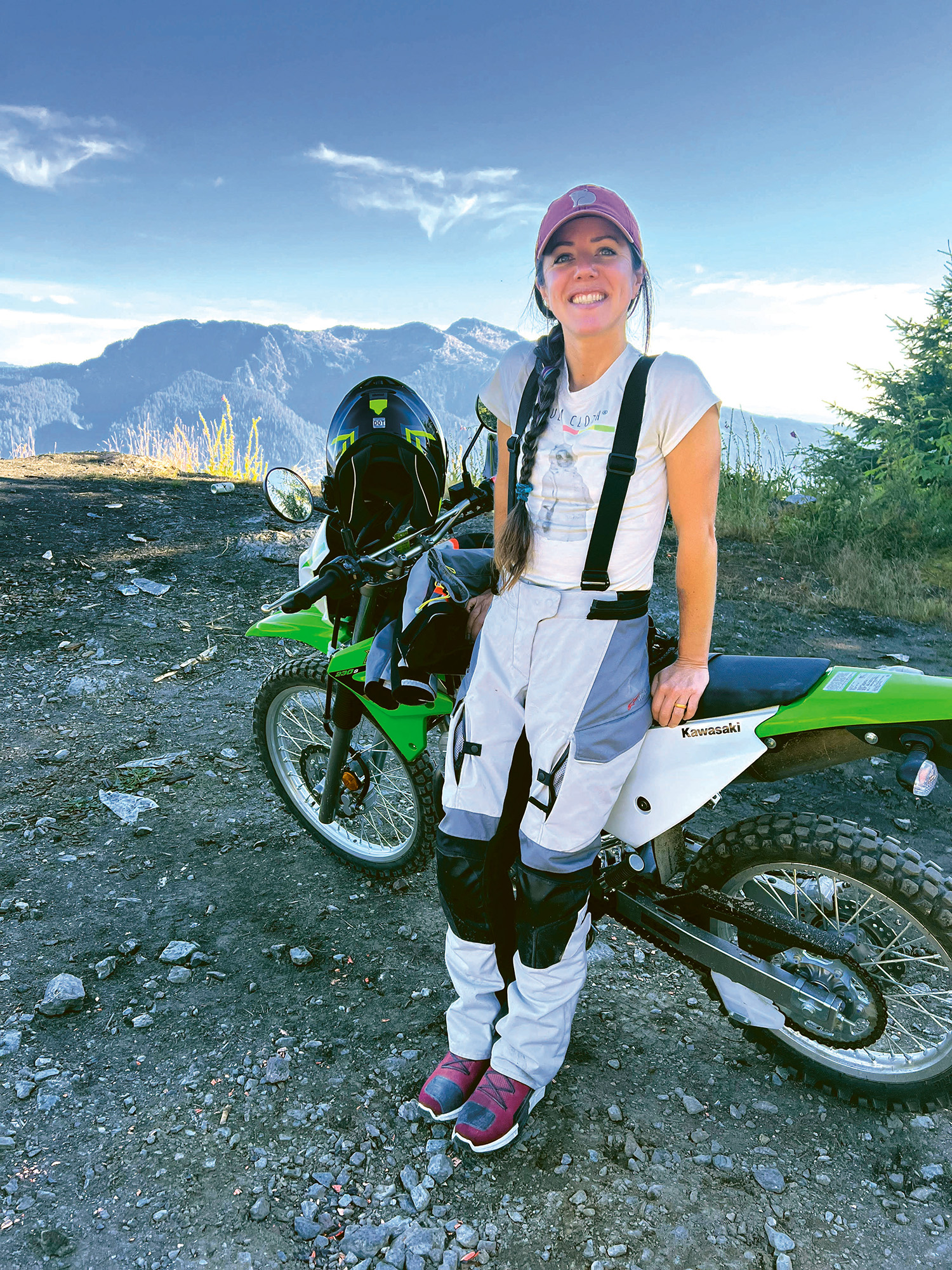
What’s the most interesting thing about Anastasia Allison? Playing a violin in a snow-filled mountain cirque wearing a unicorn mask is probably the first that comes to mind. Allison is into motorcycle touring, too. She was a law enforcement park ranger. A backpacking guide. Then a railyard cop, where she was charged with running down freight train hoppers when she wasn’t picking bodies off the tracks.
Lots to choose. But, hands down, it has to be the pee cloths.
Allison in the founder of Kula Cloth, the most fun piece of backcountry potty hygiene we’ve seen since the invention of the wag bag. Kula Cloths are for wiping after peeing. As simple as that. They’re a cotton/polyester blend that clip to the outside of a backpack so they dry quickly. Using them means no packing out messy toilet paper and less of a temptation to bury any, either.
Cool, yes, but you have to see these things.
The art on them is incredible. There are mountains, deserts, bicycles, kitty cats, unicorns, kitty cat unicorns, sloths, a photo of Allison playing the violin on a mountain wearing a unicorn mask—you get the idea. If you have a favorite picture of your beloved hamster, you can have Kula Cloth print it onto a custom pee cloth. Maybe put it in a tutu and throw a rainbow in the background. It wouldn’t necessarily seem possible for a square sheet of a polyester/cotton/bamboo blend, but Kula Cloths make pee wiping as fun as it probably can be.
Allison had the idea for a dedicated pee cloth after seeing one too many Charmin lillies—balls of toilet paper—in the backcountry. She bought a piece of microfiber cloth, attached it to her backpack, and set out determined to leave no trace after peeing. Allison loved it and the people she guided while backpacking loved it, but she feared failure if she tried to bring it to market. She shelved the idea.
Then, after meditating in her cop car one too many times, deeply dissatisfied with her work, she made a vow to change her life and get back to spending more time backpacking. Next, a near-death car accident shocked her into action. If she could survive a car wreck, she didn’t need to fear her pee cloths wouldn’t sell. Decorating them with unicorns didn’t hurt. Today, Kula Cloths are stocked in REI and Allison guesses she’s sold four hundred thousand of them. It takes a special person to manufacture pee cloths and make them rad. It takes Anastasia Allison.


Photos by Anastasia Allison
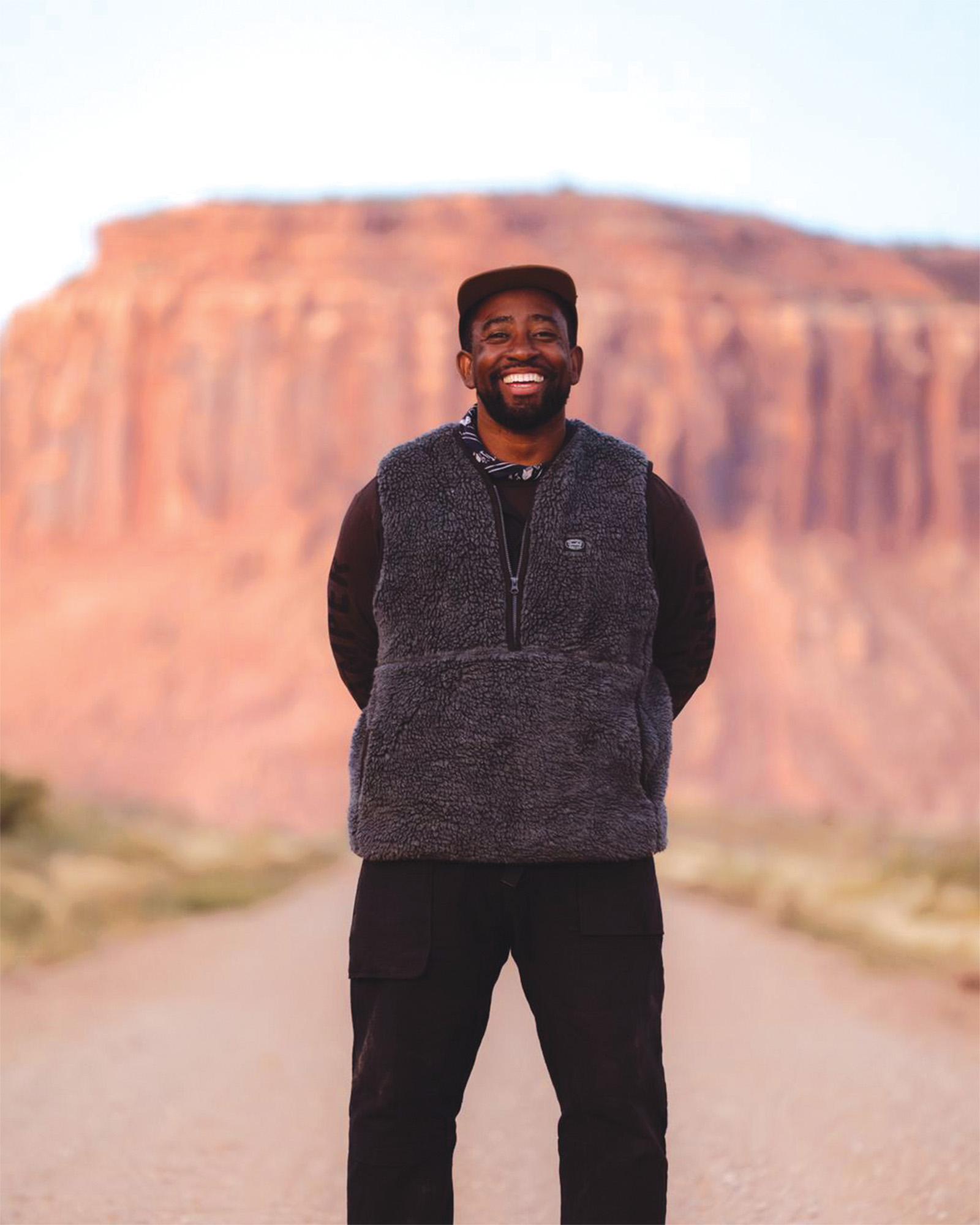
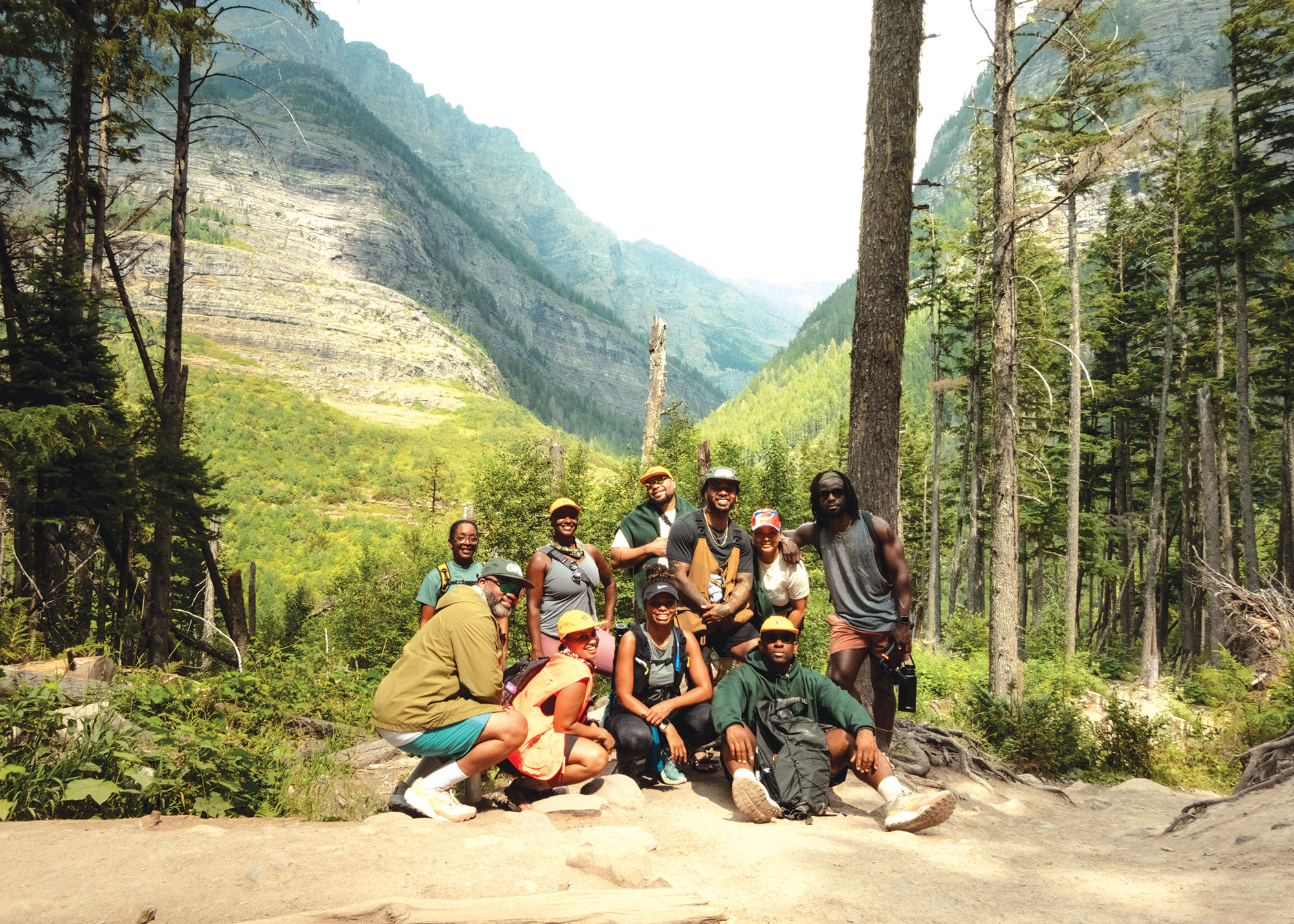
After meeting him once, you’d probably sign up to do just about anything and go just about anywhere with Rashad Frazier. He has a warm, infectious laugh and the kind of friendly, open personality that immediately disarms. Talk to him for five minutes and it feels like you’ve known the guy for years. This enthusiasm for life and likable nature probably has a lot to do with the success of Camp Yoshi, an adventure travel company geared toward people of color and their allies that he co-founded with his brother, Ron, and runs with his wife Shequieta.
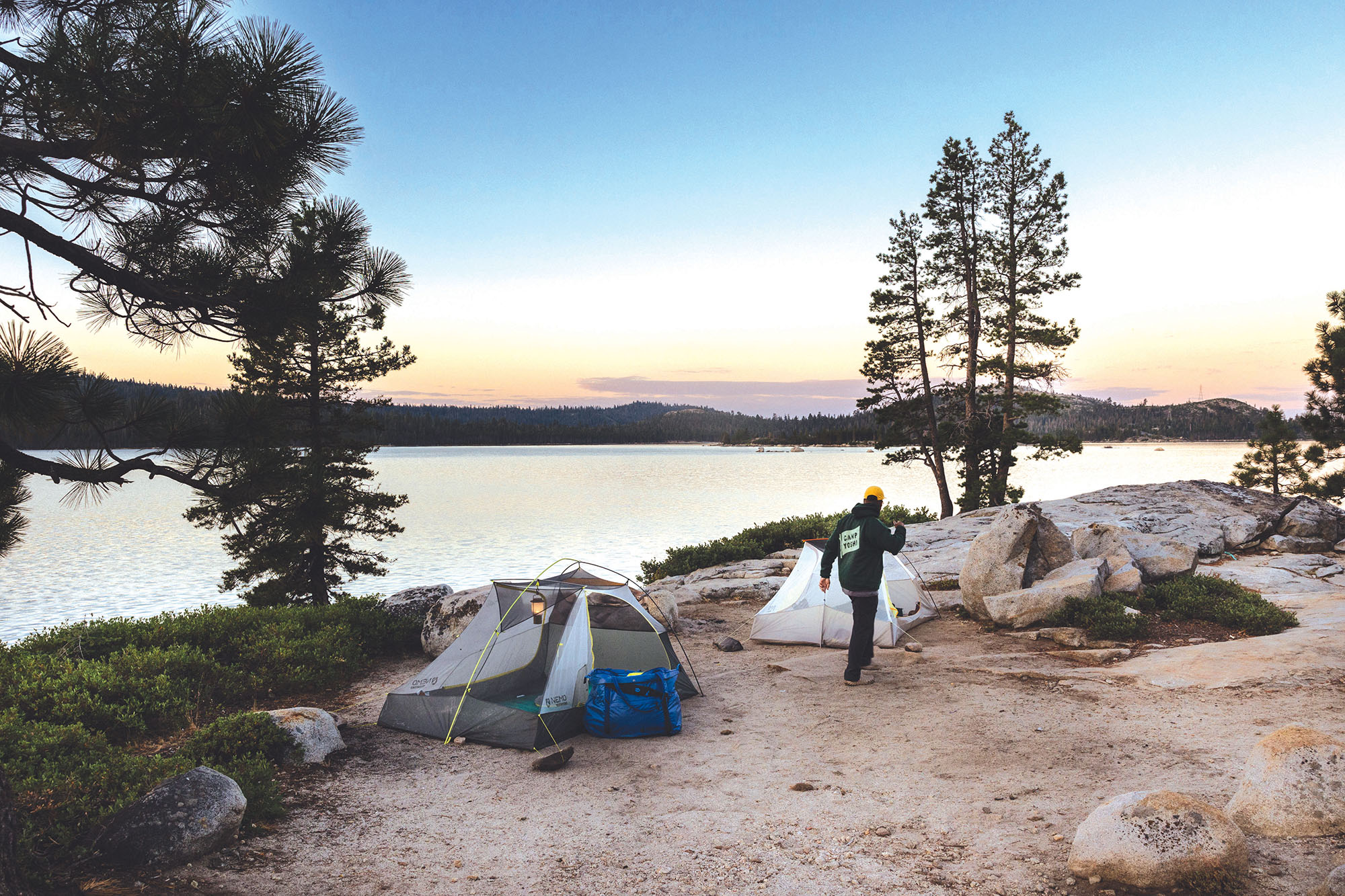
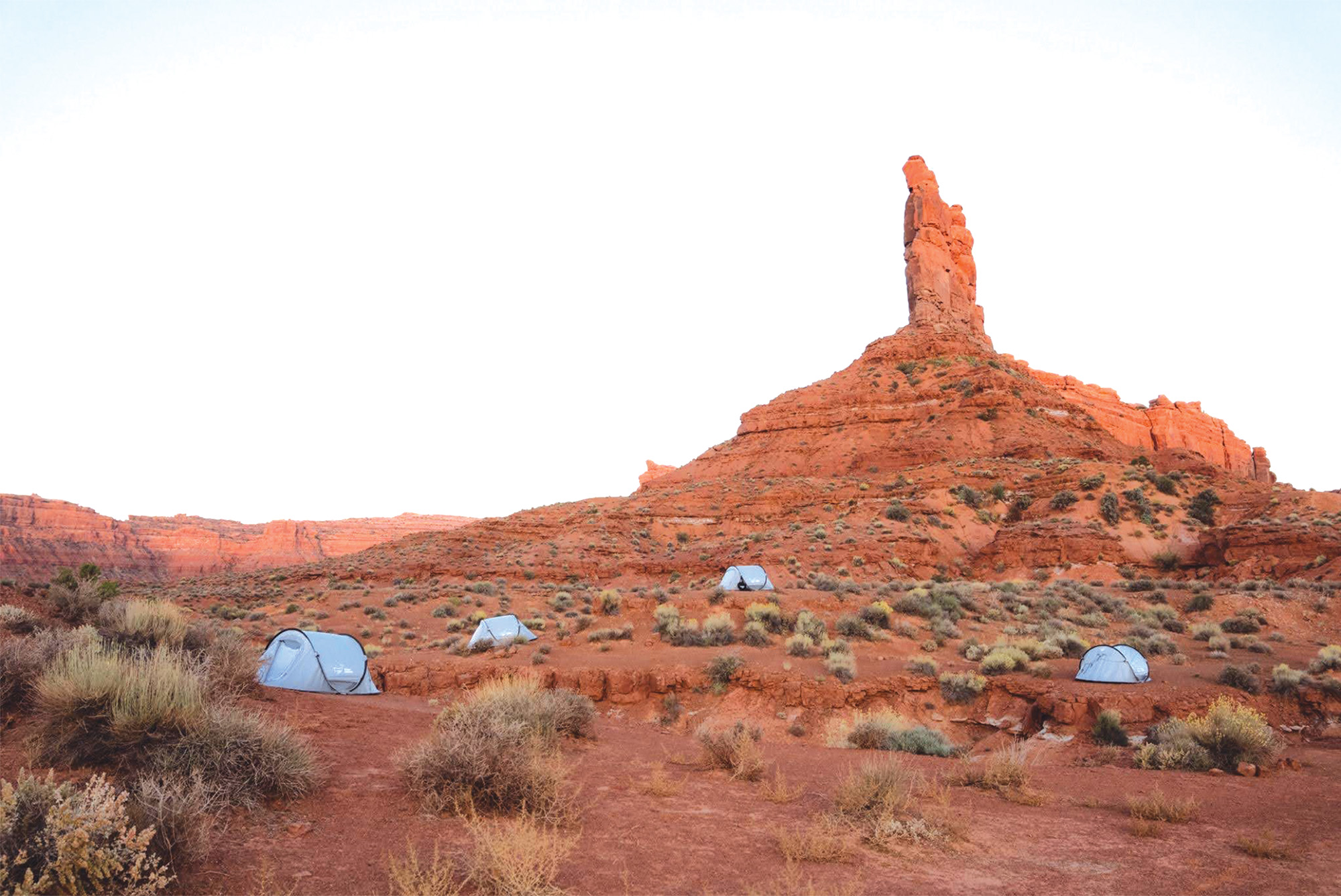
Camp Yoshi, which the Fraziers launched in 2020, runs twenty-five to thirty adventures per year, including business retreats. They started with domestic trips to places like eastern Oregon, Utah, and Montana but now are a globetrotting organization, with adventures to Namibia, Mexico, Brazil, and Japan. These are glamping affairs, with world-class food, luxury tents, and curated outdoor experiences. They’re meant to help people feel comfortable in the outdoors, people who might not have a lot of experience sleeping outside, who need a break and a connection with something other than a computer monitor.
“I’d say ninety-eight percent of our guests are city slickers,” Frazier says. “For some of these people, it’s the first time they’ve really gotten to see the stars, like really see them.”
Frazier grew up fishing, hunting, and skiing at a family property in rural North Carolina, but for him and his family, “the woods were our playground, it wasn’t a formal ‘outdoors’ thing,” he says. He never thought about, or expected, to make a living outdoors.
Adulthood began with a community and development job in New York City, only to run face-first into the Great Recession and unemployment. Frazier then sidestepped into hospitality and opened his own catering company, Yoshi Jenkins. But his wife was offered a job with Nike in Portland, Oregon, and the family moved west. Not long after, Covid hit and Frazier was left with a decision. Now what?
At an Overland Expo show with his brother Ron, something clicked. Here was a community, a sense of belonging, a sense of place. The brothers decided to organize a trip for old friends, to get them out of the city, under the wide open sky.
“We knew immediately we had some magic,” Frazier says. “Guys were crying around the campfire. I realized the power of hosting and feeding people.”
Now, their guests are finding that same sense of magic, of belonging. “Something they once considered a bucket list adventure with Camp Yoshi easily becomes an annual commitment for our campers,” Shequieta says.

Photos by Rashad Frazier
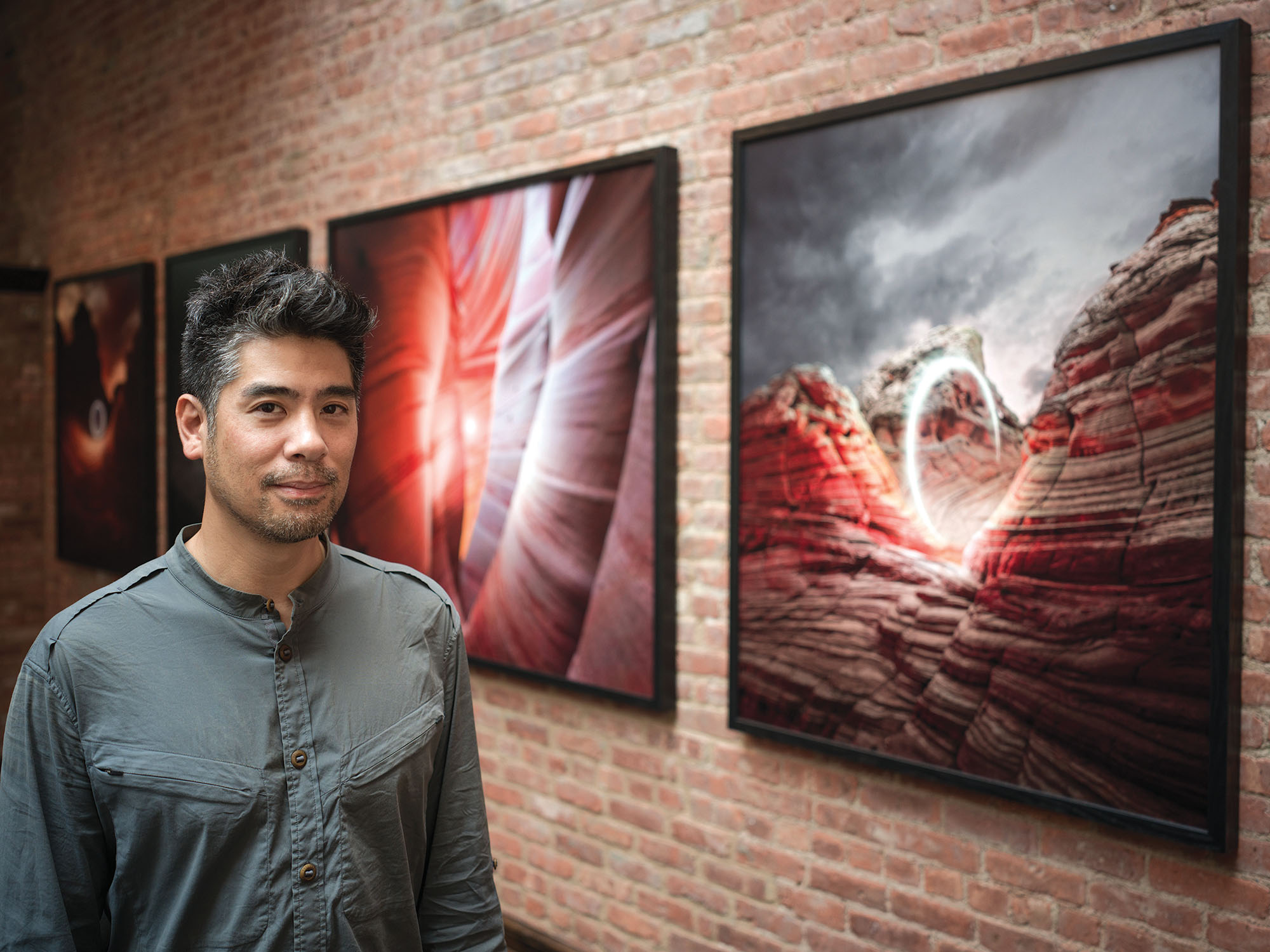
“I’m not going to get into the weeds with technical details but that curtain pattern you see is actually created by the movement of the waves on shore,” says Reuben Wu. He’s describing how he made a series of photographic art pieces that look like he’s illuminated a lace curtain hovering over waves gently lapping onto a beach. It’s Close Encounters of the Third Kind meets Ghostbusters meets landscape art. It’s beautiful.
Today, Wu is probably best known for two things. One, he’s a founding member of the English electronic pop band Ladytron, which over twenty-five years has produced seven studio albums and made countless world tours. Two, he created a photograph of Stonehenge with a white light beaming from the center of the stone formation into the cosmos. It appeared on a cover of National Geographic and was included in the magazine’s 2022 special edition, 100 Best Photos: Iconic Images from This Century.
Wu’s photography can hew closer to sci-fi fantasy painting than realism. Lots of his work features red-rock canyons at night, lit from unexpected angles, with perfect white circles hovering in the air or seemingly moving forward through a slot canyon as if alive. Wu uses drones and time lapse to create the images, which indeed are influenced by movies like Close Encounters. He’s a big sci-fi fan.
Wu grew up in Liverpool, England, reading National Geographic and dreaming of the otherworldly landscapes in the American West. “When I first laid eyes on the deserts of Utah and Arizona, it felt like they were places from my childhood imagination that had become real,” Wu says.
Wu remembers the first time he was inspired to use light to bring an element of painting into his photography. He was shooting time-lapse photos of the Trona Pinnacles in the Mojave Desert when a pickup’s headlights swung across the rocks he was photographing. The light effect was beautiful and for the first time Wu realized he wasn’t restricted to shooting landscapes as they are.
“I’ve always been influenced by painters and directors because they can create their own world,” Wu says. He was also fascinated by the work of famous land artists, but their methods were permanent and destructive to their environments. Wu learned that using drones and technical lighting, he could create art that was like an installation but ephemeral, with no impact on the land. “I think of my work as landscape art with a ‘leave no trace’ method.”
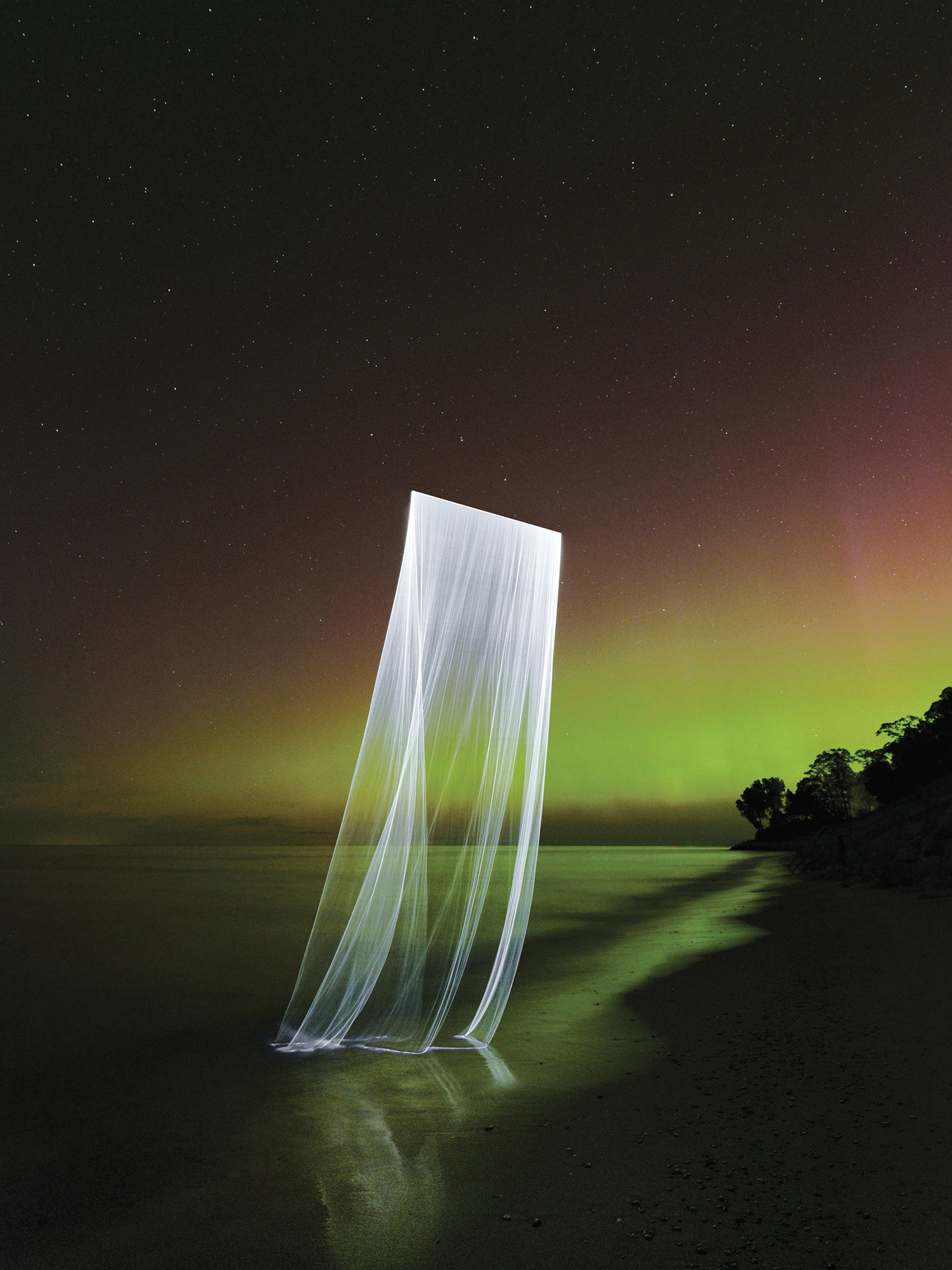

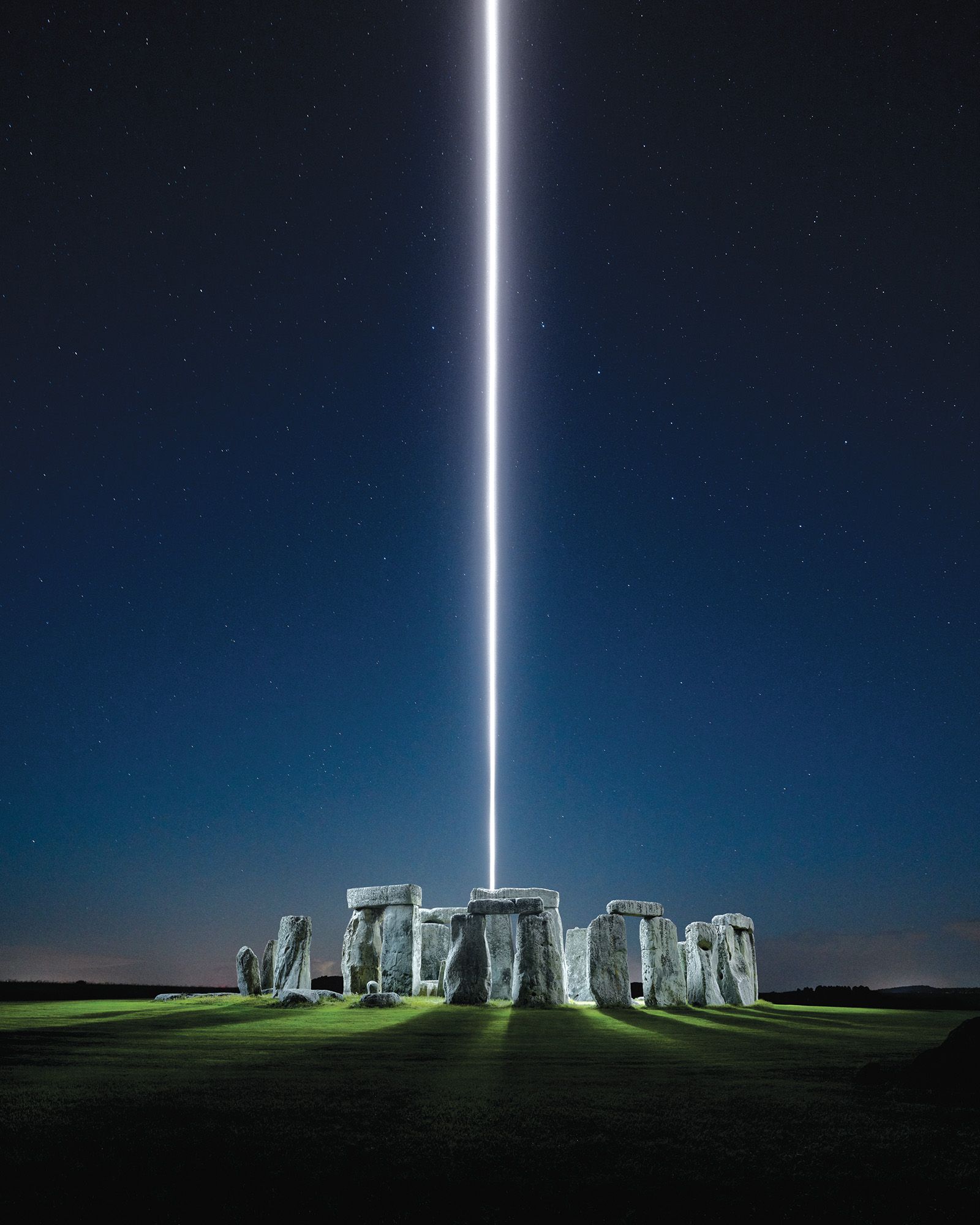
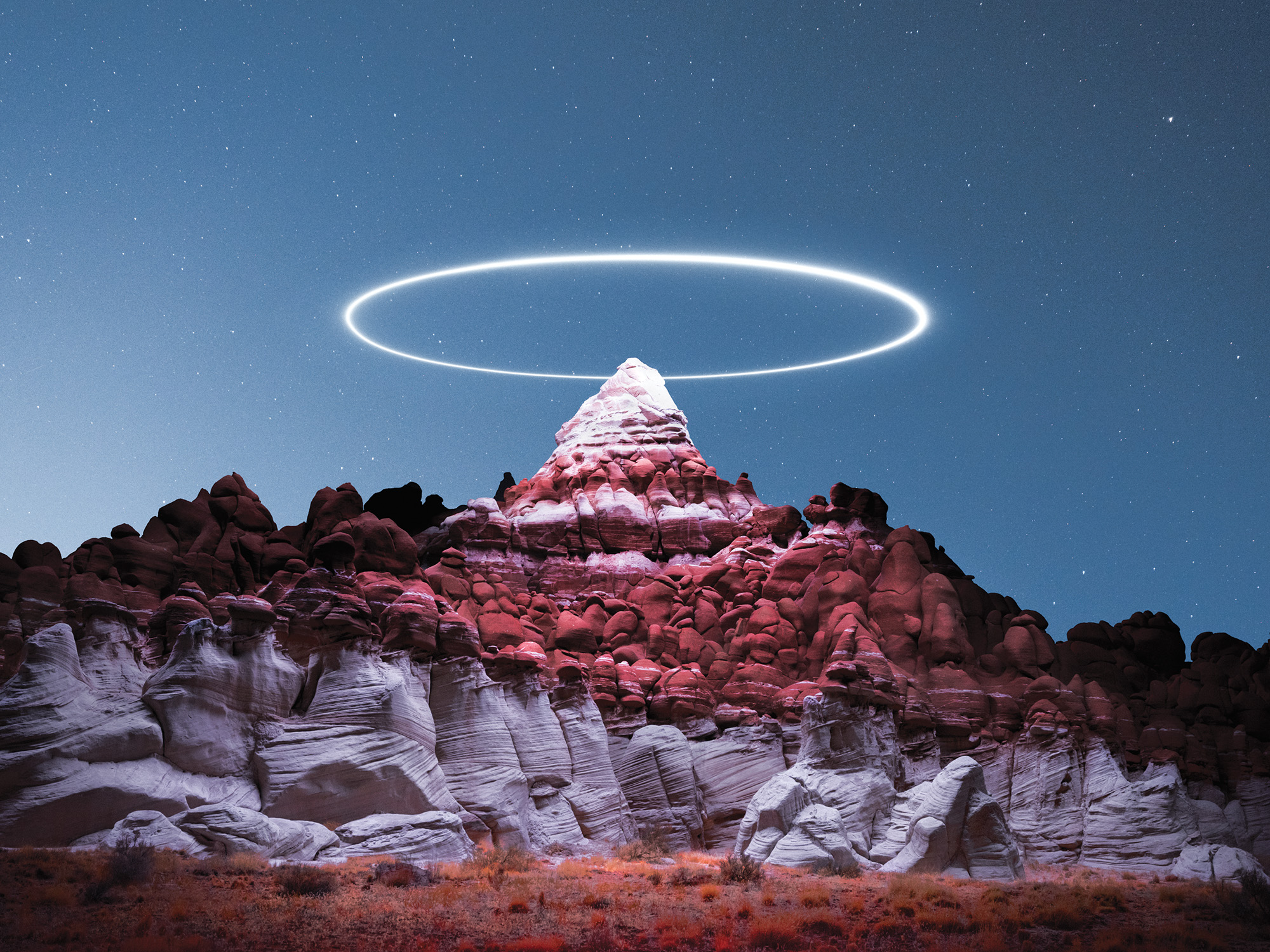
Photos by Reuben Wu
42 issues. 11 years. Independently owned. Printed on 70lb uncoated paper with a soft-touch cover, solar-powered, and shipped in a brown paper envelope. Free domestic shipping.