Recommended Reading
Ocean depths, Grand Canyon botanists, wildfire in a hotter world, and the radical joy of mending
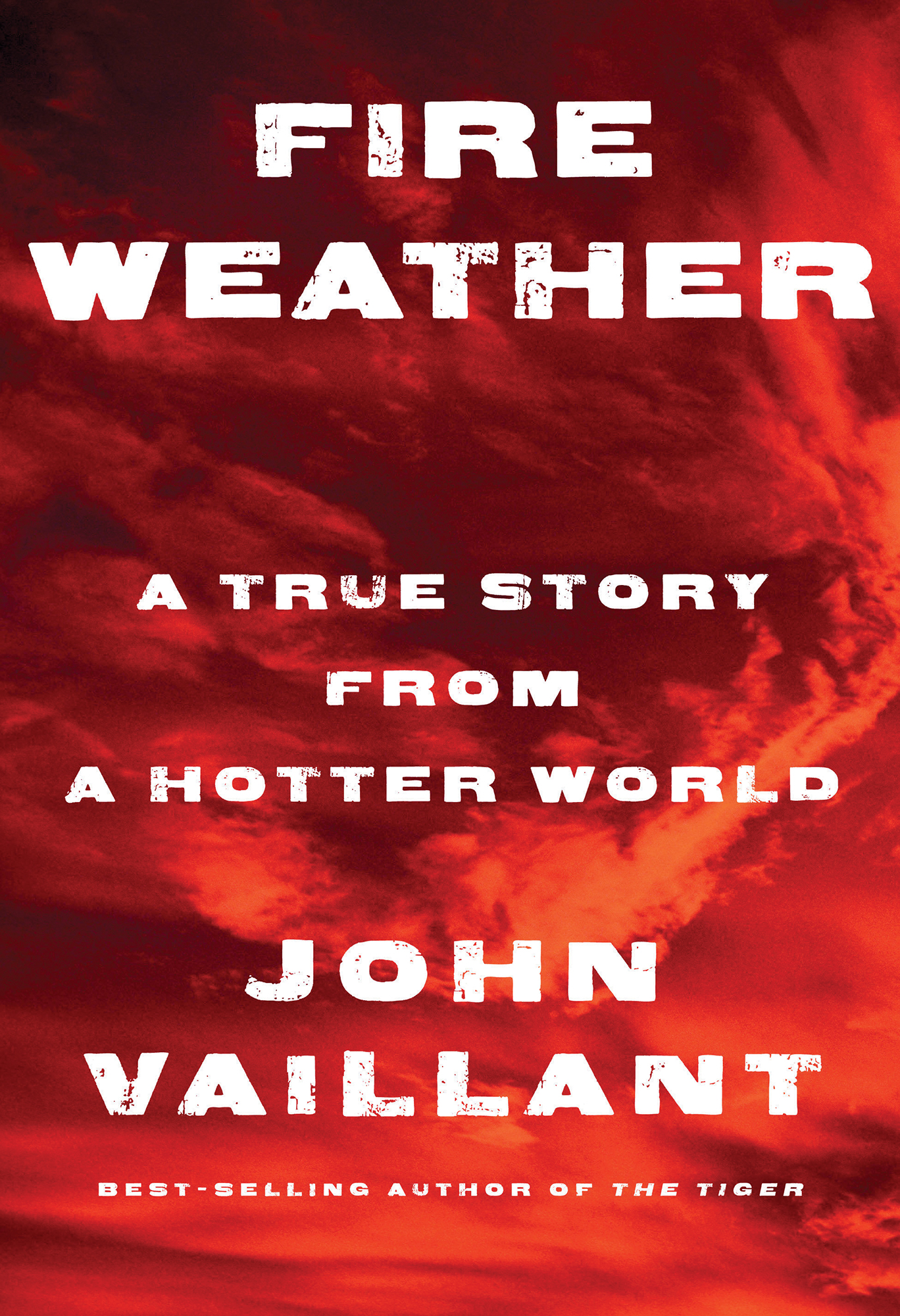
I’ve long loved John Vaillant’s award-winning nonfiction The Tiger and The Golden Spruce, but I was hesitant to open Fire Weather, his new book. More bad climate news? I wasn’t sure I had room. The story revolves around the 2016 fire that devastated Canada’s Fort McMurray, an oil and gas boomtown in the middle of Alberta’s Athabasca tar sands. Vaillant argues that the mega-fire, which forced the largest wildfire evacuation in Canada’s history, marks a turning point: “a fire that could turn night into day and day into night, that could, unchecked and all-consuming, bend the world to its will.” Humanity has evolved through our ability to control fire, for heat, cooking, light, and combustion, yet we’ve also contributed to its intensity through human-made climate change. Has fire escaped our grasp? A riveting masterclass for understanding the Petrocene, Fire Weather wound up surprising me, for it’s as beautifully written as it is terrifying, burning with a force that won’t let you turn away. I felt I was looking a monster straight in the eye, and was strangely emboldened by that.
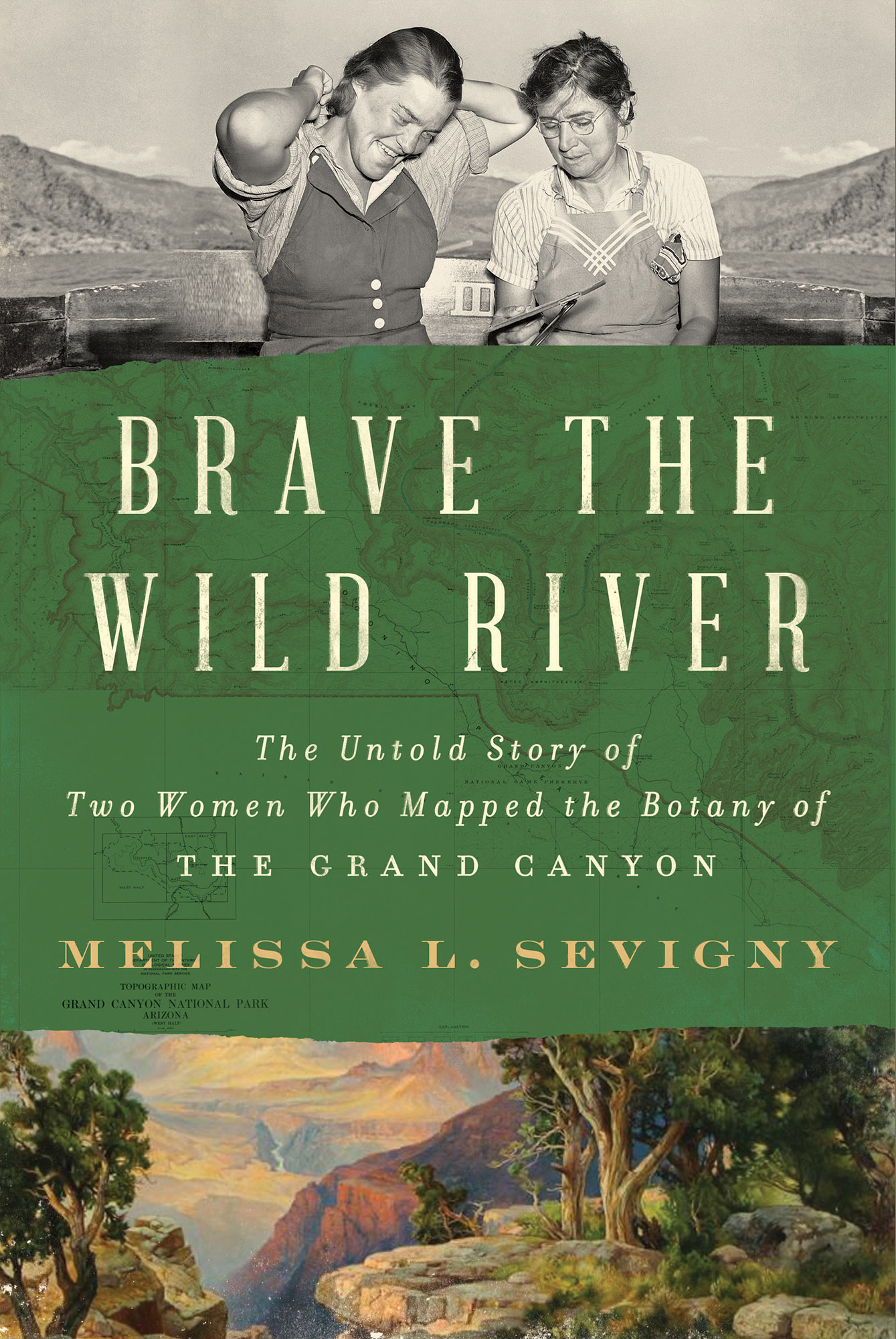
In the late 1930s, Dr. Elzada Clover, a University of Michigan botanist, paired up with Lois Jotter, a doctoral student, to run the waters of the Colorado River and conduct a first-ever plant survey of the Grand Canyon landscape. It was a year after Amelia Earhart had disappeared over the Pacific Ocean, and the Colorado was considered one of the world’s most dangerous rivers. Many reacted to the proposed expedition with outrage or dismissal, and common opinion was they wouldn’t survive. Yet Clover and Jotter persisted, and with a crew and sixteen-foot wooden boats handmade for the trip, they ventured through miles of rapids and nights of moonlit splendor on their trailblazing six-hundred-mile, forty-three-day odyssey. Their research notes—“prickly poppies, soft and white as a wedding dress, but covered in spines”—often read like poems, and they would go on to influence conservation for the rare ecosystem. Transporting us back to a wilder era of adventure and possibility, journalist Melissa L. Sevigny skillfully pieces together letters and diaries to tell this sun-drenched, boundary-breaking story. By Emily White
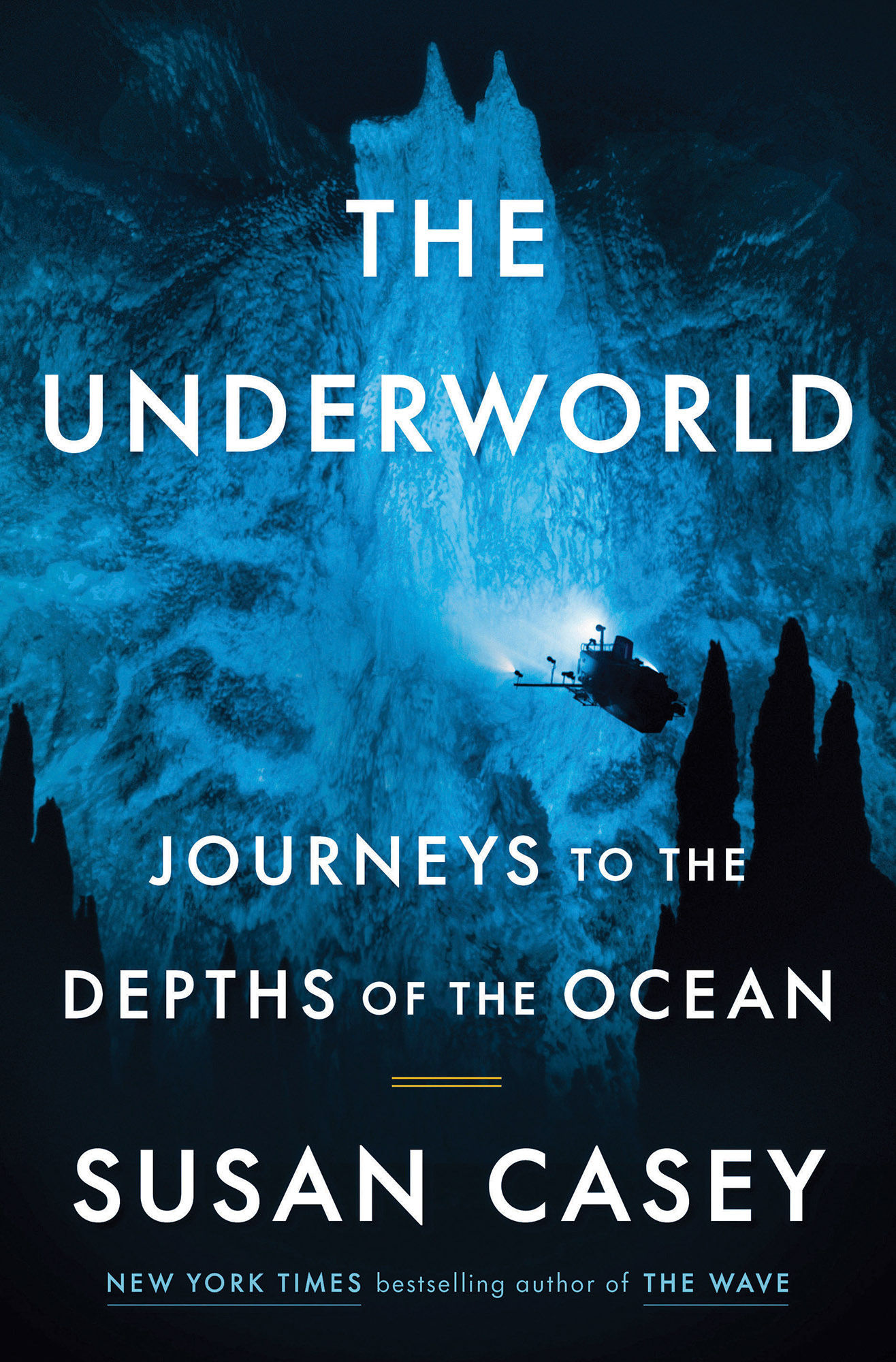
It’s rare to spy a book about nature on the New York Times bestseller list, and yet all of Susan Casey’s—Voices in the Ocean, The Wave, and The Devil’s Teeth—have appeared there. Now, in The Underworld, the National Magazine Award-winning journalist takes readers into the depths of the ocean, as far as 35,876 feet in the Mariana Trench, to be exact. Casey chronicles our historical fear of the abyss—from sea serpent myths to modern movies—and charts the progression of ocean exploration. Traveling the world from science labs to manned submersibles, she brings us into the hearts and minds of passionate biologists, geologists, and divers who are mapping the sea floor and probing the complex physiology of creatures that can breathe iron or withstand the pressure equivalent of a Mack truck. From the alien lifeforms to the shocking revelations of how little our governmental agencies understand the deep sea—which comprises ninety-five percent of the world’s volume—The Underworld will astonish you. Casey, once again, proves herself as ocean laureate extraordinaire.
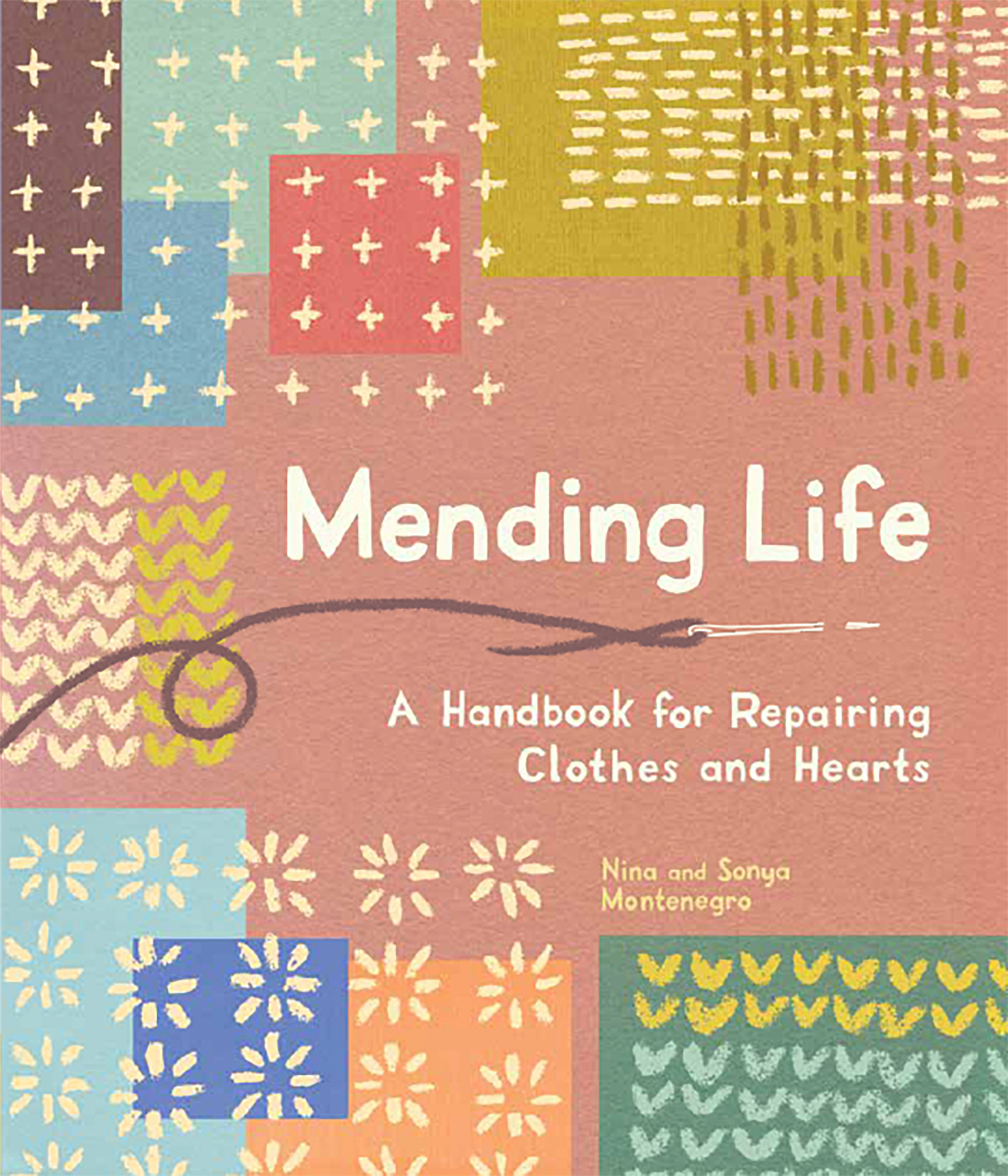
Mending Life has all the practical instruction one might expect from a handbook on sewing: how to thread a needle, how to patch holes, how to work on buttons and pockets and hems. There’s a primer on essential tools and instructions to guide you through finally fixing that rip in your down jacket or darning your favorite hiking socks. Endearingly illustrated and written by sisters Nina and Sonya Montenegro, the designer duo known as The Far Woods, whose work centers on “a land ethic, a reverence for nature,” this artful book also inspires with musings on the why of DIY repair. “Mending is a powerful act of restoration, both for our clothes and for our relationship to the world…There’s nothing broken that can’t be fixed. That old saying comes to mind again. What if we could really believe it and apply it to everything in our lives?” If it’s true that our everyday objects have a spirit, then this book, newly out in paperback, hums with an irresistible sense of radical joy.
42 issues. 11 years. Independently owned. Printed on 70lb uncoated paper with a soft-touch cover, solar-powered, and shipped in a brown paper envelope. Free domestic shipping.