Recommended Reading
Six books worth your time — animal sex, a vanishing forest’s carbon, desert climbing, a trail haunting, shifting baselines, and homes shaped by the sea
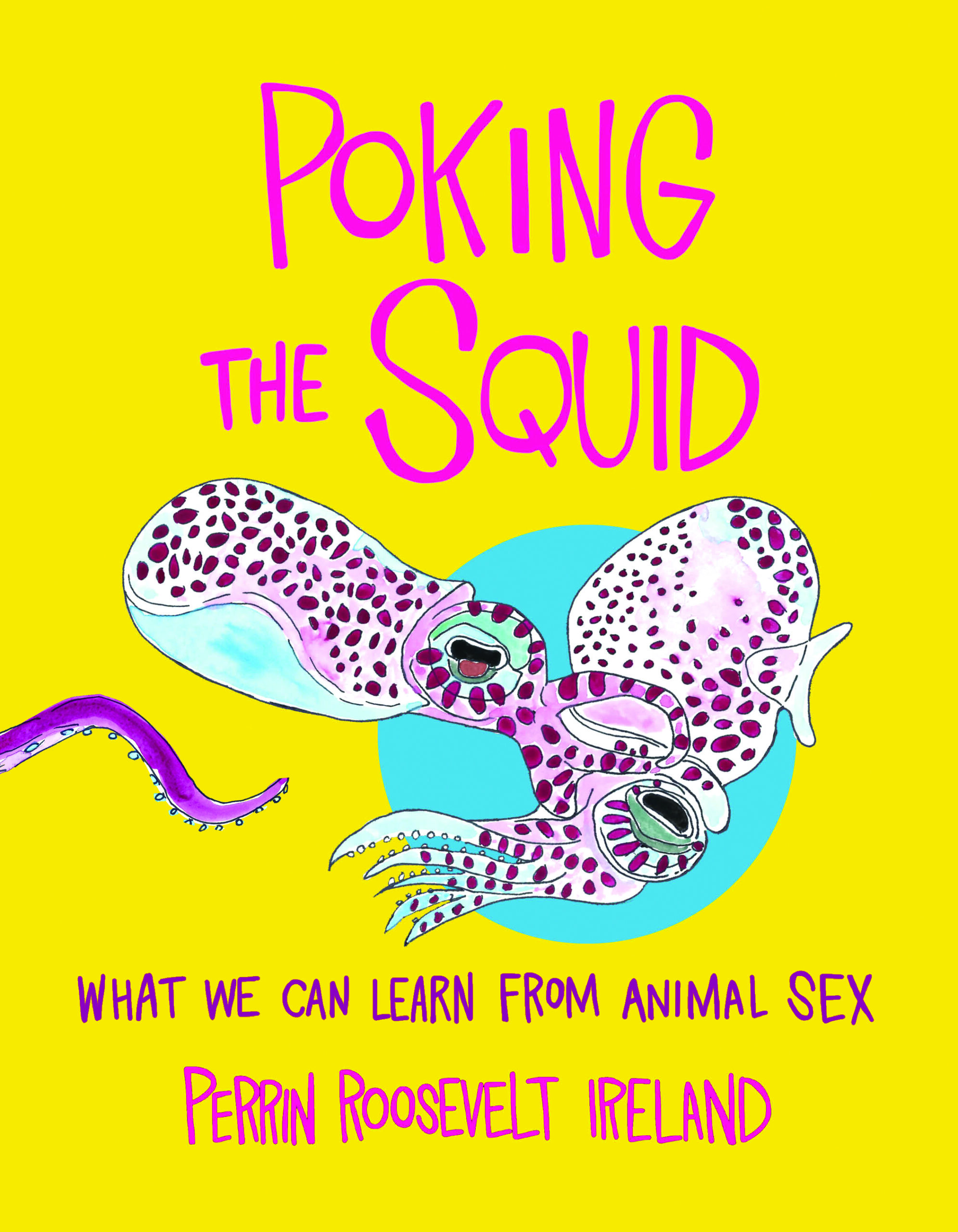
Sex sells, even animal sex, and Perrin Roosevelt Ireland has made a career as a science educator by focusing on the squirts, wriggles, and wee thumps of the faunal world. Known on social media for her short dispatches on creature reproduction while hula-hooping (it does get your attention), in Poking the Squid, she reveals that the grappling and mounting of kingdom Animalia is weirder, more exotic, and maybe even more fun than anything you’ll read in the Kama Sutra. The sex puts the graphic in her graphic novel, and her watercolors and hand lettering add whimsy. Underneath all the bumping and grinding is an important message: hetero, homo, solo, whatever your bent, it’s all natural. A happy ending!
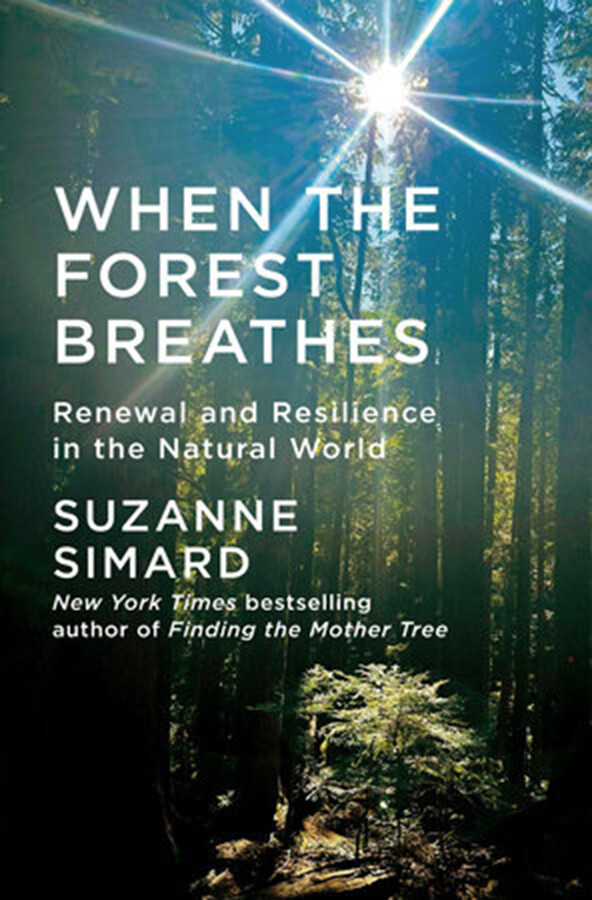
Suzanne Simard’s When the Forest Breathes indicts modern logging practices as starkly as Rachel Carson’s Silent Spring indicted pesticide use. Her research in British Columbia forests shows that logging machines devastate the forest floor and carbon stored there. In a moment that reads like a scene from a disaster movie, during a Zoom call, she and her research partner discover their data shows a shocking sixty-one percent decrease in stored carbon—five times the amount seen in previous studies. “Holy shit,” writes Simard. Indeed: More carbon is stored in soils and forest floors than all the world’s trees and atmosphere combined. It’s a stunning finding, with profound consequences for the climate. Solutions exist—hand-cutting, Indigenous practices, reciprocity—and there’s little time to waste.
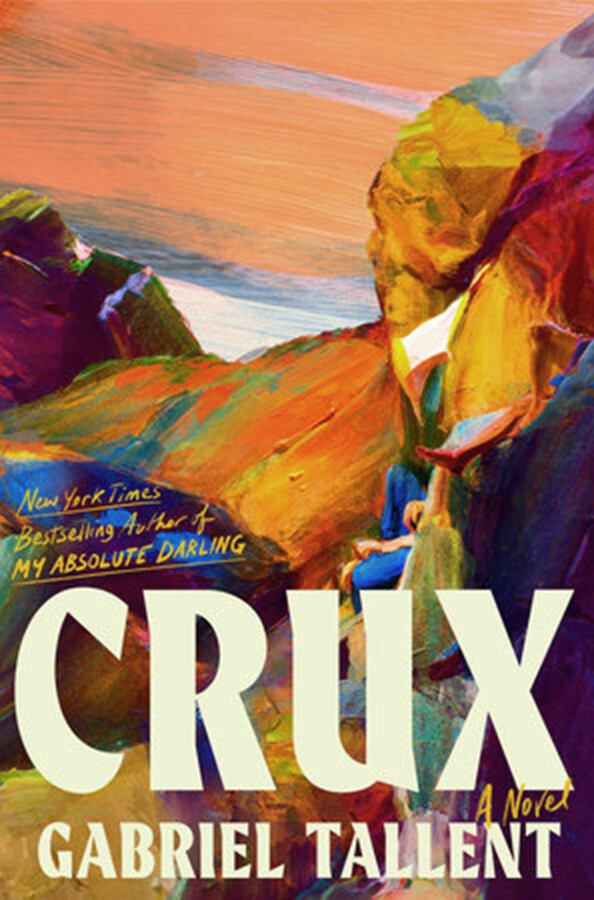
Gabriel Tallent’s second novel, Crux, feels as if it’s trying to squeeze every possible metaphor out of every possible climbing term, and, like his hyper-loquacious protagonist Tamma, it’s a lot to take—at first. But you settle in, or maybe buckle up, as high desert kids Tamma and best buddy Dan try to send Fingerbang Princess—a sketchy, highball boulder problem—and classic routes in nearby Joshua Tree. They have no money, no rope, no crashpad; what they do have are broken families and the belief that climbing is their only way out. Queer, swear-like-a-sailor Tamma lives in a trailer and has few options, Dan has more but doesn’t seem to care. Their journey together looks like a desperate dyno move to a wafer-thin hold—low odds of success, high degree of danger—but by the end, the metaphor works.
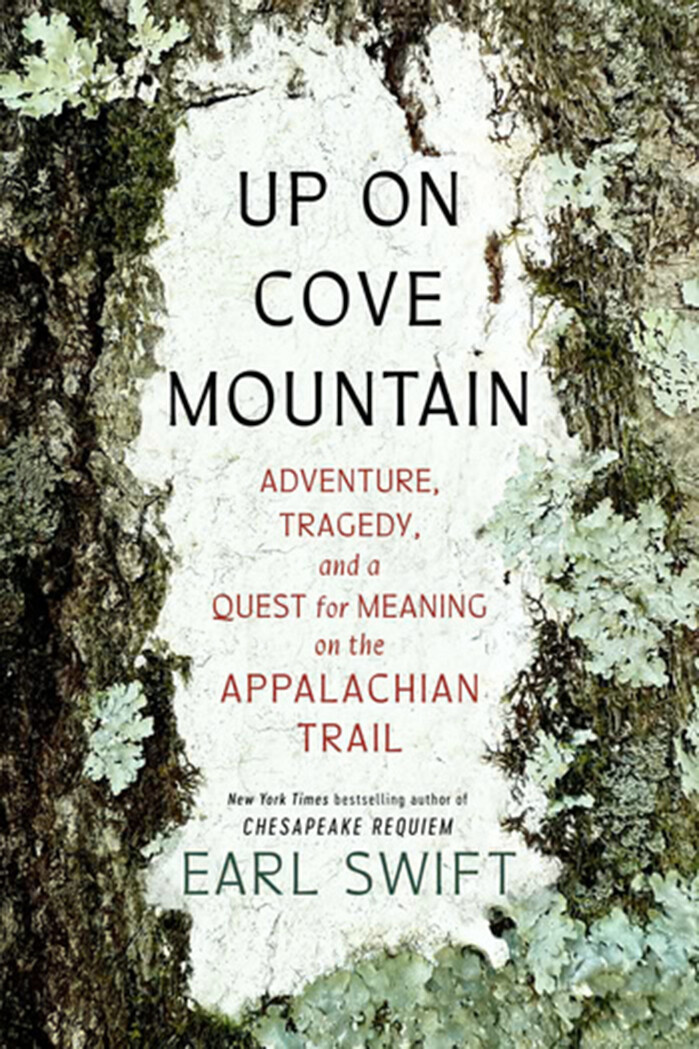
Virginian Earl Swift loves the Appalachian Trail. As a young man, he kept moving closer and closer to it, as if inching toward a girl he wanted to know, eventually leasing “a goddamn eyesore” apartment because it was located at an AT trailhead. In early 1990, he took the big swing and hiked south from Maine. His fellow thru-hikers, the trail magic, the simplicity—it was a revelation. And so, Swift was particularly spun out when a pair of hikers, Geoff Hood and Molly Larue, were murdered a few days behind him on the trail. He spent the next thirty years haunted by the violence, and in 2024 returned to hike the AT for answers. Part true crime, part trail memoir, Cove Mountain‘s search leads back to what Swift loved most about the AT: its people.
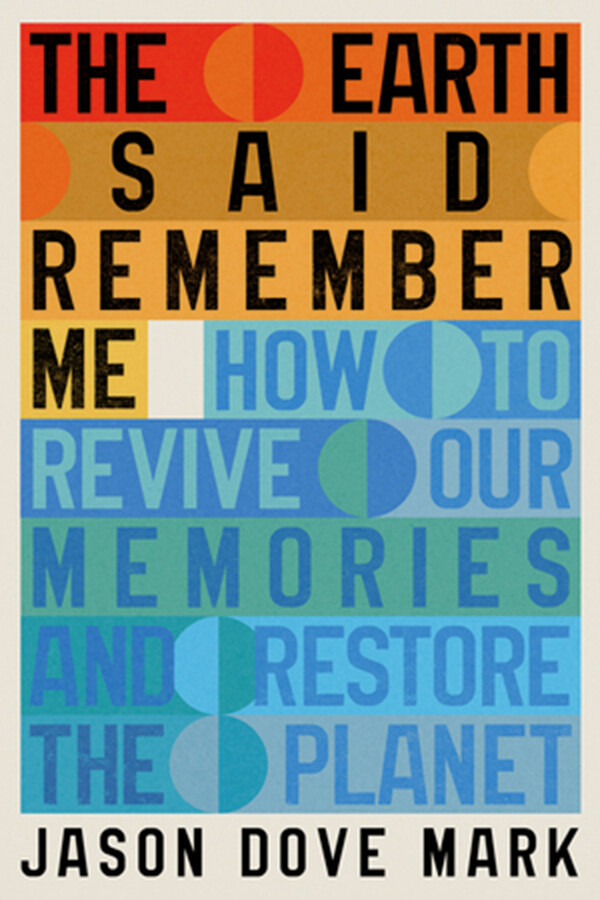
Working as an organic farmer, activist, and editor of Sierra magazine, Jason Dove Mark has spent twenty-five years trying to make the world more livable. In his second book, which weaves memoir with science, he’s concluded the biggest obstacle to solving the compounding effects of climate change is blithely accepting ever-worsening “new normals” in the environment. He’s talking about shifting baselines, a clinical term for forgetting how bountiful nature used to be. In this forgetting, we become deadened, he argues, the way “a freak heat wave can go from whoa to meh in less than a decade.” But all is not lost. Baselines can shift in the right direction. He argues for four action steps (with real-world success examples of each): Go outside, bear witness, make a record, and pass it on. Want inspiration? Here it is.
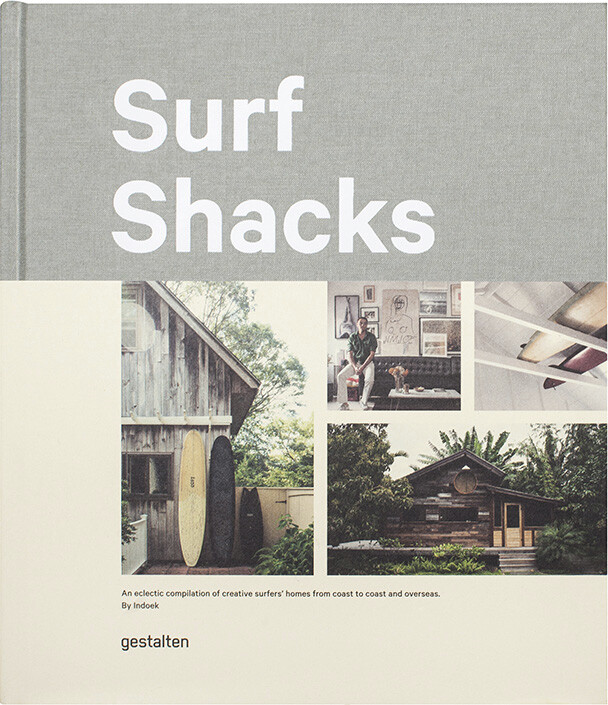
No matter how swanky the houses in the third iteration of Gestalten’s addictively voyeuristic Surf Shacks series, you know there’s sand on the floor—maybe not in the luscious pictures, but just before or after. What distinguishes these forty homes, from Leucadia to Ericeira to the North Shore, is that their style grew from the inside out. No designer imposing a concept—just bare wood and weathered boards, maritime trinkets, shelves of dog-eared surf books, art from friends next to kids’ drawings, nooks that accumulated rather than were styled. Matt Titone’s subjects—artists, shapers, photographers, pros, shop owners, watermen—have built homes that are extensions of the lives they’ve chosen, not stages for them. The real story, he writes, “is what happens in the spaces between swells.”
42 issues. 11 years. Independently owned. Printed on 70lb uncoated paper with a soft-touch cover, solar-powered, and shipped in a brown paper envelope. Free domestic shipping.