Recommended Reading
An obscure ultrarunning legend, a Pulitzer-winning novel about trees, and the first Native American U.S. Poet Laureate
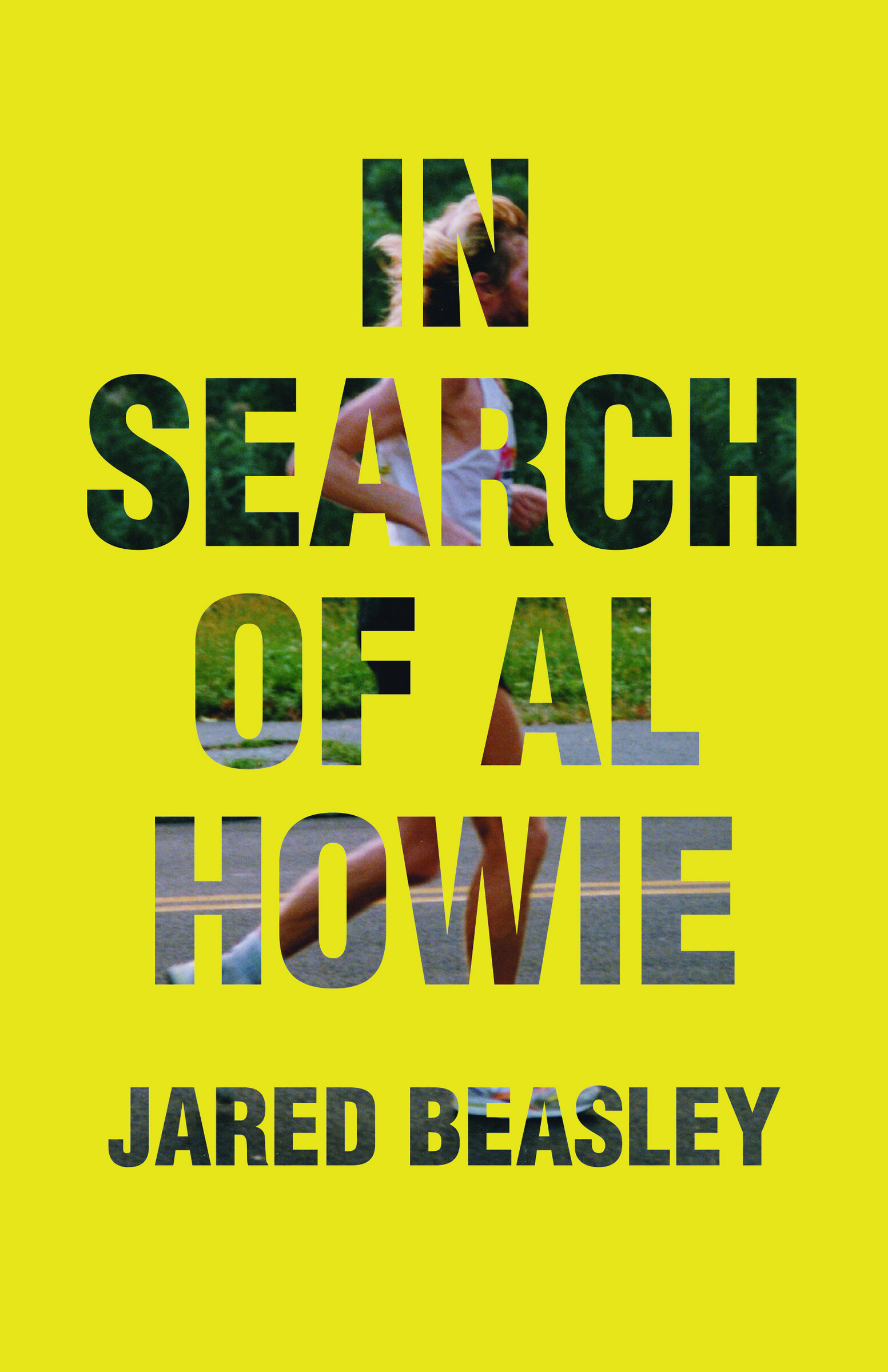
In 1991, wearing racing flats and little more than his signature lion’s mane of red-gold hair, with neither a GPS watch nor a trainer to set pace, Canadian Al Howie blazed two world records back to back: one for a 1,300-mile race, finishing in sixteen days, nineteen hours, and one for a 4,533-mile cross-Canada race, averaging sixty-three miles a day for over two months. Yes, two months. Ultra, shmultra—and now we think a fifty-miler is tough. In this moving biography of an obscure legend, screenwriter Jared Beasley sketches a soulful portrait of an embattled figure who, fueled by fish n’ chips and beer and instinct, won dozens of mega-distance races in the 1980s and ’90s, inspiring many with his working-class heroism and singular devotion to mileage. In Search of Al Howie will leave you yearning for a recent yet distant unplugged era in human-powered adventure, when a free spirit kindled righteous pursuits of endurance as a way of life.
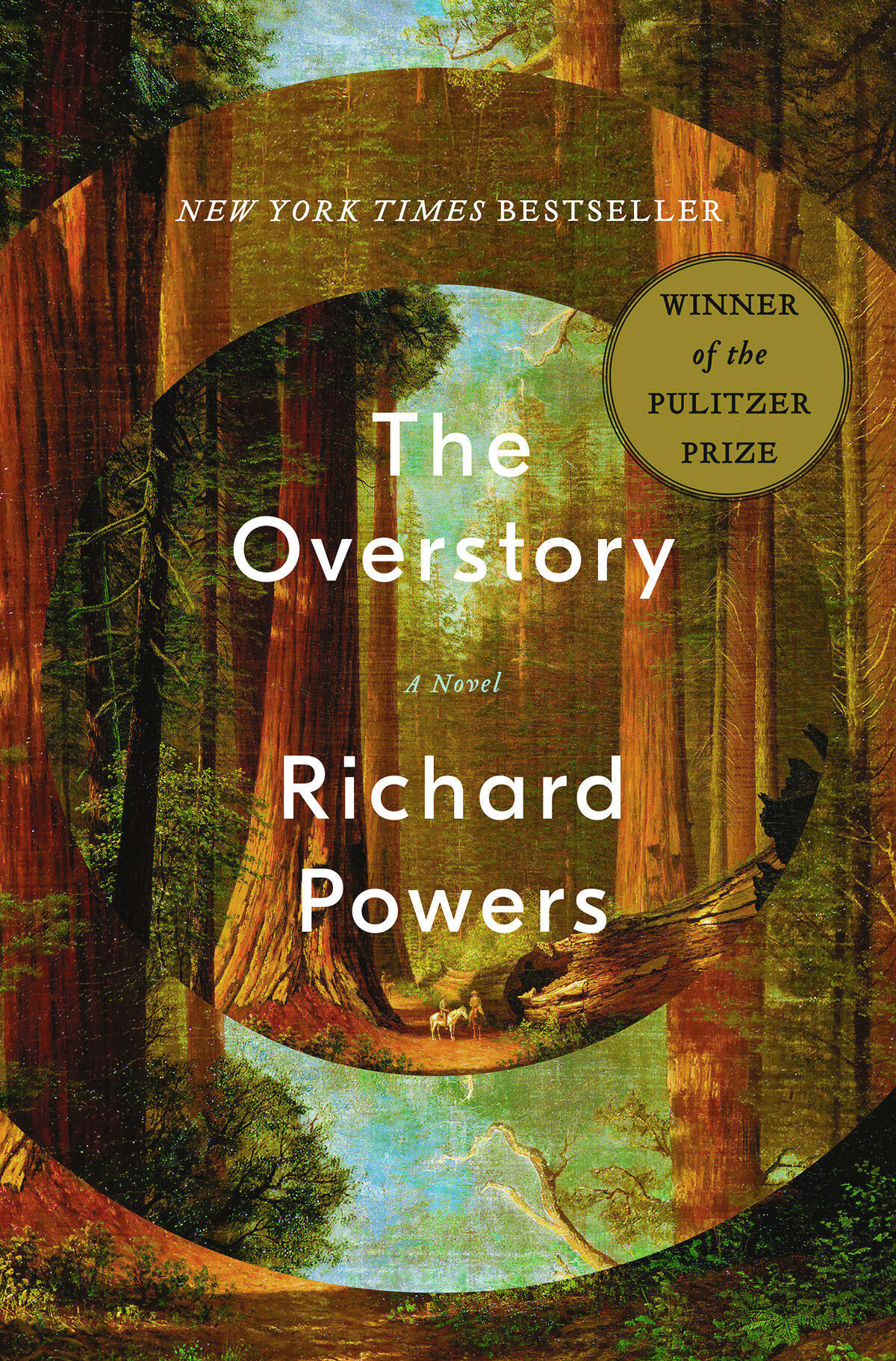
I was skeptical about this book, with its nine human characters, sprawling timeline from 19th century New York to Occupy Wall Street, and magical realism meets science fiction meets eco-terrorism fable. What? But Richard Powers, who’s won a National Book Award and a MacArthur Fellowship, knows how to build a fire. The Overstory earned the 2019 Pulitzer Prize, thousands of impassioned reader reviews (both good and bad but mostly good), and, more important, the wholehearted love of the Lorax. In this novel (and in real life, too), the trees are as alive as the people—mulberries bleed, chestnuts groan, walnuts choke—and they create communities, transform the landscape, and talk nonstop: They’d “drown you in meaning” if only humans knew how to listen. Though massive as a redwood, Overstory’s tiniest moments whirl cinematically, like maple seeds spinning, searching for a spot to take root.
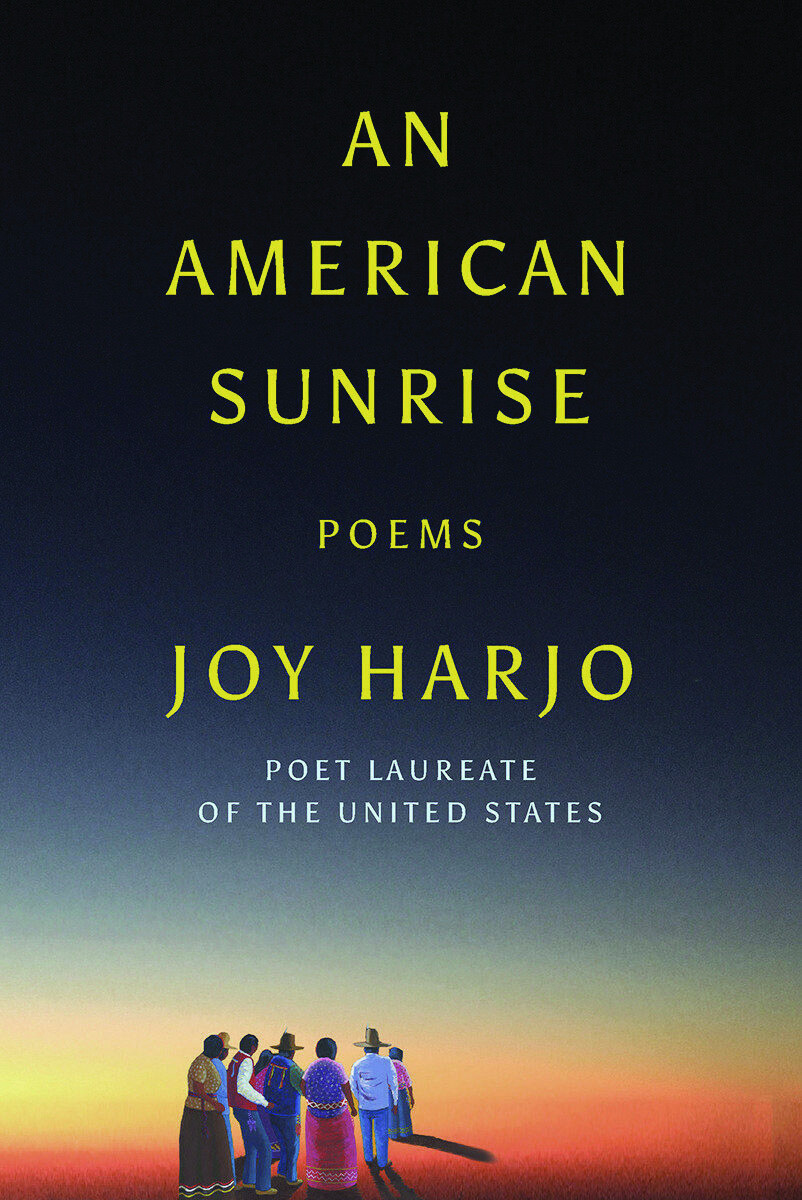
In summer 2019, Oklahoma-born Joy Harjo became the first Native American appointed as the United States Poet Laureate. Outdoor readers are most familiar with Harjo for her memoir, Crazy Brave, but the Muscogee (Creek) Nation member is also an award-winning playwright, musician, and activist. An American Sunrise, her new collection of poems, traverses the kind of committing and uncomfortable terrain Harjo has been exploring her whole life: “Through the immense and terrible echo of injustice a meadow bird sang and sang.” Some argue outdoor recreation should be the one place we can go to get away from politics. Harjo, whose family was violently forced west on the Trail of Tears, reminds that the sacred exists in step with the profane. “That’s how blues emerged, by the way—Our spirits needed a way to dance through the heavy mess.” Stormy, radiant, singing in rhythms ancient and new, Sunrise is a call to a future restored and whole.
42 issues. 11 years. Independently owned. Printed on 70lb uncoated paper with a soft-touch cover, solar-powered, and shipped in a brown paper envelope. Free domestic shipping.