Recommended Reading
Surf travel, Balkan borderlands, Donner Party revisited, and fierce girls being themselves

Outer Hebrides. Marshall Islands. Haida Gwaii. Tanzania. Vanuatu. Madagascar. Russia. Oregon-based writer Michael Kew heeds the siren song of hard-to-reach locales as few do, and his book Crossings pulls together thirty-five true stories earned from a decade of global surf travel. Four-hundred-plus pages might seem daunting, but Kew, who’s been likened to Paul Theroux and Jack Kerouac, writes with such an uncanny ear for people and places even non-surfers will be stricken with wanderlust. Real adventure travel—the kind that isn’t comfortable, safe, or easily consumed—reminds us that while the world can seem small at times, it remains a very, very big place.

In this spellbinding travel narrative, poet and award-winning journalist Kapka Kassabova returns to her roots in the borderland between Bulgaria, Turkey, and Greece. Nestled near the Black Sea and one of Europe’s greatest wildernesses, this rugged corner of the world has been overrun by shifting borders for millennia. From ancient Greece through the Ottoman Empire to the Cold War and today’s Syrian refugees, the story takes switchbacks between cultures and centuries. One moment you’re sipping coffee with an armed border guard at The Disco cafe, the next you’re firewalking with an old woman carrying religious relics over hot coals. Boars and bears and wolves roam the old-growth beeches and oaks. And snakes, it seems, are everywhere. Is it 2016 or the 4th century BC? This kaleidoscopic exploration of boundaries—natural and man-made, real and imaginary—will forever change your bearings on the map.
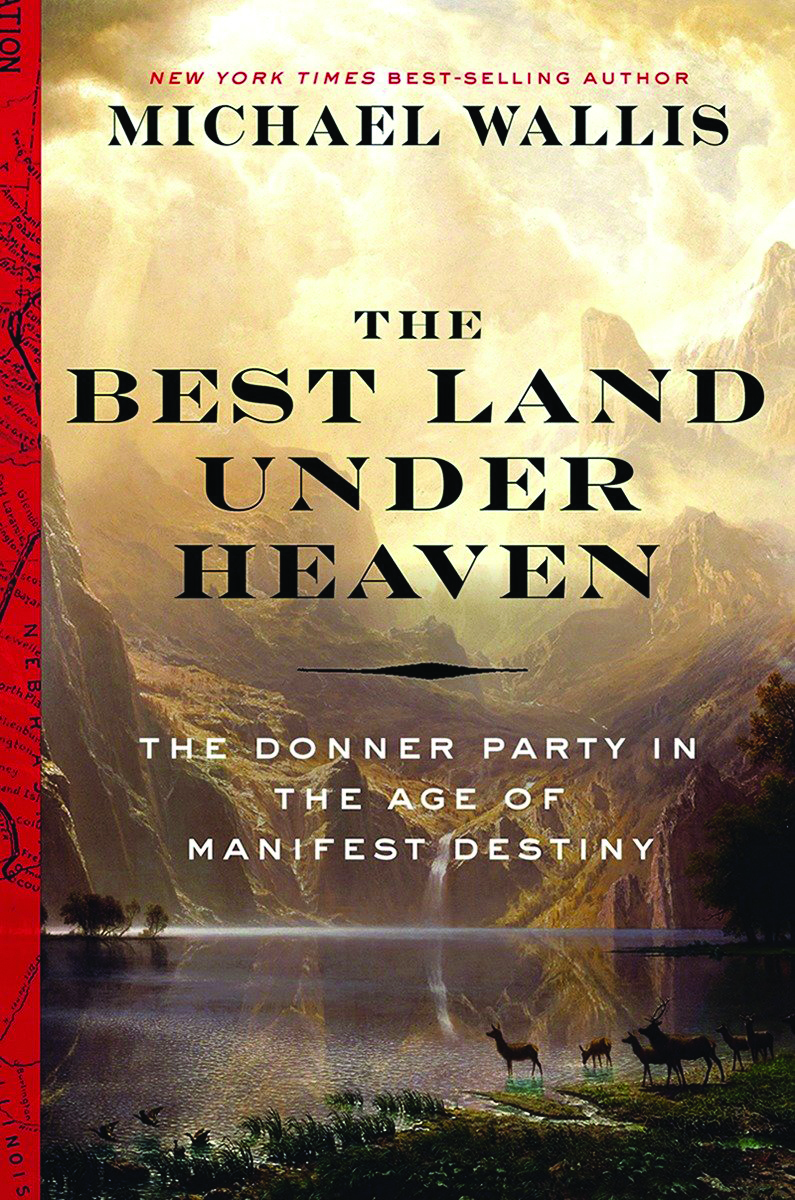
If you’ve studied outdoor education, you’ve learned about heuristic traps: human factors like leadership trust or summit fever that affect decision-making. Should you make a move in the storm or wait it out? And if you can only choose one, do you eat your friend’s heart, liver, or brains? Hmmm. Many think of the Donner Party as a distant textbook chapter, but historian Michael Wallis brings new life—and death—to the survival saga. As the 1846-47 winter snowdrifts pile up to twenty-two feet in the eastern Sierra, you’ll feel like you’re there, shivering under wool blankets, eating through the rations until it’s live mice on the menu, then shoe leather, then pet dogs, then…Samuel Shoemaker’s arm. Out of the eighty-seven migrants who started, only forty-six survived. Would you have done anything differently? With maps, photos, and diary excerpts, this full-bodied chronicle invites you to jump on the wagon train and consider the question for yourself.
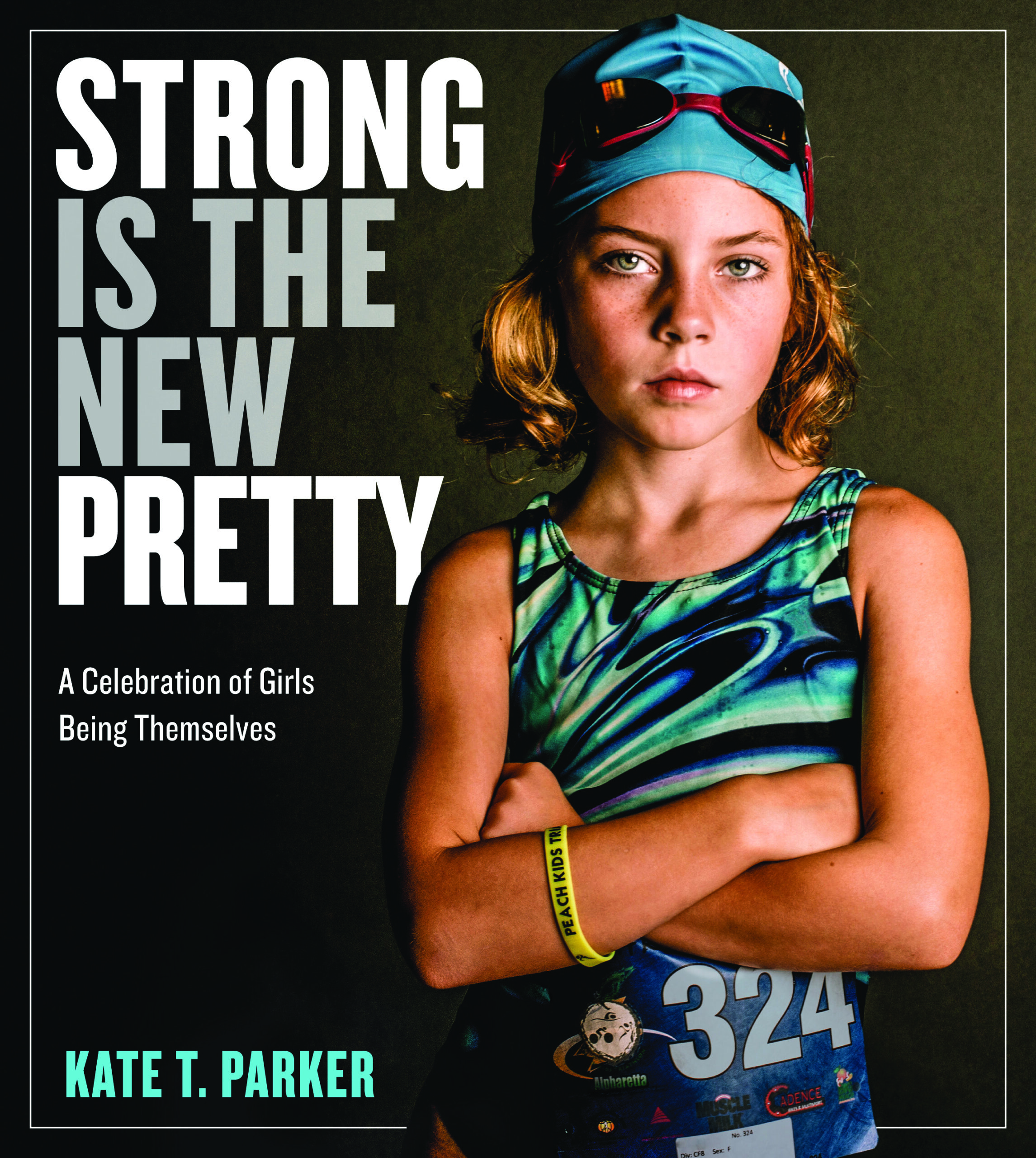
A few years ago, photographer Kate T. Parker—a mother, wife, collegiate soccer player, and Ironman finisher—started capturing shots of her two young daughters in moments other than of sweet smiles and perfect poise. The artistic direction was simple: “be strong, be yourself, be honest, and celebrate who you are.” The homegrown project turned into a quest, and Parker’s hardcover book Strong is the New Pretty features more than 175 startling images of girls and young women playing in the rain, riding on bikes, swimming in open surf, and just hanging out with friends. Some photos are dreamy colorscapes, others are black and white portraits. Hair is messy and wild, grins are goofy and massive, and gazes are unapologetic and fierce. It’s like Where the Wild Things Are, except you might wish to stay forever. As Emme, age seven, says from her tree perch, “We weren’t supposed to climb this high, but the view is better up here.”
42 issues. 11 years. Independently owned. Printed on 70lb uncoated paper with a soft-touch cover, solar-powered, and shipped in a brown paper envelope. Free domestic shipping.