culture
Humbled By the Grand Canyon of the Colorado
This story comes to us courtesy of Mike Curiak, an accomplished adventure rider and canyon explorer who also has a knack for short, powerful tri...
Read moreThis story comes to us courtesy of Mike Curiak, an accomplished adventure rider and canyon explorer who also has a knack for short, powerful tri...
Read morePicking the perfect outdoor job, plus, pondering the joy of paper maps in a digital map age.
Read moreNew Black Diamond series focuses on re-imagining and re-discovering historic climbing routes.
Read moreWhy the Coleman gas lantern still deserves a place in your gear shed.
Read moreAre you a group ride/camp/hike/polar expedition kinda person, or a solo adventurer? What are the pros and cons of each? We also dig into the French...
Read moreThe average number of avalanche deaths per year in the United States has stayed the same for more than a decade, despite the growing number of wint...
Read moreThe Hagens are pro skiers raising a family smack in the middle of some of Europe's best skiing. For the kids, it's a dream. For the parents, it's a...
Read moreIf you're looking for an adventure rig, you have seemingly endless choices (except for rugged, simple, and affordable—come on, car makers!) In thi...
Read moreUtah’s Bears Ears National Monument rarely leaves the news. The political tussle over this stunning expanse of red rock canyons exemplifies all ...
Read moreKurt Refsnider had the dream gig -- Geology professor at Prescott College, in Prescott, Arizona, near tons of great riding. But as bikepacking too...
Read moreFew people ever touch their particular corner of the world, culturally, geographically, or spiritually, like Hawaii’s Rell Sunn. She was, still i...
Read moreCouple weeks ago, I set out on a nice day hike up in Point Reyes National Seashore, just north of San Francisco. Ever been? Gorgeous, magical pla...
Read more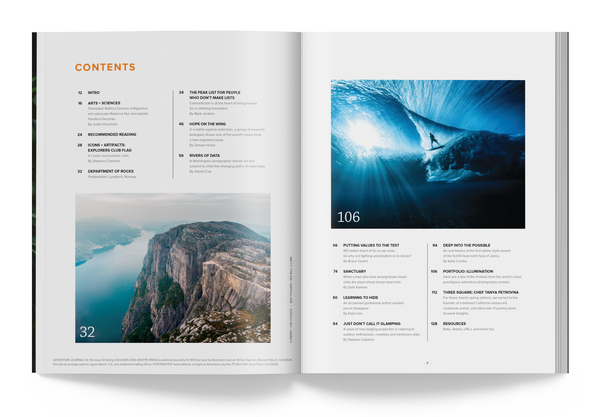
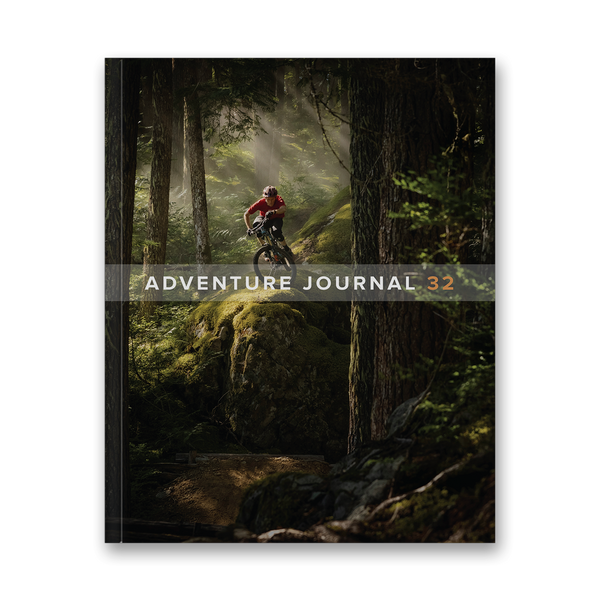
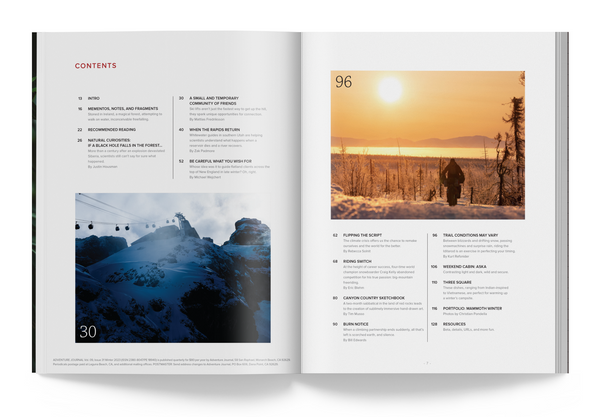
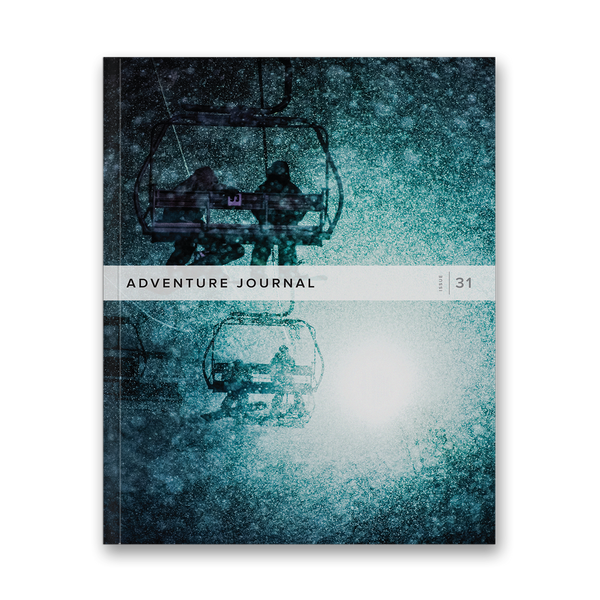
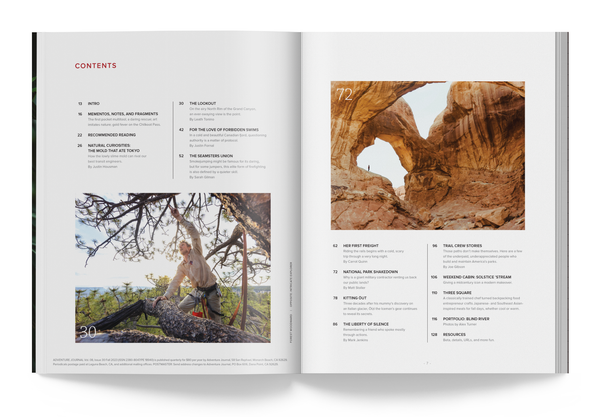
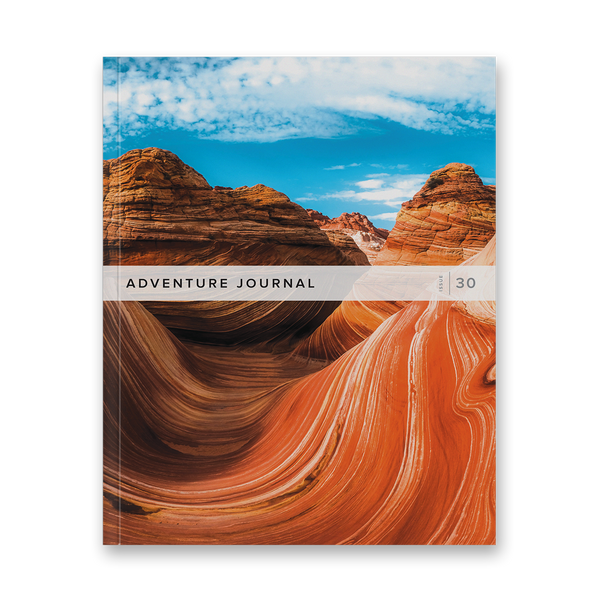
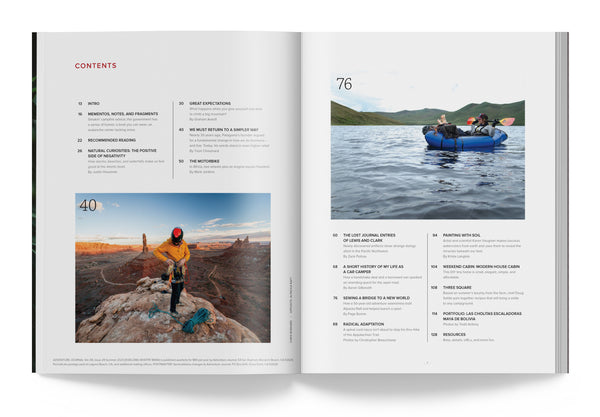
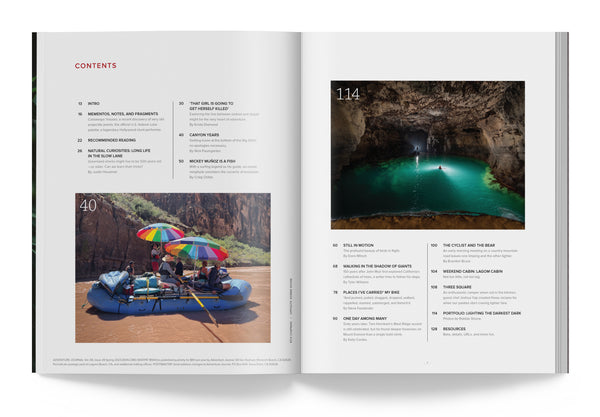
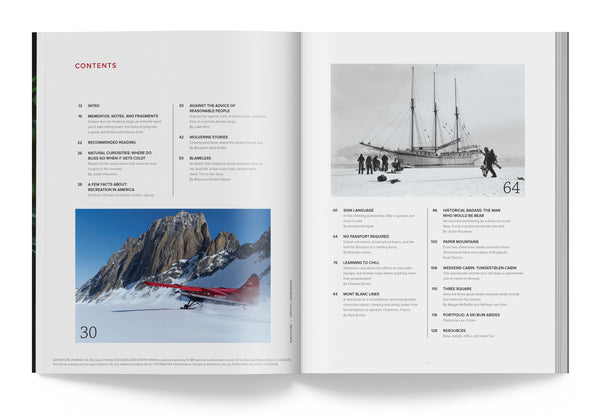
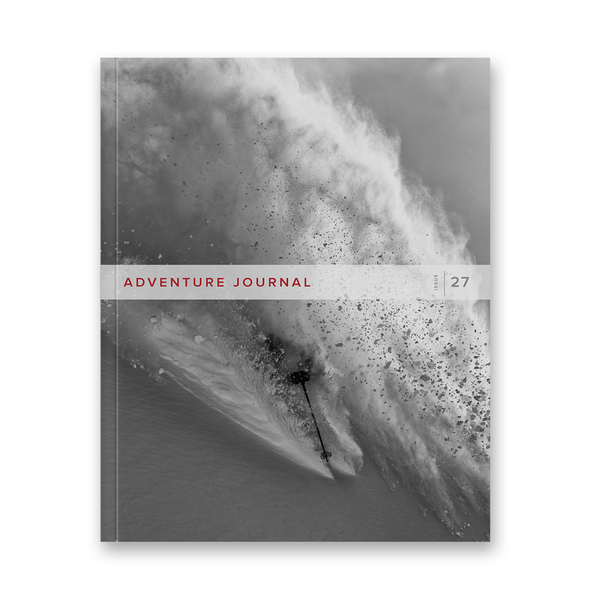
Complete your collection with back issues of AJ