culture
The Natural Beauty of Natural Bridges National Monument
Come for the natural bridges, stay for the stargazing.
Read moreCome for the natural bridges, stay for the stargazing.
Read moreThe second-oldest bike race in the country once had a humble purse. The winner received a candy bar.
Read moreIn this week’s podcast, editor-in-chief Stephen Casimiro reads one of our fave Historical Badass columns about one of our fave badasses, Colin Fle...
Read moreVasque gets a whole lot right with its new leather boot.
Read moreBlack Diamond climbers tackle the Ibex Crags. "Primitive camping very near to climbing, but hours away from civilization."
Read moreWhen you have the opportunity to float a trip like this, you have to say yes.
Read morePicking the perfect outdoor job, plus, pondering the joy of paper maps in a digital map age.
Read moreNew Black Diamond series focuses on re-imagining and re-discovering historic climbing routes.
Read moreWhy the Coleman gas lantern still deserves a place in your gear shed.
Read moreAre you a group ride/camp/hike/polar expedition kinda person, or a solo adventurer? What are the pros and cons of each? We also dig into the French...
Read moreThe average number of avalanche deaths per year in the United States has stayed the same for more than a decade, despite the growing number of wint...
Read more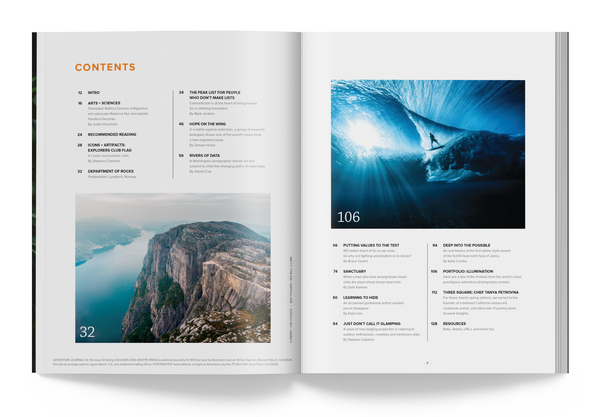
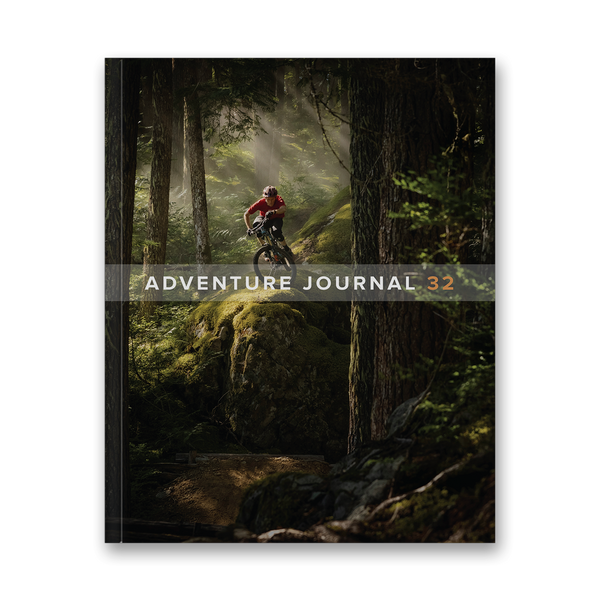
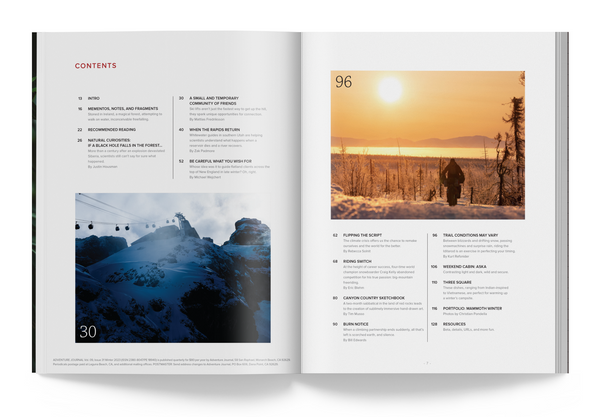

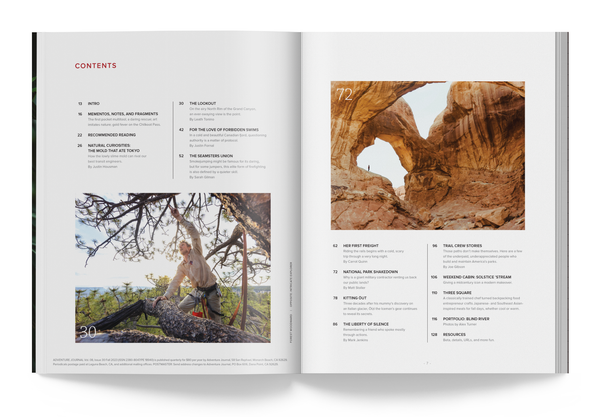
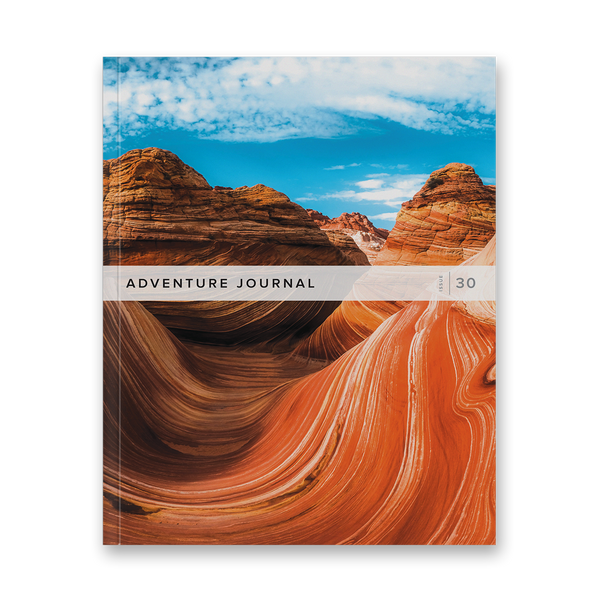
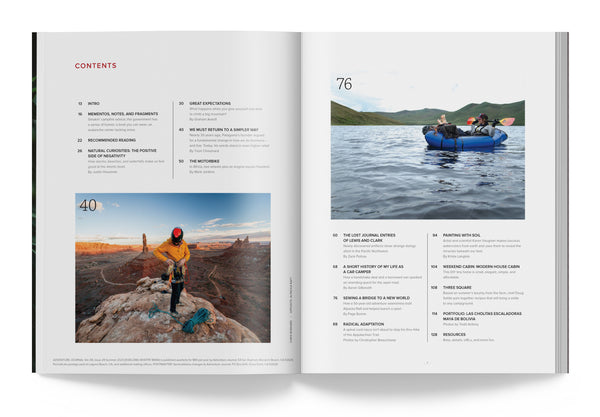
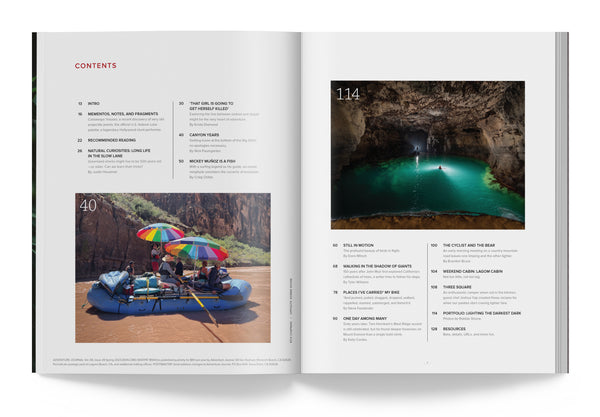
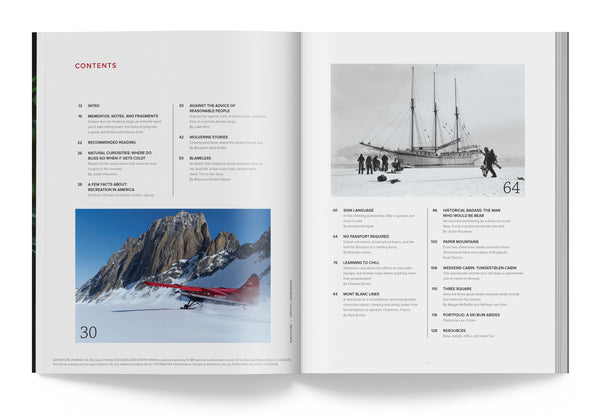
Complete your collection with back issues of AJ